

The cardinal rule of modern cybersecurity is as foundational as it is straightforward: never use the same password across multiple online accounts. Yet, human nature often collides with digital realities, particularly when forged in the early days of the social media boom. Back when online services were rapidly multiplying and password managers were a luxury rather than a standard utility, many individuals developed casual security habits. Trusting nascent web platforms with personal data felt harmless, and remembering a single, seemingly robust alphanumeric combination across dozens of platforms seemed like a practical memory hack.
Fast forward to the current landscape of sophisticated cyber threats, and those dormant digital footprints can transform into severe liabilities. While most tech-savvy individuals eventually transition to password managers and unique credentials, historical security negligence can linger in the shadows. A recent wake-up call involving a compromised legacy account exposed a staggering trail of vulnerability, proving that even vigilant users can harbor hidden digital risks stemming from decisions made decades prior.

The anatomy of a massive credential reuse problem often begins innocently. In the late 2000s and early 2010s, the digital ecosystem was vastly different. Platforms required endless sign-ups for forums, gaming portals, e-commerce stores, and social networking applications. Modern browser-based password managers and automated key generation tools had not yet matured or achieved widespread adoption. Google’s built-in password manager debuted around 2015, and automated password generation capabilities did not arrive until 2018. Consequently, internet users relied on a trial-and-error method of authentication, often committing a favored complex password to memory and deploying it universally.
This habit created an expansive web of interconnected accounts tied to a single point of failure. Over the years, as awareness grew, many individuals updated their core credentials—securing primary email addresses, financial portals, and major social networks. However, secondary services, defunct applications, and forgotten web portals were frequently left behind. Because these platforms faded from daily use, the associated security risks faded from memory as well, leaving a trail of identical credentials buried deep within historical databases.
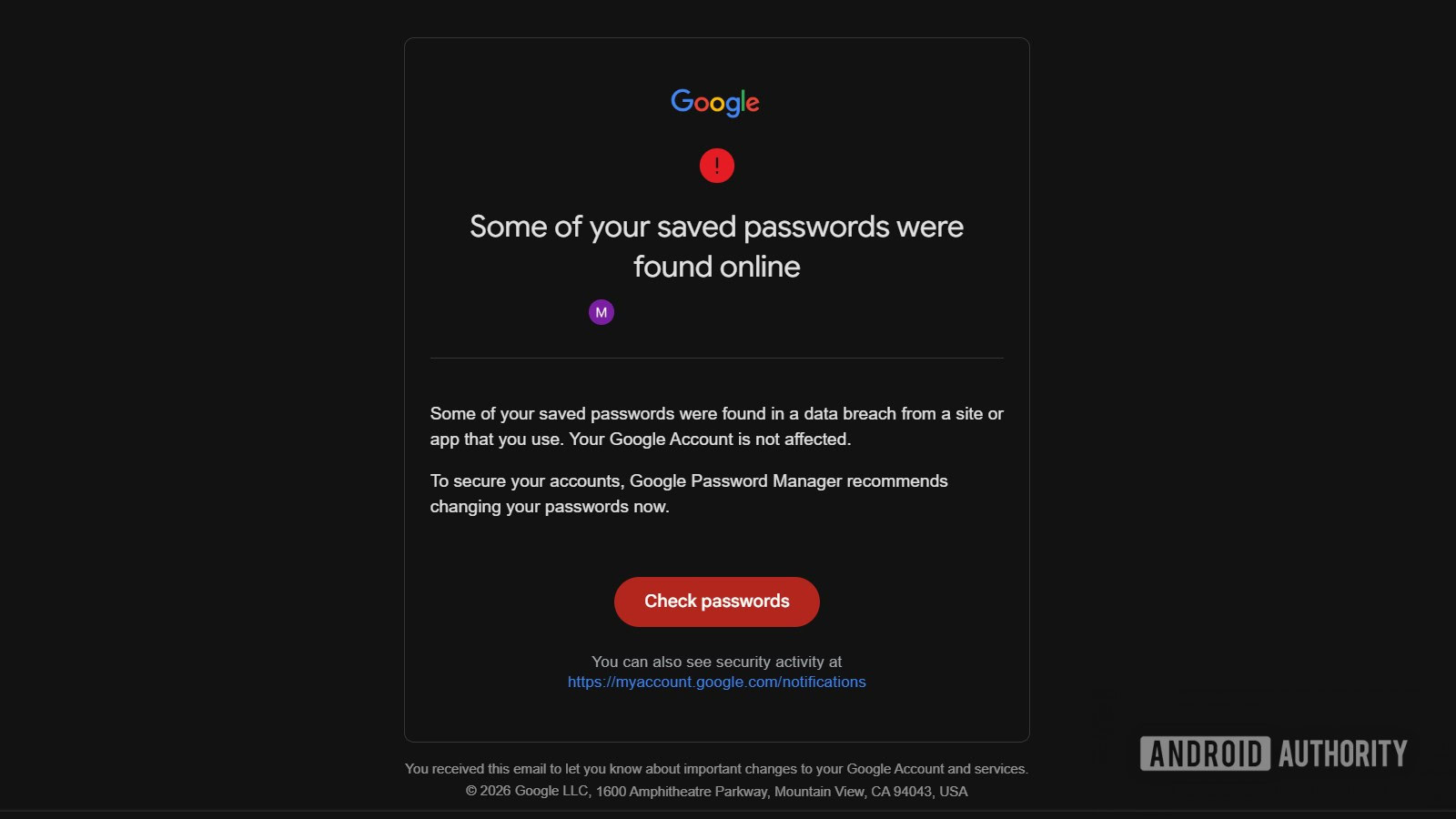
The true scope of such credential reuse usually remains hidden until a breach occurs. A typical notification from a defunct service—often rebranded, acquired, or completely abandoned—serves as the initial catalyst. These notifications frequently arrive with ambiguous details regarding encrypted or hashed data, lulling users into a false sense of security. However, the real danger surfaces when secondary security alerts from major ecosystem providers flag leaked credentials in public data dumps.
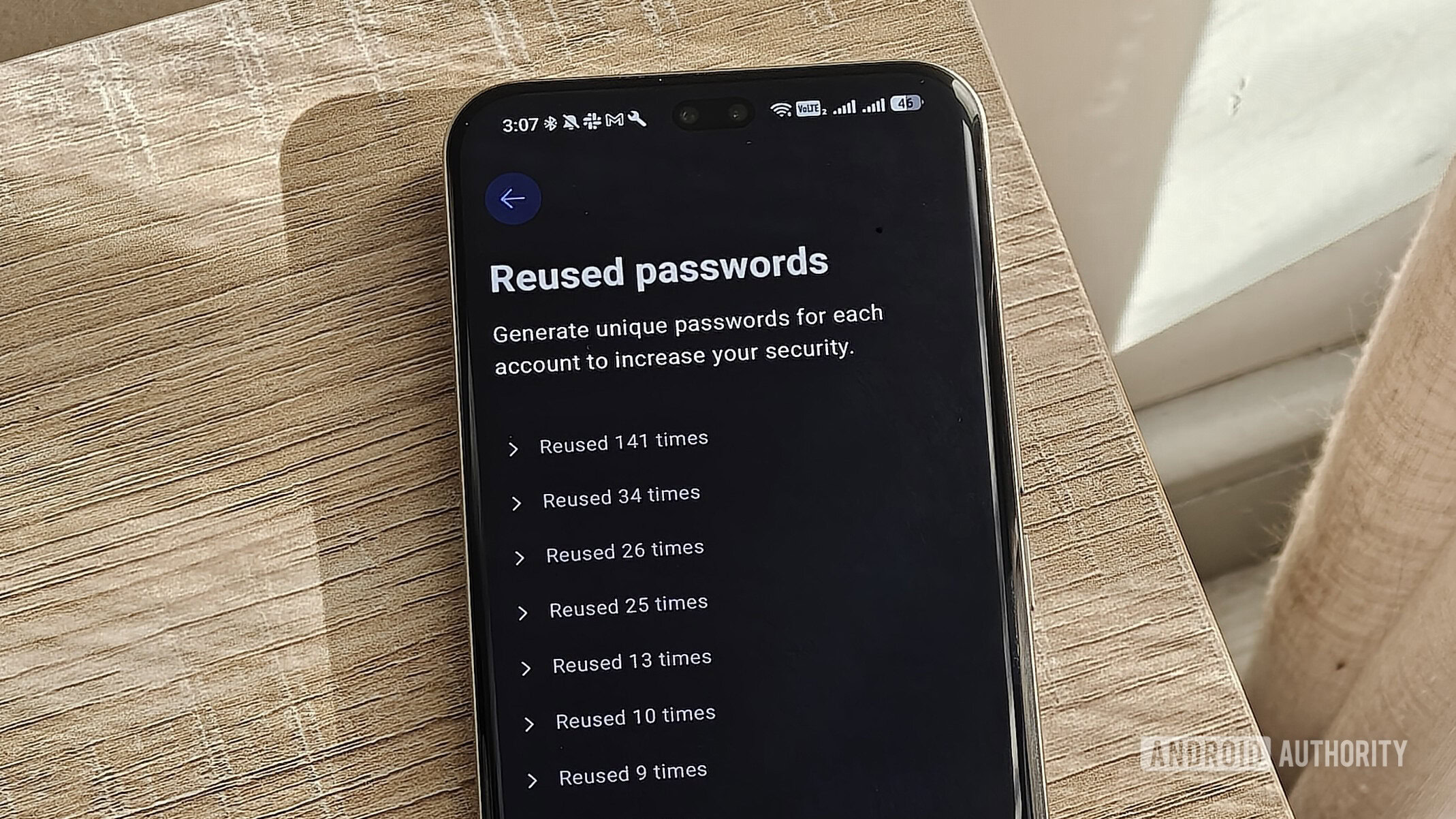
When a critical security alert highlights even a modest number of vulnerable active accounts, it often signals a much broader systemic issue. Standard ecosystem password managers are exceptionally useful for day-to-day operations, but they frequently lack advanced auditing tools required to isolate every instance of a specific, duplicated password across disparate platforms. Specialized security vaults and advanced password manager analytics often reveal the startling reality: a single favored password can easily underpin over a hundred distinct logins accumulated across years of casual internet browsing.
Addressing a massive accumulation of compromised credentials requires a systematic, scorched-earth approach to digital hygiene. When faced with the realization that a historical password is tied to a triple-digit number of accounts, panic must quickly give way to strategic mitigation. The primary objective is to sever the connection between leaked identifiers and active services before malicious actors can execute credential-stuffing attacks.
The remediation process generally begins with leveraging comprehensive password manager dashboards. Tools equipped with vault audit capabilities and security health monitors allow users to pinpoint exact matches across diverse URLs, usernames, and email aliases. Prioritization is critical in this phase. Highly sensitive services—such as secondary email accounts, financial touchpoints, and active community platforms—must be addressed immediately. Following these high-priority targets, users must methodically cycle through lesser-used accounts, replacing vulnerable strings with unique, strong, randomly generated credentials.
A significant hurdle in this cleanup operation involves defunct or abandoned websites. Many services from the early social media era no longer function properly or have shut down entirely, making direct password resets or account deletion impossible. In these scenarios, retaining the login data within a secure vault serves a strategic purpose: it acts as a historical marker, ensuring that if a legacy database surfaces in a future breach, the user immediately recognizes which defunct service was compromised.
Beyond immediate remediation, industry analysts emphasize the broader implications of credential reuse in an era dominated by automated cyber attacks. Credential stuffing—where automated bots test stolen username and password combinations across thousands of popular websites—relies entirely on human habits of password repetition. When a single minor forum or quiz application suffers a data breach, cybercriminals do not just gain access to that specific platform; they unlock a master key capable of breaching financial, professional, and personal accounts elsewhere.
This reality underscores a broader shift in digital safety trends. Modern authentication is rapidly moving away from traditional passwords altogether. The industry-wide push toward passkeys, biometric verification, and hardware security keys aims to eliminate human memory from the authentication equation entirely. Passkeys utilize cryptographic key pairs that are inherently bound to specific devices and domains, rendering traditional phishing and credential-stuffing attacks entirely ineffective.
Furthermore, the incident highlights the vital role of proactive digital auditing. Regularly reviewing security health scores within dedicated password vaults is no longer an optional task for advanced users; it is a fundamental requirement of digital maintenance. As data breaches become an increasingly frequent occurrence in the modern corporate landscape, assuming that enterprise databases are entirely secure is a dangerous gamble.
Ultimately, surviving a massive credential exposure event serves as a powerful reminder of the importance of digital resilience. While the cleanup process can consume significant time and effort, the resulting peace of mind is invaluable. Ensuring that outdated habits no longer threaten contemporary digital lives allows users to navigate the modern web with confidence, knowing that their personal security architecture is fortified against the ghosts of passwords past.
