

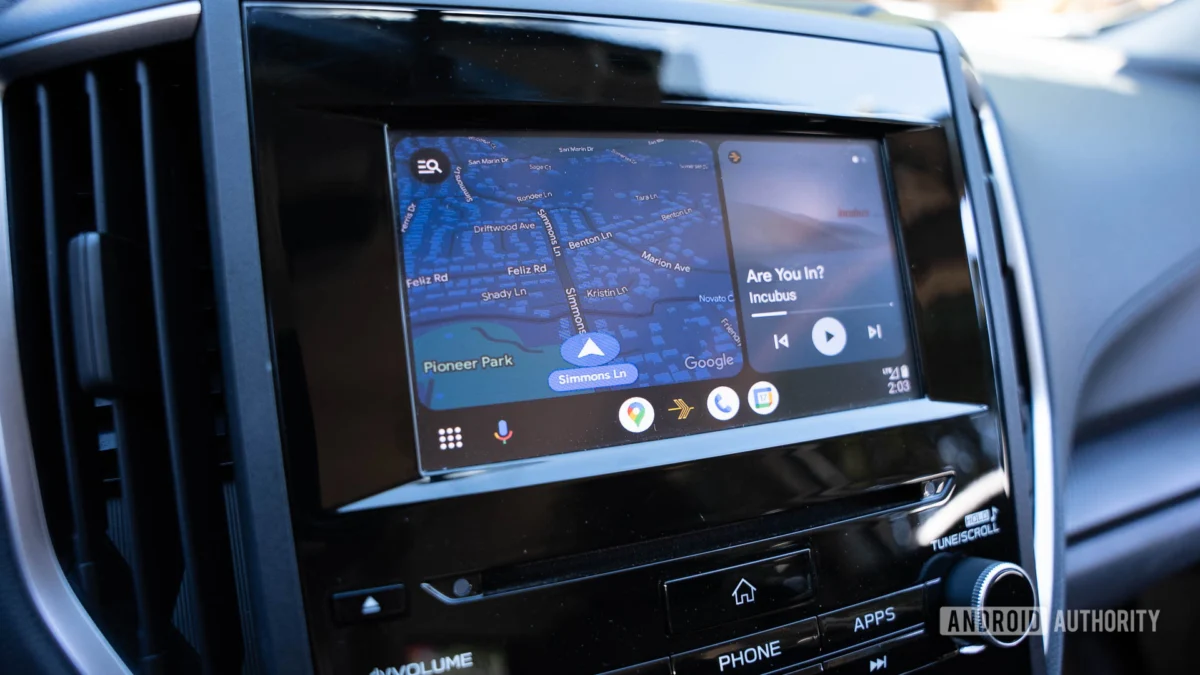
The modern automobile has rapidly transformed from a purely mechanical conveyance into a rolling computational ecosystem. At the heart of this digital transformation sit smartphone projection interfaces like Android Auto and Apple CarPlay, designed to seamlessly bridge the gap between our personal handheld devices and automotive infotainment displays. For millions of daily commuters, these platforms are no longer nice-to-have luxuries; they are mission-critical tools relied upon for navigation, traffic management, and situational awareness. Yet, the complex software architecture required to power these systems often introduces frustrating instability. A glaring testament to this fragility is the recent, puzzling regression affecting Google Maps on Android Auto, where vital driving data—most notably the newly introduced live speedometer, speed limit indicators, and crucial urban road markers—are abruptly vanishing from dashboard screens.
To understand the weight of this technological setback, one must examine the prolonged saga of the live speedometer feature within Google’s navigation portfolio. For years, smartphone users operating Google Maps natively on Android and iOS devices have enjoyed an on-screen readout displaying their real-time vehicular velocity. Apple CarPlay users similarly benefited from this utility once Google Maps was mirrored onto compatible dashboard panels. Bizarrely, however, users tethering their Android smartphones to Android Auto were left out in the cold. Despite overwhelming consumer demand voiced across developer forums, Reddit communities, and automotive feedback channels, Google delayed implementing this straightforward feature for years on the projection platform.
The long-awaited turnaround seemingly began earlier this year when select beta testers noticed the live speedometer rolling out onto Android Auto interfaces. Hailed as a major quality-of-life upgrade, the feature brought parity between native mobile apps and in-car infotainment displays, helping drivers monitor their pace without awkwardly glancing down at their physical instrument clusters or mobile phone screens. But this hard-won triumph has proven tragically short-lived. Recent widespread user reports indicate that the speedometer functionality is actively disappearing from active sessions, leaving blank spaces where critical telemetric data once resided.
Worse still, the regression is not isolated to velocity readouts alone. Disgruntled motorists taking to online support hubs report a cascading failure of multiple visual aids. Alongside the missing speedometer, the integrated speed limit indicator—an invaluable safety mechanism designed to keep drivers informed of local regulatory caps—has also evaporated. Compounding the frustration, auxiliary visual cues such as roadside stop signs and traffic light markers are intermittently or permanently failing to render on the digital map. In a context where split-second decisions dictate road safety, the sudden stripping of these interface elements represents a profound step backward for user experience and defensive driving practices.
This hardware-software integration breakdown occurs against a broader backdrop of platform instability. Simultaneously, drivers utilizing Waze—another premier navigational property owned by Google—have encountered persistent software bugs that obscure active journey information, compress interface layouts, and disrupt full-screen projection capabilities. When multiple primary navigation apps suffer simultaneous performance degradation on the exact same operating framework, it signals deeper systemic vulnerabilities within the software pipeline powering Android Auto.
Industry analysts point toward the inherent complexities of maintaining a fragmented ecosystem as a primary culprit for these recurring anomalies. Android Auto is not a standalone operating system running locally on the vehicle’s head unit; rather, it is a complex projection protocol that relies on continuous, real-time data streaming between a host smartphone and an external automotive display. Variations in smartphone chipsets, custom manufacturer user interfaces, disparate display resolutions, and frequent backend cloud updates create an astronomical number of variables. When Google pushes a server-side adjustment or a client-side update to Maps, ensuring seamless compatibility across thousands of distinct vehicle models and mobile hardware configurations becomes an uphill battle for software engineers.
Furthermore, the accelerated release cycles demanded by modern tech conglomerates often prioritize feature rollout speed over exhaustive end-to-end regression testing. In the race to match competitor offerings or satisfy quarterly roadmap milestones, features are frequently pushed to production environments before fully stabilizing within edge-case driving environments. When a bug bypasses internal testing phases and hits millions of active vehicles, the consequences ripple outward, eroding consumer trust and introducing unnecessary cognitive distractions for drivers who must suddenly cope with unpredictable interface layouts while navigating high-speed traffic.
The implications of these recurring software glitches extend far beyond minor user inconvenience. Modern automotive regulatory bodies and safety advocates increasingly scrutinize infotainment systems for their potential to induce driver distraction. When a core feature like a speedometer abruptly vanishes, drivers may instinctively spend excessive time interacting with touchscreens, hunting through settings menus, or glancing at their mobile phones to retrieve information that should be readily available on the dashboard. This involuntary distraction elevates the risk of traffic incidents, transforming a digital software bug into a tangible physical hazard.
As the industry marches toward increasingly autonomous and software-defined vehicles, the reliance on stable, dependable cloud-connected dashboards will only intensify. Automakers and tech giants are investing billions of dollars into creating immersive, unified digital cockpits where maps, media, and vehicle diagnostics merge into a single seamless interface. However, the current instability plaguing Android Auto underscores a sobering reality: foundational software reliability must precede flashy feature expansion. If tech giants cannot maintain basic functionalities like a live speedometer without unexpected regressions, consumer confidence in advanced digital cockpits will inevitably waver.
At the time of this writing, Google has remained tight-lipped regarding the exact root cause behind this feature disappearance, and an official patch has yet to be widely deployed. Affected users are left navigating a patchwork of temporary workarounds, such as clearing app caches, reinstalling mobile updates, or rolling back to older application versions—solutions that rarely yield consistent or permanent results.
Ultimately, this episode serves as a cautionary tale for the trajectory of connected automotive software. As digital interfaces take over traditional mechanical dashboards, users rightfully expect the same level of permanence and reliability from their infotainment systems that they demand from their vehicle’s brakes or steering columns. Until technology developers implement more rigorous deployment safeguards and transparent communication channels for known bugs, drivers will continue to ride a turbulent wave of software updates where eagerly anticipated features arrive with great fanfare, only to vanish into the digital ether without warning.
