

The smartphone industry has reached a plateau of incrementalism. Every spring, the ritual repeats: industry leaders announce a new flagship, touting refined chipsets and marginal camera gains, only for the consumer to feel a sense of déjà vu. The Samsung Galaxy S26 Ultra is the current poster child for this phenomenon. While it remains a masterclass in polish and industrial design, it struggles to justify its premium $1,300 price point when measured against the shifting landscape of high-end mobile technology. When placed side-by-side with the OPPO Find X9 Pro—a device that debuted in 2025—the S26 Ultra’s limitations become glaringly obvious. The reality is that Samsung is no longer defining the ceiling of what an Android phone can be; it is simply maintaining a very comfortable, yet stagnant, status quo.
The Erosion of the Premium Value Proposition
For years, the "Ultra" moniker signified an uncompromised experience. However, the S26 Ultra feels less like a leap forward and more like a safe iteration. While the introduction of the Privacy Display is a genuinely welcome addition—offering a layer of security that should arguably become an industry standard for all premium handhelds—it acts as a solitary island of innovation in a sea of familiarity. When you pay a premium price for a flagship, you are paying for more than just a screen; you are paying for a device that should redefine your expectations of what a smartphone can achieve.
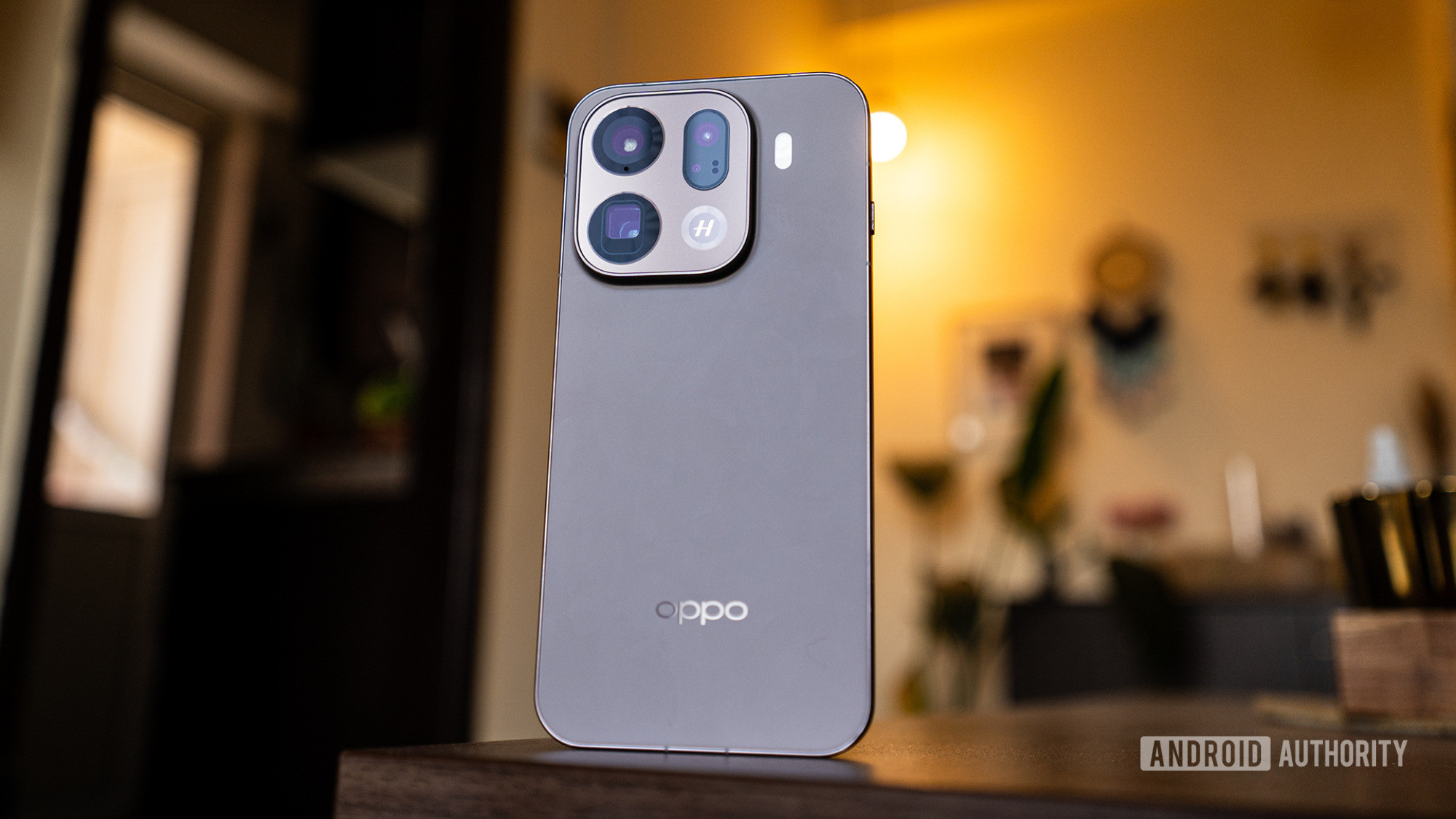
In contrast, the OPPO Find X9 Pro doesn’t just compete on paper; it excels in the practical, daily realities of mobile usage. The divergence between these two devices highlights a growing trend in the mobile market: legacy giants are becoming risk-averse, while manufacturers like OPPO are leaning into hardware breakthroughs that fundamentally improve the user experience, rather than just adding another layer of software features.
Mastering the Photographic Narrative
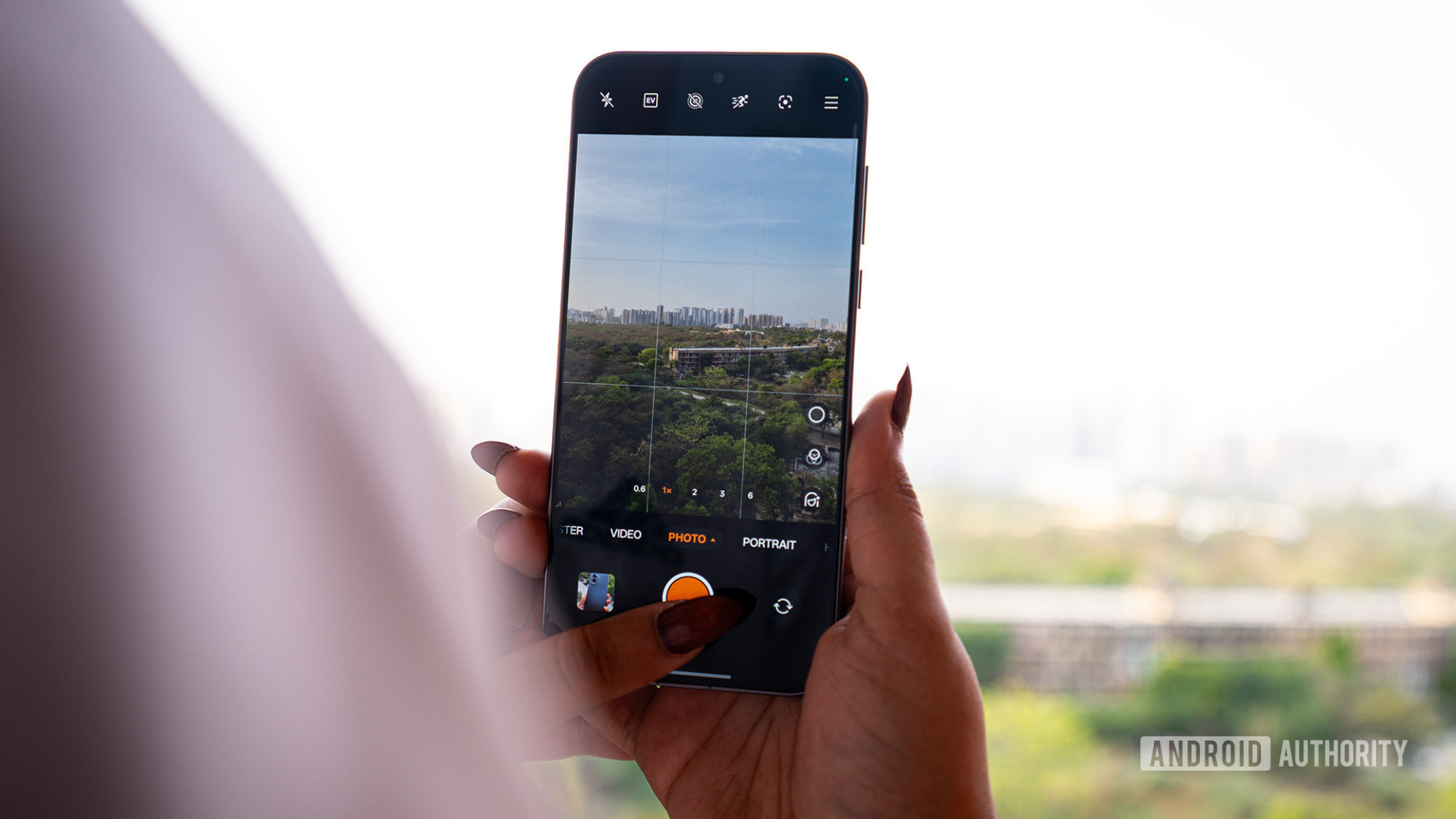
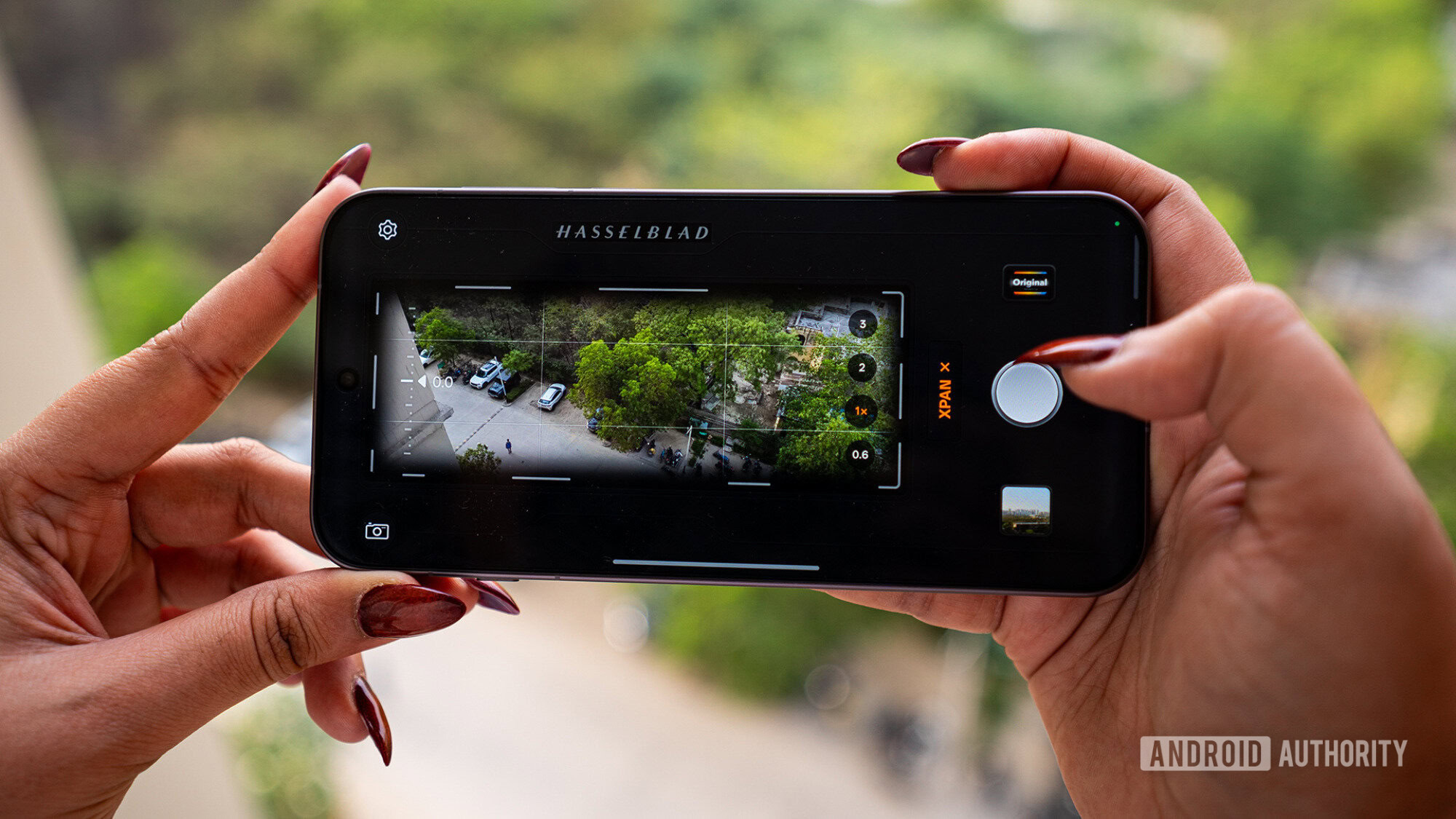
The camera system remains the primary battlefield for flagship dominance, and here, the OPPO Find X9 Pro demonstrates a level of maturity that is frankly difficult for the S26 Ultra to match. With its 50MP primary sensor, a staggering 200MP periscope telephoto lens capable of 3x optical zoom, and a 50MP ultra-wide unit, the Find X9 Pro is a powerhouse of optics.
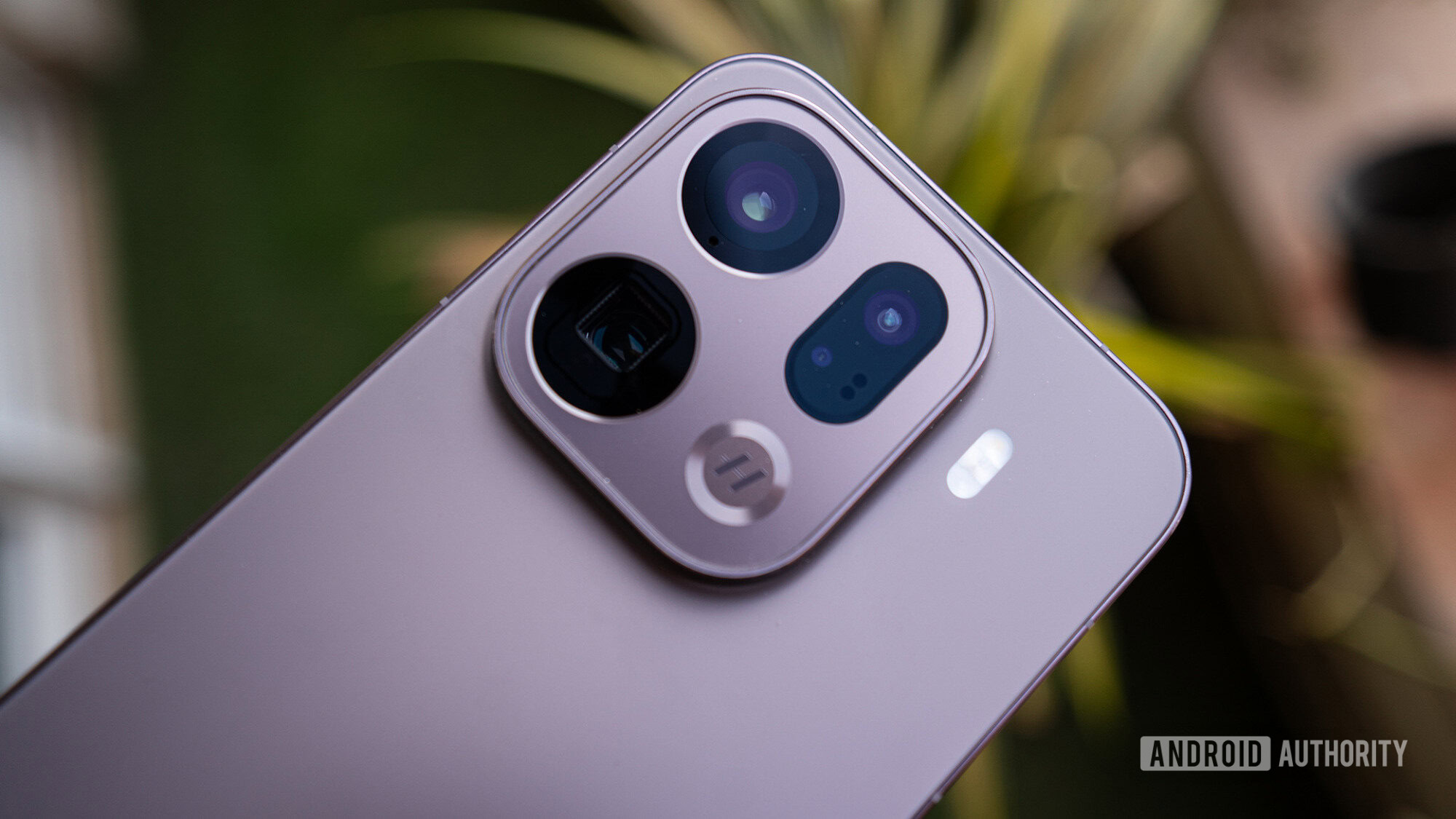
What separates the Find X9 Pro from the competition is its collaboration with Hasselblad. This isn’t merely a branding exercise; the color science and post-processing algorithms produce images that feel organic and cinematic rather than the hyper-sharpened, overly-processed aesthetic that often plagues Samsung’s computational photography. During extensive field testing, the consistency of the OPPO’s output proved superior. Whether shooting under the harsh glare of a beachside sun or in the complex lighting of a professional studio, the device maintains a predictable, reliable performance.
This reliability is the silent hero of mobile photography. While the S26 Ultra often struggles with shutter lag and erratic dynamic range, leading to missed shots in dynamic environments, the Find X9 Pro provides a "what you see is what you get" experience. The 70mm focal length on the telephoto lens is a sweet spot for portraiture, delivering natural compression and bokeh that rivals dedicated mirrorless cameras. Furthermore, the 120x digital zoom remains surprisingly functional—a testament to OPPO’s sophisticated AI upscaling, which manages to retain texture where other devices dissolve into a pixelated mess.
Performance: The New Efficiency Standard
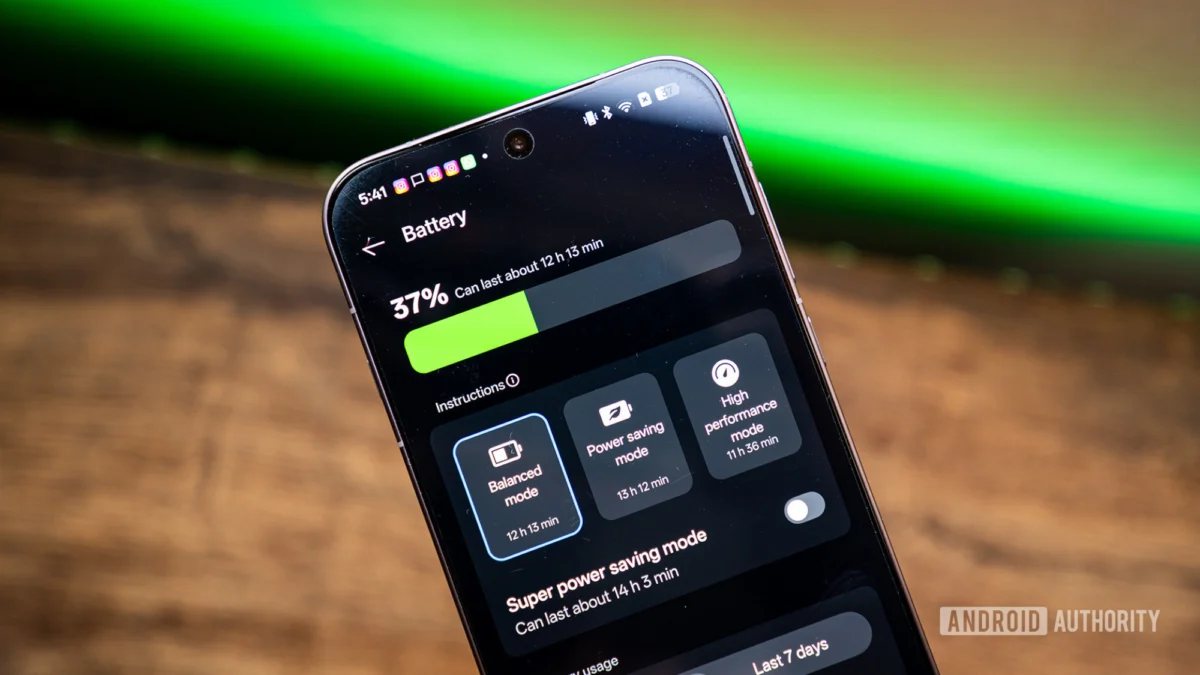
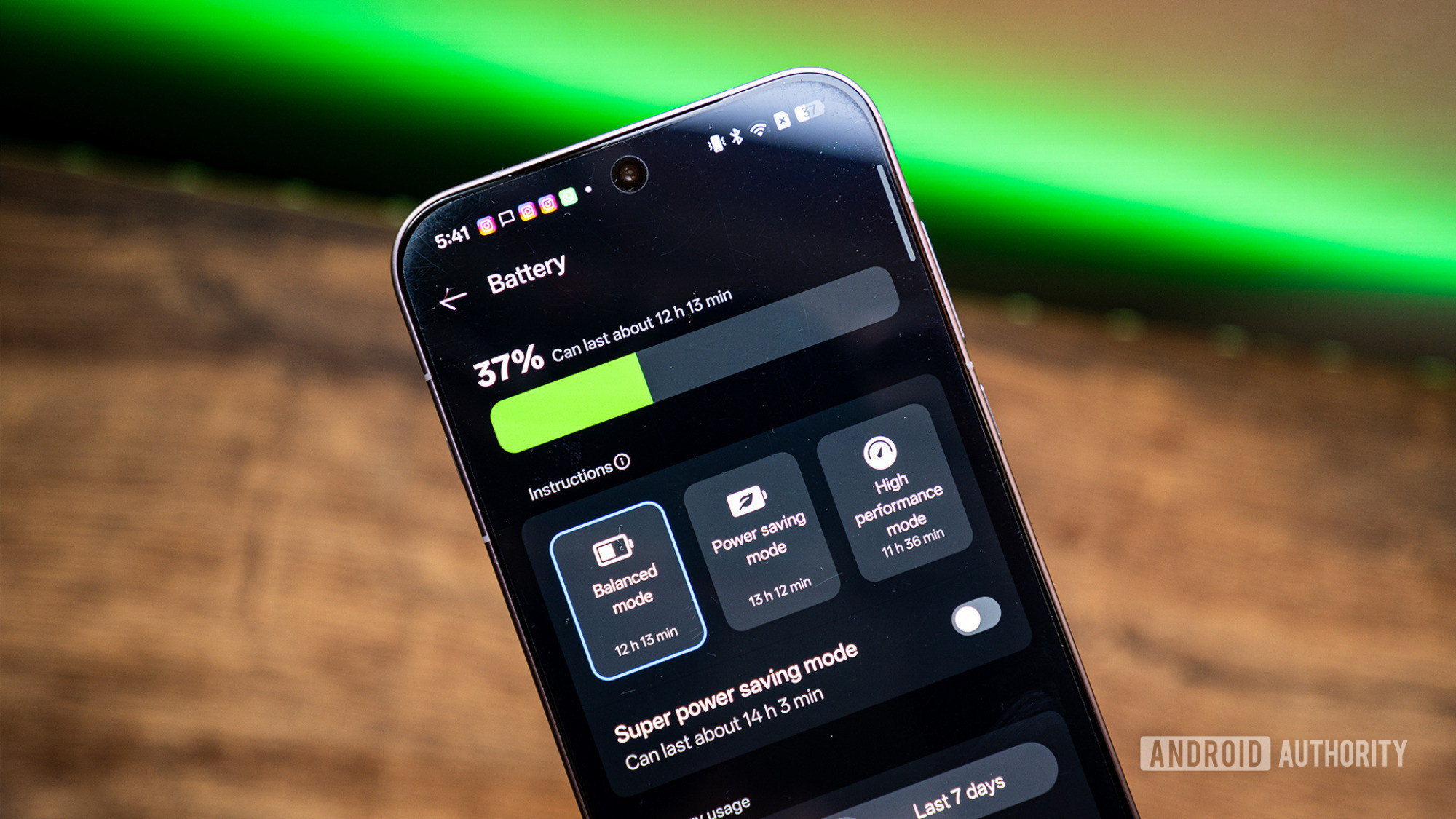
Perhaps the most significant indictment of the current flagship status quo is the battery and thermal management divide. The OPPO Find X9 Pro utilizes a massive 7,500mAh power cell, a capacity that effectively eliminates "battery anxiety" from the user experience. Achieving nearly two days of heavy, professional-grade usage is not just a perk; it is a necessity for a device marketed at this price tier.
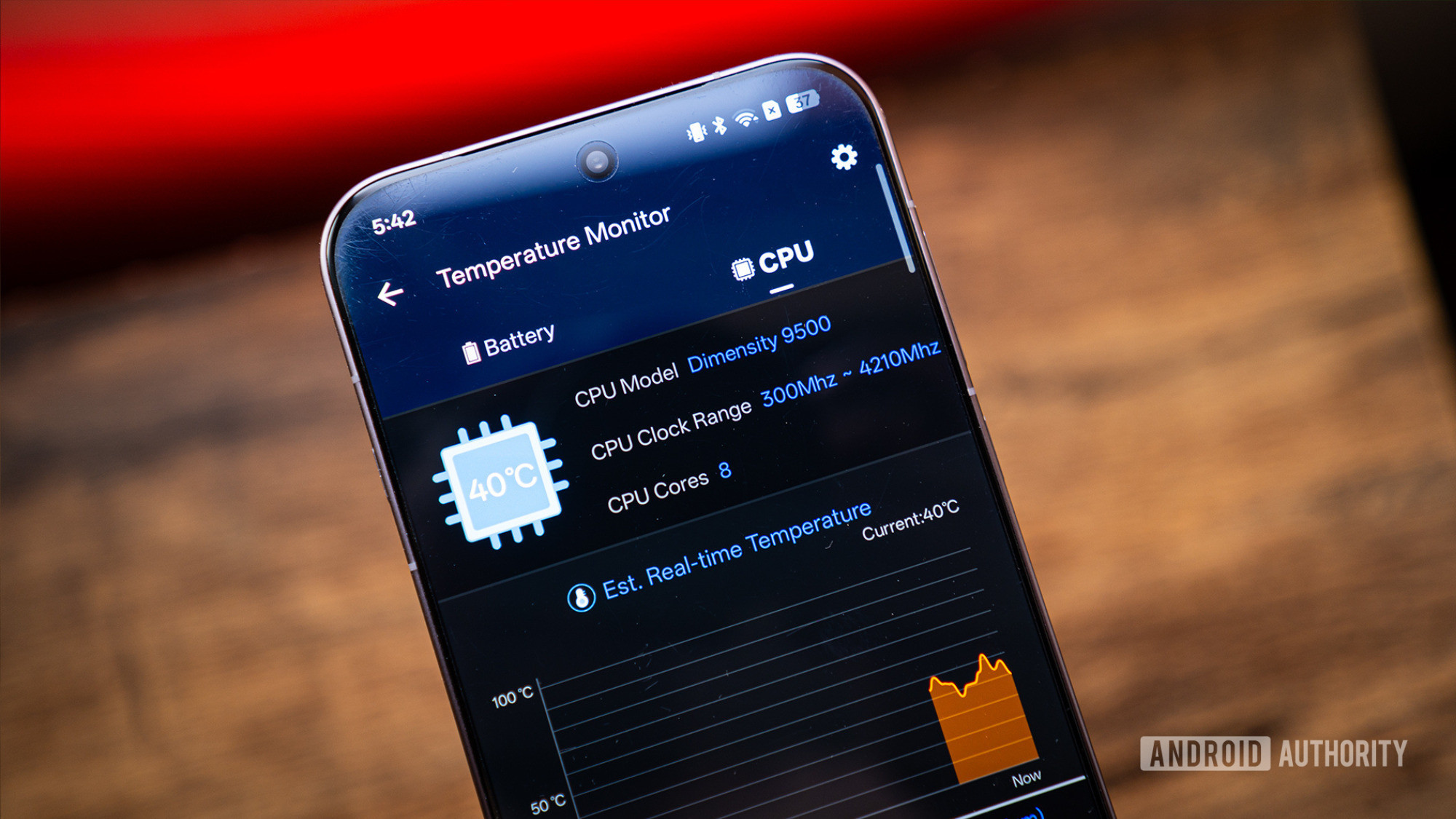
Conversely, Samsung’s persistence with a 5,000mAh battery—a capacity that has remained stagnant since the S20 Ultra era—feels increasingly like a bottleneck. This hardware limitation restricts the device’s potential for true power-user performance. In our testing, the Find X9 Pro remained cool under pressure, whether running intensive gaming sessions like Call of Duty: Mobile or exporting high-bitrate video projects. The MediaTek Dimensity 9500 chipset, paired with OPPO’s thermal engineering, proves that superior performance does not have to come at the cost of overheating or aggressive thermal throttling.
The Software Dilemma and Long-Term Viability
It is only fair to address where the S26 Ultra maintains its lead. Samsung’s One UI remains the industry benchmark for software depth, feature richness, and ecosystem integration. Galaxy AI, while still maturing, offers a suite of tools that have become deeply embedded in the workflows of many professionals. Furthermore, Samsung’s commitment to extended software support ensures that the S26 Ultra will remain secure and functional long after the Find X9 Pro might begin to lose relevance.
OPPO’s ColorOS, while visually polished, does suffer from a lack of identity. Its heavy reliance on iOS-inspired design cues can feel somewhat derivative, and it lacks the sheer depth of customization that Samsung offers. For the user who values software ecosystem integration above raw hardware capability, Samsung remains the safer, more logical choice.
Industry Implications: The End of the "Safe" Flagship Era
The rise of devices like the OPPO Find X9 Pro signals a significant shift in consumer behavior. The "brand loyalty" tax is becoming harder to justify as hardware-first manufacturers continue to prove that they can deliver superior optical, thermal, and battery performance at a more accessible price point. The industry is currently witnessing the "commoditization of high-end," where the gap between a $1,300 flagship and a $900 powerhouse is closing rapidly.
If Samsung—and other legacy manufacturers—wish to maintain their dominance, they must move beyond the current strategy of incremental refinement. The market is no longer impressed by higher megapixel counts alone; it is looking for reliability, efficient power management, and hardware that works in harmony with the user’s intent rather than fighting against it.
The Samsung Galaxy S26 Ultra is undeniably a top-tier device, but it exists in a vacuum of its own design. It is a refinement of the past, whereas the OPPO Find X9 Pro feels like a bridge to the future. As we look toward the next generation of mobile devices, the question for consumers is no longer "what does this phone do?" but rather "how does this phone fit into my life without compromise?" For many, the answer to that question is currently coming from outside the traditional flagship bubble. The Find X9 Pro has set a high bar, and for Samsung to regain its position as the undisputed leader, it must stop resting on its laurels and start innovating with the same intensity that made the "Ultra" brand a household name in the first place.
