

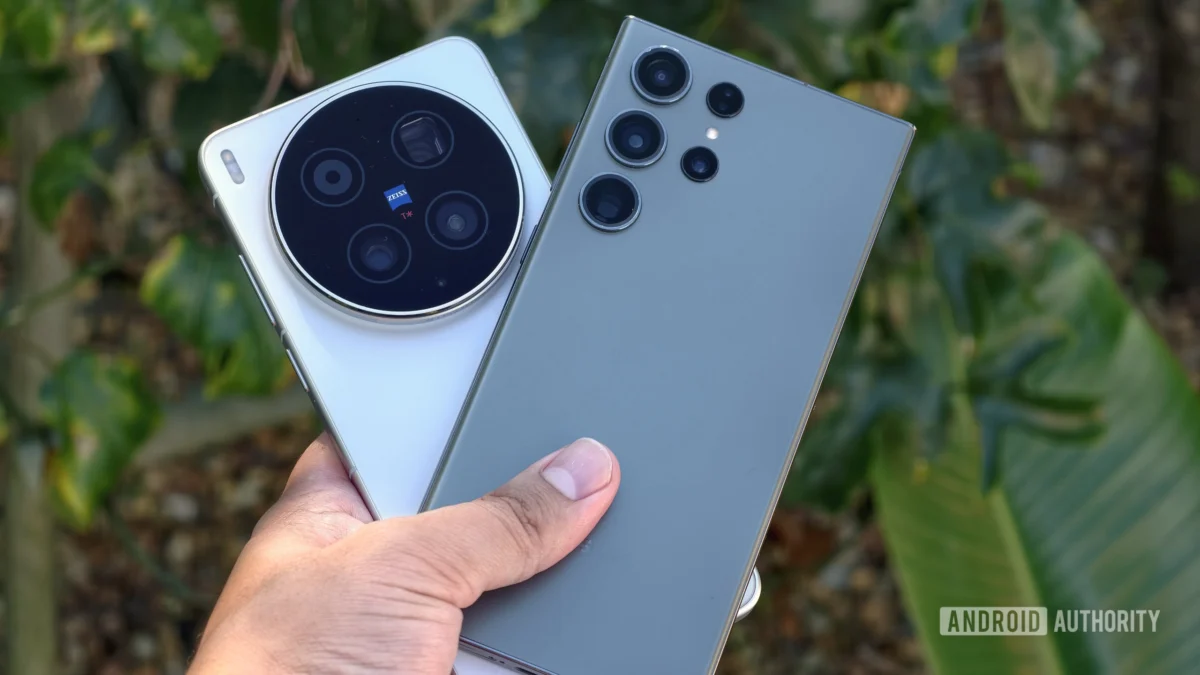
The quest for higher megapixel counts in mobile photography has long been a polarizing topic among tech enthusiasts and industry analysts. For years, the prevailing wisdom suggested that cramming more pixels onto a tiny smartphone sensor was a fool’s errand, leading to increased noise and diminished dynamic range. When the industry first pivoted toward 200MP sensors, the results were often underwhelming—spectacular on a spec sheet, but inconsistent in real-world application. However, a significant technological shift has occurred. With the arrival of the latest hardware, most notably the vivo X300 Ultra and its integration of Sony’s LYT-901 sensor, we are witnessing a maturation of high-resolution mobile imaging that finally bridges the gap between marketing hype and tangible performance.
A New Era of Sensor Architecture
To understand why these newer 200MP systems are outperforming their predecessors, we must look at the underlying hardware architecture. The Samsung Galaxy S23 Ultra, which introduced the industry to 200MP mobile imaging, utilized the ISOCELL HP2 sensor. At the time, it was an engineering marvel, featuring a 1/1.3-inch footprint with 0.6-micron pixels. It relied heavily on 16-in-one pixel binning to deliver 12.5MP images that were clean, vibrant, and highly processed. While effective, the full-resolution 200MP mode often felt like a secondary feature, reserved for bright daylight and specific use cases where the lack of advanced multi-frame processing at that resolution became apparent.
Contrast this with the vivo X300 Ultra, which leverages Sony’s LYT-901. This sensor represents a meaningful step forward in physical dimensions, pushing the boundaries to a 1/1.12-inch size. In the world of optics, surface area is king; by increasing the physical footprint, the sensor captures more light, naturally reducing noise without relying solely on aggressive computational noise reduction. Furthermore, the 0.7-micron pixels provide a superior foundation for light gathering. When combined with modern all-pixel autofocus and dual-conversion gain (DCG) HDR, the LYT-901 proves that the "megapixel war" has evolved from a race for quantity to a pursuit of quality.
The Real-World Performance Gap
In side-by-side testing, the divergence between early-generation 200MP sensors and current flagship implementations is striking. When shooting in challenging, high-contrast backlit scenarios, the limitations of older systems become clear. The S23 Ultra, while capable, often exhibits a stark disparity between its standard 12.5MP pixel-binned output and its full-resolution 200MP files. The 200MP shots frequently suffer from blown-out highlights and, more critically, grid-like artifacts that appear when cropping into the image—a byproduct of the sensor’s demosaicing challenges and the heavy-handed processing applied to bridge the data gap.
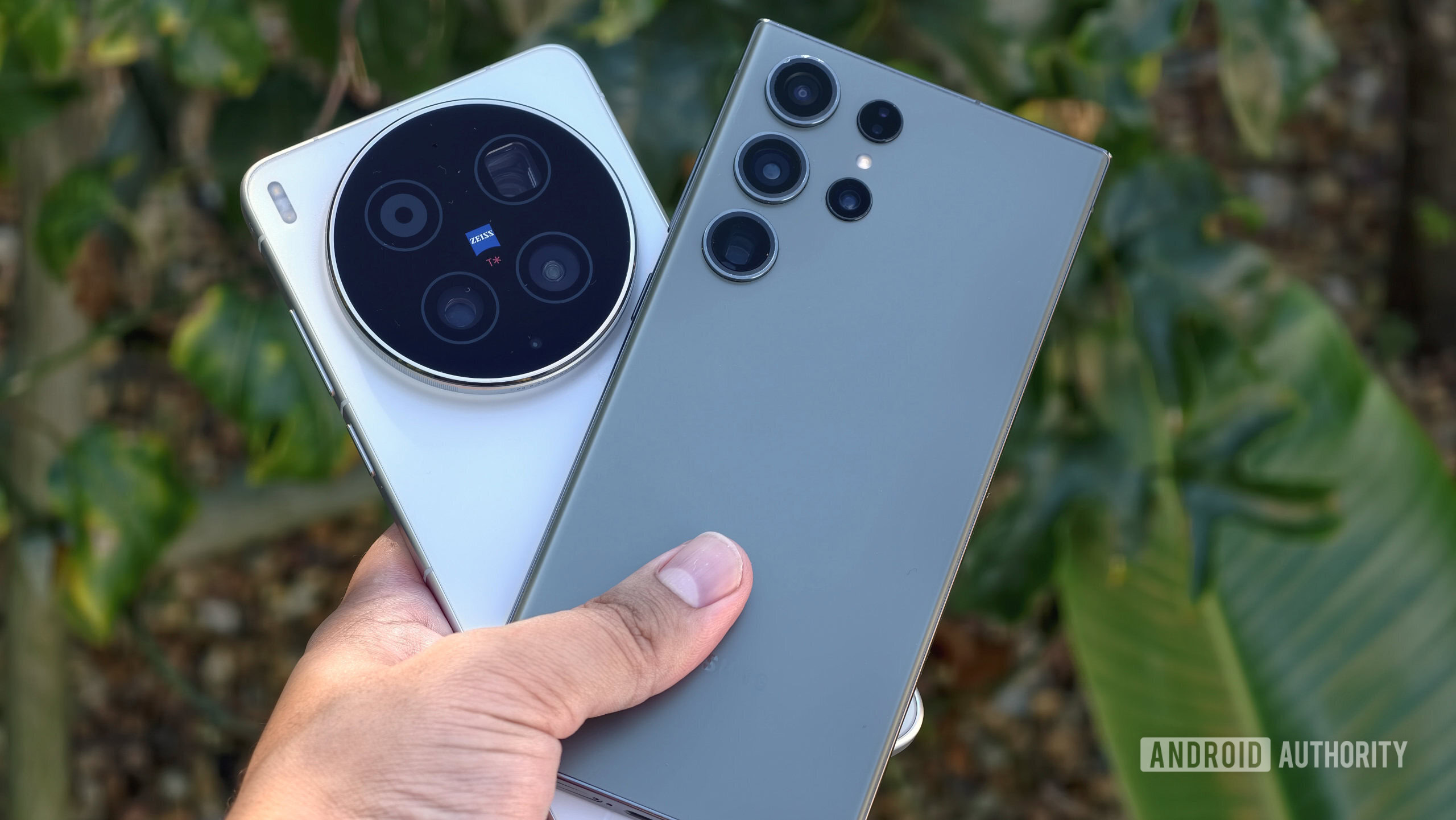
Conversely, the X300 Ultra demonstrates a more cohesive image pipeline. The transition between pixel-binned and full-resolution shooting is significantly more fluid. In high-resolution mode, the vivo handset manages to maintain color accuracy and highlight detail that was previously sacrificed in the name of resolution. By employing more sophisticated multi-frame processing algorithms, current hardware can now perform real-time HDR calculations even when outputting the full 200MP array. This allows the camera to handle extreme lighting conditions without the "splotchy" artifacts that plagued earlier high-resolution smartphone photography.
Focal Length and Perspective
A crucial, yet often overlooked, factor in this shootout is the choice of focal length. The industry standard has long been 24mm (equivalent), a wide field of view that is excellent for general shooting but can lead to distortion in portraits or architectural photography. The vivo X300 Ultra’s decision to adopt a 35mm focal length for its primary shooter changes the photographic experience entirely.
While 35mm is a narrower field of view, it offers a more natural perspective that mimics the human eye, often resulting in less geometric distortion at the edges of the frame. This shift, combined with the superior resolution of the 200MP sensor, creates a more versatile tool. Photographers can shoot at 35mm for standard compositions and use the high-resolution sensor to crop into a 50mm or even 70mm equivalent frame, effectively gaining a "zoom" capability that retains immense detail. This is a level of utility that was simply not possible when 200MP sensors were tethered to the constraints of older, smaller, and less efficient hardware.
The Role of Computational Photography
Hardware is only half the story. The true "hype" of 200MP imaging was always contingent on the processing power of modern mobile chipsets. Today’s flagship processors have evolved to handle the immense data throughput required to process 200 million pixels in milliseconds. Multi-frame image processing—the act of snapping several images at different exposures and merging them—can now be performed at the full 200MP resolution.
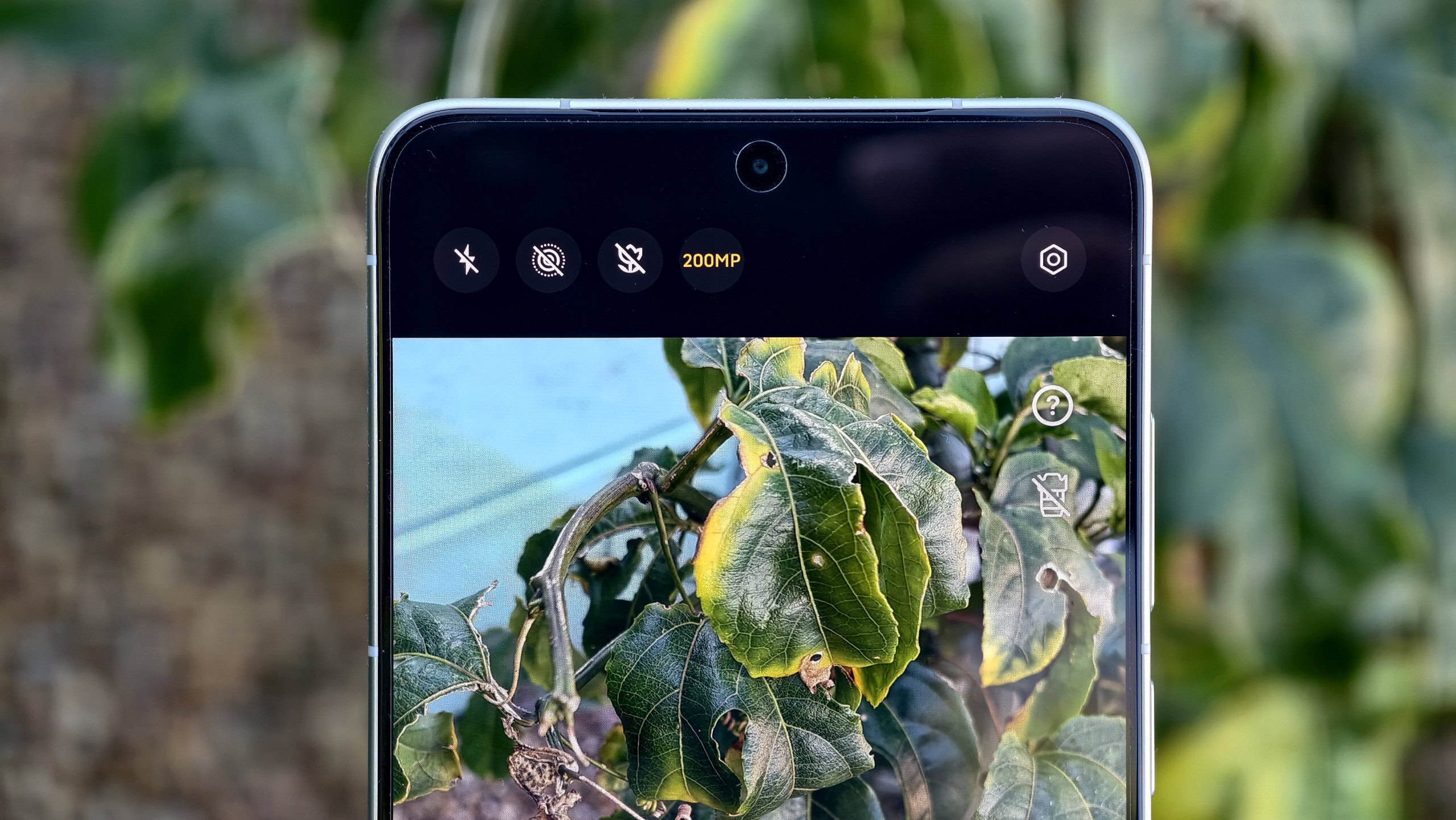
This technological leap enables features like 200MP Night Mode, which was previously considered a technical impossibility. In low-light environments, the vivo X300 Ultra manages to retain sharp textures, such as the intricate detail of animal fur, whereas the S23 Ultra tends to render these surfaces as smoothed-out, noisy smears. Furthermore, the use of advanced lens coatings, such as the ZEISS optics found in the vivo handset, minimizes lens flare and ghosting—a common pitfall when capturing complex light sources in a market or city setting.
Future Implications for the Industry
The success of this new generation of 200MP sensors signals a shift in mobile photography trends. As we move into the next few years, we can expect the "megapixel count" to stop being a marketing gimmick and start being a standard expectation for flagship performance. If manufacturers can continue to increase sensor size while improving the computational efficiency of their image signal processors (ISPs), the need for dedicated telephoto sensors may actually decrease. If a 200MP main camera can provide lossless-quality crops at 3x or 4x zoom, the architectural complexity of smartphone camera arrays—which often include four or five lenses—could be simplified.
However, challenges remain. File sizes at 200MP are massive, putting pressure on storage capacity and cloud bandwidth. Furthermore, the processing of these images requires significant battery energy, which can impact the thermal performance of a device. The next frontier for manufacturers like Samsung, vivo, and OPPO will be optimizing the storage of these files—perhaps moving toward more efficient formats like HEIF or advanced AI-driven compression that retains detail while shrinking file footprints.
Conclusion: The Hype is Validated
After years of skepticism, the data is conclusive: 200MP sensors are finally delivering on their promise. The transition from the ISOCELL HP2 era to the Sony LYT-901 era represents a fundamental improvement in how smartphones capture and interpret light. We have moved past the era of "pixel counting" and into an era of "pixel utility," where the massive resolution serves as a foundation for HDR, zoom flexibility, and superior low-light performance.

For the average user, this means the freedom to crop, edit, and reframe photos without losing the crispness of a professional camera. For the industry, it means that the 200MP milestone was not an end, but a beginning. As processing power continues to scale and sensor technologies like those in the X300 Ultra become more widespread, the high-resolution smartphone camera will likely become the definitive tool for both casual hobbyists and serious mobile photographers, effectively closing the performance gap with dedicated point-and-shoot cameras once and for all. The hype, it turns out, was merely waiting for the hardware to catch up.
