

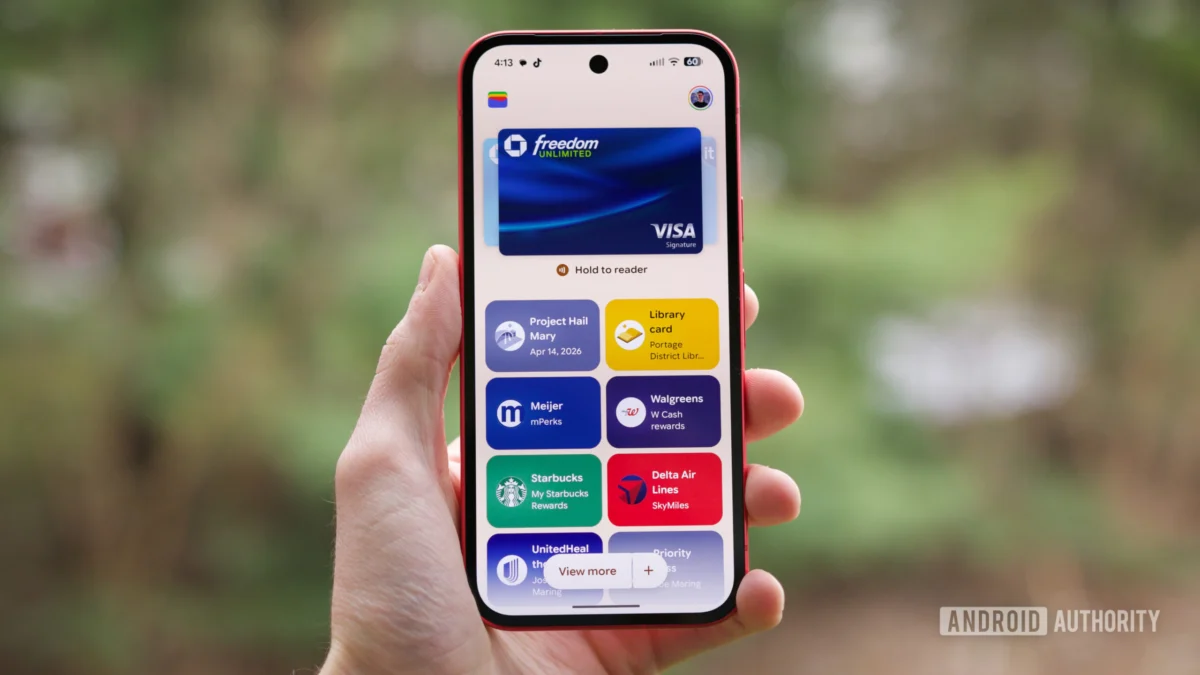
In the modern smartphone ecosystem, users are often tethered to a handful of "anchor" applications—the digital utilities that define our daily productivity and organization. For many, this includes the ubiquitous presence of Google Calendar for scheduling, the infinite repository of memories in Google Photos, or the navigational certainty provided by Maps. Yet, as our physical and digital lives continue to blur, a quiet revolution has taken place within the architecture of our mobile devices. While I once viewed it as a redundant secondary tool, Google Wallet has effectively transitioned into the single most indispensable application on my handset. It is no longer merely a conduit for contactless payments; it has evolved into a comprehensive command center for personal identity, travel, and logistics.
The Trajectory of Trust: From Skepticism to Reliance
My journey with digital payments began with a significant degree of hesitation. When I relocated to France in 2021, the regional banking infrastructure was not yet fully aligned with the promise of mobile NFC technology. At the time, the concept of relying entirely on a smartphone to execute financial transactions seemed not only risky but unnecessary. There was a tactile comfort in carrying a physical leather wallet, a sense of security derived from having a tangible backup. During those early months, I harbored a deep-seated skepticism regarding mobile-first finance, often questioning the necessity of an NFC chip in a phone when a plastic card sufficed.
The catalyst for change was not a single technological breakthrough, but rather the cumulative experience of international travel. Observing the seamless integration of contactless payments in countries like Slovenia acted as a watershed moment. The transition from fumbling for a physical wallet in a crowded backpack to simply tapping my phone against a terminal was transformative. The safety benefits were immediate: in unfamiliar urban environments, the ability to keep my primary belongings secured and out of sight significantly reduced anxiety.
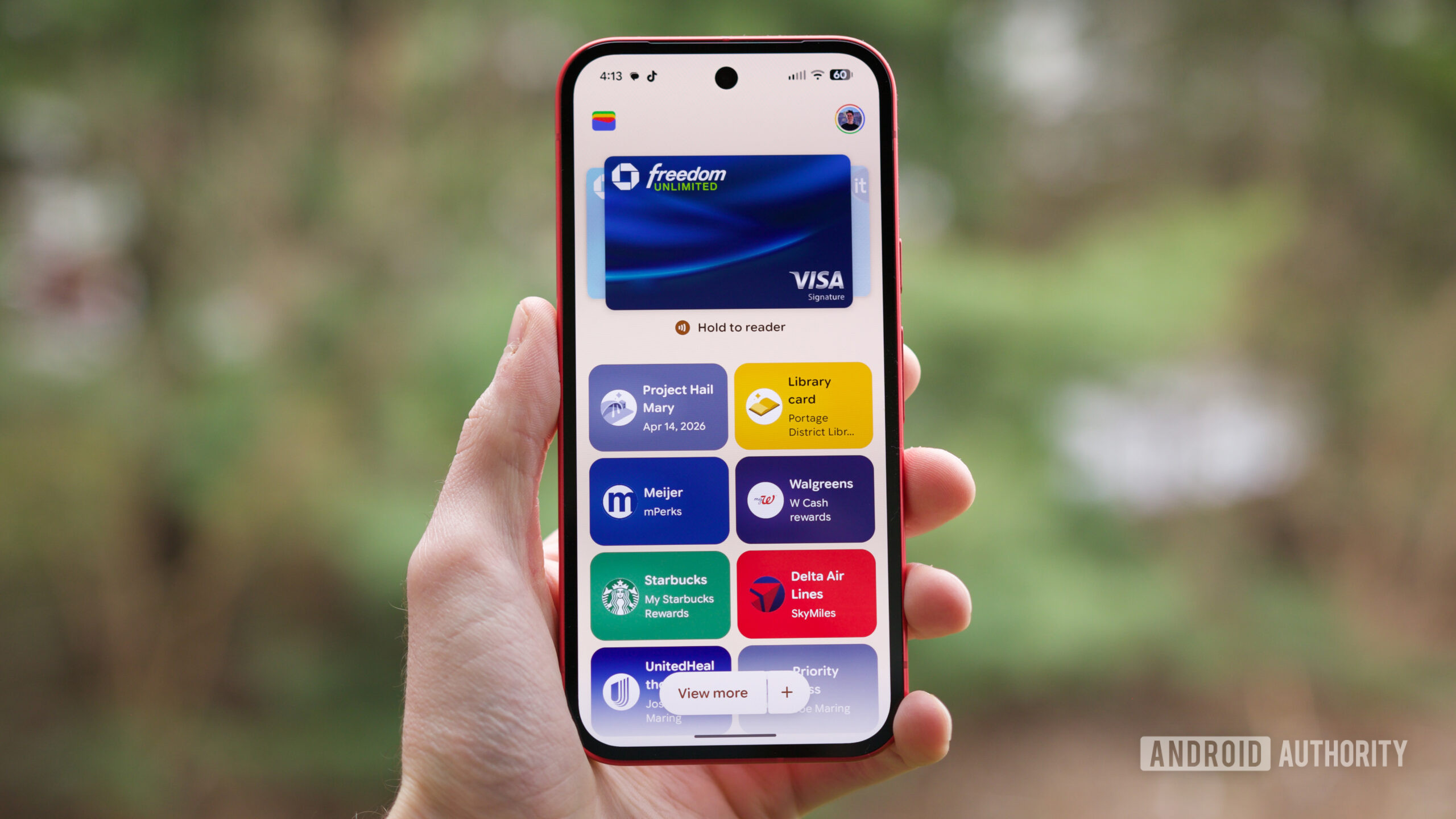
Furthermore, the secondary utility of real-time transaction tracking proved to be a quiet game-changer. Rather than navigating the often-clunky, high-security interfaces of traditional banking apps, Google Wallet provided an immediate, clean, and chronologically ordered ledger of my spending. This simplified the process of daily expense management, turning a tedious chore into a frictionless glance at my device.
Collaborative Finance and Logistical Efficiency
Beyond the solo experience, Google Wallet has addressed a common domestic pain point: the management of shared household resources. In a modern partnership, the logistics of "who carries which card" can lead to unnecessary friction. Whether it is a meal card provided by an employer, a shared credit line for groceries, or a specialized travel card, the traditional model of passing physical plastic between people is antiquated.
By provisioning these shared accounts across multiple devices within the Google Wallet ecosystem, my husband and I have eliminated the "logistical dance" of card-swapping. We no longer need to coordinate the physical location of a specific payment method before leaving the house. This shift toward digital shared-access isn’t just about convenience; it represents a fundamental change in how households manage their collective finances. It is a level of synchronization that was previously impossible without the risk of losing or forgetting physical assets.
The Rise of Universal Ticket Aggregation
One of the most profound, yet under-discussed, features of the current Google Wallet iteration is its capacity to function as a universal ticket aggregator. The platform’s ability to ingest, parse, and store QR codes and barcodes from virtually any source—even those that do not natively support direct "Add to Wallet" functionality—is a feat of impressive engineering.
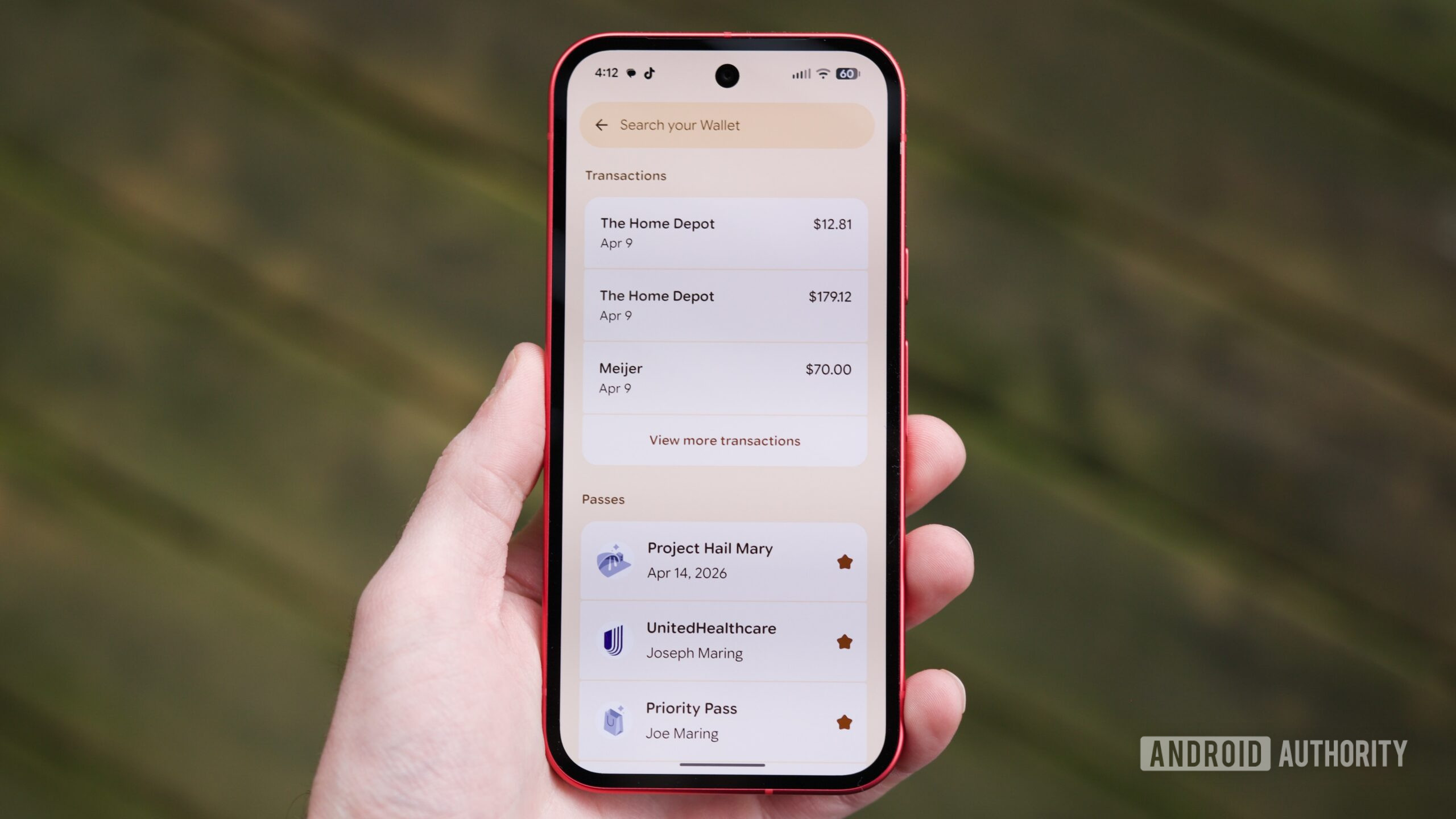
By utilizing the "Everything else" menu, I have successfully migrated concert tickets, museum passes, and regional tour confirmations into a single, cohesive dashboard. The application’s internal parser is remarkably adept at extracting critical metadata, such as seat assignments, event times, and entry gates, which are then presented in a clear, actionable format. This utility effectively kills the need for "ticket clutter"—the messy accumulation of PDF files and confirmation emails that often result in panic-induced scrolling when standing in a queue.
Industry-wide, this indicates a shift toward a "super-app" philosophy for mobile wallets. As consumers demand less friction, service providers are moving toward standardized digital pass formats. The implications for the ticketing industry are significant: when a platform like Google Wallet can provide real-time updates—such as dynamic gate changes, event delays, or even terminal guidance—it provides a value-add that static paper tickets can never match.
Expert Analysis: The Future of the Digital Identity Vault
Looking ahead, Google Wallet is clearly positioning itself as more than a financial tool; it is becoming a secure vault for identity. We are already seeing the integration of transit passes, loyalty cards, and medical insurance credentials. The trajectory suggests that in the near future, state-issued IDs, driver’s licenses, and secure building access credentials will be the norm rather than the exception.
From an industry perspective, the security model is the most critical component. Google’s implementation of tokenization—whereby actual card numbers are never shared with merchants—has set a standard that has forced the broader financial sector to modernize its approach to security. By offloading the authentication process to the device’s secure enclave, the company has mitigated many of the risks that previously made users wary of mobile payments.
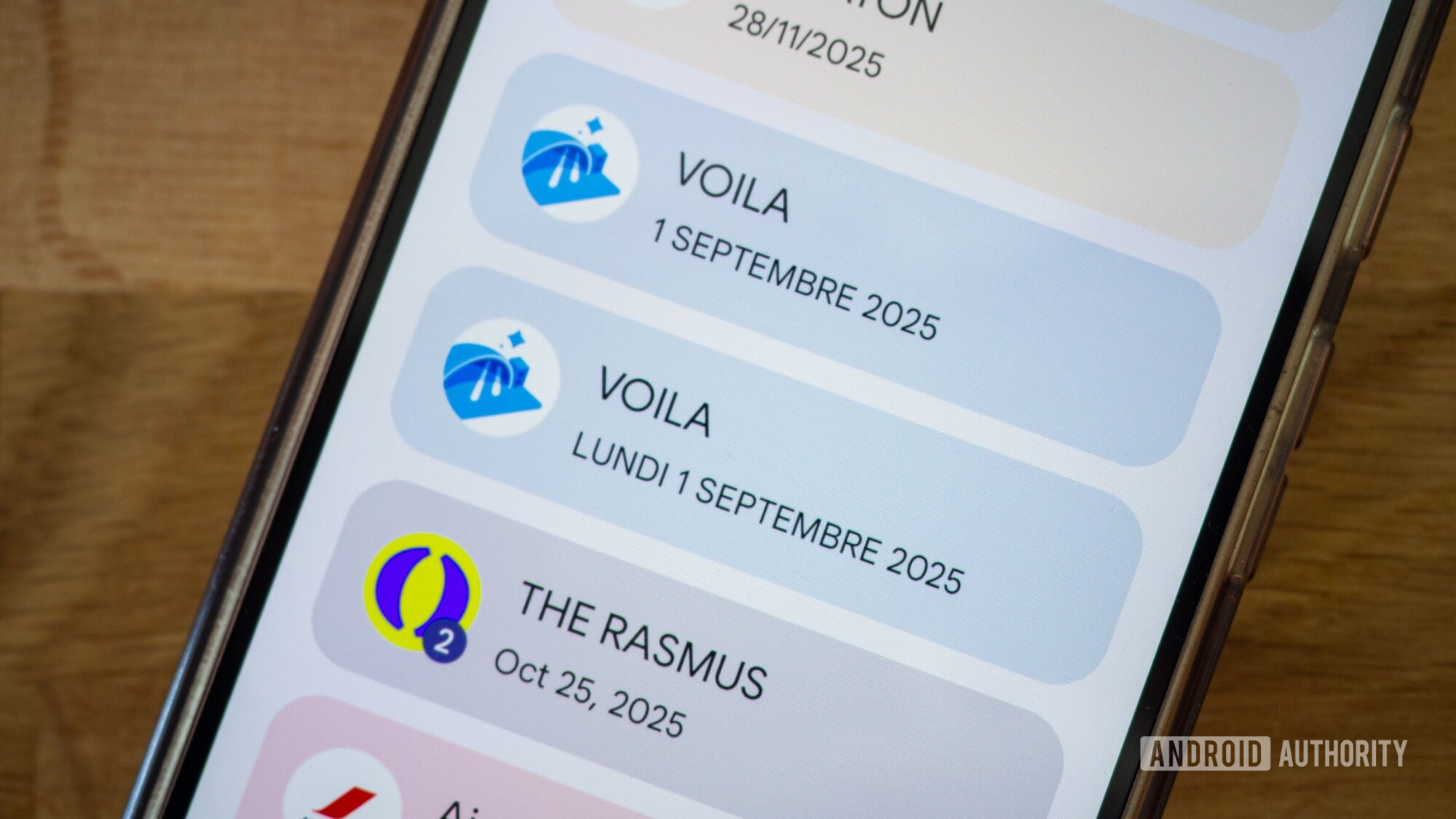
However, challenges remain. The fragmentation of regional transit systems, such as the Paris metro’s ongoing integration process, highlights the friction between legacy infrastructure and digital agility. As cities look to modernize, the onus is on these systems to adopt open standards that allow for seamless integration with mobile platforms. The goal is a truly interoperable system where a user can move from a plane, to a train, to a rental car, and into a hotel room, all using the same digital credential container.
A Pillar of Modern Android Experience
The evolution of Google Wallet from its early, shaky "Pay" iterations to its current, stable, and highly functional state has been one of the most successful product pivots in recent tech history. For the user, it has fundamentally changed the relationship between the physical self and the digital device.
The desire for future features—such as the ability to batch-merge tickets for multi-person events or the implementation of persistent, high-priority notifications for active passes—reflects a maturing user base. We are no longer just asking if these apps can do something; we are asking how they can do it better to save us seconds in our daily lives.
Google Wallet has transcended the "nice-to-have" category to become a pillar of the Android experience. In a world that is increasingly digitized, the ability to centralize identity, finance, and logistics into a single, hardened, and accessible application is not just a convenience—it is an essential requirement for the modern professional. While I still rely on Maps to navigate the streets of Paris and Photos to document my life, it is Google Wallet that facilitates the movement and the transactions that make that life possible. It is the invisible backbone of my daily routine, and for that reason, it has earned its place as the one app I simply cannot live without.
