

The modern smartphone experience has increasingly shifted away from standalone devices toward integrated ecosystems, where hardware is no longer just a slab of glass and metal but a modular canvas. With the integration of magnetic attachment technology into the Google Pixel 10 Pro, we are witnessing a fundamental change in how users interact with their mobile hardware. While high-end smartphones are often praised for their raw processing power and camera fidelity, the most significant improvements to daily utility often come from humble, low-cost additions that fundamentally alter the ergonomics and functionality of the device.
For many users, the transition to magnetic mounting systems represents a move toward true hardware efficiency. The ability to snap a phone onto a wall mount, a wireless charging pad, or a portable power bank without the need for cumbersome adhesive cases or mechanical clamps is a liberating experience. It streamlines the workflow, allowing the device to transition from a pocketable communication tool to a hands-free workstation in a fraction of a second. However, the true value of this ecosystem is unlocked by small-form-factor accessories that bridge the gap between aesthetics and raw utility.
The Evolution of Ergonomics and Utility
A prime example of this evolution is the emergence of slim, magnetic ring holders. These devices address one of the most persistent complaints regarding modern flagships: their sheer size and relative lack of grip. Larger devices like the Pixel 10 Pro can be unwieldy, particularly for one-handed use, and the fear of a drop is a constant shadow over the user experience. While traditional solutions like PopSockets have been popular for years, they often suffer from excessive bulk. They can snag on pocket linings and create an uneven surface that makes the phone wobble when placed on a flat table.
The new generation of ultra-slim magnetic ring holders, such as the option offered by manufacturers like Bordsek, represents a paradigm shift in industrial design for mobile peripherals. By utilizing high-strength neodymium magnets, these accessories achieve a profile that sits flush with the phone’s camera bump. This is a critical design success; it maintains the device’s sleek lines while providing a functional anchor for the user’s finger. The result is a more secure grip that doesn’t compromise the pocketability of the phone.
Expert Analysis: The Mechanical Advantage
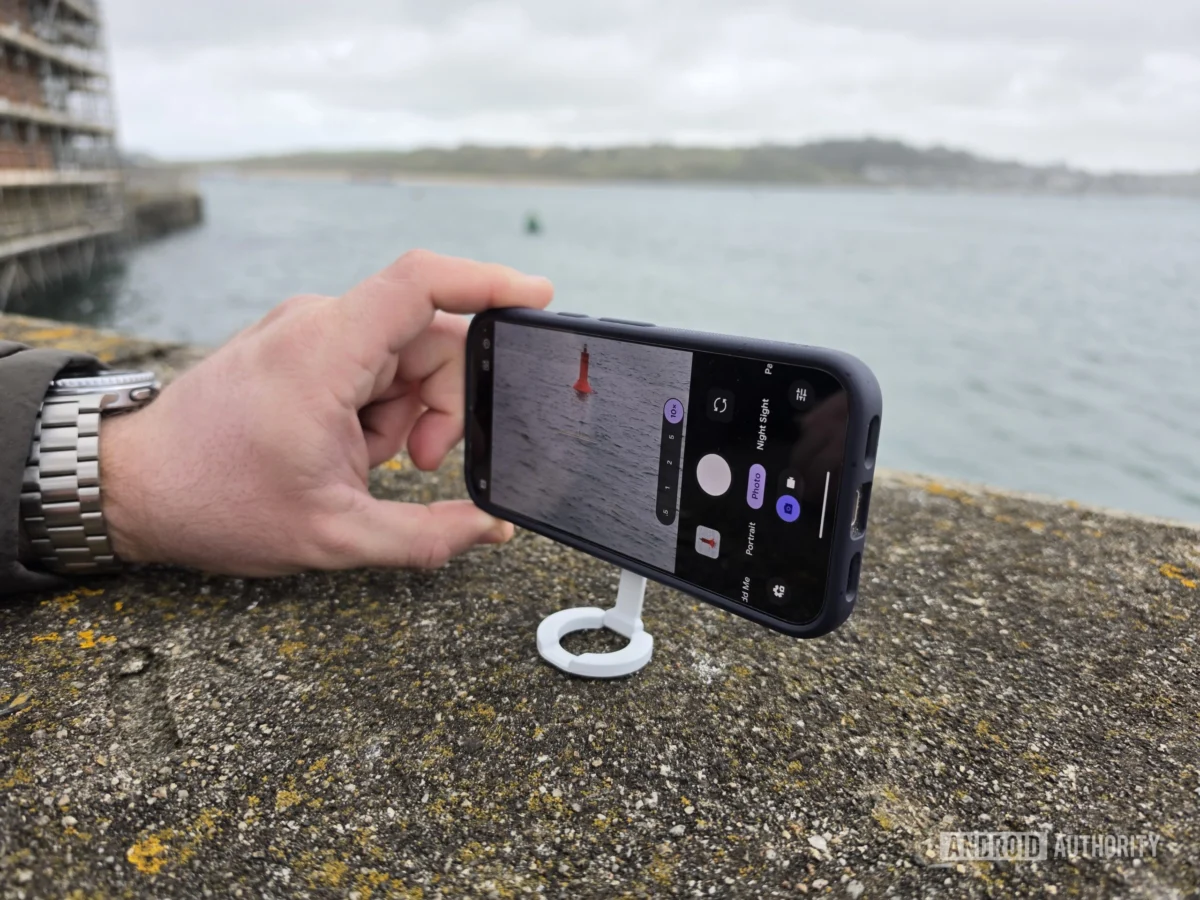
From an engineering perspective, the inclusion of a high-quality, dual-hinge system on a $10 accessory is impressive. In the realm of mobile stands, the most common point of failure is hinge fatigue. Cheap, plastic-heavy stands often lose their tension after a few weeks of use, rendering them useless for propping up the device at specific viewing angles. Conversely, a well-engineered metal hinge with high resistance provides the necessary friction to support the weight of a large phone like the Pixel 10 Pro in both portrait and landscape orientations.
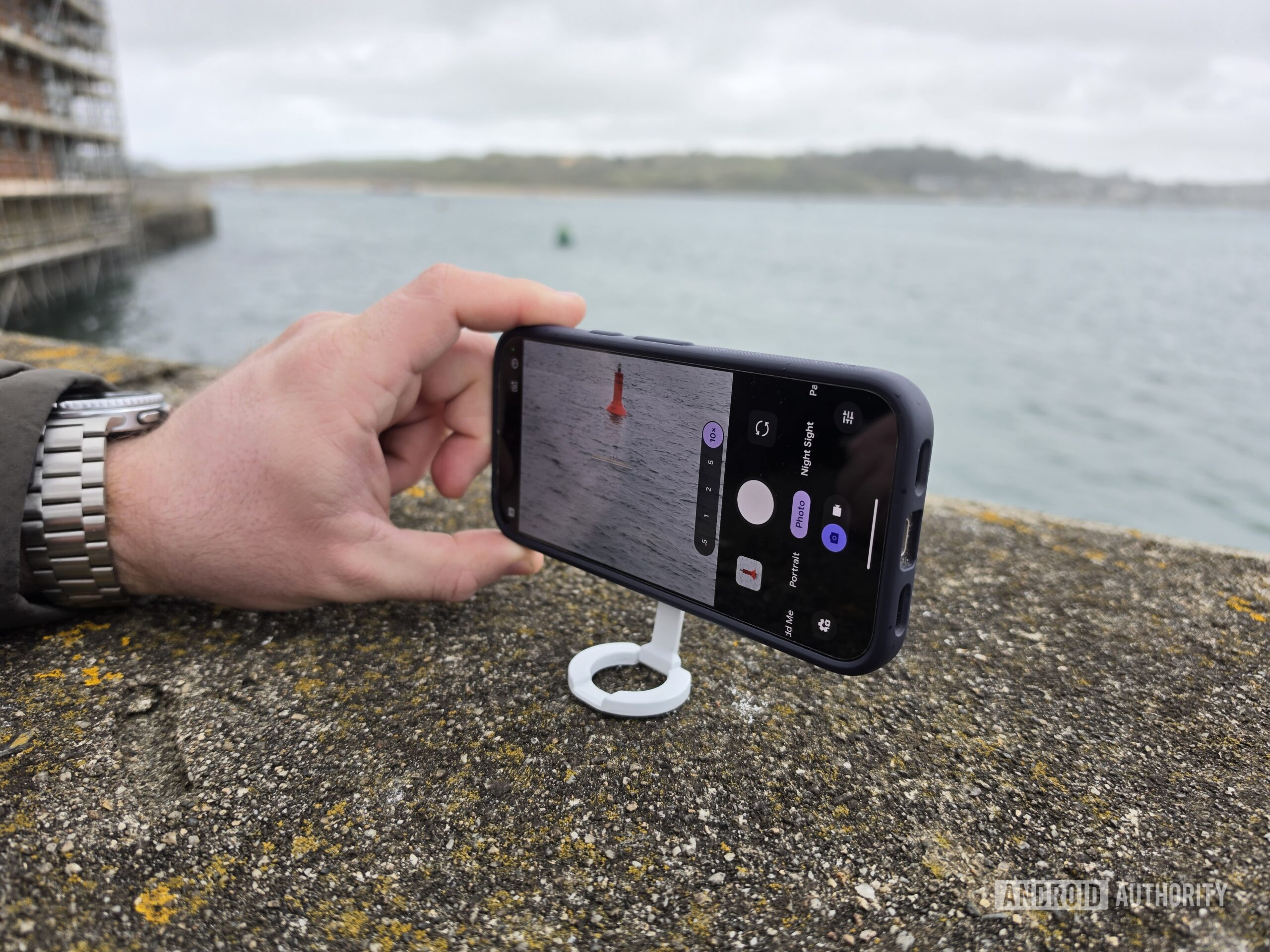
The utility of such a stand extends well beyond casual media consumption. For power users, the ability to prop a phone up in portrait mode allows for a secondary "at-a-glance" display of notifications, emails, or music controls while the user focuses on a primary laptop or desktop monitor. This reduces the frequency with which the user has to physically pick up the phone, creating a more seamless flow between digital work environments. Furthermore, for those who use their devices for content creation, the stability provided by a robust, multi-hinged stand allows for steady, long-exposure photography and stabilized telephoto shots—tasks that would otherwise require a bulky tripod.
Industry Implications and the Qi2 Transition
The industry’s move toward the Qi2 wireless charging standard, which incorporates magnetic alignment, has acted as a catalyst for this surge in innovation. By standardizing the magnetic array, manufacturers can now produce accessories that serve multiple purposes simultaneously: charging, mounting, and ergonomic support. This convergence is the next logical step in smartphone evolution. As internal batteries reach their limits in terms of energy density, the focus is shifting to how quickly and conveniently we can replenish that energy while keeping the device functional.
The broader implication here is a move toward "universal modularity." We are seeing a future where the smartphone acts as the hub of a magnetic peripheral ecosystem. Whether it is a wallet attachment, a cooling fan for mobile gaming, or a specialized photography grip, the magnetic interface ensures that these accessories are interchangeable across different devices. This reduces e-waste by allowing users to keep their favorite stands and mounts even when they upgrade their phones, provided the magnetic array remains consistent.
Future Impact and Long-Term Trends
Looking forward, we can expect this market to become increasingly sophisticated. While current ring holders are primarily passive, we are likely to see the integration of smart technology into these small accessories. Imagine a magnetic ring that acts as a low-power NFC trigger for smart home automation or one that provides haptic feedback when a notification arrives. The space occupied by the accessory is small, but its potential as an interface point is massive.
Furthermore, the materials science behind these accessories is rapidly improving. We are seeing a transition from basic plastics to aircraft-grade aluminum and specialized rubberized compounds that offer better durability and surface protection. This is crucial for high-end devices like the Pixel 10 Pro, where users are rightfully concerned about the potential for scratches or residue from adhesive-based solutions. Magnetic mounting, by design, eliminates the need for permanent adhesives, allowing for a clean, damage-free experience.
User-Centric Design and Personalization
Ultimately, the popularity of these accessories highlights a disconnect between the "ideal" smartphone design promoted by manufacturers and the reality of how people actually use their devices. While manufacturers prioritize thinness and aesthetic purity, users prioritize utility and security. When a simple $10 accessory can solve the fundamental tension between a phone’s form factor and its usability, it is clear that the accessory market is not just a secondary industry—it is a vital component of the mobile hardware lifecycle.
For the user, the decision to invest in such an accessory is often driven by the desire to reclaim control over the device. Whether it is enabling long-exposure astrophotography, providing a steady base for video calls, or simply ensuring the device doesn’t slip from the hand during a morning commute, the value proposition is immediate and tangible.
In conclusion, the rise of the magnetic ecosystem—exemplified by slim, versatile, and high-performance ring holders—represents a significant improvement in the daily mobile experience. It is a reminder that the most sophisticated piece of technology in our pocket is only as good as our ability to interact with it comfortably. As we look toward the next generation of smartphones, the focus will undoubtedly remain on these points of contact, ensuring that our devices remain as functional as they are powerful. The shift toward modular, magnetic accessories is not just a trend; it is the natural maturation of the mobile hardware landscape, prioritizing the user’s practical needs alongside the manufacturer’s technological advancements. As this market continues to grow, we can expect even more innovative solutions that further blur the lines between the phone itself and the ecosystem of tools that surround it.
