

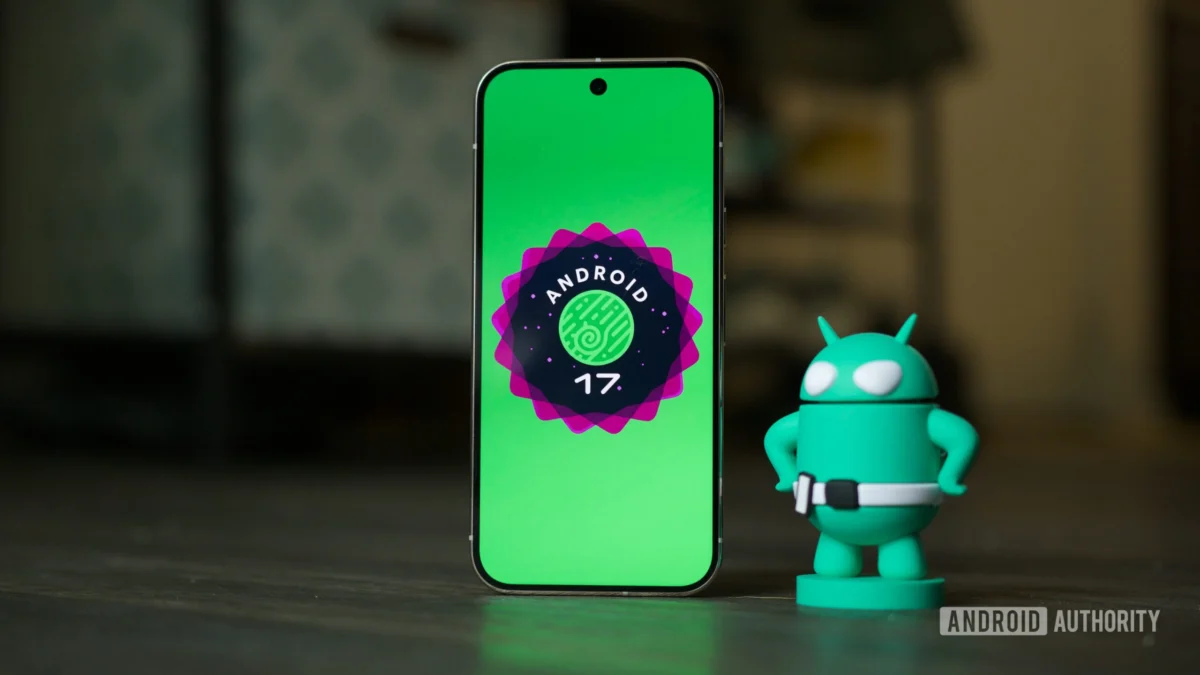
The rapid cadence of modern operating system development rarely pauses for rest, a reality underscored by Google’s relentless push to refine its premier mobile ecosystem. Hot on the heels of closing out the prior week with the deployment of Android 17 QPR1 Beta 8, the engineering teams at Mountain View have wasted no time in inaugurating the new work cycle with a fresh milestone release. Barely a fortnight after enthusiasts received their initial preview of the upcoming quarterly platform release via QPR2 Beta 1, the rollout of Android 17 QPR2 Beta 2 is officially underway for a designated subset of Google’s hardware portfolio. This iterative update cycle highlights the intricate balance software giants must maintain between introducing innovative features, purging legacy bugs, and navigating the delicate lifecycle transitions of aging mobile hardware.
Examining the official documentation accompanying this latest developer preview reveals an uncharacteristically sparse set of patch notes. Google’s initial publication for QPR2 Beta 2 omits specific enumerations of targeted bug fixes, even containing a curious metadata anomaly that labels the package under a July release umbrella. Despite the lack of explicit documentation detailing under-the-hood adjustments, early adopters and technical analysts have immediately initiated hands-on testing procedures. The primary objective for many in the developer community is determining whether this fresh build successfully remediates persistent anomalies introduced in previous iterations, most notably the peculiar calendar and date-formatting bug that has bewildered users over the past few weeks. These routine diagnostic processes remain an essential component of the beta ecosystem, where community-driven telemetry often uncovers subtle regression flaws that automated testing pipelines might occasionally overlook.
A critical dimension of this deployment is the continued exclusion of first-generation Tensor-powered smartphones. Mirroring the policy enforced during the launch of the preceding Beta 1 build, Android 17 QPR2 Beta 2 officially drops compatibility for the Pixel 6 and Pixel 6 Pro. This architectural cutoff point arrives as these devices edge closer to their fifth anniversary, perfectly coinciding with the expiration of their guaranteed software maintenance windows ahead of QPR2’s eventual stable commercial rollout. For owners of the Pixel 6a and all subsequent hardware iterations—ranging through the Pixel 7, Pixel 8, and Pixel 9 series—the update pathway remains wide open. Enthusiasts operating compatible handsets who wish to contribute to the software validation process can enroll their devices via the official Android Beta Program portal, transitioning their units from standard production builds to the bleeding edge of operating system development.
The broader implications of Google’s quarterly platform release strategy extend far beyond the immediate bug fixes and feature additions found within a single point release. Quarterly Platform Releases (QPRs) have transformed how the Android ecosystem absorbs updates, shifting the paradigm away from massive, isolated annual overhauls toward a continuous delivery model. This agile methodology allows Google to iterate rapidly on user feedback, deploy security patches more fluidly, and introduce deep architectural enhancements without waiting for a full-version numerical transition. For enterprise environments and application developers, this cadence demands a proactive approach to compatibility testing. Ensuring that third-party software remains stable across quarterly platform shifts is vital in an industry where operating system fragmentation can severely impact user retention and operational security.
Furthermore, the hardware lifecycle decisions demonstrated by dropping support for the original Pixel 6 generation highlight a broader economic and technological reality within the smartphone sector. As mobile processors reach unprecedented levels of complexity—integrating advanced machine learning cores, sophisticated image signal processors, and stringent security enclaves—maintaining older silicon architectures becomes increasingly resource-intensive. Chipset longevity is heavily dictated by thermal constraints, driver updates from component suppliers like Samsung’s Exigy division, and the sheer computational overhead required by modern AI-driven operating system features. When a device reaches its five-year threshold, the cost of optimizing bleeding-edge software code for legacy hardware frequently outweighs the benefits, forcing manufacturers to draw a hard line in the sand regarding firmware eligibility.
Analyzing the current trajectory of the Android 17 development cycle provides valuable foresight into the future trends governing mobile UX design and system architecture. Artificial intelligence and machine learning are no longer treated as ancillary features; they are deeply baked into the operating system’s scheduling, memory management, and user interface layers. As QPR builds continue to mature toward their stable public releases, developers are increasingly leveraging on-device neural processing units (NPUs) to handle complex contextual awareness tasks. This shift places heavy demands on underlying platform stability, making rigorous beta testing phases like the current QPR2 rollout absolutely indispensable for ensuring that battery efficiency, thermal performance, and system fluidity are not compromised.
The developer community plays a pivotal role in this intricate feedback loop. Forums, bug trackers, and community-driven repositories act as the frontline defense against software instability, translating raw telemetry data into actionable insights for Google’s engineering squads. While casual consumers are generally advised to steer clear of early-stage beta software due to the inherent risks of data loss, application instability, and diminished battery endurance, power users and professional developers view these builds as essential playgrounds. They offer a first look at upcoming application programming interfaces (APIs), design language adjustments, and privacy controls that will eventually define the standard user experience for billions of active Android devices worldwide.
As the software development lifecycle for Android 17 progresses through its successive beta phases, the focus will inevitably shift from foundational stability toward polish and performance optimization. The resolution of edge-case anomalies, such as the aforementioned date-formatting glitches, serves as a testament to the responsiveness of Google’s rapid iteration model. However, the true test of QPR2 will lie in its ability to deliver a seamless transition for the vast array of supported Pixel devices, maintaining high performance standards while seamlessly integrating advanced system features.
Ultimately, the release of Android 17 QPR2 Beta 2 is much more than a routine incremental update for enthusiast devices. It represents a masterclass in modern software lifecycle management, balancing the demands of rapid innovation with the harsh realities of hardware obsolescence. By continuously refining the platform through structured quarterly releases, Google ensures that the Android ecosystem remains dynamic, secure, and competitive in a fast-moving technological landscape. As developers dissect the new binaries and users submit their telemetry reports, the broader mobile industry watches closely, knowing that the architectural decisions made in these beta builds will inevitably ripple across the entire smartphone market in the months and years to come.
