

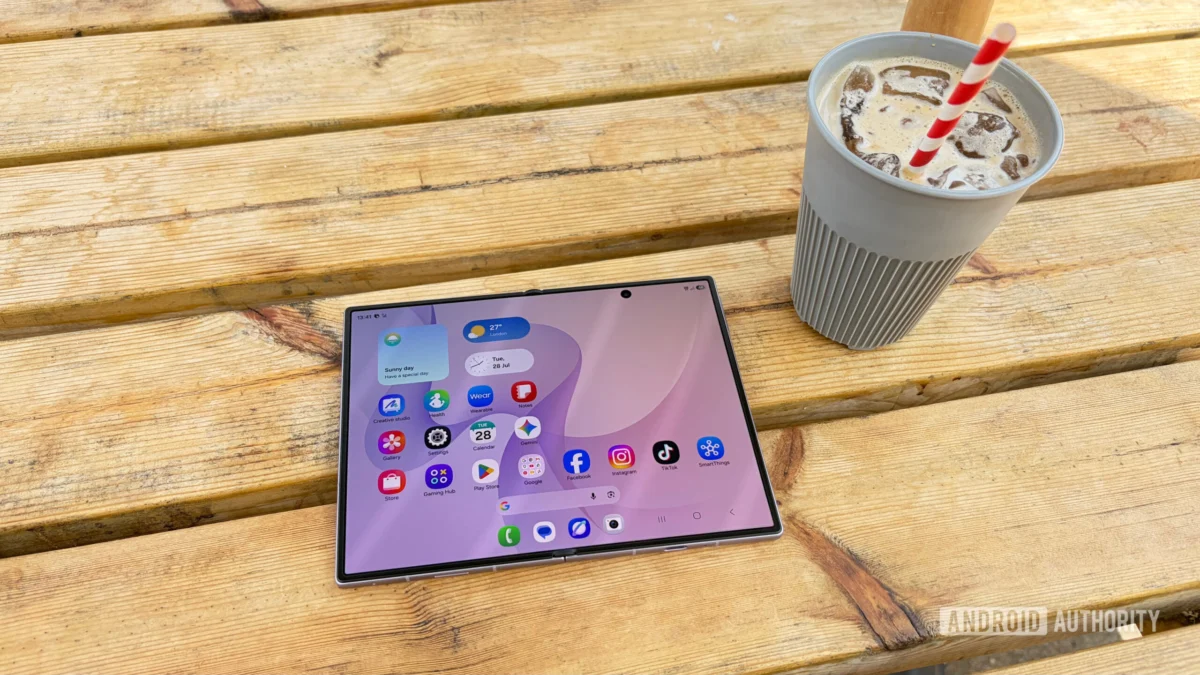
The modern smartphone landscape is defined by an ongoing arms race for expansive screen real estate. Year after year, major manufacturers push the boundaries of pocketability, stretching displays well past the six-inch threshold and into territory that frequently requires two-handed navigation. For a vocal segment of the consumer base, this relentless expansion represents an unfortunate loss. The market for truly compact, pocket-friendly handsets has steadily dwindled, leaving a trail of discontinued favorites and ardent fans wishing for the return of ergonomically manageable mobile devices.
It is within this paradoxical environment that flagship foldables exist. Devices like the Samsung Galaxy Z Fold 8 are engineered to transform on command into miniature tablets, delivering immense visual utility upon unfolding. Yet, when evaluated from a purely ergonomic perspective, the outer display of this hardware tells a completely different story. It operates as a fully capable, highly functional compact phone that conveniently happens to house an expansive folding screen inside. While the engineering marvel of a folding tablet is undeniably impressive, a compelling argument can be made that the underlying hardware would shine even brighter as a traditional, non-folding candy-bar smartphone.
Evaluating the Outer Canvas
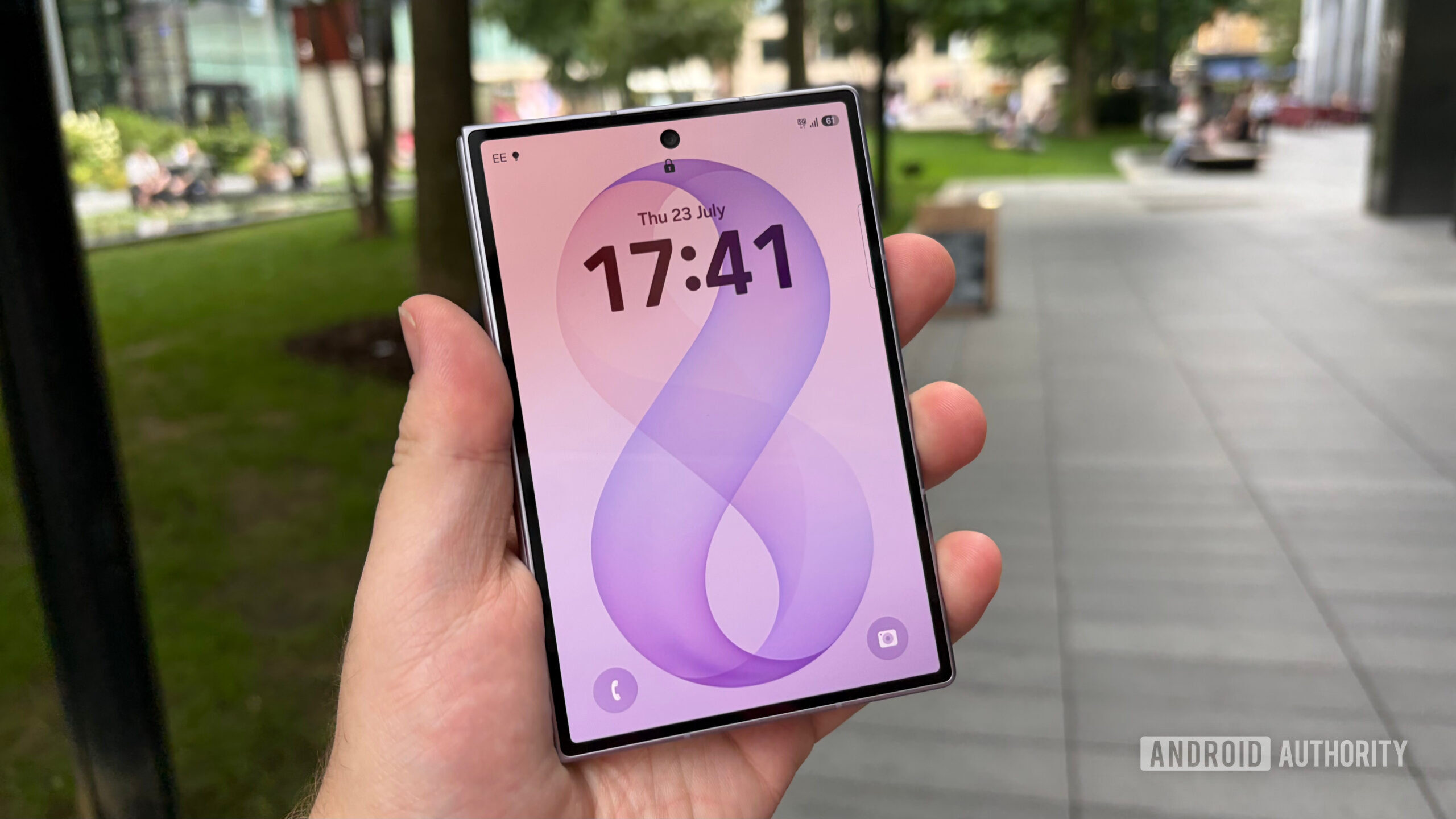
Industry observers frequently celebrate the vast 7.6-inch interior panel of modern book-style foldables, but daily use often draws attention toward the exterior canvas. The 5.5-inch front display found on the Galaxy Z Fold 8 is remarkably compact by contemporary standards, yet it completely avoids the severe functional limitations seen on the narrow cover screens of traditional flip-style foldables. Crucially, this outer window provides unrestricted access to the entire Android ecosystem, allowing users to execute standard applications without awkward letterboxing or interface scaling compromises.
The chosen 16:10 aspect ratio significantly enhances one-handed usability. Even for individuals with modest reach, interacting with the entire interface using a single thumb requires minimal hand gymnastics. Despite this tight, pocket-friendly footprint, the layout never feels cramped. Drafting lengthy messages, managing emails, or editing text documents directly from the cover screen remains entirely feasible and comfortable.
Furthermore, this specific aspect ratio handles multimedia remarkably well. Vertical short-form video feeds fill the pane neatly, while traditional horizontal streaming content finds enough breathing room to be enjoyed without aggressive cropping. The surrounding bezels provide just enough structural purchase for the user’s hands, ensuring a secure grip that never obstructs the visual presentation.
Navigating Aspect Ratios and Ecosystem Realities
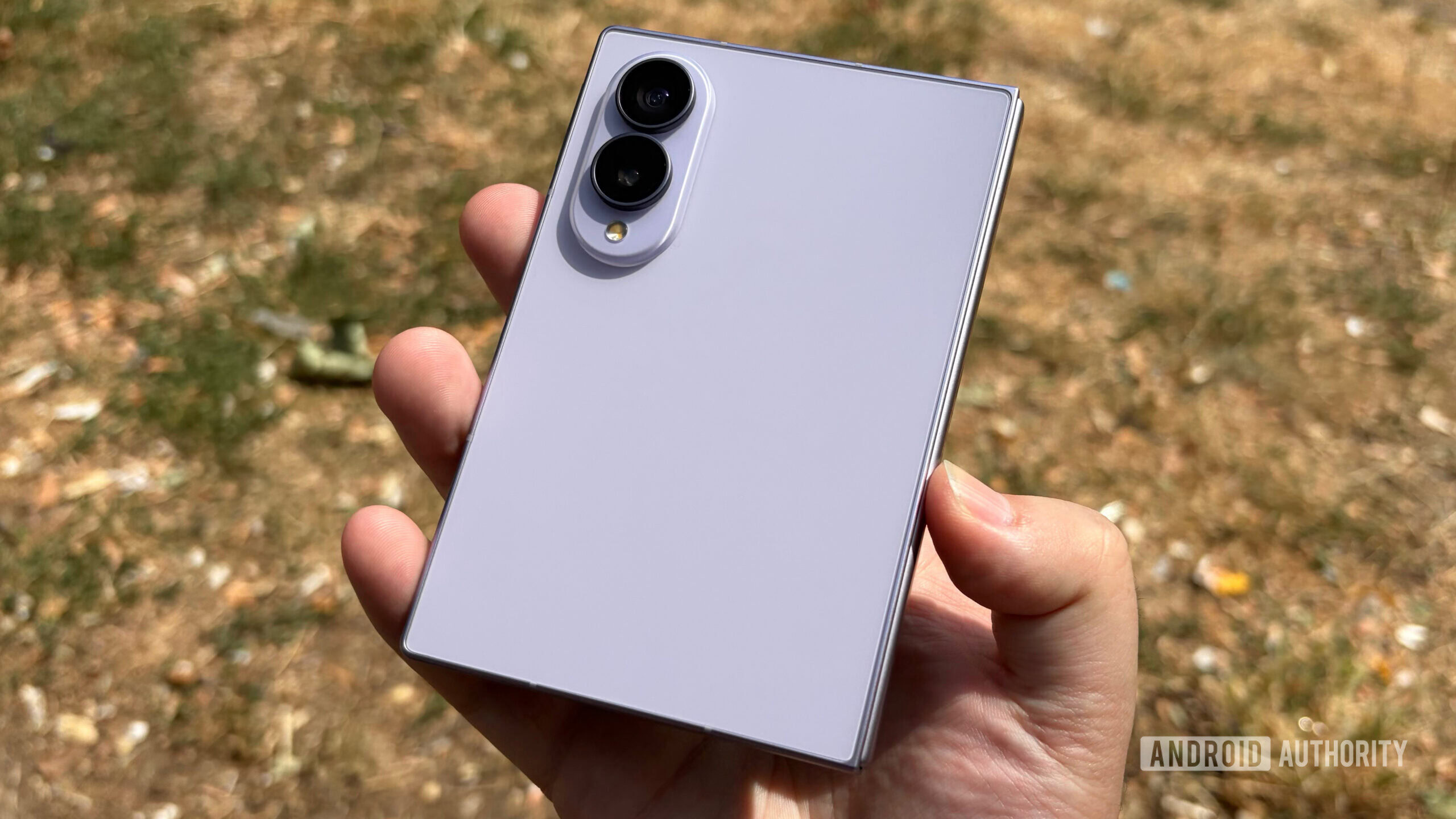
Deploying non-traditional display dimensions always introduces unique software hurdles. Historically, software developers optimize their user interfaces for long, narrow monolithic slabs of glass. When faced with a wider, squatter outer screen, certain applications may present slightly unconventional layouts or text wrapping. Overcoming this friction relies heavily on industry momentum. While earlier passport-style foldables struggled to force widespread developer adaptation, the sheer market dominance of major players changes the calculus entirely. When industry leaders embrace a specific form factor, the broader application ecosystem usually follows suit, optimizing interfaces to ensure a seamless visual experience across unconventional displays.
Despite these software adaptations, the physical footprint of the Z Fold 8 remains surprisingly manageable. Tipping the scales at roughly 201 grams, the device is naturally heavier than historical sub-six-inch bar phones, yet it maintains an exceptionally featherlight profile relative to the broader foldable category. Incremental thickness reductions mean the overall chassis is barely thicker than previous generations. Consequently, keeping the inner folding screen tucked away until a true multitasking scenario arises feels like an effortless luxury rather than an administrative chore.
The Nostalgia and Reality of Compact Flagships
The current ecosystem offers vanishingly few choices for consumers who prefer displays under six inches. While power users frequently gravitate toward massive Ultra or Pro Max variants for maximum productivity and battery longevity, a passionate subset of consumers continues to praise legacy compact devices like the Asus Zenfone 10 or the iPhone 13 mini. These handsets proved that uncompromising, flagship-grade silicon could comfortably coexist within a miniature chassis.
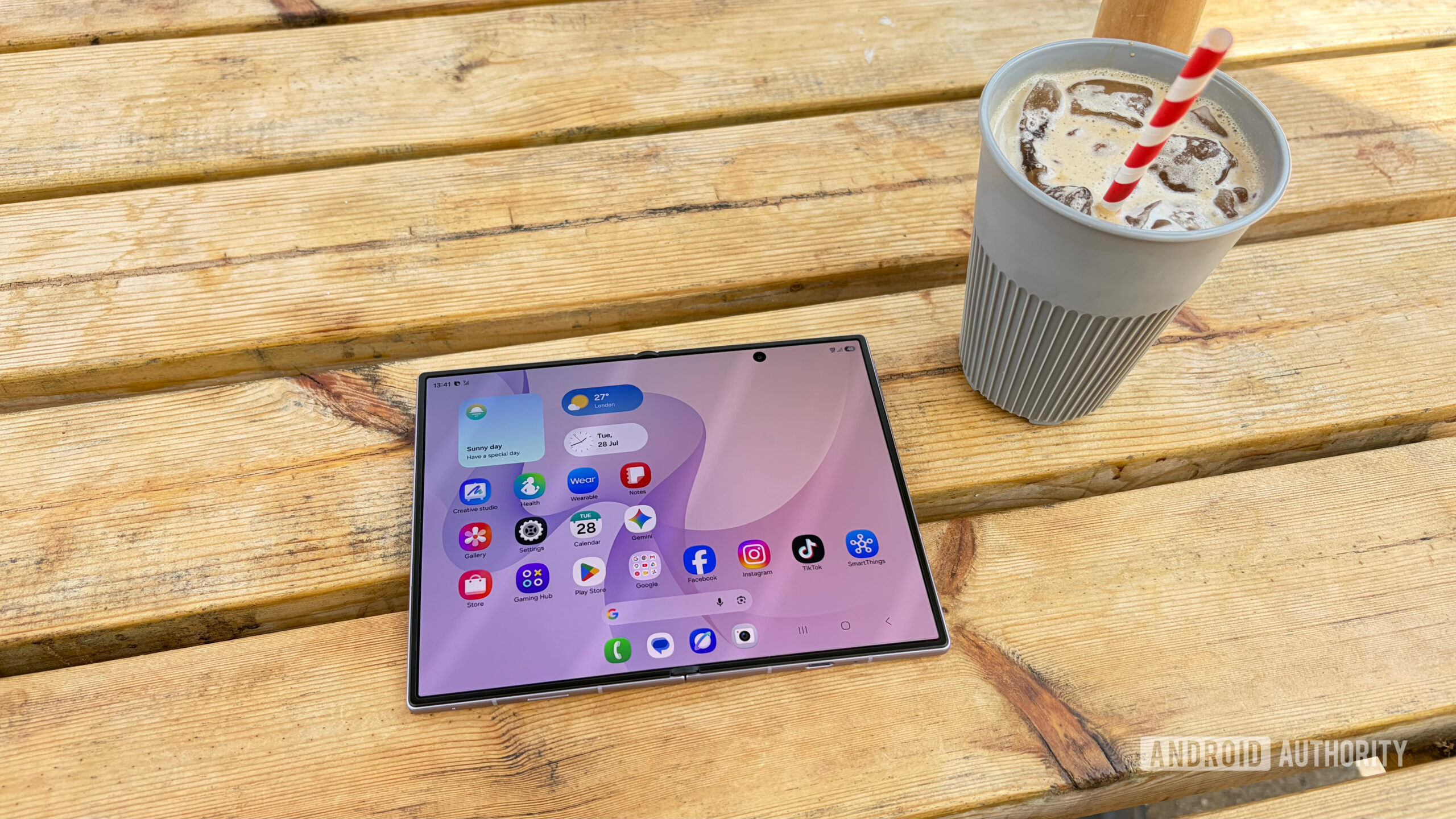
Purists might argue that a 5.5-inch cover screen with a squat aspect ratio still stretches the definition of a truly small phone—measuring physically wider than historical pioneers like the original 2012 Galaxy Note. Nevertheless, given the current engineering constraints of modern mobile components, batteries, and thermal management systems, this footprint represents the practical lower limit for a modern powerhouse device.
At the same time, recommending a foldable purely for its outer display makes little financial sense. These sophisticated devices command premium pricing driven entirely by the complex manufacturing processes required for flexible internal displays and durable hinges. Spending top-tier money on a luxury folding ecosystem only to utilize the secondary screen for the majority of the day highlights a glaring mismatch in consumer value. This exact friction point suggests that Samsung possesses all the ingredients necessary to launch a dedicated, non-folding flagship built around this precise AMOLED panel.
Bridging the Gap for the Future
Allowing this beautifully proportioned display to play second fiddle to a folding mechanism feels like an oversight in product strategy. As the industry increasingly redefines compact handsets as anything hovering around the six-inch mark, and as software roadmaps pivot heavily toward artificial intelligence integrations and processing efficiency, the market timing has never been better for a dedicated compact flagship. Whether branded as a mini, a lite, or an entirely new tier, a traditional candy-bar phone utilizing this exact form factor would undoubtedly capture an underserved audience.
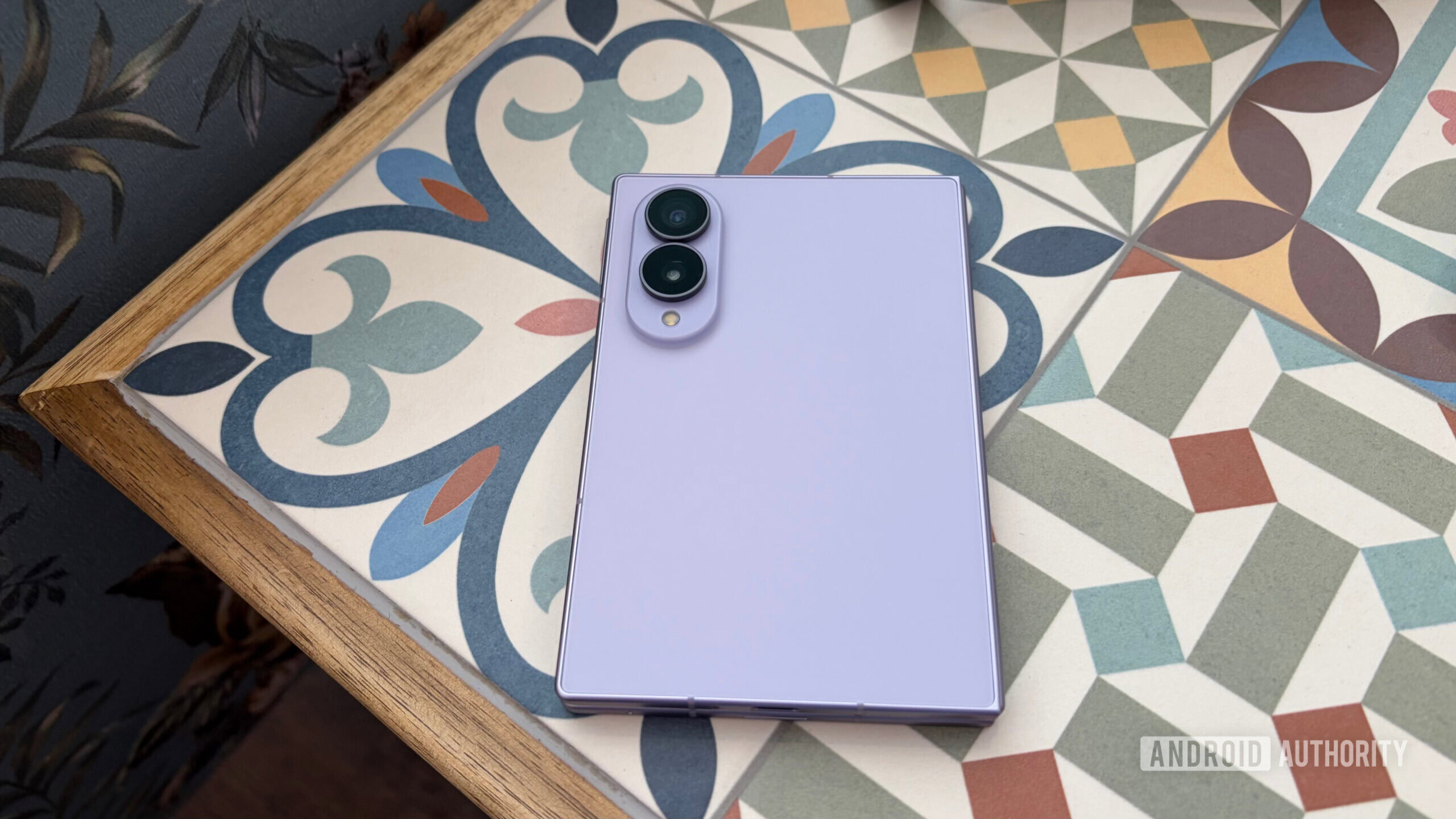
Market indicators suggest that consumer interest in the Galaxy Z Fold 8 stems just as much from its comfortable, pocket-friendly daily footprint when closed as it does from its futuristic folding capabilities. By combining top-tier performance with a genuinely manageable physical size, manufacturers have inadvertently proven that the appetite for pocketable power has not vanished—it was simply trapped inside a very expensive hinge.
