

The modern technological landscape is experiencing a fundamental shift in how digital utilities are conceived, developed, and deployed. Generative artificial intelligence has matured far beyond simple text generation or basic image creation; it now serves as the primary architectural foundation for micro-services, web extensions, and experimental software. As barriers to entry in software development continue to erode, a new paradigm of creation has emerged, colloquially termed "vibecoding." This movement allows creators to bypass traditional, syntax-heavy programming hurdles, focusing instead on intent, user experience, and aesthetic execution. Amid this deluge of AI-generated content, filtering through the noise to identify genuinely compelling digital experiences has become an art form in its own right.
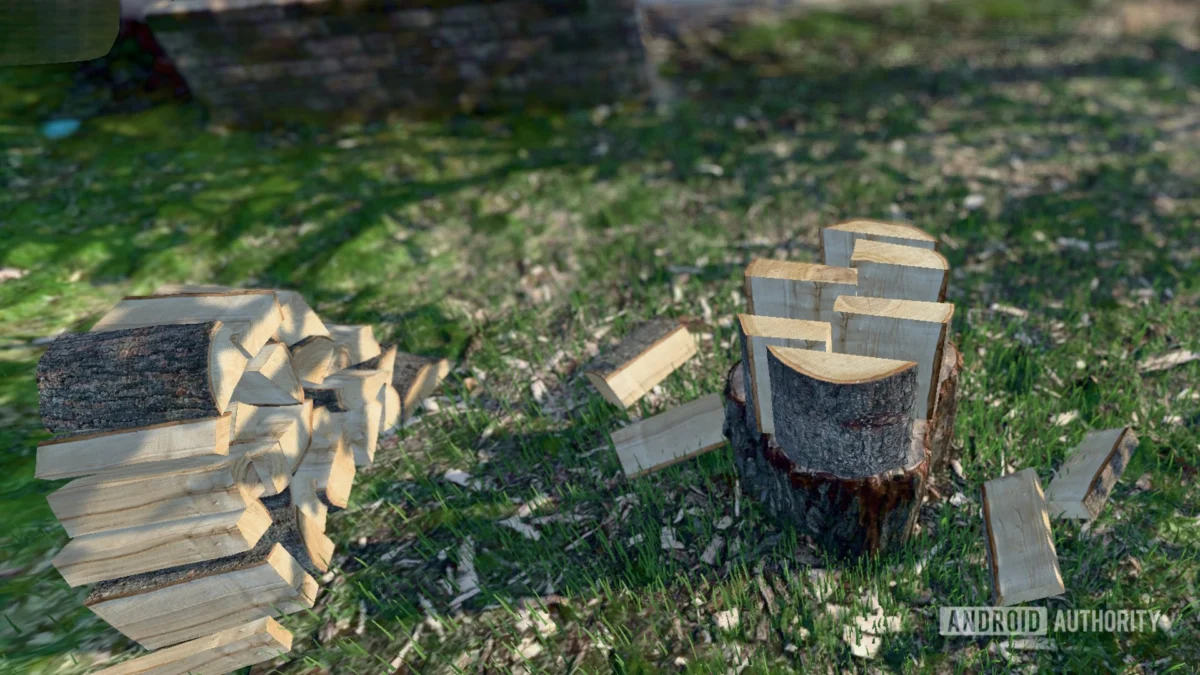
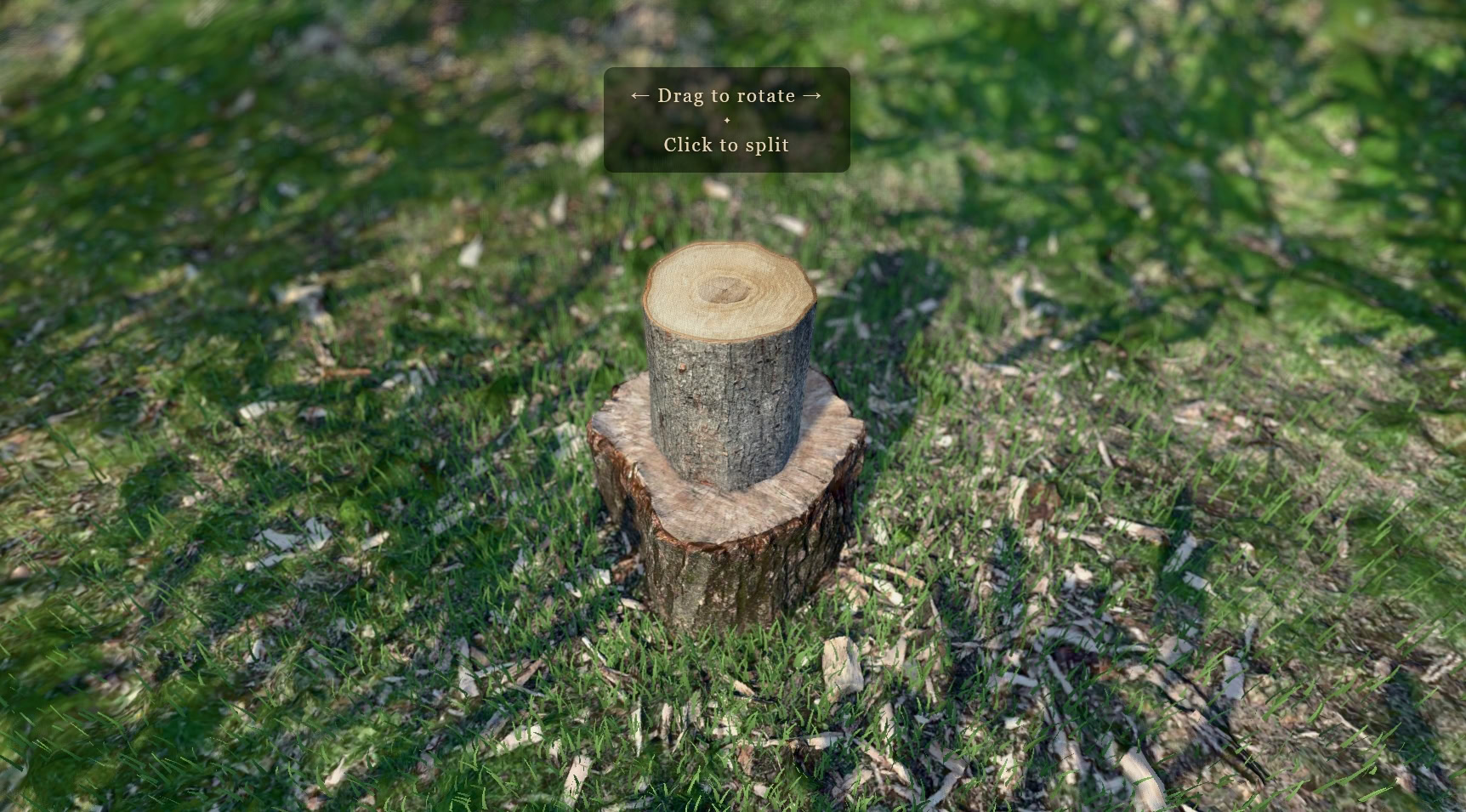
To understand the broader implications of this trend, one must examine the specific mechanics driving the latest wave of browser-based micro-experiences. A prime exemplar of this phenomenon is a deceptively simple interactive simulation centered around the manual splitting of firewood. Developed by New York-based digital artist Gavin Shapiro, this project transcends the typical superficiality often associated with automated code generation. By blending sophisticated 3D scanning technology with modern web graphics frameworks like Three.js, Shapiro crafted an interactive browser game that captures the tactile satisfaction of outdoor labor without the physical exertion. Users interact with a virtual cutting block and ax via standard mouse inputs, manipulating angles and vantage points to cleave logs into complex, physics-governed geometries.

What separates this project from conventional automated software outputs is the deliberate incorporation of authentic human craftsmanship. Rather than relying entirely on synthetic assets, the creator integrated high-fidelity 3D scans of actual lumber, a real cutting block, and a physical ax, paired with authentic audio recordings of splitting timber. This synthesis of high-end machine intelligence—leveraging advanced language and reasoning models like Claude alongside specialized development environments—with deeply personal analog inputs highlights the true potential of modern software design. It demonstrates that artificial intelligence functions best not as a replacement for human creativity, but as an expansive bridge that allows artists and non-traditional developers to bring complex, tactile visions to life with unprecedented speed.
This shift toward rapid, intent-driven application development extends well beyond digital art and casual browser simulations, permeating practical utility tools and specialized hobbyist platforms. The democratization of coding has empowered creators to build hyper-focused repositories tailored to specific niches, fundamentally altering how niche digital assets are distributed and consumed.
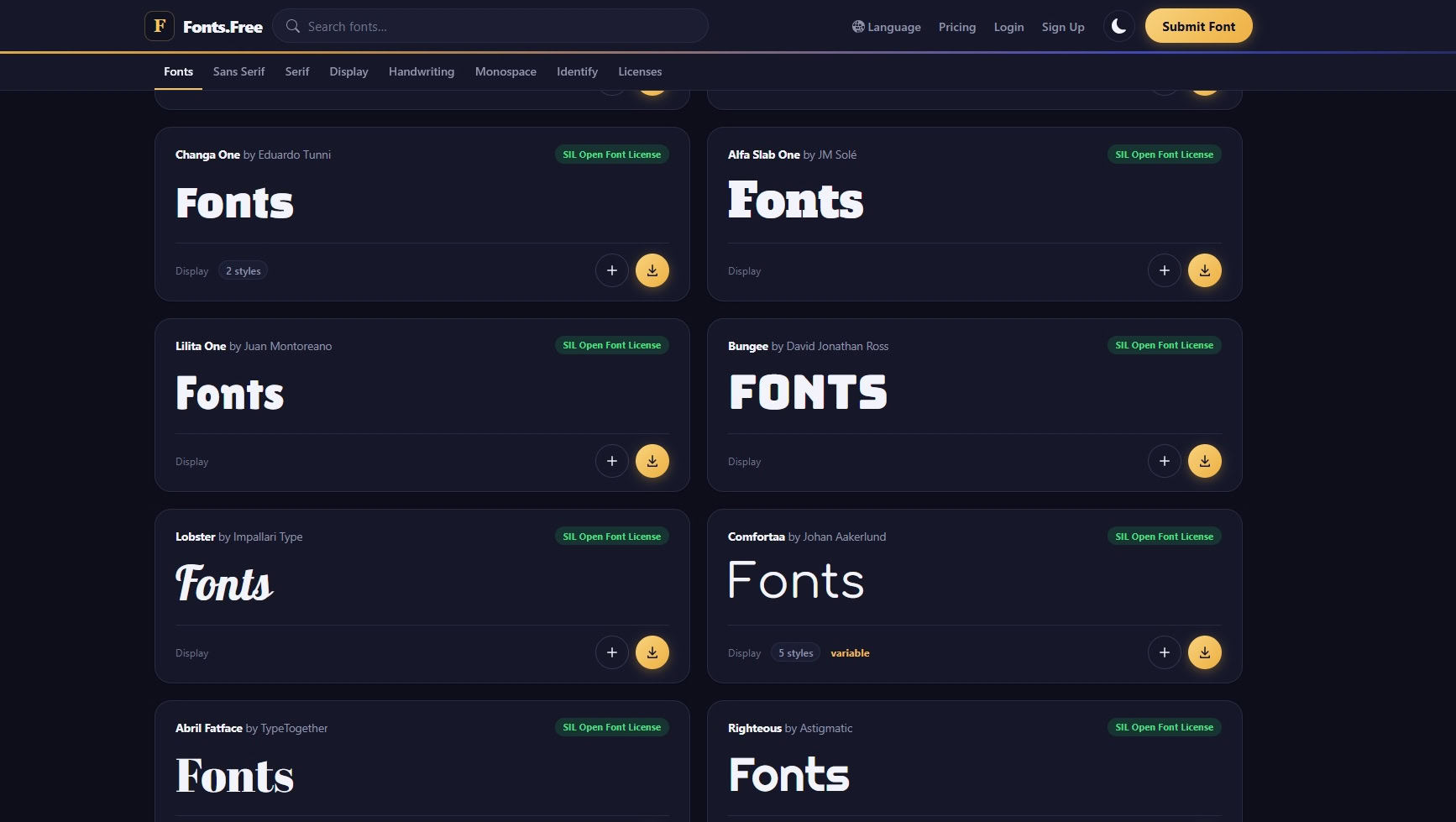
Take, for instance, specialized typographic repositories designed for mobile customization enthusiasts. Navigating massive, corporate-owned font libraries often involves wading through licensing restrictions, bloated interfaces, and paywalls. In contrast, modern independent curation platforms leverage streamlined development workflows to offer vast collections of meticulously organized typography. For power users who frequently design custom system widgets, aesthetic overlays, or specialized mobile interfaces, these accessible repositories eliminate unnecessary friction, proving that AI-assisted workflows can yield highly functional, utilitarian infrastructure rather than mere novelty.
The influence of this development methodology is similarly reshaping the realm of predictive analytics and sports entertainment. Formula 1 racing, a sport governed by immense data density, telemetry analysis, and unpredictable variables, has long inspired fan-made statistical modeling tools. Newer predictive web applications utilize automated coding frameworks to aggregate vast arrays of historical performance metrics, environmental factors, and team strategies, translating them into digestible, highly polished race weekend forecasts. These platforms offer enthusiasts an interactive environment to test hypotheses, analyze session breakdowns, and engage with the sport on a deeper analytical level, showcasing how complex data-processing tasks can be packaged into elegant consumer-facing interfaces by solo creators.
Even the landscape of interpersonal digital communication is undergoing a quiet transformation through these lightweight, experimental web utilities. Modern micro-apps designed to foster digital connection demonstrate that software can prioritize emotional resonance and playful charm over raw processing power. Platforms that allow users to construct customized virtual confections complete with interactive elements—such as personalized typography, configurable candle arrays, and simulated blowing mechanics—illustrate a novel approach to digital greetings. While these virtual artifacts cannot replace the tangible experience of sharing a physical meal, they highlight a growing appetite for whimsical, low-friction interactions that bring a touch of playfulness back to the web.
The proliferation of these specialized tools raises broader questions regarding the future of software engineering and digital culture. As foundational AI models continue to advance, the traditional software development lifecycle is compressing dramatically. Individuals who previously lacked the financial capital or technical background to master complex programming languages can now prototype, refine, and launch fully functional digital products in a matter of hours. This shift democratizes innovation, ensuring that the next wave of internet culture is shaped not just by massive technology conglomerates, but by independent artists, domain experts, and hobbyists with a distinct creative vision.
At the same time, this rapid acceleration necessitates a discerning eye. The term "vibecoding" carries both excitement and skepticism within the developer community, largely due to the risk of digital saturation—an influx of unpolished, derivative software often referred to as digital clutter. However, projects that successfully marry advanced development assistance with genuine artistic intent prove that the medium holds immense promise. When creators use generative tools to amplify their own physical recordings, spatial scans, and unique aesthetic sensibilities, the resulting products transcend the limitations of automated generation.
Ultimately, exploring these emerging digital experiments offers a fascinating glimpse into the trajectory of modern technology. Whether through a physics-driven wood-chopping simulation that unexpectedly captures our attention, a streamlined typographic library for mobile customizers, a data-driven Formula 1 prediction engine, or a playful digital pastry generator, the common thread is accessibility married to creativity. As the tools for software creation become as ubiquitous as text editors, the defining metric of success will no longer be technical proficiency in writing code, but the originality of the vision behind it. The digital ecosystem is entering an era where anyone can build almost anything—and the most compelling artifacts will be those crafted with a distinct, human point of view.
