

The departure of OnePlus from the North American and European sectors marks the end of an era for mobile technology enthusiasts who watched the brand evolve from an obscure, invite-only disruptor into a mainstream competitor. For more than ten years, OnePlus carved out a unique space catering to tech-savvy consumers seeking high-end specifications without prohibitive pricing. However, the decision by its parent company, OPPO, to streamline operations and reallocate resources toward Asian territories underscores a grim reality for Western mobile consumers. The North American hardware ecosystem has effectively contracted into a sterile duopoly dominated by Apple and Samsung, supported by Google’s expanding footprint, Motorola’s carrier-friendly mid-tier devices, and a dwindling handful of budget players.
With OnePlus officially vacating the Western stage, industry observers are naturally casting an anxious eye toward the remaining independent challengers. Chief among them is Nothing, the London-based consumer technology venture founded by Carl Pei. The parallels between Nothing’s current trajectory and the formative years of OnePlus are impossible to ignore, raising pressing questions about whether the boutique manufacturer can survive the immense financial and logistical pressures of the North American market.
The Carrier Conundrum and the Cost of Independence
Unlike many international markets where unlocked, direct-to-consumer device sales dominate, the United States remains firmly a carrier-driven battlefield. The vast majority of American consumers purchase their mobile devices directly through major telecommunications providers like Verizon, AT&T, and T-Mobile. This reliance on carrier infrastructure creates an insurmountable barrier to entry for smaller manufacturers who lack the capital to secure prominent shelf space in brick-and-mortar retail stores or subsidize massive marketing campaigns.
Nothing has largely bypassed traditional carrier partnerships, echoing the early playbook of OnePlus. While this strategy preserves operational autonomy and minimizes overhead costs, it introduces severe friction for everyday consumers. Devices designed primarily for international distribution often omit specific regional frequency bands required for seamless connectivity across diverse domestic networks. Consequently, activating a Nothing smartphone in the United States can be an exercise in frustration. Verizon routinely blocks non-certified hardware due to missing essential LTE frequency bands, while AT&T maintains strict device whitelists that render network integration unpredictable. T-Mobile remains the most accommodating home for alternative brands, yet users frequently report intermittent bugs with essential carrier features such as visual voicemail and Voice over LTE (VoLTE).
Without carrier backing, a brand loses the vital marketing engine that introduces unfamiliar hardware to mainstream buyers. To the average consumer, a phone unavailable at a carrier store is frequently misconstrued as an inferior product. For a boutique manufacturer like Nothing, overcoming this perception requires substantial financial investment in alternative marketing—a luxury that smaller enterprises must carefully balance against R&D expenses.

Structural Parallels and Shared Leadership DNA
The connection between OnePlus and Nothing extends far beyond shared distribution headaches; it is rooted in leadership and philosophy. Carl Pei co-founded OnePlus alongside Pete Lau before departing due to strategic disagreements over corporate integration with OPPO. When Pei launched Nothing in London, he sought to recapture the agile, community-driven ethos that initially made OnePlus a darling of the enthusiast community.
Despite these spiritual similarities, structural differences separate the two ventures. OnePlus was heavily subsidized by OPPO from its inception, functioning essentially as an independent subsidiary designed to test international waters. Nothing, by contrast, operates as a genuinely independent entity without a massive corporate conglomerate standing by to absorb heavy losses or fund expensive market pivots. While Nothing maintains vital manufacturing and supply chain partnerships throughout Asia—much like virtually every modern consumer electronics company, including Apple—it lacks the deep financial cushion of a state-backed parent corporation.
This independence is a double-edged sword. It grants Nothing the freedom to pursue unconventional design languages and software minimalism without corporate interference, but it also leaves the enterprise exceptionally vulnerable to macroeconomic volatility and regional market shifts.
Divergent Product Philosophies in the Mid-Tier Space
Where Nothing deliberately diverges from the historical OnePlus model is its hardware strategy. While early OnePlus devices relentlessly chased bleeding-edge processing power at aggressively low price points before eventually climbing into traditional flagship pricing tiers, Nothing has consciously carved out a distinct niche. Rather than competing directly with ultra-premium flagships running top-tier silicon like Qualcomm’s Elite processors, Nothing anchors its catalog around highly polished mid-range and upper-mid-range hardware.
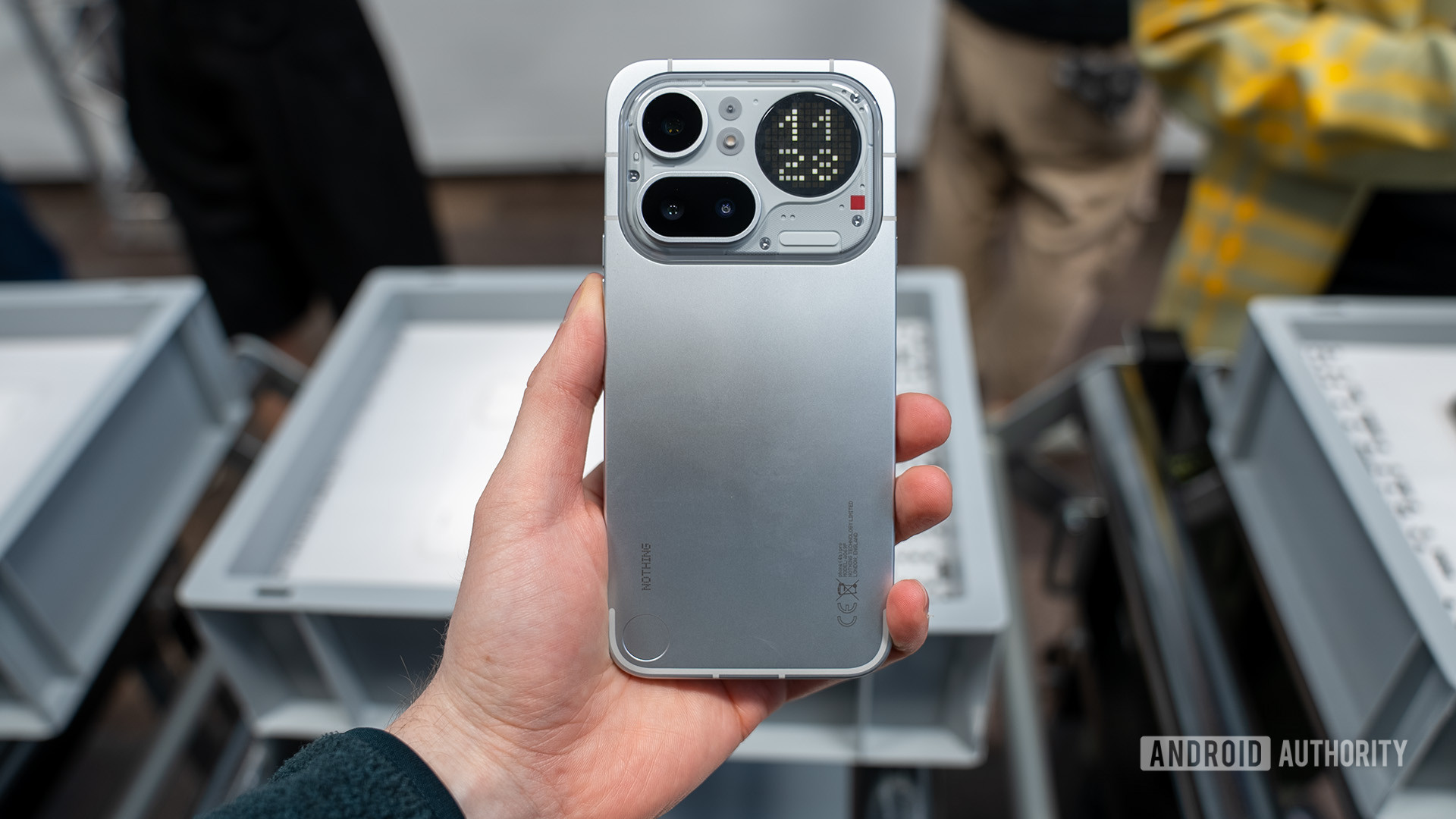
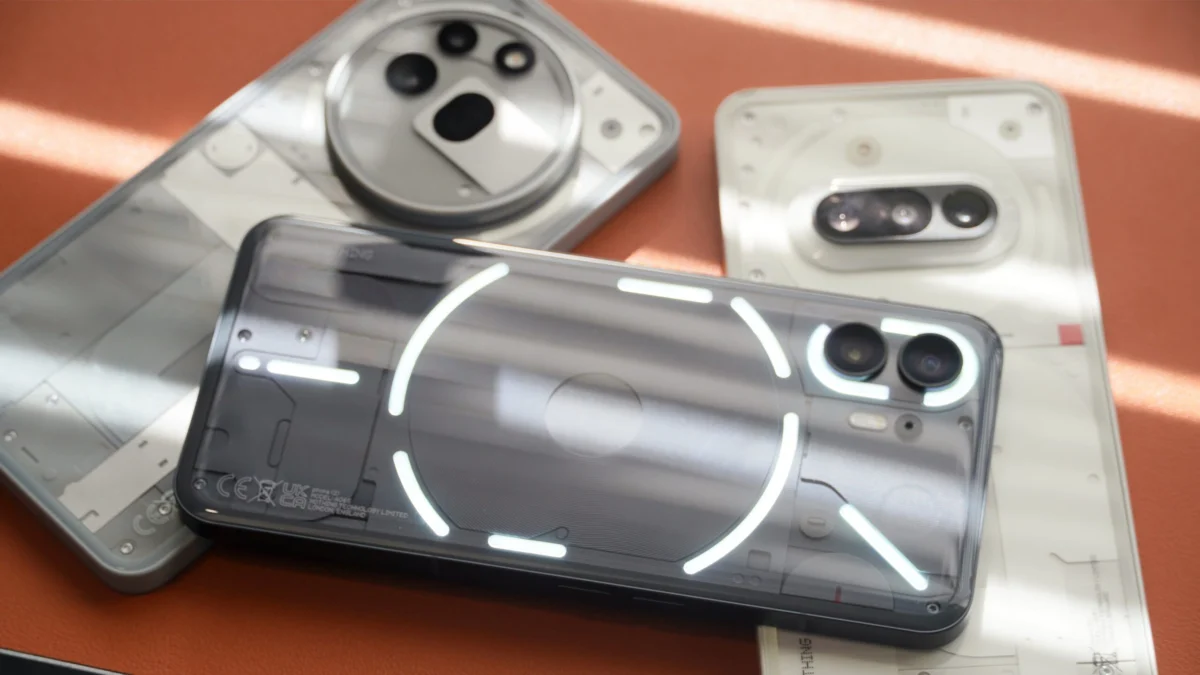
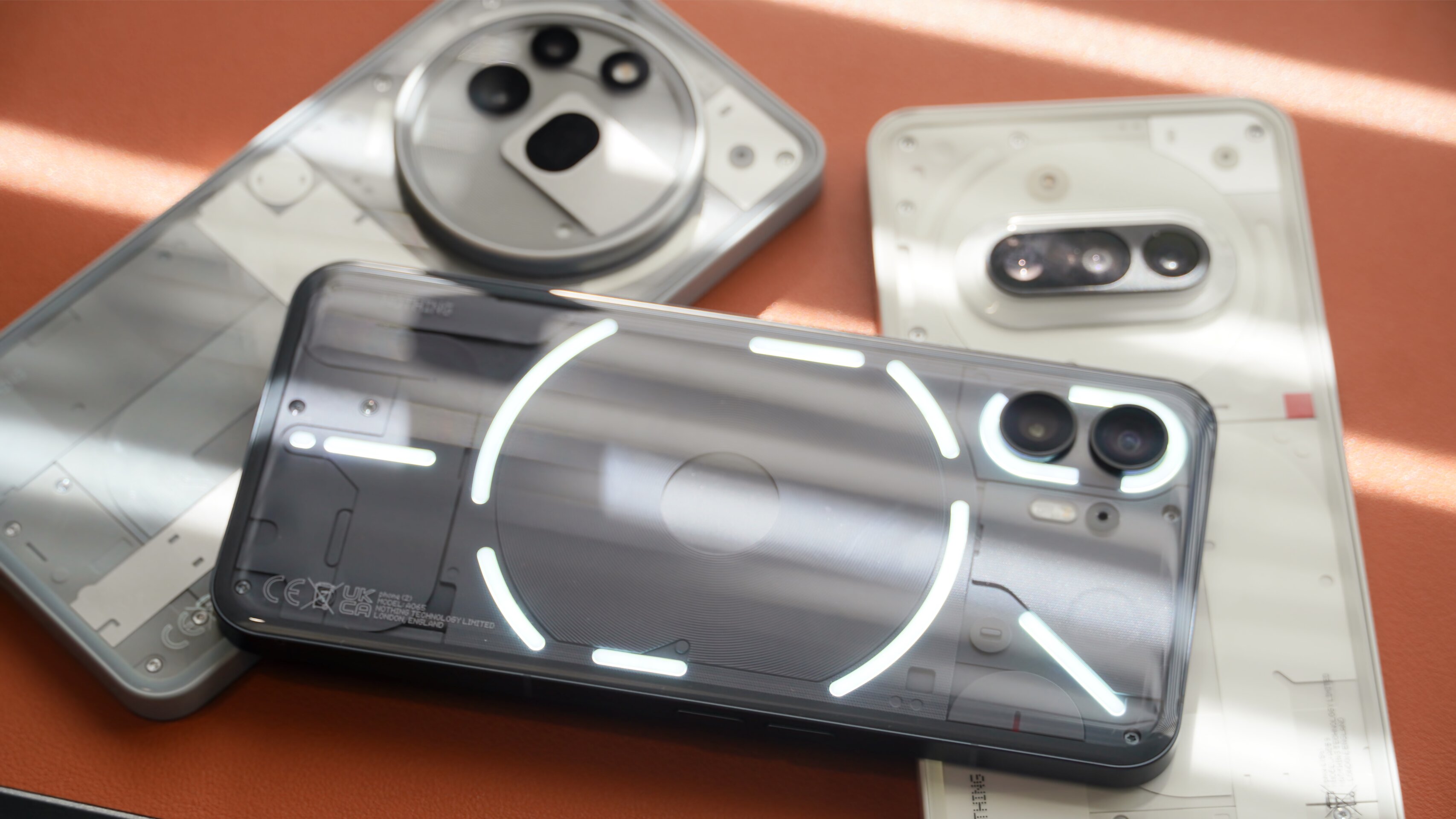
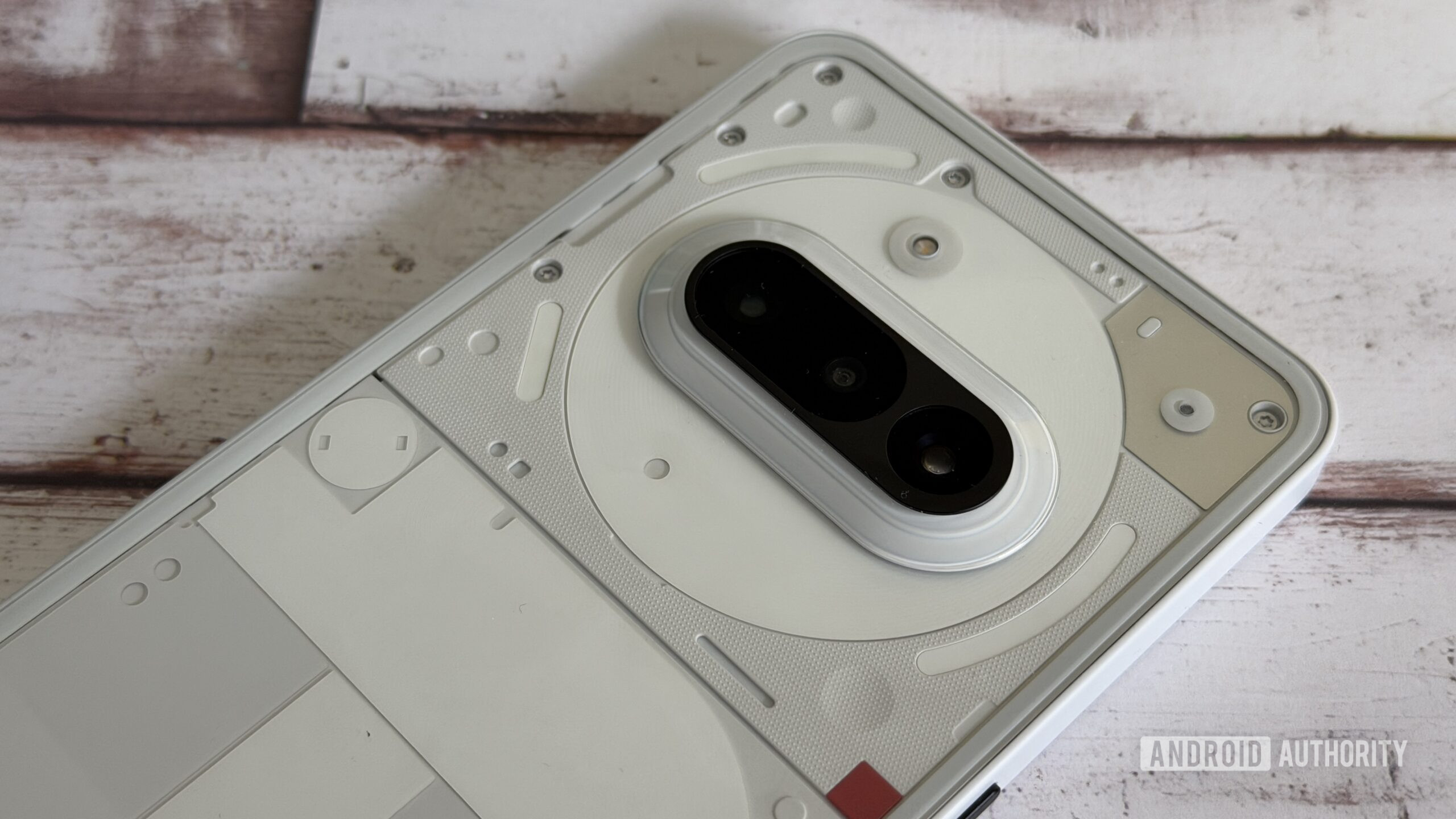
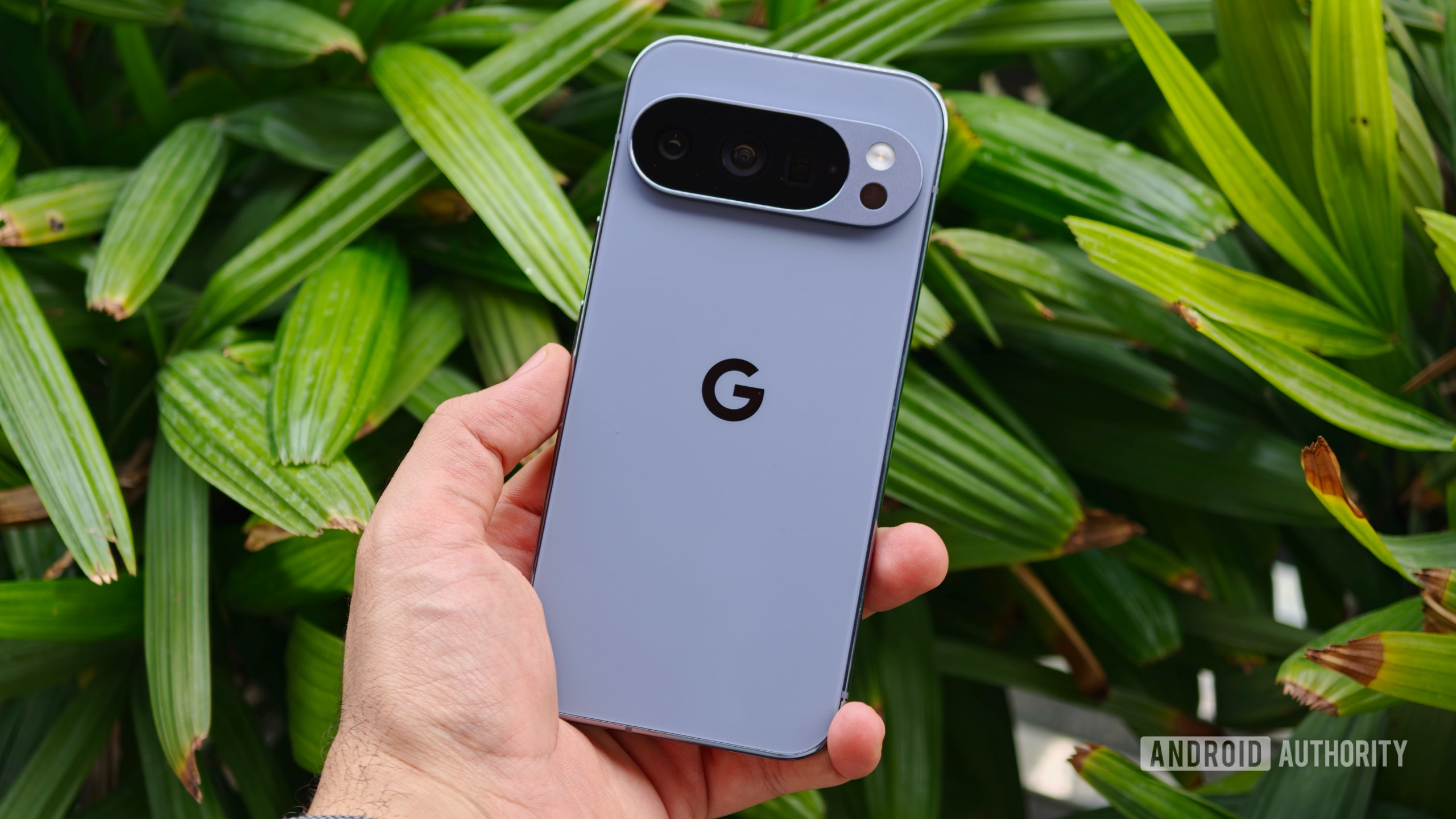
Devices such as the Nothing Phone 3 and the newer Nothing Phone 4a Pro deliberately utilize slightly more modest chipsets—such as the Snapdragon 7 series—while pouring resources into distinctive user-facing innovations. By focusing heavily on proprietary aesthetic identifiers like the Glyph Matrix notification system, streamlined software free of bloatware, and surprisingly premium supplementary hardware like periscope zoom camera modules, Nothing delivers an outsized user experience that transcends its mid-tier categorization. This product philosophy closely mirrors Google’s successful approach with its ‘A-series’ Pixel lineup, prioritizing software intelligence, design identity, and day-to-day usability over raw benchmark dominance.
Furthermore, Nothing has avoided the expensive trap of attempting to force widespread carrier adoption, appearing content to cultivate a dedicated, niche lifestyle brand. By targeting tech enthusiasts, design-conscious urbanites, and brand loyalists who prefer purchasing unlocked devices directly, Nothing has maintained a lean operational posture. This targeted demographic values software transparency and hardware originality, providing a stable, albeit smaller, revenue foundation.
Navigating Industry Rumors and Market Realities
The fragility of this ecosystem was recently underscored by troubling industry reports suggesting Nothing might be contemplating a withdrawal from the United States within the year. Although company executives, including co-founder Akis Evangelidis, swiftly refuted these rumors by pointing toward ongoing organizational restructuring aimed at maximizing operational efficiency, industry watchers remain rightfully skeptical. Similar corporate language preceded the quiet restructuring and eventual Western exit of OnePlus and its sibling brands, illustrating that public denials often serve to maintain stability while strategic transitions are evaluated behind closed doors.
As Nothing continues to streamline its regional product lineups to avoid market saturation and consumer confusion, the underlying economic pressures of the American mobile sector remain relentless. The domestic market offers astronomical rewards for successful players, but it punishes minor operational missteps with swift obsolescence.
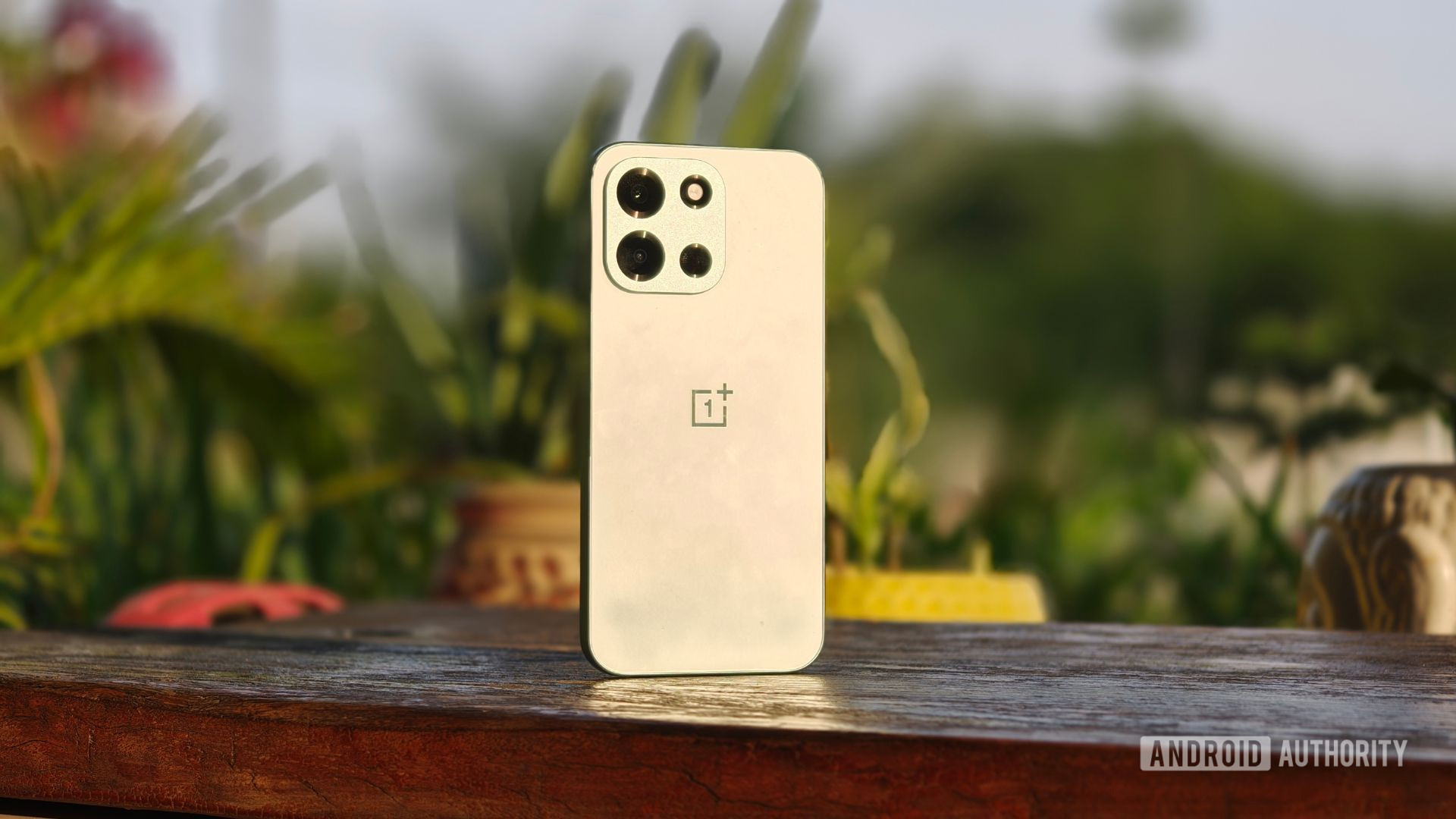
Ultimately, the preservation of market diversity depends heavily on consumer behavior. In an era where mobile hardware has increasingly converged into homogenized slabs of glass and aluminum, manufacturers willing to challenge convention are an endangered species. The prospective exit of OnePlus from North America has already impoverished the choices available to consumers; losing another distinct voice like Nothing would permanently damage the innovative vitality of the Android ecosystem. For discerning buyers who value hardware creativity, voting with your wallet by supporting independent manufacturers is no longer merely a preference—it is a vital necessity to ensure that unique technology brands can survive against the monolithic weight of industry giants.
