

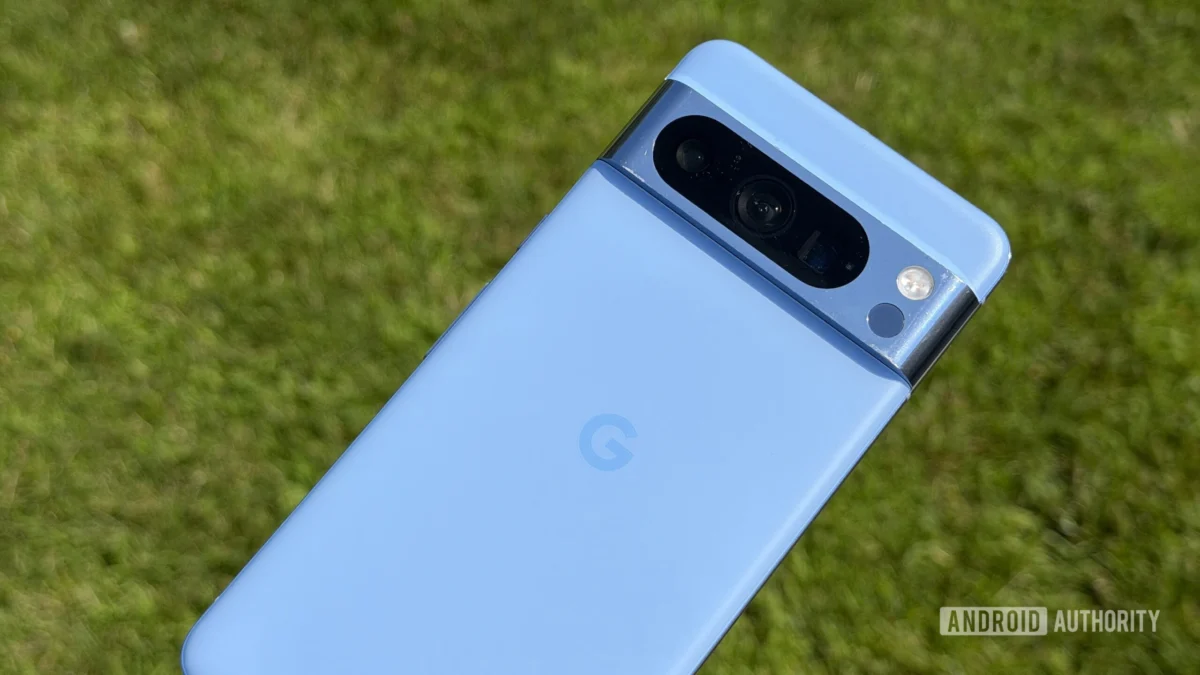
First impressions are notoriously difficult to shake, a lesson Google has learned the hard way throughout its custom silicon voyage. As the technology industry stands just weeks away from the official unveiling of the company’s sixth-generation custom system-on-chip, public sentiment is uniquely fractured, characterized by a curious blend of anticipation and profound skepticism. Recent consumer polling data highlights a distinct undercurrent of consumer hesitation, with prospective buyers adopting a cautious wait-and-see approach. Rather than blindly rushing to pre-order the upcoming Pixel 11, the market is demanding concrete proof of what the forthcoming Tensor G6 silicon can achieve before committing capital.
Having lived with and thoroughly tested every single iteration of the Tensor chipset since its inception, my perspective diverges somewhat from the widespread apprehension dominating online forums and consumer surveys. Undeniably, the developmental trajectory has been far from smooth. Shifting market dynamics, escalating component costs, and intense competitive pressures have undeniably boxed Google into a tight corner ahead of the Pixel 11 launch. Yet, characterizing the entire Tensor experiment as an unmitigated disaster overlooks the substantial, incremental engineering progress that has taken place beneath the glass and aluminum. Evaluating where Google miscalculated its strategy early on provides critical context for understanding the high-stakes balancing act defining the brand’s immediate future.
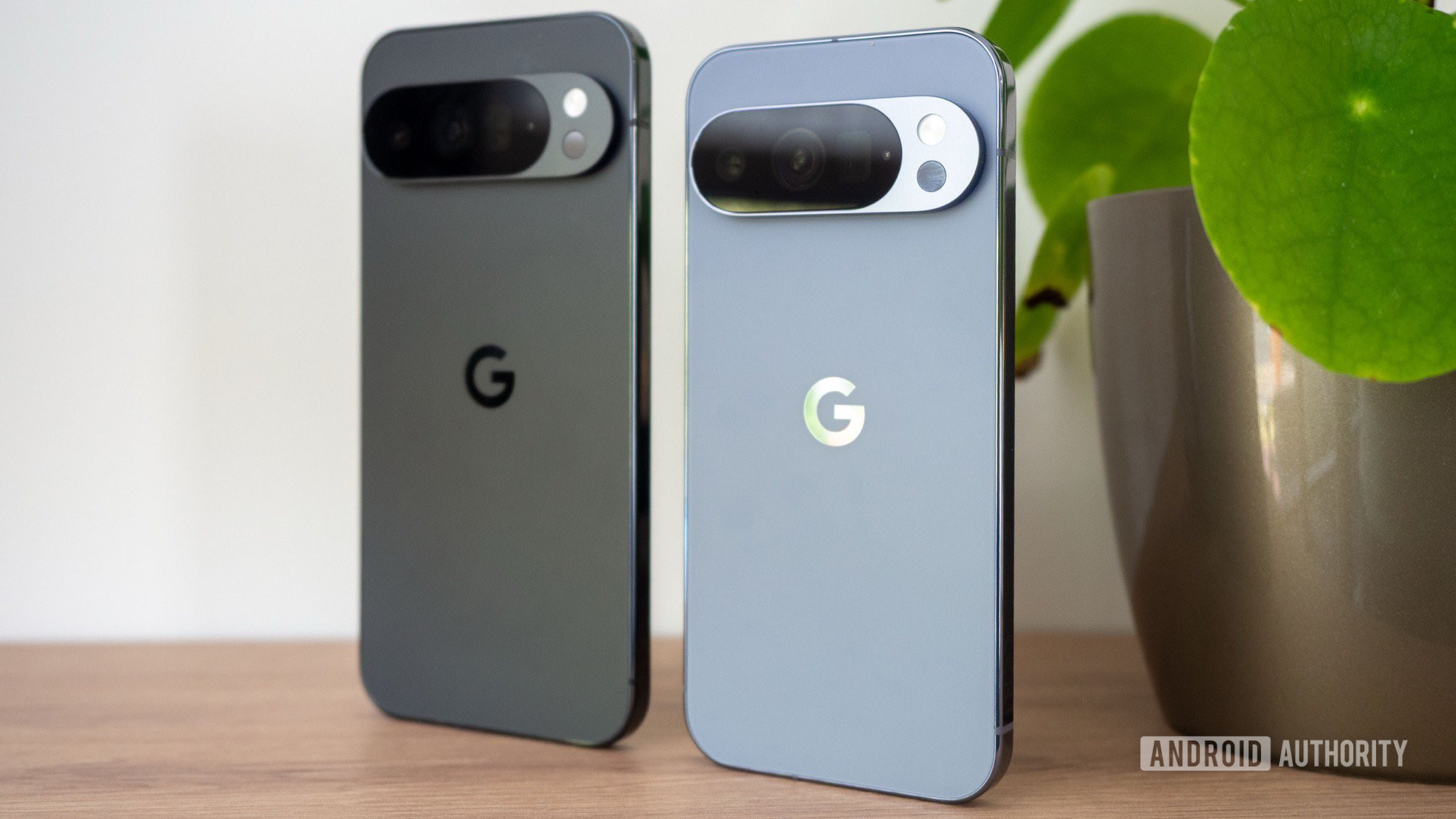
The Turbulent Genesis: Overcoming Early Thermal and Efficiency Stumbles
When Google initially abandoned off-the-shelf Qualcomm Snapdragon processors to chart its own course with the Pixel 6 series, the tech community erupted with enthusiasm. For years, enthusiasts had clamored for a vertically integrated hardware and software ecosystem akin to Apple’s iPhone strategy. The debut custom silicon promised a unified vision, pairing bespoke artificial intelligence and machine learning accelerators with a tailored processing architecture designed to bring Google’s computational photography and ambient computing ambitions to ultimate fruition.
Unfortunately, the real-world execution of that first-generation silicon fell woefully short of the soaring marketing rhetoric. The primary culprit behind the early friction was thermal mismanagement. The inaugural Tensor chip notoriously suffered from excessive heat generation under routine operational loads. This thermal throttling not only hampered raw processing speeds during multitasking or extended camera sessions but also severely compromised daily battery endurance. While subsequent software optimizations and over-the-air firmware patches eventually reined in the worst of the power drain, early adopters endured months of frustrating thermal behavior.
This rocky foundation cast a long shadow, carrying over in part to the Tensor G2 featured in the subsequent Pixel 7 lineup. While the second-generation silicon demonstrated higher thermal thresholds, localized hot spots along the polished aluminum frames remained a common complaint during intensive tasks. Combined with persistent modem efficiency criticisms, these hardware missteps alienated a vocal segment of early adopters who had invested heavily in Google’s hardware vision. Consequently, a significant cohort of users completely wrote off the Pixel ecosystem, establishing a skeptical baseline that Google has spent years fighting to overcome.
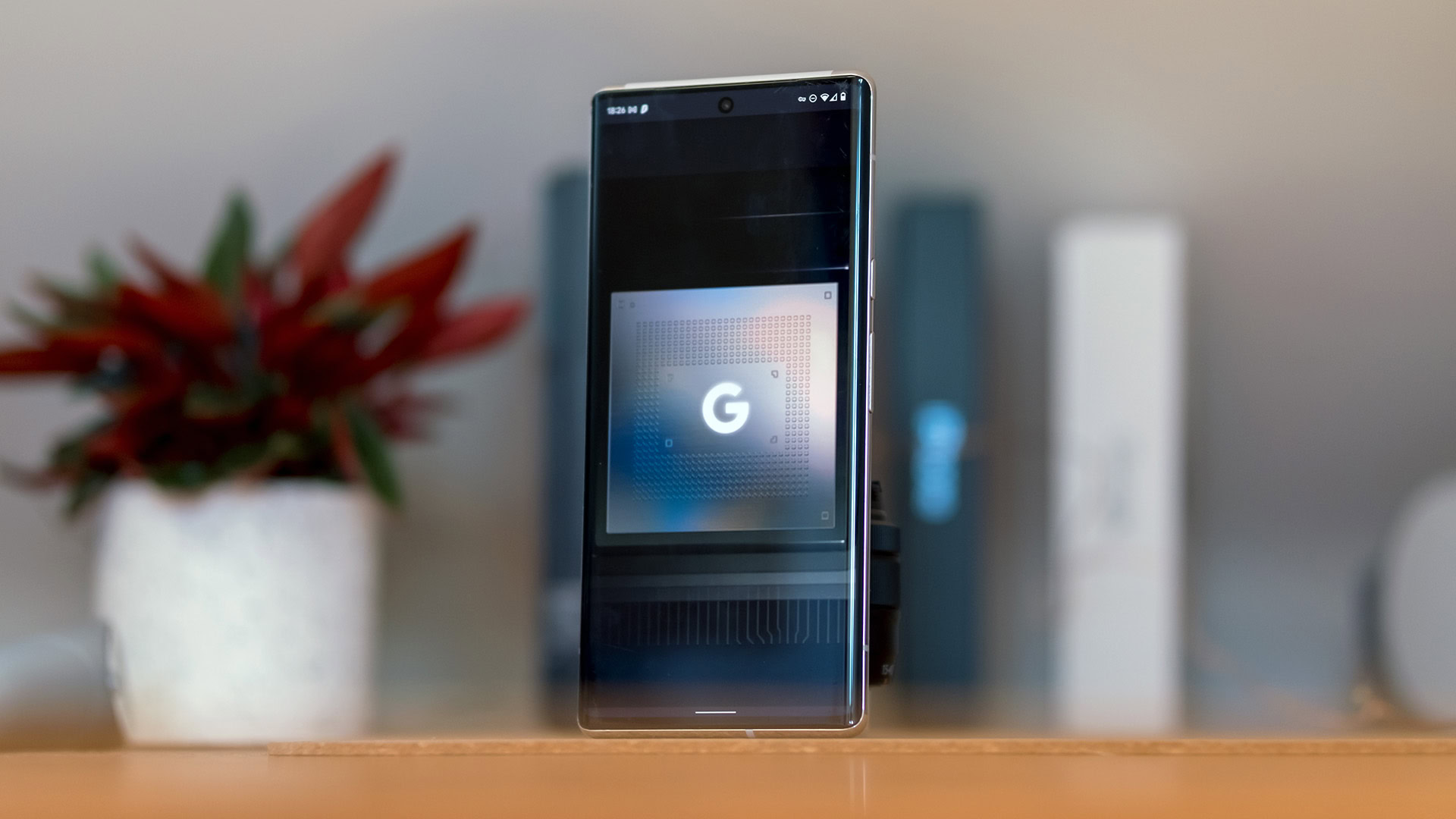
The Turning Point: Maturation and User-Centric Refinement
The turning point for Google’s custom silicon ambitions arrived quietly but decisively with the introduction of the Pixel 8 generation. For the first time, a Tensor-powered flagship delivered the dependable, all-day battery performance that modern consumers rightfully expect from a premium device. While thermal management challenges were not entirely eradicated—intermittent warmth during demanding workloads still surfaced—the severity and frequency of these occurrences plummeted dramatically.
It became increasingly evident that Google’s overarching philosophy diverged fundamentally from the pure benchmark-chasing ethos practiced by competitors. While synthetic benchmarking tools consistently placed Tensor silicon behind elite Snapdragon and Apple A-series counterparts in raw computational and graphical muscle, these metrics failed to capture the subjective user experience. On the Pixel 8 Pro, and subsequently through the refined iterations found in the Pixel 9 Pro XL and the current Pixel 10 Pro XL, the interface remained remarkably fluid. Google channeled its engineering resources into optimizing software animations, expanding contextual machine learning capabilities, and streamlining everyday workflows rather than prioritizing raw multi-core score supremacy.
Subsequent generations also addressed one of the most persistent hardware complaints: cellular connectivity. By transitioning to vastly improved modem hardware, Google resolved the erratic signal stability and excessive standby battery drain that plagued earlier models. Evaluating the current Tensor G5 within the Pixel 10 Pro XL reveals a highly capable processor built for practical, everyday utility. Demanding triple-A mobile titles load swiftly and run with acceptable frame rates, though pushing graphical settings to absolute maximums can occasionally introduce minor frame drops.
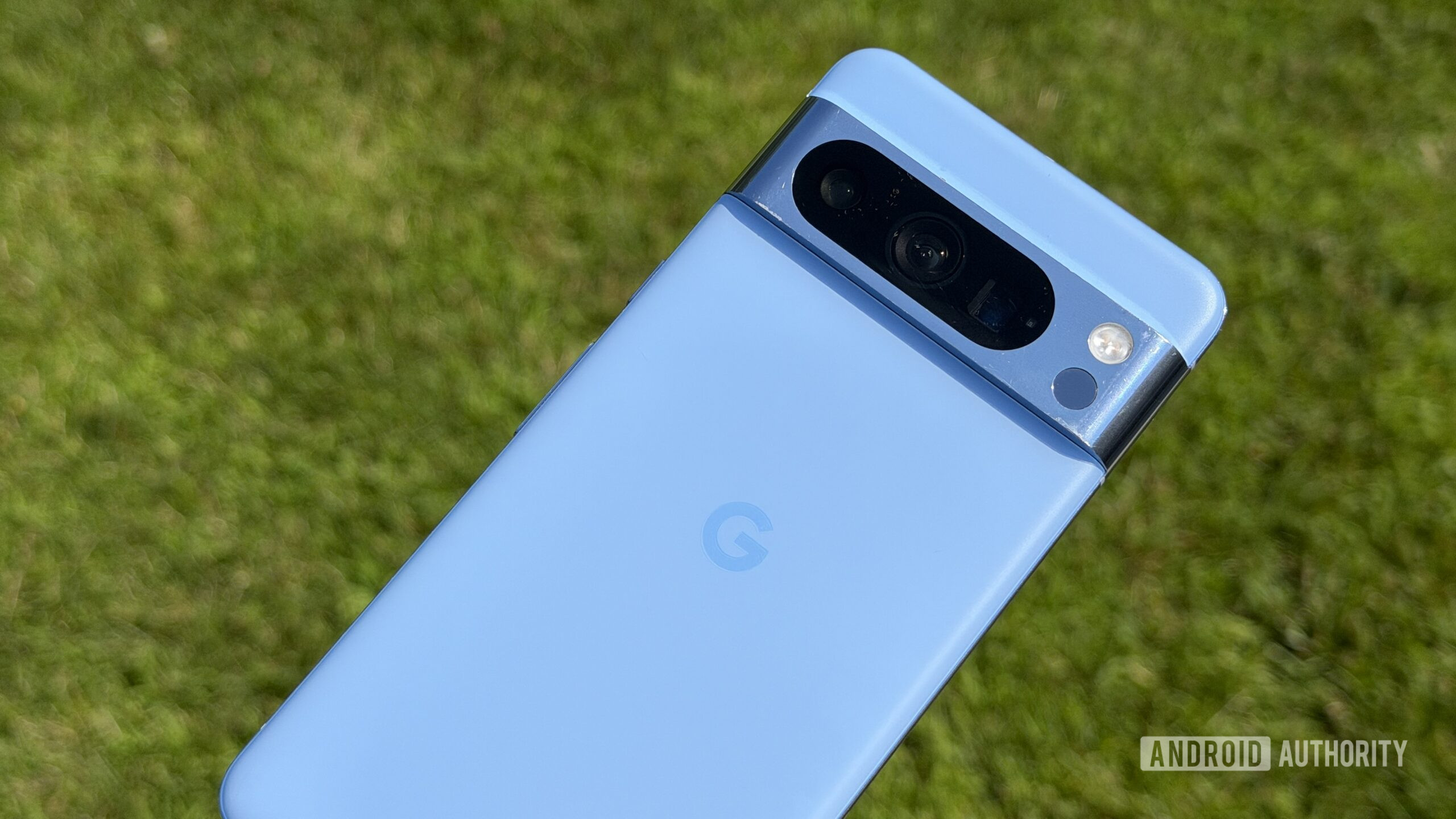
Crucially, the target demographic for Pixel hardware has never been hardcore mobile gamers or synthetic benchmark enthusiasts. Casual consumers prioritize seamless integration, intuitive software features, and ecosystem interoperability—such as the effortless cross-platform file sharing now bridging Android and iOS via Quick Share functionality. By focusing heavily on these practical touchpoints, Google successfully rehabilitated the brand image of its mobile hardware among everyday users, even if hardcore tech purists remained unconvinced.
Market Realities and the High-Stakes Dilemma of the Pixel 11
Despite these hard-won operational victories, macroeconomic shifts and aggressive competitor pricing strategies have placed Google in an increasingly precarious commercial position. As flagship smartphone prices steadily climb across the industry, baseline pricing models are pushing perilously close to ultra-premium territory. When a manufacturer prices its top-tier device in direct competition with heavyweights like Samsung’s Galaxy S-series Ultra models, consumer expectations undergo a radical transformation.
At the $1,400 price point, offering a fluid software experience and superior design aesthetics is no longer sufficient to justify a value gap. Today’s consumers demand uncompromising hardware parity. When rival manufacturers package equivalent artificial intelligence features alongside top-tier graphical processors and thermal dissipation systems, any perceived deficiency in raw silicon performance becomes a glaring liability.
This harsh commercial reality brings industry focus squarely onto the impending Tensor G6 and the upcoming Pixel 11 lineup. Industry supply chain leaks suggest that Google is acutely aware of these performance deficits, prompting engineering teams to pursue significantly more aggressive performance and efficiency architectures for the next generation of silicon. However, engineering a quantum leap in custom processor performance within a single generational cycle remains a monumental task fraught with technical hurdles.
If Google intends to command top-tier flagship pricing, the Tensor G6 must arrive fully realized, bridging the historical performance chasm that has separated Tensor from its merchant-silicon rivals since 2021. The margin for error has evaporated. Early missteps can be forgiven as growing pains when building a custom semiconductor division from the ground up, but a mature hardware program must eventually deliver holistic excellence across every hardware metric.
Looking Ahead: The Future of Vertical Integration
Evaluating Google’s silicon journey thus far requires balancing historical missteps against tangible, ongoing progress. The consumer backlash rooted in the Pixel 6 and 7 eras was entirely justified, and acknowledging those early hardware shortcomings is vital to maintaining journalistic objectivity. Yet, intellectual honesty also demands recognizing how dramatically the hardware experience has improved over subsequent product cycles. Penalizing a manufacturer indefinitely for past miscalculations serves little purpose when the current product trajectory exhibits genuine, measurable refinement.
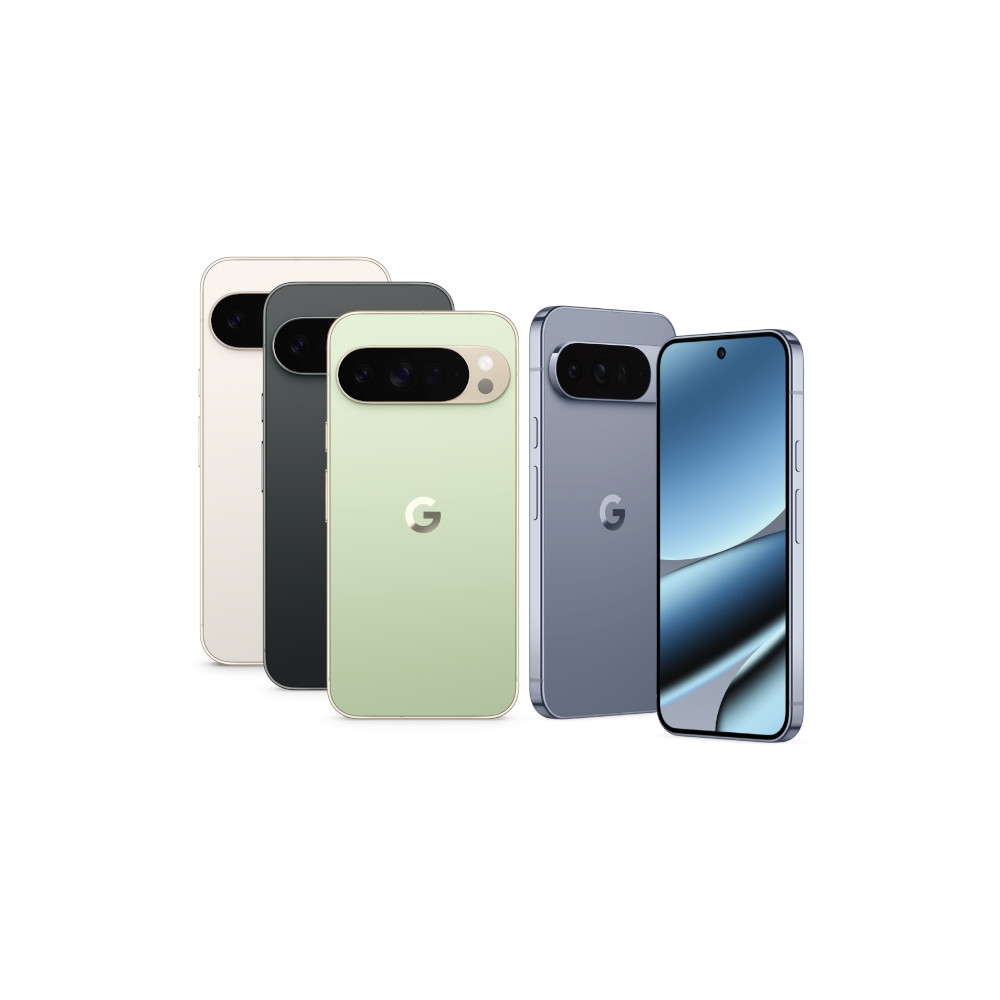
The forthcoming Pixel 11 and its debut Tensor G6 processor represent the ultimate referendum on Google’s long-term hardware strategy. Success will require more than clever software tricks and aesthetic design refreshes; it demands silicon capable of standing toe-to-toe with the most powerful mobile processors on the global market without sacrificing thermal stability or battery longevity. For consumers willing to embrace Google’s vision of ambient, AI-driven computing, the journey has evolved from a frustrating gamble into a genuinely delightful daily experience. Whether the upcoming hardware transition can successfully capture the remaining holdouts and satisfy premium buyers at the highest pricing tiers will determine the ultimate viability of Google’s custom silicon ambitions for the next decade.
