

The landscape of consumer wearables is defined by relentless iteration, where each new generation of smartwatch boasts incremental improvements in battery life, processing speed, and screen fidelity. Yet, amidst this iterative churn, genuinely disruptive or profoundly useful health metrics often remain elusive. For users invested in the Samsung Galaxy Watch ecosystem, the foundational Galaxy Watch 4, launched in 2021, possesses an unexpectedly resilient ace in the hole: the Body Composition Analysis (BCA) feature powered by Bioelectrical Impedance Analysis (BIA). Despite four subsequent hardware refreshes and the introduction of several sophisticated new metrics, this initial implementation of BIA remains, arguably, the most actionable and unique wellness tool Samsung has ever integrated into its wrist-worn devices.
The persistence of the BCA feature as a benchmark highlights a critical tension in the wearables market: the difference between collecting vast amounts of data and delivering meaningful, behavioral insights. While newer models like the Watch 5, 6, and the anticipated future iterations have focused on metrics like improved sleep tracking, advanced heart rate variability, and proprietary indices such as Vascular Load or Energy Score, none have captured the specific utility offered by direct body composition measurement. For long-term users committed to physique transformation—whether bulking, cutting, or simply optimizing body structure—the ability to track fat mass versus lean mass provides a level of granularity that mere weight tracking or even standard activity monitoring cannot replicate.
The Technical Foundation: BIA as a Differentiator
The mechanism underpinning the BCA feature is the BIA sensor, a technology traditionally confined to specialized smart scales. BIA operates by introducing a low-level electrical current across the body. When the user grips the two metallic contacts on the sides of the Galaxy Watch—completing the circuit—the device measures the impedance (resistance) the current encounters. Biological tissues exhibit different electrical properties: water-rich muscle tissue is highly conductive (low impedance), while fat tissue is relatively resistant (high impedance). By analyzing the speed and resistance of this signal, the device estimates key parameters: skeletal muscle mass, body fat percentage, and total body water.
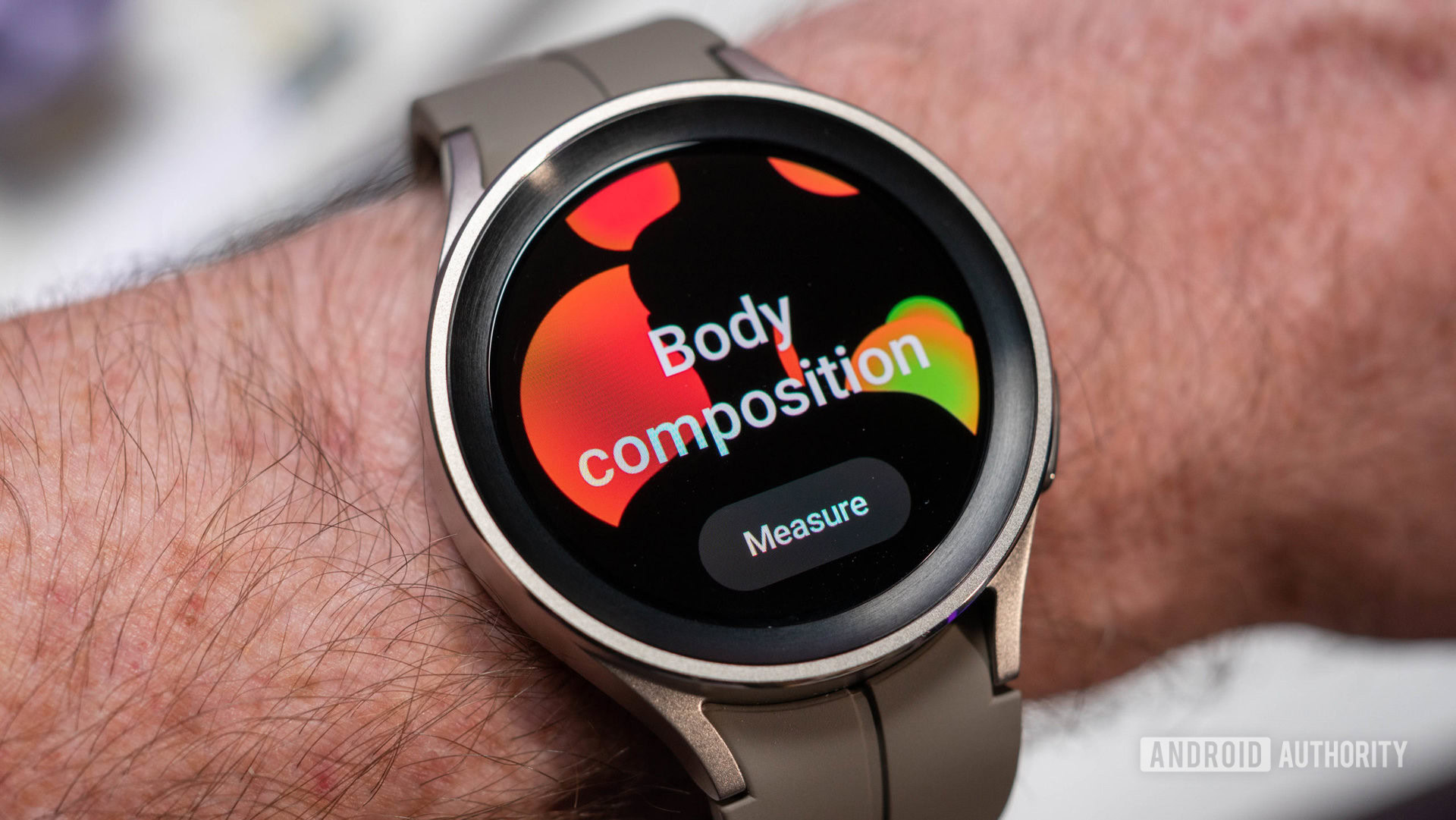
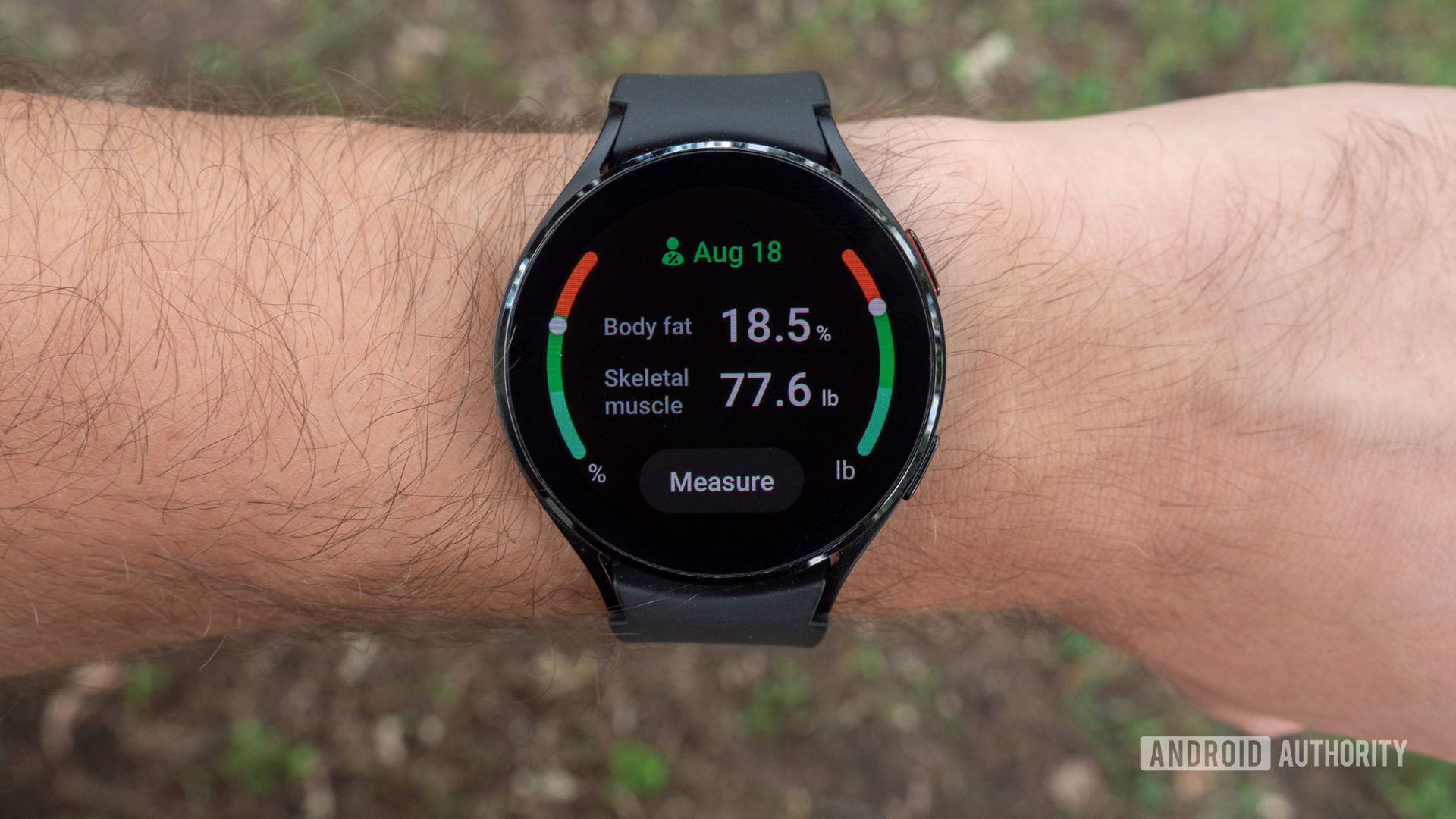
It is imperative to contextualize the accuracy of this measurement. As with all consumer-grade biometric sensors, the readings are estimations, not clinical diagnoses derived from methods like DEXA scans. Environmental factors, hydration levels immediately prior to measurement, and even the precise positioning of the fingers can introduce variability. However, the value proposition here is not absolute precision, but consistency and trend identification. A user performing the scan under standardized conditions (e.g., first thing in the morning, after voiding) can track meaningful relative shifts over weeks and months. If the goal is to increase muscle mass while simultaneously reducing adipose tissue, tracking these two vectors independently provides crucial feedback that traditional metrics obscure. Weight loss achieved solely through diet might show an encouraging drop on the scale, but BCA data can reveal if that loss was muscle or fat, dictating necessary adjustments to resistance training protocols.
Contextualizing the Gap in Successor Features
The introduction of subsequent health features on later Galaxy Watch generations has often felt like a divergence from this practical utility. Consider the Energy Score, a metric designed to synthesize sleep quality, activity levels, and heart rate data to provide a daily readiness indicator. While conceptually appealing—offering a direct answer to "How hard should I train today?"—its practical application has been criticized for inconsistency and ambiguity. When a device suggests a high energy level suitable for intense training while simultaneously advising reduced activity, the resulting confusion undermines user trust and behavioral compliance. The data becomes anecdotal rather than prescriptive.
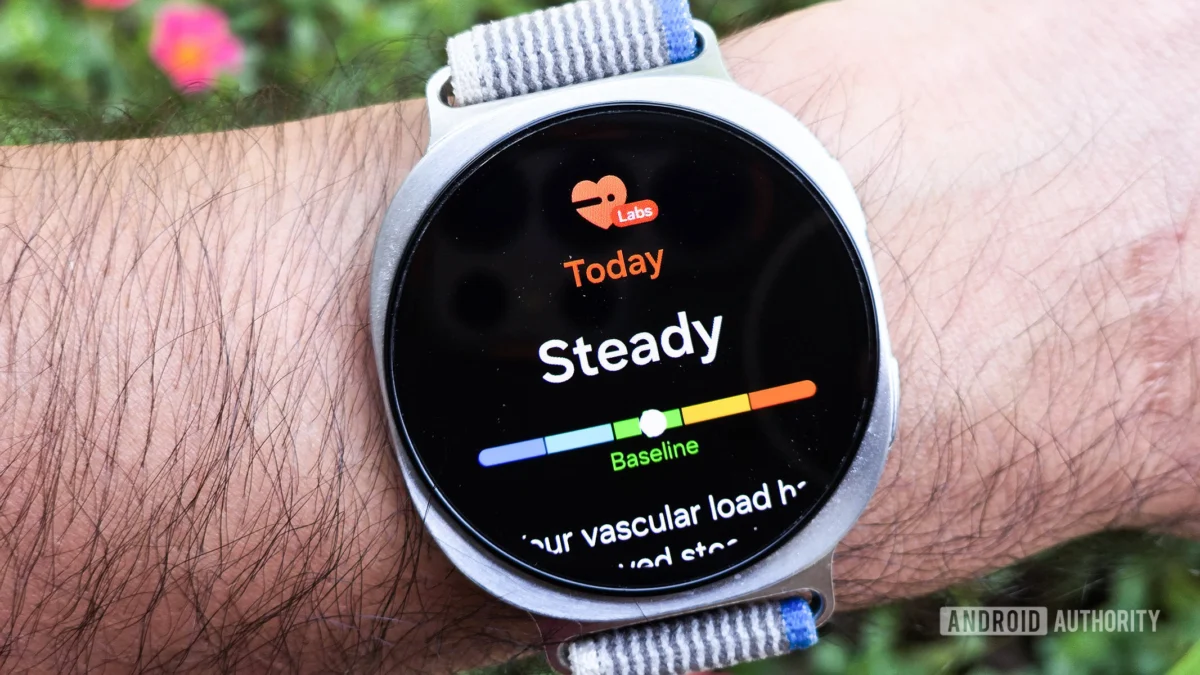
Similarly, metrics focusing on cardiovascular health, such as Vascular Load (which estimates arterial stiffness based on blood pressure readings), offer valuable preventative health data. However, for a user focused on body recomposition, this information, while important for overall longevity, does not directly inform their immediate training efficacy. The BCA feature directly correlates effort (lifting heavy weights, consuming adequate protein) with measurable, structural change, providing immediate positive reinforcement or flagging stagnation.
The AGEs (Advanced Glycation End-products) index, another health feature added in recent cycles, attempts to monitor metabolic health by estimating glycation levels. While potentially revolutionary for long-term health monitoring, its reliance on meticulous, real-time manual logging of diet and hydration in the Samsung Health application creates a significant friction point. High friction translates directly to low adoption and inconsistent data capture, rendering the metric unreliable for the average, busy user. In contrast, the BIA measurement requires only about 15 seconds of dedicated, standardized interaction—a low barrier to entry for high-value data.
Industry Implications: The Quest for Differentiators
Samsung’s introduction of BIA in a mainstream wearable was a significant industry move. It signaled a shift from purely monitoring physiological outputs (steps, heart rate zones) to attempting to measure physiological structure. This pioneering step placed Samsung ahead of competitors like Apple in this specific domain for several years. While the Apple Watch has focused heavily on ECG, blood oxygen, and eventual temperature sensing for cycle tracking, Samsung carved out a niche focused on body composition.
The failure of competitors to swiftly replicate this feature speaks to the technical hurdles involved. BIA requires precise, controlled current delivery and highly calibrated impedance measurement, which is challenging to execute reliably on a small, dynamic wrist-worn device that is constantly exposed to sweat and movement artifacts. The fact that Samsung has maintained this feature, even as they iterate on other sensors, suggests a strategic understanding of its unique market position. It serves as a powerful retention mechanism for users engaged in serious fitness pursuits, effectively creating a moat around their hardware ecosystem for this specific user segment. This "sticky" feature ensures that upgrading to a newer model is only necessary if the user values battery life or screen size over the retained BCA functionality.
Expert Analysis: The Psychology of Quantifiable Progress
From a behavioral science perspective, the BCA feature leverages the principle of immediate, structural feedback. Fitness journeys often suffer from a "progress plateau illusion," where intense effort yields no visible change for weeks, leading to dropout. Weight fluctuates due to water retention, glycogen storage, or meal timing, making the scale an unreliable motivator.
By contrast, BCA offers a tangible, number-based confirmation of internal changes. Seeing muscle mass increase by half a pound while body fat drops by a similar amount provides psychological momentum that a vague "Energy Score" cannot match. This is the core of its enduring value: it translates subjective feeling ("I feel stronger") into objective, verifiable data ("My calculated muscle mass is up 0.5 lbs this month"). This capability is indispensable for periodized training programs where subtle shifts in body composition—not just total weight—are the true markers of success.
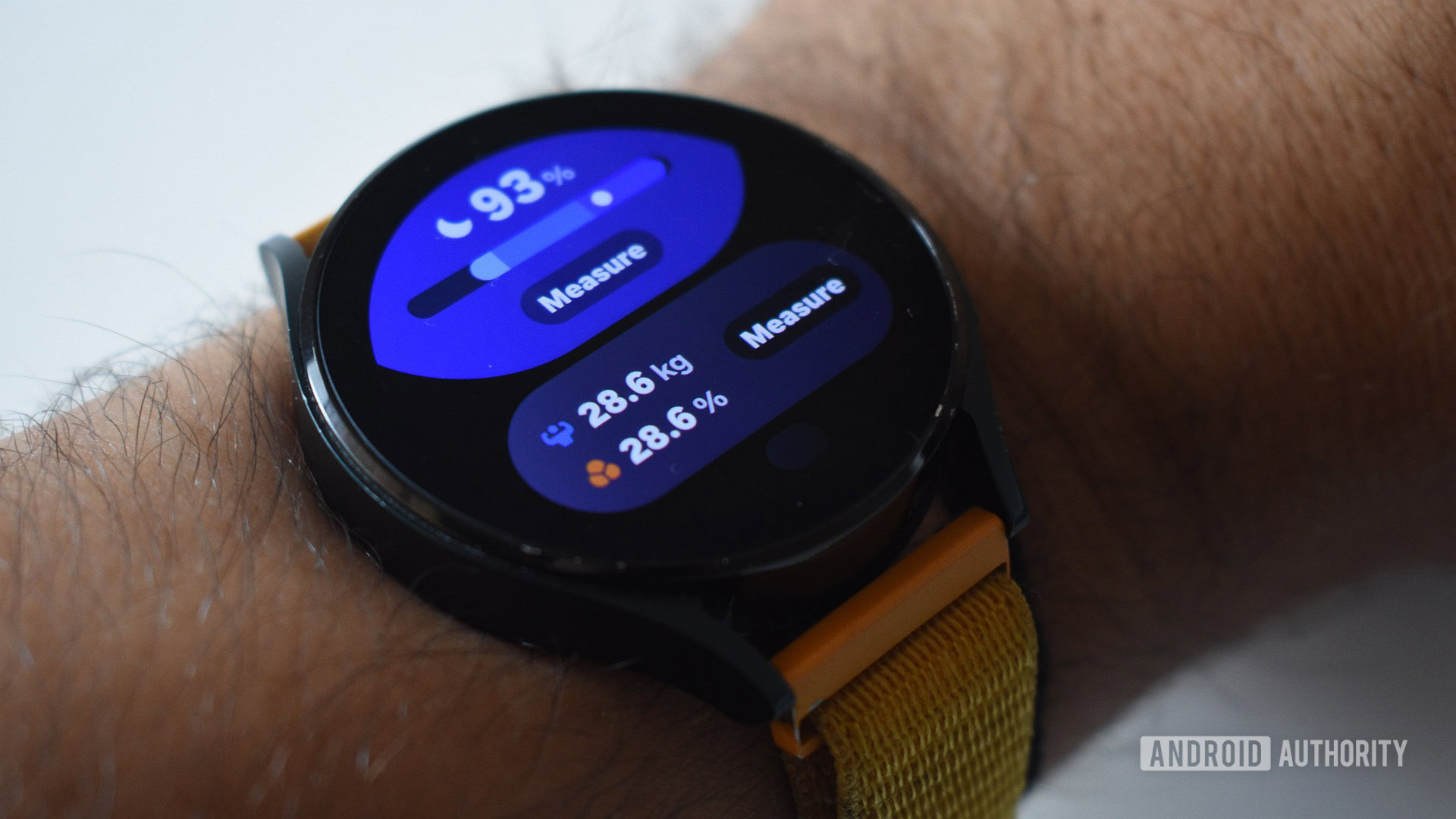
Furthermore, the very act of taking the measurement—requiring the user to pause, hold still, and physically engage with the device using both hands—forces a moment of mindful assessment. This deliberate interaction contrasts sharply with passive monitoring, encouraging a deeper connection between the user’s actions and the resulting data feedback loop.
Future Trajectories and Remaining Hurdles
The future of wearables hinges on moving beyond simple activity logging toward clinical-grade insights. While BIA on the wrist is a significant step, its limitations—primarily variability and the need for standardized testing environments—remain the primary obstacle to widespread adoption as a truly trusted health tool.
For Samsung to truly leapfrog the competition again, the next evolution of this feature would likely involve integrating it with more comprehensive internal metrics. Imagine if the BCA data was seamlessly correlated with hydration monitoring derived from advanced skin sensors, or if it could predict optimal loading phases for strength training based on calculated muscle fatigue thresholds derived from electrical resistance changes over time.
However, the trend of adding complex, potentially unreliable composite scores (like Energy Score) suggests that the immediate focus might be elsewhere. The enduring success of the original BCA feature lies in its focused simplicity. It addresses one core question—"What is my body made of?"—with a relatively direct answer. Future iterations must either significantly improve the accuracy of BIA to approach clinical standards or introduce equally focused, highly reliable structural metrics. Until then, the foundational technology introduced years ago continues to outperform its newer, more complex counterparts in delivering consistent, actionable fitness data to its dedicated user base. The reliance of long-term users on the Galaxy Watch 4 underscores a crucial lesson for all tech manufacturers: functionality that directly enables tangible personal goals often outlasts features that merely sound impressive on spec sheets. The BCA sensor, requiring nothing more than two fingers and a moment of focus, remains the most pragmatic and powerful health sensor in the current Samsung wearable arsenal.
