

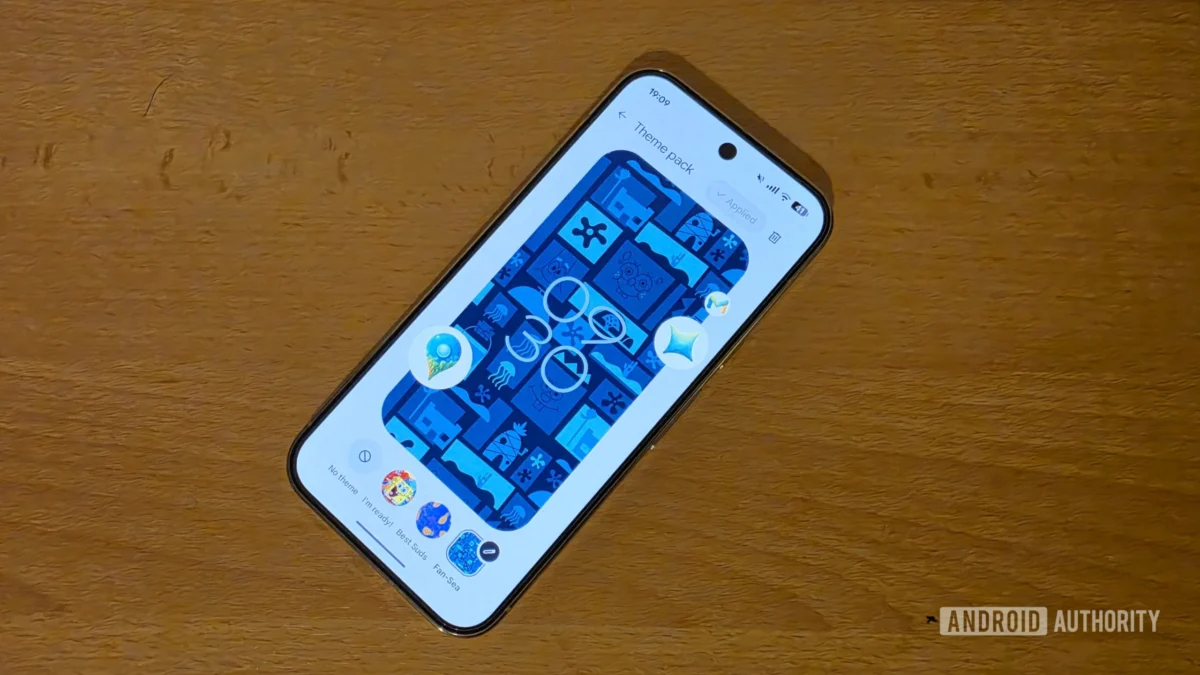
The recent unveiling of the Android 16 Quarterly Platform Release 3 (QPR3) update brought with it a predictable suite of functional enhancements to the Google Pixel ecosystem. Users welcomed the long-awaited granular control over the "At a Glance" widget, the reinstatement of navigable button order customization, and nuanced adjustments to system utilities like the flashlight intensity control. These iterative improvements are essential for maintaining platform parity and user satisfaction in the highly competitive smartphone market. However, juxtaposed against these enduring software refinements is a curious, yet profoundly frustrating, introduction: the limited-time SpongeBob SquarePants theme packs. These highly specialized, character-driven cosmetic additions, which offer a significant injection of personality into the otherwise clean, minimalist Material You interface, are currently scheduled for digital expiration on May 1, 2026. This imminent expiry date, falling less than two months after the QPR3 release, transforms what could be a celebrated feature into a source of palpable consumer disappointment.
To fully appreciate the significance of this consumer sentiment, one must consider the historical context of customization on Google’s flagship devices. For years, the Pixel line has prioritized software purity and algorithmic superiority over deep aesthetic flexibility. While competitors, particularly those running heavily customized versions of Android, offered robust theming engines supporting thousands of third-party icon packs and intricate visual overhauls, Pixels remained relatively restrained. The argument often centered on maintaining visual consistency and ensuring that Google’s bespoke AI features were not obscured by overly aggressive user modifications. Consequently, the introduction of bespoke "Theme Packs"—fully integrated cosmetic suites encompassing wallpapers, custom icons, specialized sounds (ringtones and alarms), and even animated elements like integrated GIFs—represents a significant philosophical pivot for the Pixel experience.
The SpongeBob theme pack, in particular, taps into a deep vein of nostalgic cultural resonance. For long-time fans of the franchise, which debuted in 1999, this feature transcends mere digital decoration; it is a means of projecting personal identity onto a device that serves as the central hub of modern life. The ability to imbue the home screen with the anarchic, vibrant energy of Bikini Bottom, moving beyond static wallpapers into a cohesive, system-wide aesthetic, is, for many users, the most genuinely exciting software addition in recent memory. This appreciation is magnified by the fact that these themes are available across the entire Tensor-powered lineup, extending the fun to budget-conscious A-series users and those inheriting older hardware.
This brings us to the central conflict: the temporal limitation. The experience is inherently bittersweet, mirroring the precedent set by previous limited-run themes, such as the "Wicked" collection from the previous year. Once May 1, 2026, passes, the ability to download and activate these theme packs will be permanently revoked. While users who have already secured the themes will likely retain their functionality, the chilling caveat is that any new device activation, factory reset, or system migration will result in their permanent loss. This creates a peculiar digital scarcity that undermines the perceived value of the feature.
From a technical standpoint, extracting the purely visual assets—the wallpapers—is achievable through third-party screen capture utilities. However, the true immersion lies in the synchronized elements: the custom notification sounds, the unique alarm tones, and, crucially, the application icon overlays that adhere strictly to the Material You theming framework. These deeply integrated system sounds and icon resources are not readily transferable or easily replicated by general customization apps. Thus, the theme pack is presented not as a permanent addition to the user’s software toolkit, but as a trial experience with a hard expiration date.
This licensing model warrants expert analysis concerning intellectual property management and software distribution strategy. Google’s foray into branded collaborations, particularly with globally recognized properties like SpongeBob SquarePants (owned by Paramount Global), is undoubtedly governed by strict contractual agreements. These agreements almost certainly mandate a specific promotional window tied to the software rollout cycle—in this case, QPR3. Such terms are common in media licensing, designed to maximize exposure during a specific marketing push. For Google, these collaborations serve multiple strategic purposes: generating positive buzz around typically dry software updates, appealing to younger demographics, and perhaps most critically, driving hardware sales by offering exclusive, time-gated content only accessible on the Pixel platform.
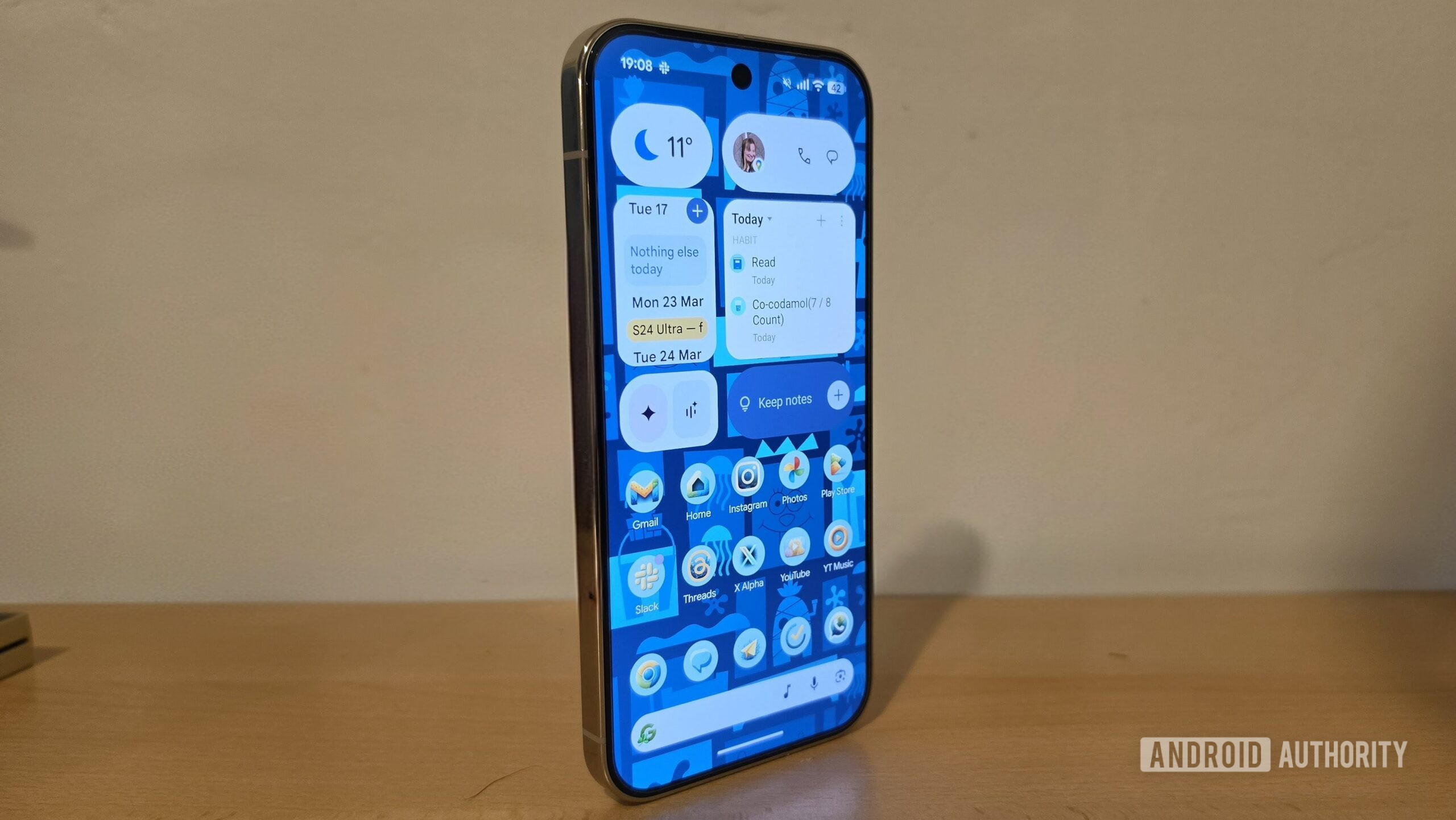
However, from a consumer trust perspective, this strategy carries significant risk. When a company introduces a feature that is demonstrably beloved and provides a unique selling proposition (USP) for its hardware, only to announce its predetermined obsolescence, it breeds cynicism. The sentiment articulated by users is one of being teased—offered a taste of a desired level of personalization only to have the door slammed shut. This contrasts sharply with the general expectation that software features, once integrated into the operating system, become a permanent fixture for the supported hardware lifespan.
The industry implication here is twofold. First, it sets a dangerous precedent for future premium features. If users become accustomed to expecting that exciting, branded content will vanish, they may hesitate to invest time or emotional attachment into adopting new Pixel-exclusive functionalities, fearing they too are temporary assets. Second, it highlights the ongoing tension between proprietary, controlled ecosystems (like Google’s) and the open-source nature of Android itself. While Apple maintains tighter control over iOS customization, leading to fewer, but often more permanent, themed experiences, Google’s middle ground—offering exclusive, yet ephemeral, content—feels less satisfying to the power user base that values longevity.
Looking toward future trends, Google must reconcile the commercial success of these limited-time drops with the inherent user frustration they cause. If the licensing fees for enduring use are prohibitive, alternative strategies must be explored. One potential path involves creating a more robust, permanent framework for user-generated or developer-created themes. While the integration of licensed content may necessitate expiry due to royalty structures, the underlying technological scaffolding introduced to support these themes—the custom icon rendering, the system sound replacement—should be made permanently available for non-branded personalization. This would satisfy the core user demand for customization while respecting IP constraints.
Furthermore, Google could explore a "perpetual license" model for themes that remain installed. If a user downloads the SpongeBob pack before the May 1, 2026 deadline, the license should transition from an active promotional license to a "grandfathered" personal license for that specific device instance. This acknowledges the user’s early adoption and commitment, even if the theme is no longer available for new users or fresh installations. This approach mitigates the punitive effect of factory resets, which often feel like a penalty for maintaining a device responsibly.
The demographic appeal of the SpongeBob themes cannot be overstated. While the initial commentary may originate from long-term enthusiasts, the utility of these playful themes is undeniable for younger users or families utilizing Pixel A-series phones as primary devices for children. For these users, the software environment is a direct extension of entertainment and play. The sudden removal of beloved characters and sounds is not merely an inconvenience; it can represent the loss of a comforting, familiar interface element. A commitment to the younger segment of the mobile market requires more consistent support for playful personalization, not timed expiration.
In conclusion, the Android 16 QPR3 update delivered tangible improvements, but the temporary nature of the SpongeBob theme pack overshadows these advancements for a vocal segment of the user base. While the underlying reasons are likely rooted in the complex, cost-intensive realities of entertainment licensing agreements, the execution feels strategically misaligned with long-term user loyalty objectives. Google has successfully demonstrated its capability to deliver highly engaging, integrated cosmetic features. The critical challenge now is to architect a sustainable distribution model that allows these features, or at least the underlying technological framework they showcase, to persist beyond arbitrary deadlines. Until a more permanent solution is devised for these beloved collaborations, future Pixel software drops featuring such exciting, yet fragile, content will continue to be met with an undercurrent of reservation rather than pure excitement. The anticipation of future drops is inevitably tempered by the shadow of potential digital removal, a dynamic that ultimately diminishes the perceived value of the Pixel ecosystem’s evolving software identity. The lesson for platform holders is clear: features that resonate deeply with user identity should strive for permanence; if not, the messaging surrounding their fleeting nature must be managed with far greater transparency and sensitivity to avoid alienating the very community they aim to delight.
