

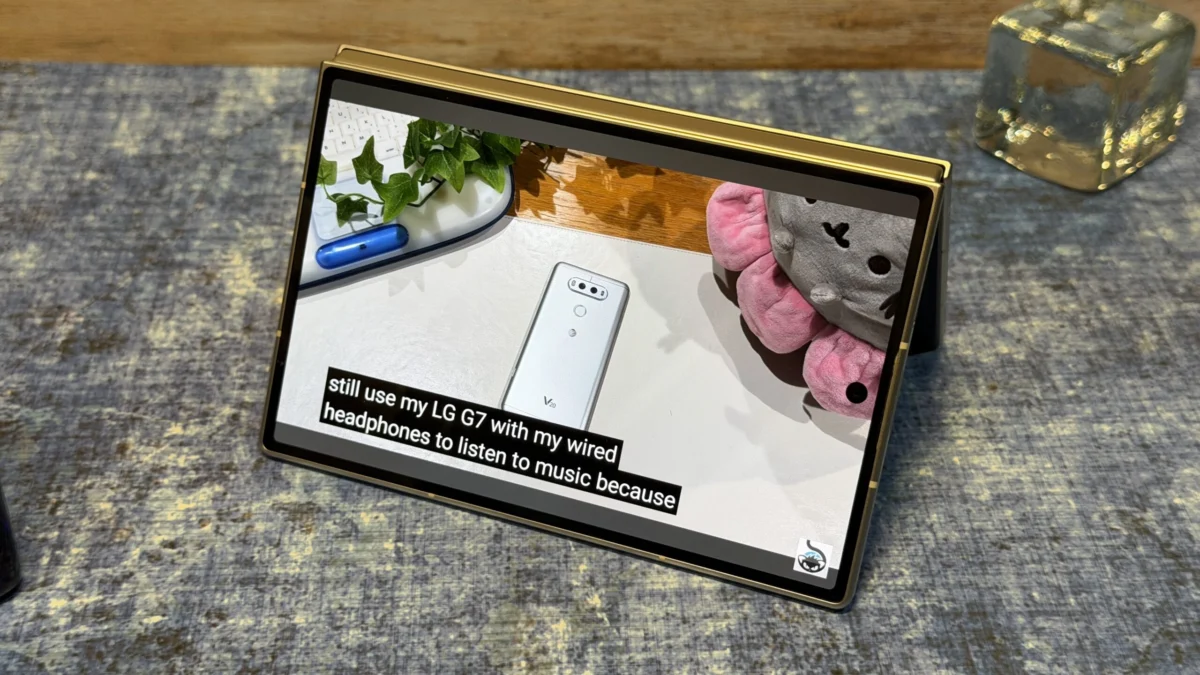
The evolution of foldable smartphones has been defined by incremental hardware tweaks and software adaptations designed to convince consumers that a dual-screen device is worth its exorbitant price tag. For years, the industry standard for book-style foldables relied heavily on proprietary multi-angle hinges capable of holding their position at virtually any degree of articulation. This capability birthed productivity-centric software suites—most notably Samsung’s signature Flex Mode—which transformed portable hardware into miniature laptop setups. When early technical specifications indicated that the mainstream iteration of Samsung’s latest flagship foldable would abandon this multi-angle retention system, critics and power users alike anticipated a major step backward. Yet, spending extended time with the hardware reveals a far more nuanced narrative about engineering priorities, ergonomic comfort, and how daily device interaction is fundamentally reshaped by mechanical innovation.
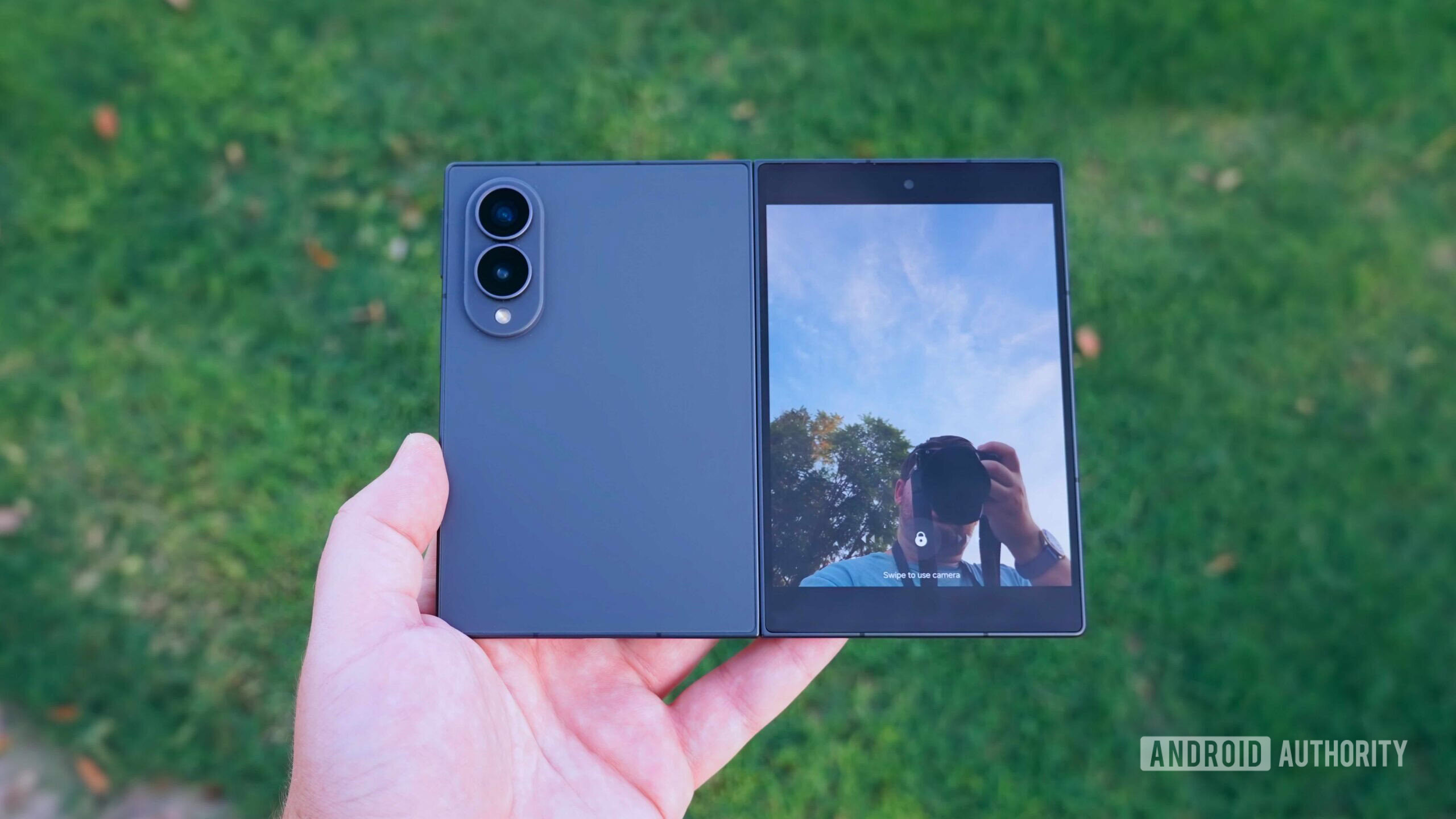
To understand the weight of this design shift, one must examine the role that multi-angle hinges have played since their commercial inception. Samsung popularized the concept of holding a foldable display partially open, utilizing a resistive clutch system inside the hinge mechanism. This hardware foundation was paired with One UI adaptations that split functional interfaces across the vertical axis. The upper half of the display typically dedicated itself to media playback or video conferencing, while the lower half acted as a virtual keyboard, trackpad, or media control deck. For users deeply entrenched in the ecosystem, this capability was non-negotiable. It addressed a primary ergonomic hurdle of mobile media consumption: the need to constantly prop up a device or hold it at awkward angles during extended viewing sessions.
The decision to omit this capability from the standard flagship model while retaining it in the premium Ultra tier initially sparked speculation regarding artificial market segmentation. Consumers are understandably wary of feature stripping implemented solely to justify higher price tiers. However, a closer inspection of the internal architecture clarifies that the omission stems from a fundamental overhaul of the physical deployment mechanism rather than arbitrary software gating. Incorporating a titanium-reinforced display substrate alongside advanced magnetic assistance modules required a complete reimagining of how the device transitions between closed and open states. This mechanical redesign traded arbitrary angle adjustment for a drastically improved deployment trajectory, prioritizing fluidity and tactile satisfaction over static positioning.
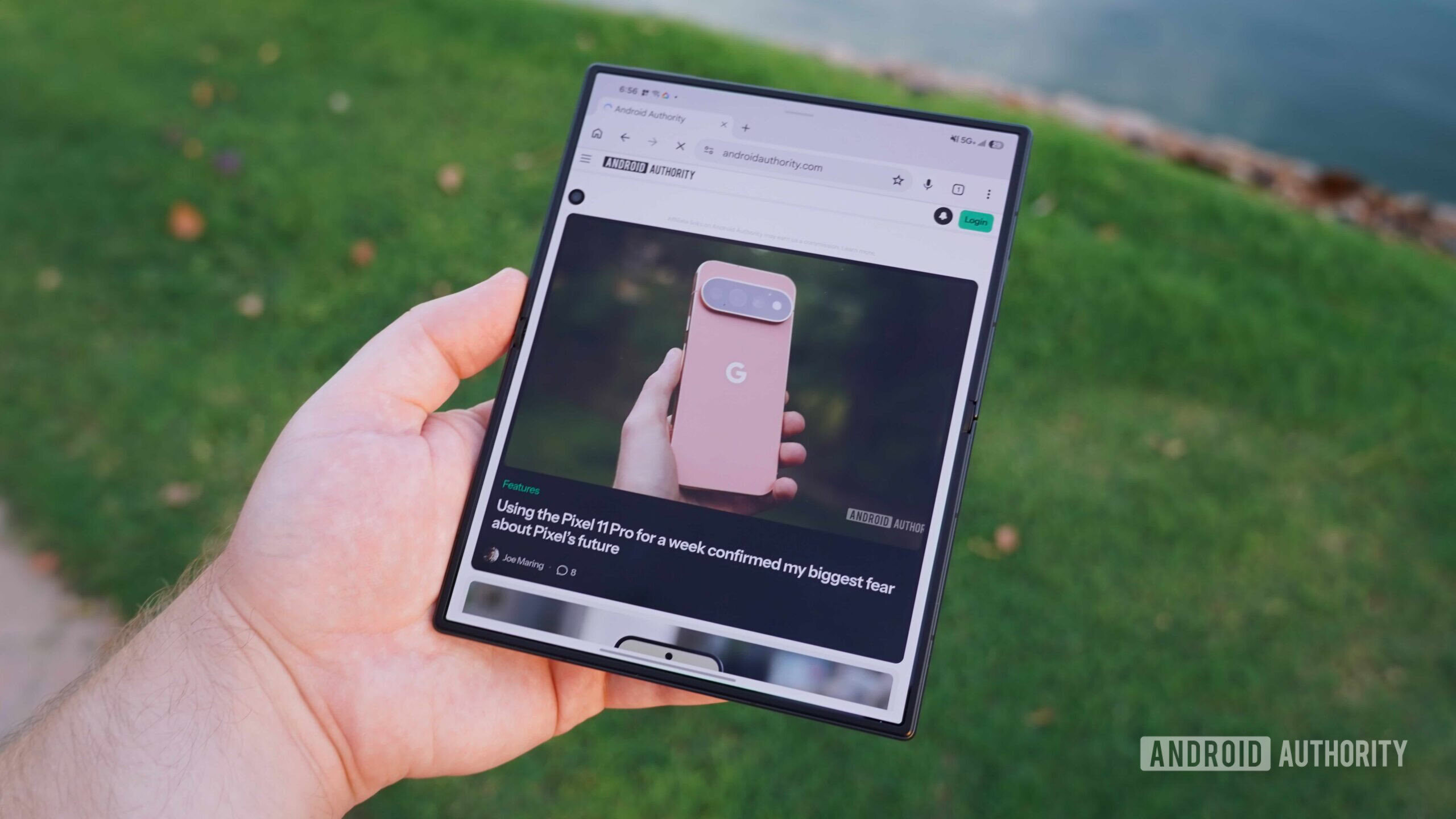
In practical, day-to-day operation, this new mechanical philosophy manifests as a remarkably different physical dynamic. Traditional folding devices demand deliberate, continuous manual effort across the entire arc of opening. Users often find themselves wrestling with hinge resistance, requiring a conscious two-handed maneuver to fully reveal the inner canvas. The latest iteration alters this physical feedback loop entirely. The initial three-quarters of the opening motion require standard manual input against baseline resistance, but crossing the 75% threshold triggers an engineered magnetic snap. At this juncture, the internal mechanics and magnetic forces assume control, effortlessly completing the transition into a fully flat state. This mechanical assist evokes the smooth, self-centering nature of automotive steering geometry, where manual initiation seamlessly yields to automated final positioning.
This seemingly minor mechanical refinement carries profound implications for user behavior. Historically, market research has consistently indicated that foldable phone owners default to using the outer cover screen for the vast majority of routine tasks. The psychological and physical friction associated with deploying the primary internal display—requiring two free hands, careful gripping, and deliberate force—acts as a persistent deterrent. By reducing this deployment friction, the updated hinge architecture effectively removes the psychological barrier to unfolding. When opening a device becomes a fluid, effortless gesture rather than a calculated chore, utilization patterns shift dramatically. The internal screen transforms from a situational productivity tool into the primary interface for everyday interactions, fundamentally altering the value proposition of owning a foldable device.
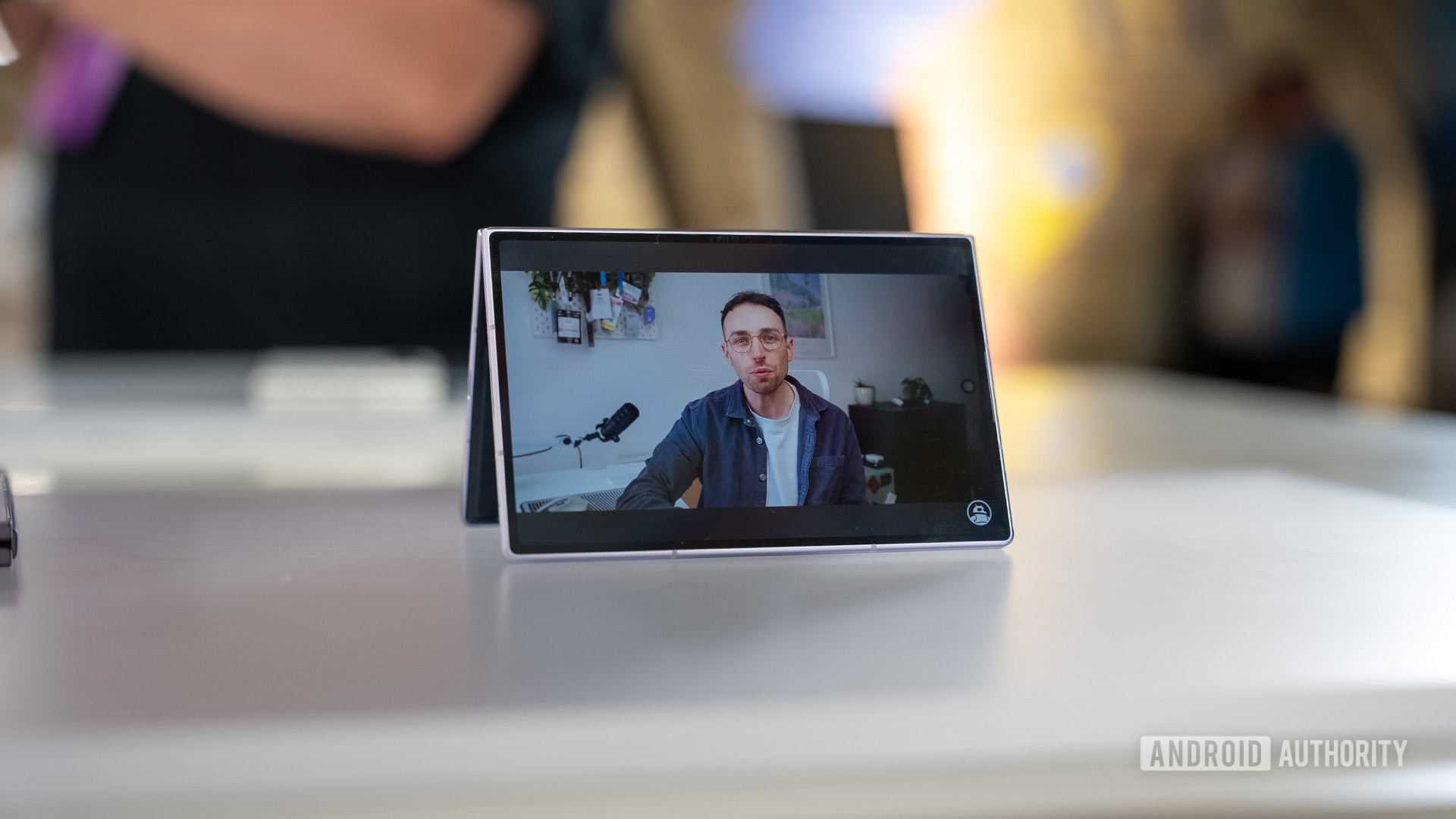
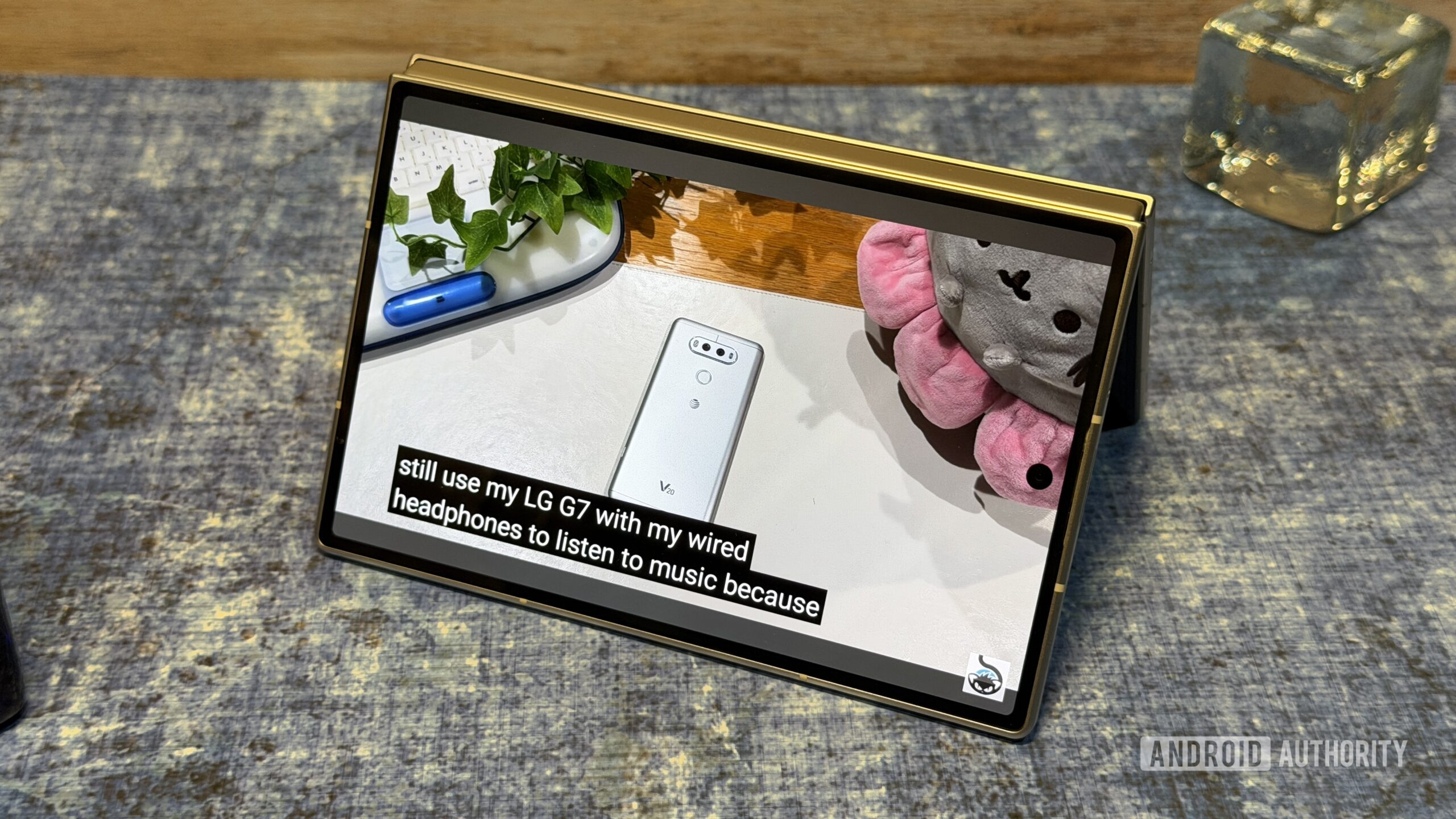
Furthermore, the abandonment of continuous multi-angle adjustment has naturally given rise to alternative usage paradigms, chief among them being "tent mode." By partially opening the device and resting it on its sides with the cover screen outward, users can achieve stable, hands-free video consumption without relying on the internal hinge’s friction clutches. This configuration presents distinct advantages over legacy layouts. Modern foldables feature increasingly prominent camera modules and exceptionally thin chassis profiles, characteristics that make traditional laptop-style propping inherently unstable on uneven surfaces. Tent mode provides a structurally sound alternative that eliminates the wobbling often experienced with older multi-angle configurations, while simultaneously protecting the primary inner screen from desk debris and potential abrasion.
Admittedly, this alternative workflow involves certain compromises, particularly regarding software integration. Utilizing the device in a triangular stance means sacrificing the split-screen UI paradigms of traditional half-folded interfaces. System-wide media controls and virtual touchpads integrated into the lower display real estate are absent when relying on the outward-facing cover screen for media playback. For users who heavily relied on those specific software tools for multi-tasking or specialized workflows, the omission remains a tangible trade-off. Yet, this limitation is offset by the broader aspect ratio adjustments implemented in the latest generation. The wider cover screen accommodates standard widescreen video content far more naturally, reducing letterboxing and delivering an immersive viewing experience without requiring aggressive pinch-to-zoom gestures.
The broader industry context highlights a persistent tension between versatility and specialization within the foldable market. Manufacturers are increasingly recognizing that a single hardware philosophy cannot efficiently serve every consumer demographic. By bifurcatng the product lineup—retaining traditional multi-angle stability in productivity-focused, ultra-premium variants while streamlining the core mechanical architecture of mainstream models—brands can better tailor devices to specific user behaviors. Consumers whose workflows demand rigorous multi-tasking, digital artistry, or laptop-replacement workflows retain access to comprehensive articulation support. Conversely, buyers who prioritize media consumption, single-handed pocketability, and effortless everyday operation benefit from a lighter, more reliable, and mechanically superior opening mechanism.
Ultimately, evaluating a generational tech upgrade requires looking past spec-sheet omissions to examine real-world utility. For years, specialized UI modes like Flex Mode functioned as essential band-aids compensating for the physical awkwardness of early foldable hardware. They offered compelling software solutions to mechanical limitations. By engineering a hinge mechanism that makes the primary display a joy to access, the latest generation addresses the root cause of foldable hesitation rather than merely masking it with software features. The resulting shift in daily habits—where unfolding the device becomes second nature—outweighs the loss of a situational viewing mode. It represents a mature step forward in mobile engineering, proving that sometimes sacrificing a legacy feature is the necessary cost of achieving true ergonomic progress.
