

The modern consumer technology landscape is defined by an ongoing quest for seamless integration. For years, users have carried powerful computers in their pockets while simultaneously utilizing traditional laptops, tablets, and desktop workstations for productivity tasks. Despite the ubiquity of these devices, moving fluidly between a smartphone and a personal computer has historically involved clunky workarounds, third-party software utilities, or cumbersome cable connections. While ecosystems like Apple’s have long mastered the art of universal clipboards, continuity cameras, and effortless mirroring, Android developers have faced a steeper climb due to the platform’s open-source fragmentation and diverse hardware ecosystem.
However, recent developments suggest that a paradigm shift is underway. Deep within the architecture of core system applications, industry analysts have uncovered compelling evidence that Google is engineering a native solution to bridge the physical and functional gap between smartphones and personal computers. As anticipation builds for the commercial debut of a new class of Android-powered portable computers—frequently referred to in development circles as Googlebooks—recent code disclosures indicate that your smartphone may soon double as a fully functional wireless trackpad, transforming how users interact with secondary displays and remote computing environments.
To understand the weight of this technological evolution, one must examine how our relationship with mobile devices has matured. Historically, smartphones function as standalone command centers. We use them to answer calls, draft messages, capture media, and navigate urban landscapes. Occasionally, we extend their utility to larger screens via casting technologies, mirroring our mobile displays onto living room televisions or conference room monitors. Yet, these interactions have largely remained one-way streets. Using a phone as a precision input device for a desktop-class operating system has traditionally required specialized third-party applications, which often suffer from high latency, erratic gesture recognition, and frustrating configuration processes.
Google’s evolving Cross-Device Services ecosystem aims to rewrite this narrative entirely. By inspecting recent package updates—specifically version 1.0.1283.974003524 of the system service framework—analysts have identified an in-development feature internally designated as the "Cast trackpad" tool. While not yet active for everyday consumers, the underlying code and hidden user interface strings paint a vivid picture of a deeply integrated input methodology designed to unify mobile and desktop hardware.
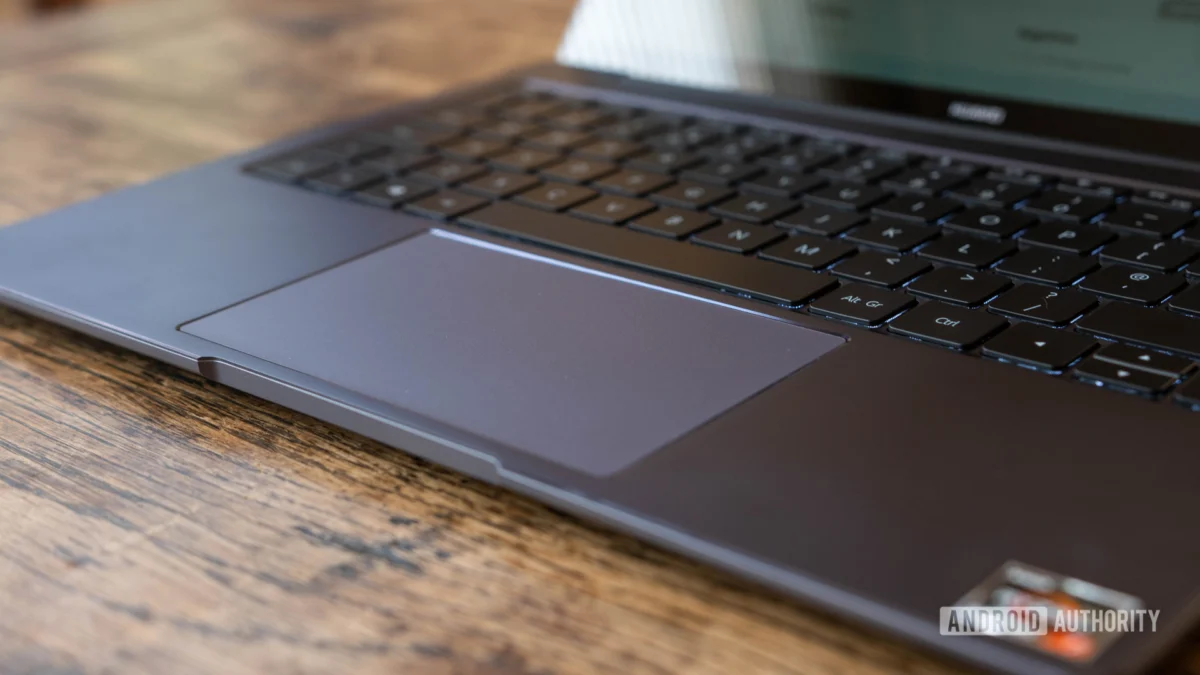
The mechanics of this upcoming feature appear both robust and intuitive. Rather than serving as a basic, rudimentary mouse pointer simulator, the discovered trackpad architecture supports advanced gesture controls capable of distinguishing between multi-finger inputs, taps, swipes, and directional scrolls. This granularity allows users to navigate complex desktop environments with the same fluidity they expect from high-end physical trackpads built directly into premium laptops. Furthermore, the interface incorporates dedicated software buttons for essential navigation commands, including a dedicated "back" action alongside precise volume management sliders. Sensitivity configuration menus have also been mapped out within the codebase, ensuring that individuals can fine-tune the tracking speed and acceleration curves to match their personal ergonomic preferences.
The timing of this discovery is particularly telling. The tech industry is bracing for the arrival of next-generation Googlebook laptops—devices that step away from traditional ChromeOS architecture in favor of a deeper, more native Android foundation. These upcoming hardware releases, slated to hit the market from various major manufacturing partners, represent a strategic effort by Google to unify its computing platforms. By anchoring these new portables firmly in the Android ecosystem, the company is laying the groundwork for a hardware continuum that rivals competing desktop-mobile synergies.
The practical applications for a smartphone-powered trackpad extend far beyond casual browsing. Consider professional scenarios where a laptop is connected to an external projector, smart display, or monitor during a high-stakes corporate presentation or academic lecture. Conventionally, a presenter is either tethered to the physical machine to advance slides or forced to rely on bulky, single-purpose clickers that offer limited functionality. With a smartphone functioning as an integrated remote trackpad, the presenter gains total command of the computing environment from anywhere in the room. Beyond merely advancing slides, the user can fluidly jump between open applications, manage audio output levels on the fly, and interact with complex user interfaces without ever returning to the host machine.
This functionality does not exist in a vacuum; it is part of a broader, reciprocal casting philosophy. Earlier telemetry and app teardowns have already highlighted features such as "Cast My Apps," which allows users to seamlessly access and run mobile applications directly on their Googlebook interface. Viewed through this lens, the newly discovered trackpad tool acts as the inverse mechanism. It establishes a bidirectional bridge where the phone controls the computer just as fluidly as the computer accesses the phone. This symmetrical integration eliminates the cognitive friction typically associated with multi-device workflows, allowing digital workspaces to expand and contract dynamically based on user needs.
Market competition will undoubtedly play a crucial role in shaping how consumers receive and utilize these features. Apple’s ecosystem dominance has long been anchored by the seamless handoff between iPhones, iPads, and MacBooks, setting an exceptionally high bar for hardware and software continuity. For Google, successfully deploying a cross-device trackpad mechanism on hardware from diverse manufacturers represents both a technical triumph and a vital strategic imperative. Because Android operates across a sprawling marketplace of varied screen sizes, chipsets, and form factors, creating a universally responsive input system requires meticulous optimization.
As software engineers continue to refine these hidden interfaces, the broader developer community remains watchful. APK teardowns provide a valuable lens into the future trajectory of consumer technology, though they also serve as a reminder that work-in-progress code is subject to iteration, revision, or even shelving prior to a wide commercial rollout. Nevertheless, the convergence of evidence surrounding Googlebook hardware and advanced cross-device services suggests that a more connected, fluid computing experience is rapidly approaching reality.
When these next-generation laptops officially debut, consumers will finally have the opportunity to test whether these deeply integrated software solutions can successfully close the continuity gap. By turning the familiar smartphone touchscreen into a responsive, gesture-aware desktop controller, Google is reimagining the peripheral hardware market. Ultimately, this approach signals a future where the boundary between mobile and desktop computing dissolves entirely, leaving users with a unified, flexible digital toolkit tailored for the demands of modern productivity.
