

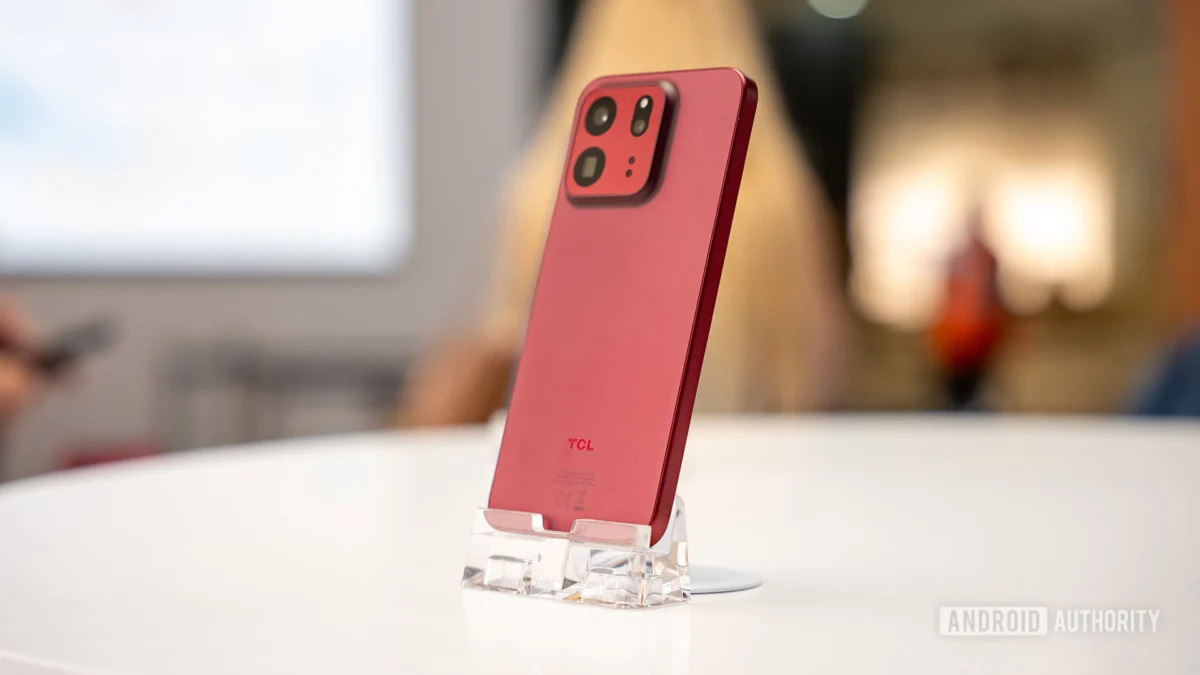
The modern smartphone consumer has grown increasingly cynical. For years, manufacturers have relied on flashy headline-grabbing gimmicks—such as eccentric camera island designs, nominal software flourishes, or single-metric performance milestones—to mask deficiencies in core everyday usability. Buyers are routinely forced into an unpalatable compromise: accept substandard battery life, sluggish processors, or cut-rate optics in exchange for an innovative, unique marquee feature.
TCL is aggressively dismantling this paradigm. With the introduction of the P80 Series, spearheaded by the formidable P80 Ultra, the brand is asserting that a device can offer genuinely disruptive visual technology without sacrificing the rigorous foundational hardware modern users demand. Rather than treating its proprietary screen innovations as a crutch for mediocre engineering, TCL has built a thoroughly comprehensive device that aggressively undercuts and outperforms traditional market incumbents within its pricing tier.
Setting a New Benchmark for Everyday Performance
When analyzing the mid-to-high smartphone segment, historical expectations dictate that certain hardware corners must be cut. Budget allocations inevitably favor either compute power or optical quality, leaving consumers to navigate a sea of lateral upgrades. The P80 Ultra disrupts this compromise by delivering a specification sheet that rivals devices commanding significantly higher price tags.
At the core of the P80 Ultra’s optical array is a class-leading 50-megapixel 3x periscope telephoto lens. In a category where competitors frequently rely on digital cropping or omit dedicated zoom infrastructure entirely, TCL’s inclusion of a true optical periscope mechanism is a massive coup. Paired with a generous 50-megapixel primary sensor utilizing a large 1/1.56-inch optical format, the device delivers exceptional light-gathering capabilities. The primary shooter benefits from an f/1.88 aperture, dual optical and electronic image stabilization (OIS and EIS), and Dual Native ISO processing. This combination ensures that users capture crisp, dynamically balanced imagery across wildly shifting illumination conditions, extending uncompromised clarity all the way to 6x portrait focal lengths.
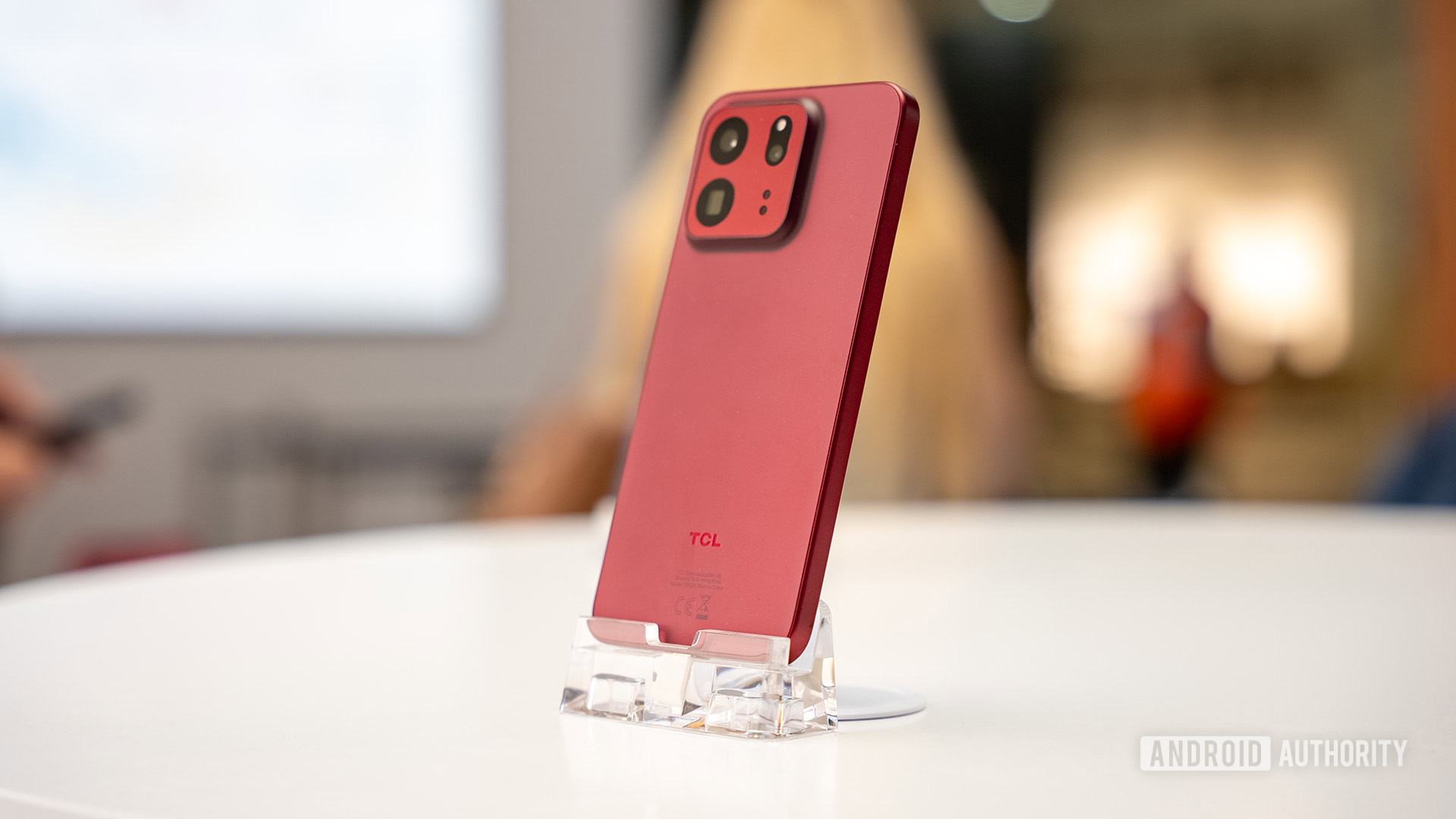
Performance capabilities are equally uncompromising. Beneath the chassis lies MediaTek’s advanced 4nm Dimensity 7400 Elite processor. This silicon is paired with 8GB of physical RAM, which can be dynamically expanded by up to an additional 16GB using virtual RAM allocation, and up to 512GB of onboard storage. Power anxiety is mitigated by a robust 5,800mAh battery cell supported by 45W Super Fast Charging.
Crucially, TCL is addressing the industry-wide demand for longevity. The P80 Ultra promises up to four major operating system upgrades alongside seven years of comprehensive security patches. This software support commitment places the device shoulder-to-shoulder with Tier-1 flagship competitors, ensuring that the hardware remains secure and up-to-date for years to come. Modern computational conveniences are fully integrated, featuring Google Gemini, Circle to Search, and AI-driven translation tools that seamlessly complement the underlying silicon.
Industrial Design and Cross-Portfolio Strength
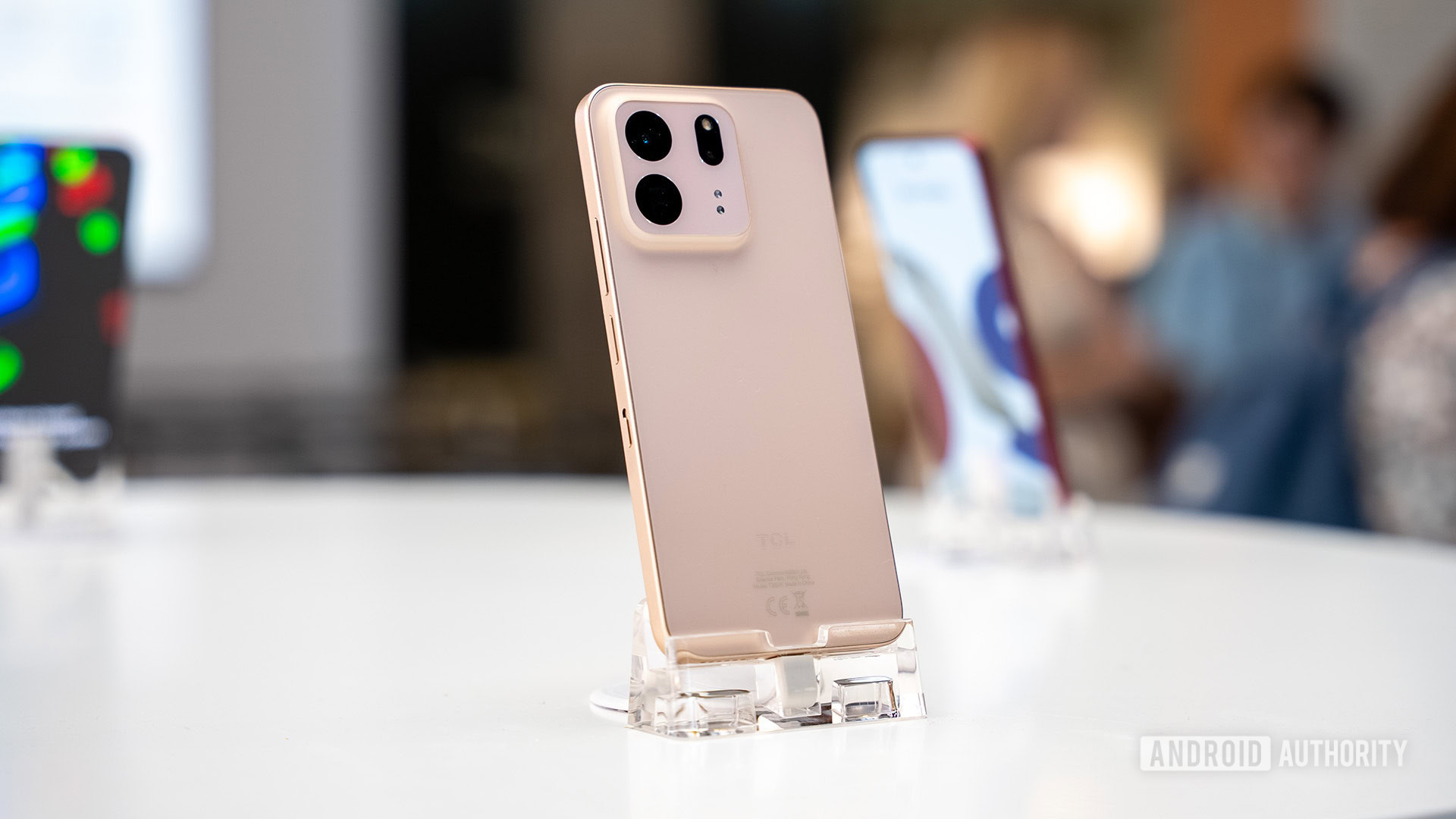
Hardware value extends beyond raw internal specifications into ergonomics and aesthetic execution. The physical architecture of the P80 Ultra was engineered in collaboration with renowned Color, Materials, and Finish (CMF) expert Chris Lefteri. Through exhaustive global consumer testing across major international metropolitan areas, TCL refined the tactile profile and colorways—available in Sunlit Gold, Midnight Blue, and Burgundy—resulting in an ultra-slim, lightweight profile that feels exceptionally balanced in the hand.
This hardware philosophy cascades effectively down the entire P80 family tree. The P80 Pro inherits the line’s stellar display architecture while boasting a massive 5,800mAh battery that comfortably outclasses standard regional competitors. Similarly, the standard P80 disrupts the entry-tier segment by pairing high-end charging speeds and a 1.5K display resolution with a significantly lighter structural footprint than its primary rivals.
The Evolution and Industry Impact of NXTPAPER Technology
While the P80 Ultra’s conventional hardware suite makes it a formidable contender on purely technical merits, its true differentiator lies in the integration of TCL’s proprietary NXTPAPER technology. Available on both the Ultra and Pro variants, this marks the first time the company has successfully married its eye-comfort display innovation with an AMOLED panel, representing the culmination of a decade of research and five generations of iterative development.
For years, the consumer electronics industry has treated eye strain as an afterthought, relying on basic software blue-light filters that often distort color accuracy and degrade the viewing experience. TCL’s approach is fundamentally hardware-centric. The latest generation of NXTPAPER incorporates a Natural Soft-light System, Nano Crystal Shield Glass, and 24-hour Proactive Eye Comfort Technology.
The physical engineering behind the screen is remarkable. Nano-etched anti-glare etching diffuses ambient environmental light, drastically mitigating harsh reflections that typically plague mobile screens under direct sunlight. Meanwhile, hardware-level low-blue-light emissions and flicker-free DC dimming protect ocular health during extended night-time reading sessions or prolonged media consumption. Furthermore, Nature-inspired Light Conversion utilizes up to 95% circular polarization. This engineering feat allows the display to remain perfectly legible outdoors, even when the user is wearing polarized sunglasses—a scenario that typically renders traditional OLED screens entirely black.
Perhaps the most innovative user-facing feature is the dedicated physical NXTPAPER Key. A single mechanical slide instantly transitions the interface into a specialized e-reader environment. Users can choose between Paper Mode, which mimics the texture and tone of physical print through four distinct stylistic profiles, and Max Ink Mode, a high-contrast, distraction-free monochrome setting. For professionals, students, and avid readers who consume vast quantities of documents, articles, and e-books on mobile devices, this functionality transforms the smartphone into a dual-purpose productivity tool.
Market Implications and Future Trajectory
The launch of the TCL P80 Series signals a broader maturation in the global smartphone market. As component costs stabilize and consumer demand shifts toward practical longevity rather than superficial yearly refreshes, brands must innovate beyond raw performance metrics.
By refusing to force a binary choice between cutting-edge visual ergonomics and powerhouse everyday hardware, TCL has established a compelling blueprint for mid-range value. The P80 Ultra demonstrates that niche innovations—when backed by uncompromising cameras, robust battery architecture, premium processing power, and long-term software support—can transcend novelty status. As consumer awareness regarding digital wellness and screen fatigue continues to rise, the integration of hardware-level eye-comfort solutions like NXTPAPER may well transition from an exclusive differentiator to an industry-standard expectation. For now, the P80 Ultra stands as a masterclass in balanced engineering, proving that exceptional value is achieved not by subtraction, but by intelligent, holistic addition.
