

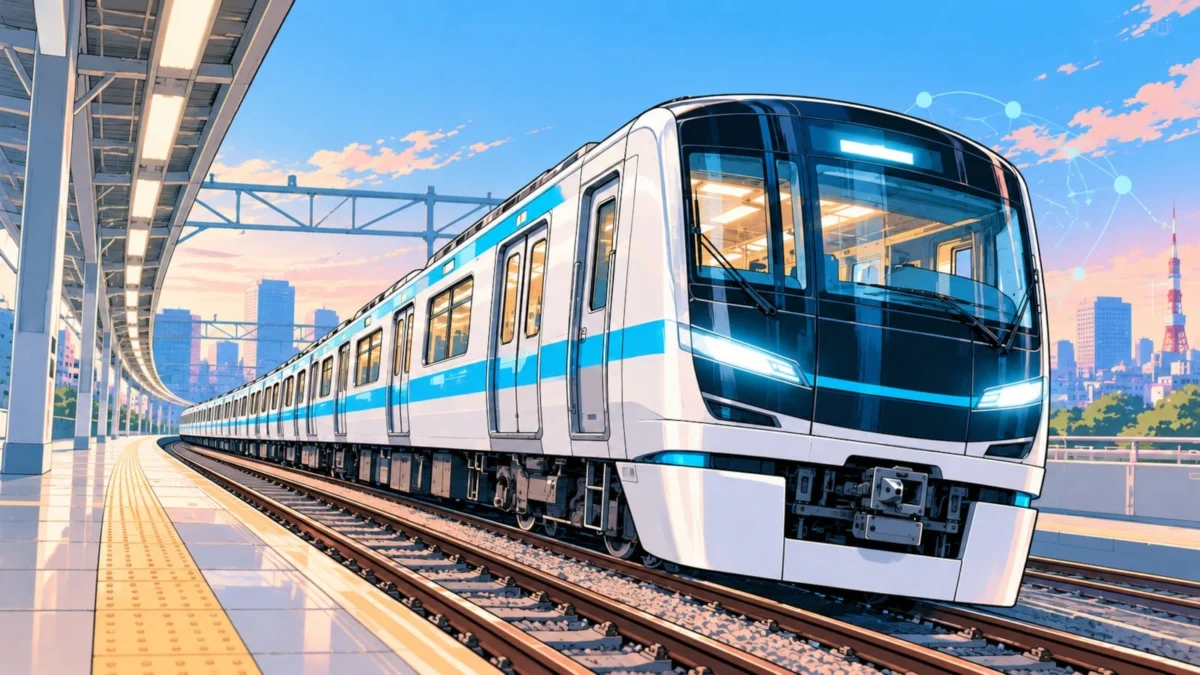
The intricate and sprawling transit networks of Japan’s capital found themselves under unexpected digital siege over a single weekend, illuminating the pervasive vulnerabilities facing critical infrastructure operators worldwide. Keio Corporation, a prominent private railway conglomerate operating extensive transit lines and hospitality assets across the Tokyo metropolitan area, confirmed it was the victim of a disruptive ransomware attack. Concurrently, another cornerstone of Tokyo’s mass transit framework, Tokyo Metro, disclosed a separate security breach that exposed tens of thousands of customer email addresses. While investigators continue to comb through logs and digital footprints, the dual incidents have reignited urgent conversations surrounding the cyber resilience of operational technology, corporate IT environments, and the systemic risks posed to metropolitan transportation networks.
The breach at Keio Corporation came to light in the early hours of Saturday, September 26, 2026. According to official disclosures and corporate statements, an anomalous system failure triggered immediate internal investigations, which quickly revealed that unauthorized actors had successfully deployed ransomware across a portion of the group’s enterprise servers. Moving with deliberate caution, corporate leadership ordered an immediate, partial shutdown of internal network segments to quarantine the infection, stymie lateral movement, and prevent further degradation of digital assets.
Keio operates as a multifaceted enterprise boasting roughly 85 kilometers of rail infrastructure and 69 transit stations, alongside a robust hospitality subsidiary encompassing 25 hotels, such as the internationally recognized Keio Plaza Hotel Tokyo. Employing over 2,200 personnel and generating annual revenues hovering around $2.6 billion, the conglomerate represents a high-value target for financially motivated cybercriminal organizations. Fortunately, initial impact assessments brought a measure of relief to commuters: the core railway signaling, train control, and transit operations infrastructure remained completely segregated from the compromised corporate networks and continued to function without interruption.
Instead, the ransomware blast radius appeared to concentrate heavily on the hospitality and business management side of the enterprise. Reports from local media and supplementary advisories published on hospitality portals indicated that electronic payment processing frameworks and select customer-facing booking portals experienced significant turbulence and processing delays. In its official commentary, Keio confirmed that local law enforcement had been formally notified. The organization also partnered with specialized cybersecurity firms and external forensic experts to trace the exact vector of entry, map the depth of the intrusion, and verify whether any sensitive corporate data, employee records, or patron information had been exfiltrated. As of yet, no prominent ransomware extortion syndicate has publicly claimed responsibility for the assault on Keio’s servers.
Adding to the unease within Japan’s transportation sector, Tokyo Metro released an urgent security notice detailing an unauthorized intrusion that also transpired over the weekend. Unlike its corporate counterpart facing a destructive file-encryption event, Tokyo Metro suffered a data exposure incident. Cyber adversaries managed to infiltrate portions of the metro operator’s digital infrastructure, successfully accessing a database containing approximately 59,000 member email addresses.
Tokyo Metro commands an indispensable role in the daily rhythms of the metropolis, administering nine distinct subway lines spanning 195 kilometers with 180 stations, while ferrying an staggering average of seven million passengers daily. Given the sheer scale of its operations, any digital compromise naturally triggers public anxiety. However, corporate representatives were quick to clarify that the breach was strictly contained. The targeted servers held neither financial credentials nor password hashes, housing only the email addresses of registered service users. Furthermore, internal response teams successfully identified and patched the specific vulnerability exploited by the intruders, effectively sealing the entry point before deeper penetration could occur.
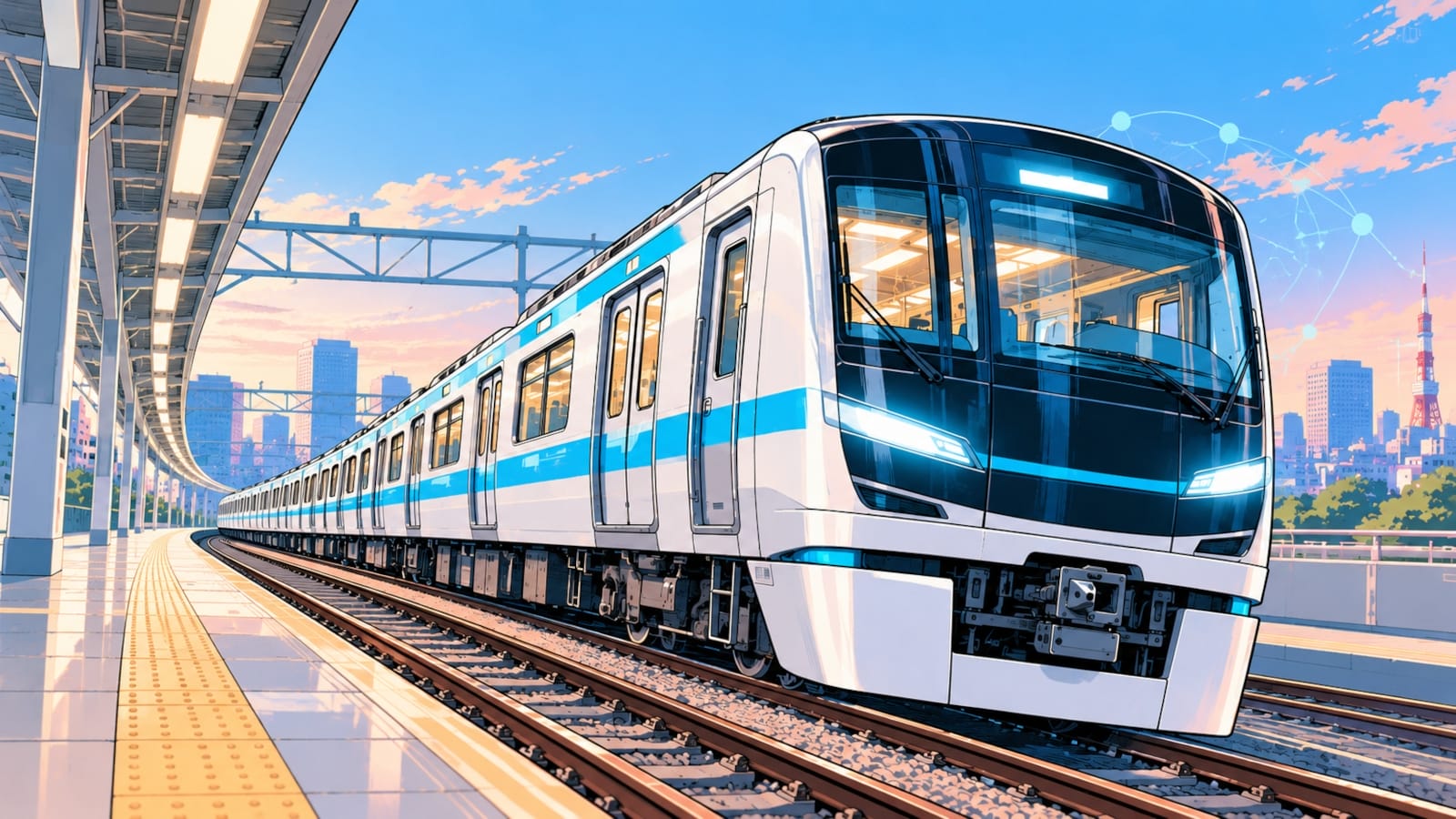
The simultaneous occurrence of these two cyber incidents within the same weekend across prominent Japanese transit giants has naturally sparked speculation regarding a potential coordinated campaign. Cybersecurity analysts note that while both organizations operate within the same geographic and industrial ecosystem, definitive evidence linking the two attacks under a single threat actor remains elusive. It is entirely plausible that the timing represents a grim coincidence—a reflection of the relentless, background noise of opportunistic cyber scanning and automated exploitation that targets Japanese corporations daily.
These twin developments arrive at a critical juncture for the global cybersecurity landscape, where critical infrastructure providers are increasingly finding themselves in the crosshairs of sophisticated threat groups. Mass transit systems, hospitality networks, and utility operators possess a unique combination of legacy IT infrastructure, complex supply chains, and zero-tolerance operational models for downtime. This amalgamation makes them uniquely susceptible to extortion tactics. When a ransomware operator threatens to disrupt enterprise billing, reservation systems, or administrative oversight, executive boards face immense pressure to restore normalcy, creating an environment where extortionists calculate high probabilities of monetization.
The incident at Keio underscores a fundamental architecture tenet for industrial and transit organizations: network segmentation. The successful preservation of train control operations highlights the value of maintaining an absolute barrier between safety-critical operational technology (OT) and commercial information technology (IT) networks. Had the ransomware successfully bridged the air gap into rail signaling and scheduling systems, the consequences could have shifted rapidly from a localized corporate headache to a major public safety crisis resulting in regional transit paralysis.
Nevertheless, the fallout experienced by Keio’s hospitality and payment infrastructure demonstrates that modern corporate enterprises cannot afford to view non-operational systems as secondary priorities. In an interconnected corporate ecosystem, payment disruptions, reservation backlogs, and reputational damage can inflict severe financial wounds and erode public trust just as effectively as a direct operational halt. Furthermore, the Tokyo Metro incident emphasizes that data minimization and proactive vulnerability management remain frontline defenses against credential harvesting and data theft. Leaving unpatched weaknesses in peripheral web applications or membership databases provides attackers with low-hanging fruit that can be leveraged for future phishing campaigns, credential stuffing, or targeted extortion.
As the digital threat landscape continues to evolve—increasingly supercharged by automated tooling and artificial intelligence—defenders within the transit and critical infrastructure sectors must rethink their security posture. The traditional perimeter defense model is no longer adequate against adversaries capable of moving at machine speed. Organizations are being forced to accelerate zero-trust architecture adoption, implement continuous threat validation, and enhance cross-industry intelligence sharing to anticipate attack methodologies before they materialize on corporate servers.
For Keio and Tokyo Metro, the immediate aftermath involves intensive remediation, forensic analysis, and stakeholder communication. As external experts pore over system logs to reconstruct the timeline of the weekend breaches, the broader Japanese business community watches closely. These incidents serve as a stark reminder that even the most robustly engineered physical infrastructure remains vulnerable to the invisible, borderless threats inhabiting the modern digital realm. Protecting the daily journeys of millions of commuters now requires just as much vigilance in the server room as it does on the railway tracks.
