


The modern landscape of generative artificial intelligence is fiercely competitive, characterized by rapid iteration, evolving subscription models, and distinct philosophical approaches to assistant design. While tech enthusiasts and enterprise developers constantly debate the merits of industry flagships ranging from Google’s Gemini ecosystem to OpenAI’s ubiquitous ChatGPT, Anthropic’s Claude family has steadily carved out a fiercely loyal user base. This preference persists despite economic hurdles; subscription tiers for Claude frequently demand higher capital investments, and aggressive usage caps often test the patience of heavy power users. Yet, the platform maintains a distinct allure due to architectural strengths that outclass competitors in specific, high-value domains.
Evaluating Claude against its primary market rivals reveals several defining operational characteristics. Foremost among these is superior session memory and contextual recall. When managing sprawling, multi-week software projects or extensive research synthesis, Claude maintains a coherent thread of logic far longer before succumbing to context degradation. Furthermore, its generative prose exhibits a subtle, distinctly organic cadence. Interactions frequently transcend the robotic, transactional nature typical of early LLMs, fostering a collaborative partnership rather than an unconditional "yes-man" echo chamber.
However, this sophisticated, human-like conversational style harbors a frustrating double-edged sword. In its default configuration, Claude is notoriously prone to excessive verbosity, discursive preambles, and unsolicited pedagogical lecturing. When a user simply requires a direct answer, a concise snippet of code, or an immediate factual synthesis, the model often buries the core takeaway beneath layers of polite introductions and sprawling structural frameworks. For neurodivergent individuals, professionals facing acute time constraints, or developers deep in a state-of-flow debugging session, wading through conversational fluff introduces significant cognitive friction.
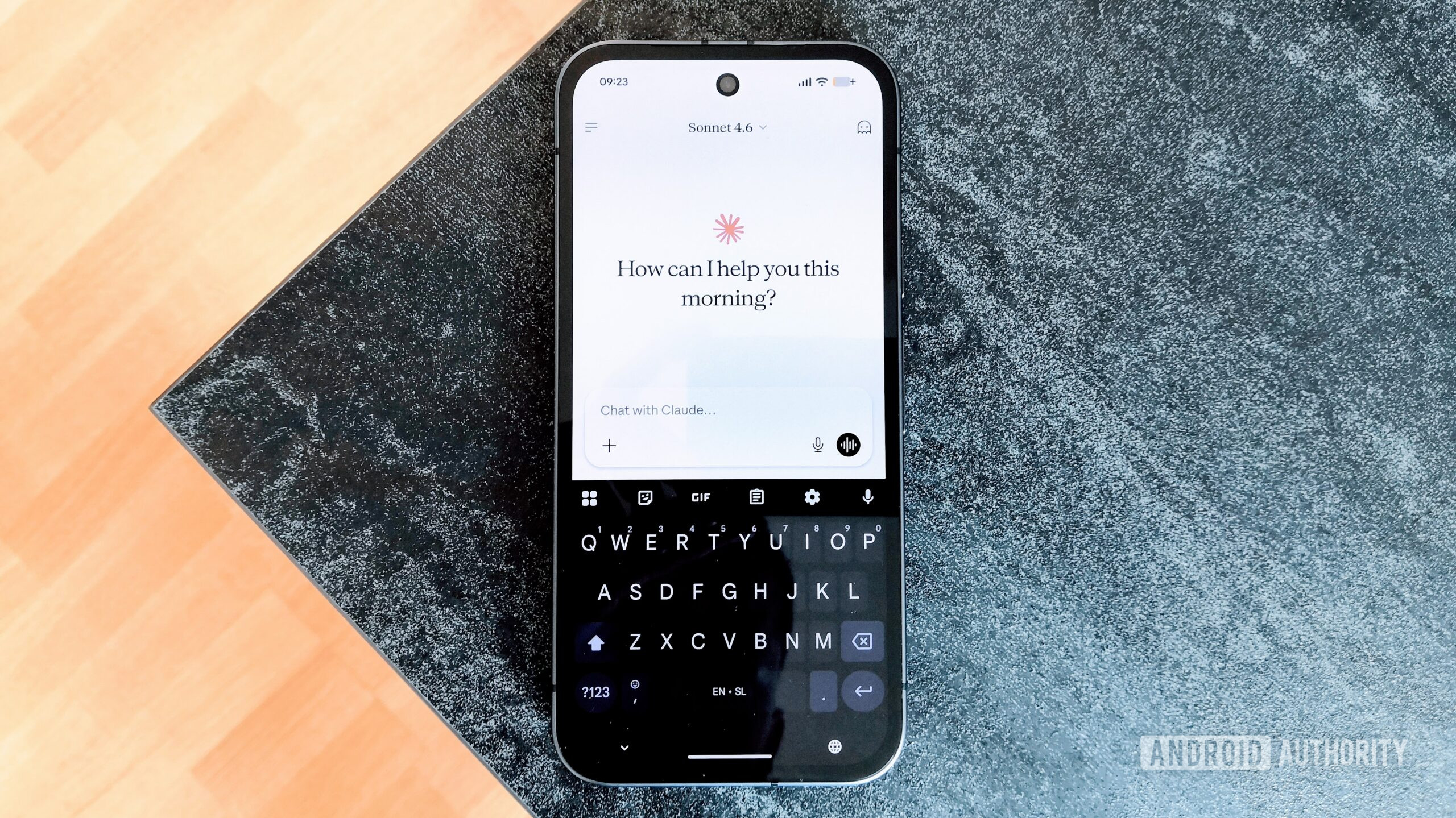
Seeking a remedy to this perennial UX bottleneck, the developer community recently rallied around an innovative, open-source intervention colloquially known as the "I have ADHD" skill. Originally circulating through digital forums like Reddit and GitHub, this lightweight prompt-engineering modification has rapidly transformed how users interact with Anthropic’s flagship models. Having integrated this community-crafted skill into a daily workflow encompassing both Claude Chat and the developer-focused Claude Code environment, the resulting operational efficiency is profound. Rather than altering the underlying intelligence of the model, the skill imposes a rigid behavioral framework that forces the AI to abandon conventional social padding and deliver information with uncompromising directness.
The core utility of the modification lies in its systematic restructuring of output delivery. Instead of serving an unstructured data dump or wrapping technical explanations in lengthy narrative arcs, the skill enforces ten strict formatting and presentation rules. Critical details, primary conclusions, and direct solutions are positioned immediately at the top of the response. Secondary explanations, historical context, and deep-dive analyses are relegated to optional, easily skimmable sub-sections. For a brain wired to process fragmented information or for professionals operating under intense deadlines, this structural shift eliminates the mental exhaustion associated with filtering out redundant conversational filler.
Deploying the optimization within a personal tech stack requires minimal technical overhead, typically taking under five minutes from concept to execution. For users engaging primarily with the consumer-facing web interface through Claude Chat, the integration process begins on the project’s official GitHub repository, maintained by developer community contributors, where the foundational skill.md file resides. Users navigate to the settings panel within Claude Chat, access the customization menu, and upload the downloaded markdown document. Once integrated, invoking the behavior requires simply prefixing queries with the designated command string, establishing the operational ruleset for the duration of the dialogue session.
For software engineers and technical operators utilizing Claude Code via command-line interfaces, the installation procedure leverages package management paradigms native to the environment. By executing terminal commands to pull the community marketplace repository and install the specific package, developers bind the behavior directly to their local coding workflows. Although a brief restart of the terminal session is occasionally required to propagate the plugin changes, the command-line implementation seamlessly injects the strict formatting parameters into every subsequent query initiated with the trigger command.
Beyond mere personal preference, the broader industry implications of such user-driven modifications highlight a persistent gap in native LLM product design. Major artificial intelligence laboratories continually train models to optimize for conversational safety, perceived helpfulness, and elaborate contextual framing. While these guardrails serve broad consumer markets effectively, they frequently alienate technical power users and individuals with specific cognitive processing styles who value raw efficiency over polite discourse. The organic viral spread of community-created behavioral skills underscores a growing market demand for granular interface customization, proving that users increasingly expect platforms to adapt to their cognitive workflows rather than forcing them to adapt to default algorithmic personalities.
Adopting this modified interaction style also yields quantifiable utilitarian benefits beyond mere readability. Because the underlying ruleset discourages conversational preamble, excessive apologies, and repetitive sign-offs, the average token count per response drops significantly. Over the course of a heavy working week, this reduction in extraneous output translates into a slower consumption rate of subscription token limits. Users who previously hit strict usage caps prematurely find themselves stretching their allotments considerably further, maximizing the financial value of their premium subscriptions without sacrificing the depth of the underlying model’s reasoning capabilities.
Of course, generalized productivity hacks are rarely universally applicable. Human cognition exists on a vast, diverse spectrum. While the structured, front-loaded data delivery championed by the community skill suits linear thinkers and those overwhelmed by conversational walls of text, a segment of the user base genuinely prefers comprehensive, narrative-driven data dumps and exhaustive explanations. Nevertheless, the negligible barrier to entry ensures that experimentation carries virtually no risk. For those frustrated by the conversational tendencies of modern generative assistants, exploring community-driven behavioral modifications offers a remarkably swift pathway to reclaiming absolute control over human-AI collaboration.
