

The launch cycle of a modern flagship smartphone is meticulously choreographed to invoke a sense of necessity, but the unveiling of the Pixel 11 Pro takes this psychological conditioning to an entirely new echelon. Beyond the initial frustration surrounding creeping price tags and a controversial reduction of baseline RAM on the Pro tier—dropping down to 12GB—lies a much more calculated commercial trajectory. While a 12GB memory allocation is unlikely to throttle everyday multitasking for the average consumer, the optics of paying a higher premium for numerically diminished specifications represents an uncomfortable paradigm shift in hardware pricing strategies.
Yet, the true narrative of the Pixel 11 Pro is not written in its spec sheet. Instead, it serves as a masterclass in modern hardware obsolescence economics, detailing precisely how tech conglomerates plan to accelerate consumer upgrade cycles in an era where physical hardware has outpaced typical daily demands. By quietly deemphasizing traditional performance metrics and raw computing benchmarks, Google is pivoting toward an ecosystem-driven marketing model. This transition is not accidental; it is a calculated blueprint designed to convince users that their perfectly functional devices are psychologically, if not technically, out of date.
Selling the Experiential Ecosystem Over Raw Silicon
For years, the smartphone industry relied on incremental processor bumps, staggering megapixel counts, and massive memory upgrades to entice buyers. Today, those traditional levers are losing their efficacy. The mainstream consumer base targeted by the Pixel line cares very little about clock speeds or thermal throttling limits. Recognizing this, manufacturers have shifted their marketing weight away from hardware specifications and onto software-driven experiences, predominantly anchored by artificial intelligence.
During the Pixel 11 Pro presentation, Google spent remarkably little time discussing the architectural intricacies of its Tensor G6 custom chipset. Instead, the spotlight shifted aggressively toward the enhanced Tensor Processing Unit (TPU) capabilities and the proprietary software features they unlock. A prime illustration of this philosophy is Google Rambler, a sophisticated text-to-speech and thought-organization tool designed to translate chaotic, stream-of-consciousness speech into polished, professional prose. The technological achievement is undeniable, and it undoubtedly extends Google’s competitive moat in natural language processing.
However, for tech enthusiasts and budget-conscious buyers alike, these silicon-gated features evoke a familiar, sinking sensation. Tied explicitly to the neural processing overhead of the newest custom SoC, such innovations provide the ultimate corporate justification for withholding software updates from previous generations. We witnessed a remarkably similar playbook unfold previously with the Tensor G5 and features like Magic Cue. When a consumer invests heavily in a specialized, AI-centric system-on-a-chip, only to discover less than a year later that the architecture is supposedly incapable of handling the company’s latest software tricks, the foundational value proposition of buying a flagship device begins to fracture.
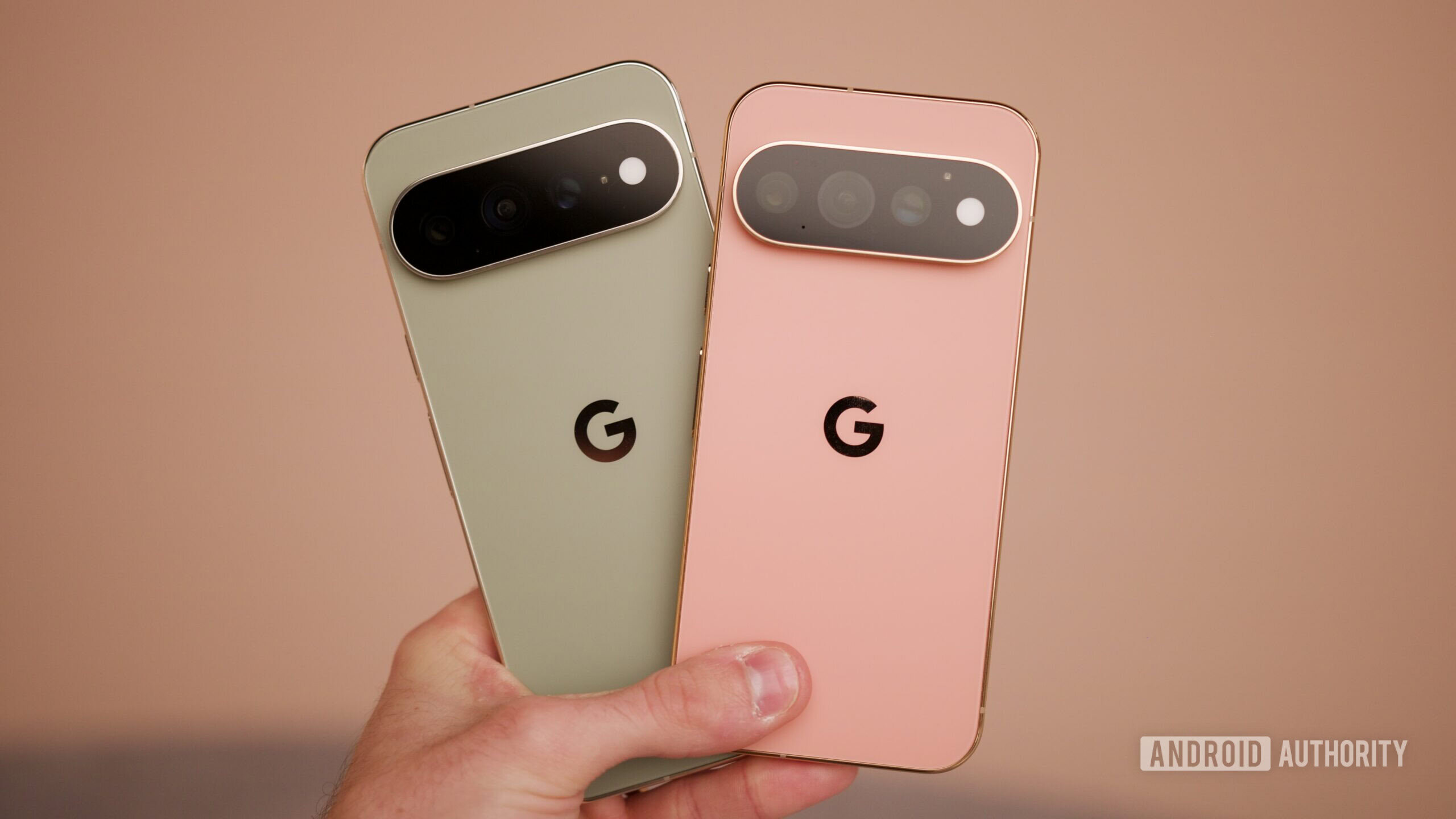
This gatekeeping strategy is rapidly transforming into an industry-wide standard. As saturation hits the global mobile market, manufacturers are desperately scrambling for commercial mechanisms to break the multi-year retention cycles that modern, durable hardware naturally encourages.
The Broader Industry Obsolescence Playbook
This manufactured urgency is by no means exclusive to Mountain View. The broader mobile ecosystem has been flirting with artificial intelligence gatekeeping for several cycles. Consider the industry-wide reactions when major Android manufacturers initially restricted advanced AI suites to their absolute newest silicon tiers, bypassing devices that were barely twelve months old and possessed more than enough raw computational headroom to handle the workloads.
The rationale crumbles under analytical scrutiny. Technology inherently marches forward, but treating a high-end processor as obsolete within a single calendar year defies both logic and consumer trust. The underlying issue stems from a structural crisis within the mobile industry: smartphones are simply too good. Modern application processing requirements have plateaued relative to the brute-force capabilities of contemporary silicon. Social media applications launch instantaneously, web rendering is bottlenecked exclusively by network latency rather than processing power, and foundational performance has reached a point of diminishing returns.
Furthermore, the democratization of computational photography means that even mid-range devices priced at a fraction of a flagship can capture stunning images in favorable conditions. Camera hardware is no longer the exclusive playground of the ultra-premium tier. Consequently, manufacturers are forced to artificially manufacture points of differentiation, weaponizing software features as the primary wedge to drive consumers out of older hardware and back into the retail funnel.
The Cloud Computing Alternative and the Threat of Subscription Fatigue
To be fair, alternative pathways exist, and Google has occasionally deployed them. When hardware limitations genuinely obstruct local processing—such as the initial memory constraints faced by older generations attempting to run local large language models—cloud-based execution has served as a bridge. While cloud-offloaded features can introduce latency, privacy trade-offs, and slightly degraded performance compared to on-device neural processing, they at least preserve functional parity for loyal device owners.
Yet, as cloud infrastructure centralizes and artificial intelligence services demand staggering amounts of computational power, the financial sustainability of maintaining legacy software support comes under intense scrutiny within corporate boardrooms. The looming shadow over the consumer landscape is the potential monetization of software updates and AI capabilities. While consumer software has historically been bundled into the upfront hardware cost, analogies to other hardware-adjacent industries—such as specialized crafting equipment or smart home appliances that lock firmware updates behind recurring software subscriptions—highlight a perilous trajectory.
It is entirely plausible that future tech ecosystems will gravitate toward a model where owning the physical device is merely the entry fee, while unlocking the true, evolving software experience requires an ongoing subscription fee, whether through tiered cloud packages like Google One or dedicated AI service add-ons.
The Horizon of Forced Upgrades
For a long time, consumer skepticism toward paying for smartphone artificial intelligence was justified by a lack of compelling, practical utility. Early AI implementations felt like expensive parlor tricks rather than indispensable productivity tools. That era has officially drawn to a close. Utilities like Rambler represent a tangible, frictionless paradigm shift in how humans interact with their devices. They require zero technical literacy regarding TPU performance metrics or RAM bandwidth, making them universally attractive to a broad demographic.
Once artificial intelligence transcends the novelty phase and becomes the defining characteristic of the smartphone user experience, the psychological pressure to maintain access to the latest models will skyrocket. Consumers will no longer be upgrading because their battery is degrading or their screen is cracked; they will be upgrading because their daily productivity tools have been locked behind the gates of next-generation silicon.
While hardware manufacturers will undoubtedly cushion the blow with aggressive trade-in promotions, promotional financing structures, and zero-percent interest lease programs, the underlying destination remains concerning. We are hurtling toward an economic reality where smartphone ownership is effectively replaced by permanent leasing loops. In this future, consumers never truly own their devices; instead, they continually rent access to an ever-evolving suite of software features designed to expire just as the next marketing cycle begins. For an industry built on the promise of empowering the individual through technology, that trajectory is more than a little depressing.
