

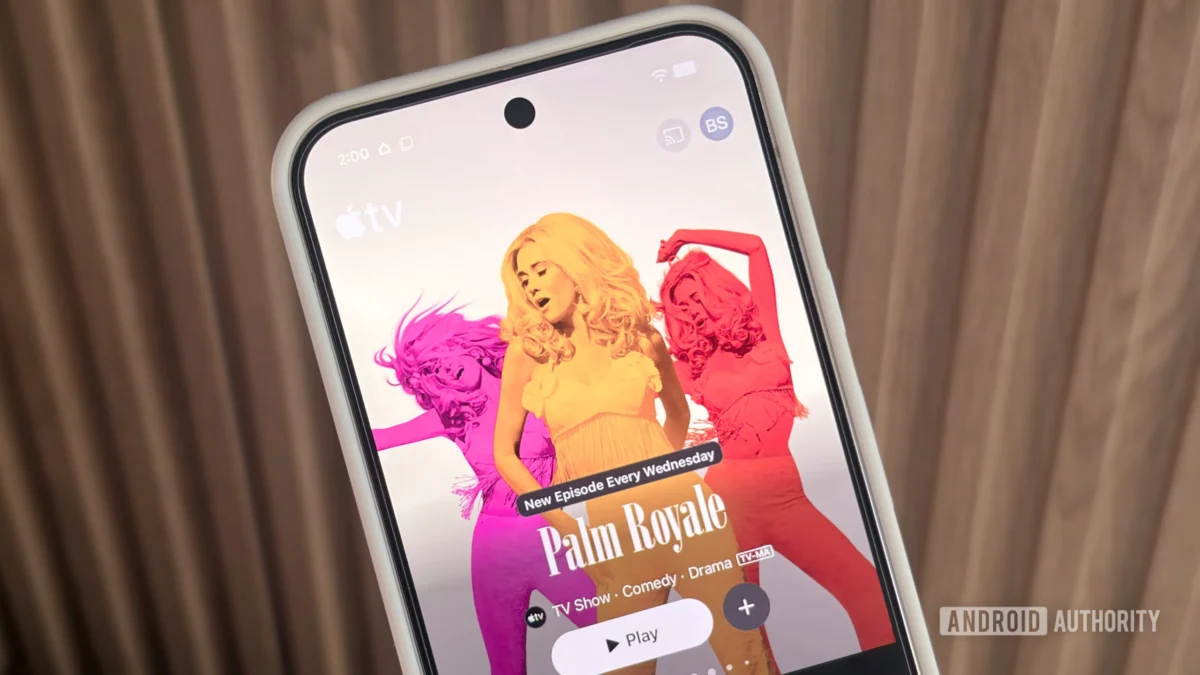
The modern digital entertainment ecosystem has transformed into an exhaustive exercise in consumer fatigue. Over the past several years, the once-promising golden era of subscription video-on-demand has fractured under the weight of aggressive monetization strategies, widespread password-sharing crackdowns, escalating subscription fees, and an over-reliance on low-cost, unscripted reality television. For millions of viewers, navigating this hyper-inflated landscape feels less like an evening of leisure and more like managing a complex utility portfolio.
My personal turning point arrived roughly twelve months ago, prompting a definitive break from a service I had relied on for years. The tipping point was not merely financial; it was an acute weariness born of endless scrolling, premature cancellations of ambitious narrative projects, and a noticeable dilution of creative risk-taking. Yet, severing ties with the market leader immediately thrust me into a precarious viewing vacuum. Finding a sustainable, high-value alternative within a fiercely competitive yet regionally constrained media market proved remarkably difficult. After cycling through several prominent platforms, the subscription that ultimately secured my loyalty was the very last one I anticipated choosing: Apple TV.
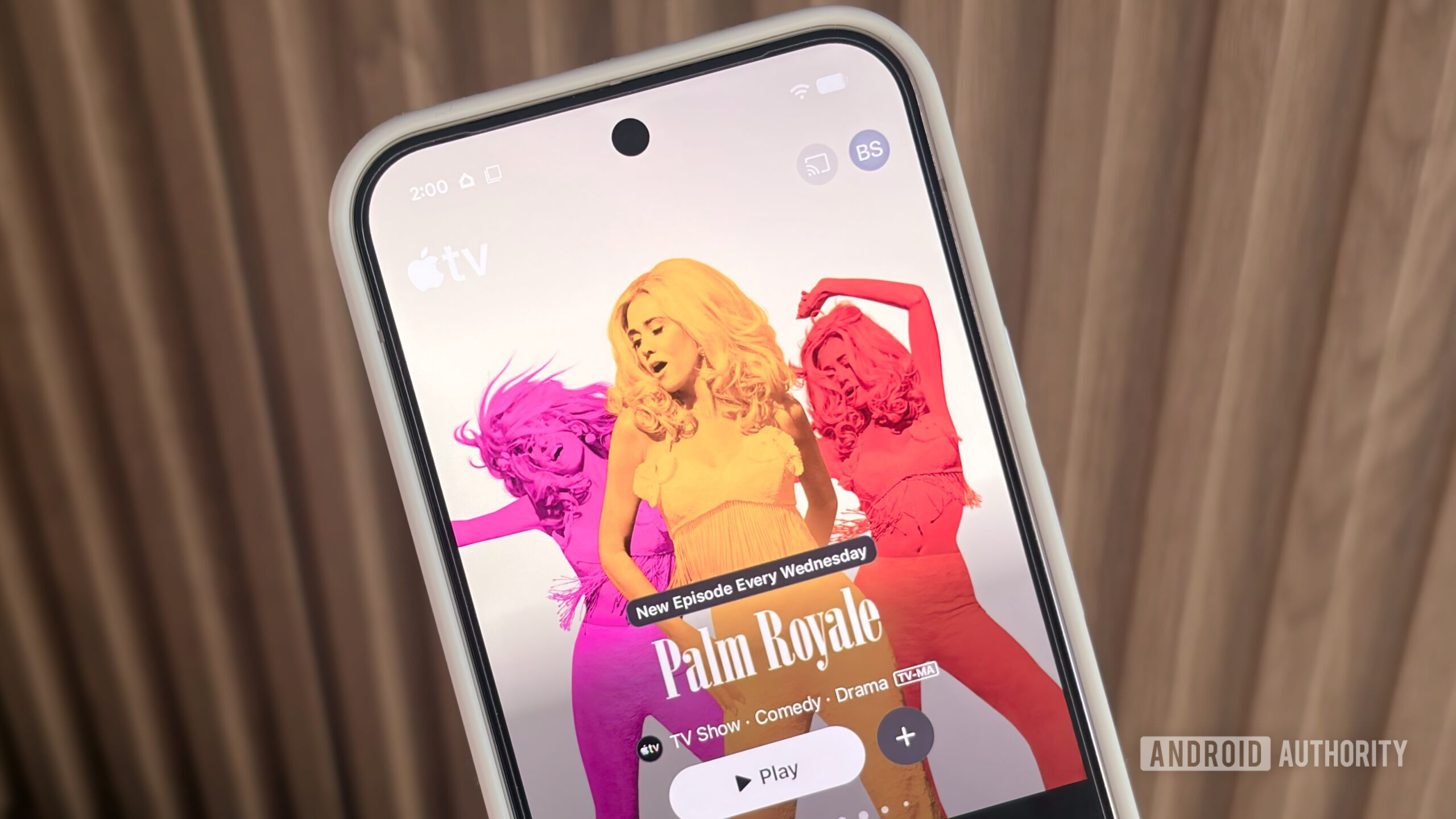
Examining the traditional calculus of streaming subscriptions reveals why this platform remained at the very bottom of my consideration list for so long. As a non-owner of Apple hardware, I was entirely excluded from the ecosystem’s built-in acquisition incentives, such as complimentary multi-month hardware bundling trials or the frictionless convenience of cross-device family sharing frameworks. Furthermore, comparative pricing audits consistently positioned the service among the most expensive standalone entertainment packages available in regional markets when evaluated purely on a volume-per-dollar metric.
For years, the platform’s library strategy relied on a boutique curation model. While cultural touchstones like Ted Lasso and Severance achieved widespread critical acclaim, the overall catalog appeared diminutive when stacked against the towering content libraries maintained by legacy competitors. Early exploratory viewing, such as sampling the ambitious world-building of Foundation during a promotional window, highlighted impressive production values but failed to convince me that a recurring financial commitment was justifiable on a monthly basis. Consequently, exploring alternative networks—ranging from globally ubiquitous catalogues like Prime Video to localized aggregators—seemed like a far more pragmatic route.
However, the broader structural dynamics of the home entertainment industry shifted dramatically, altering the consumer value proposition. Major conglomerates pivotally altered their distribution playbooks, prioritizing profitability over subscriber acquisition at all costs. This macro-level pivot manifested as frequent price hikes, fragmented season rollouts designed to artificially extend retention windows, and an alarming rate of premature narrative terminations. Series with rich, complex mythologies were abruptly axed to trim corporate balance sheets, while safe, inexpensive unscripted programming dominated home screens.
Simultaneously, personal shifts in daily routine amplified the demand for meaningful, immersive narrative television. Engaging with interactive video games—long a preferred evening pastime—became increasingly difficult due to chronic physical limitations, redirecting my attention toward high-concept cinematic storytelling. What I craved was not the algorithmic churn of predictable episodic filler, but dense, high-budget speculative fiction and expansive lore reminiscent of premium cable’s historic golden age. Unfortunately, regional licensing shifts had stripped local access to premier prestige networks, leaving a palpable void in the market. With rival services like Disney Plus experiencing steep local price escalations and offering diminishing returns for my specific tastes, the calculus surrounding Apple’s streaming division began to shift.
Re-evaluating the economics of the platform revealed a surprising reality. When placed side-by-side with the heavily tiered pricing models of its primary competitors, the service’s single, uncompromising tier—delivering maximum technical specifications including 4K HDR and spatial audio without upcharges—began to look remarkably competitive. In regional markets where premium tiers from rival providers command hefty monthly fees, the cost of the Cupertino-based platform sits comfortably below top-tier alternatives, transforming it from a luxury indulgence into a reasonable entertainment expense.
Crucially, the programming strategy executed by the platform’s leadership began to pay rich dividends for viewers disillusioned by generic content farms. Rather than drowning audiences in an endless ocean of mediocre releases, the service doubled down on uncompromising visual spectacle and sophisticated narrative architecture. Shows like Silo, Foundation, and ambitious genre experiments carved out a distinct identity rooted in hard science fiction and meticulous world-building. Even idiosyncratic tonal swings, such as eerie supernatural mysteries and unconventional period pieces, demonstrated a willingness to court discerning audiences rather than chasing the lowest common denominator.
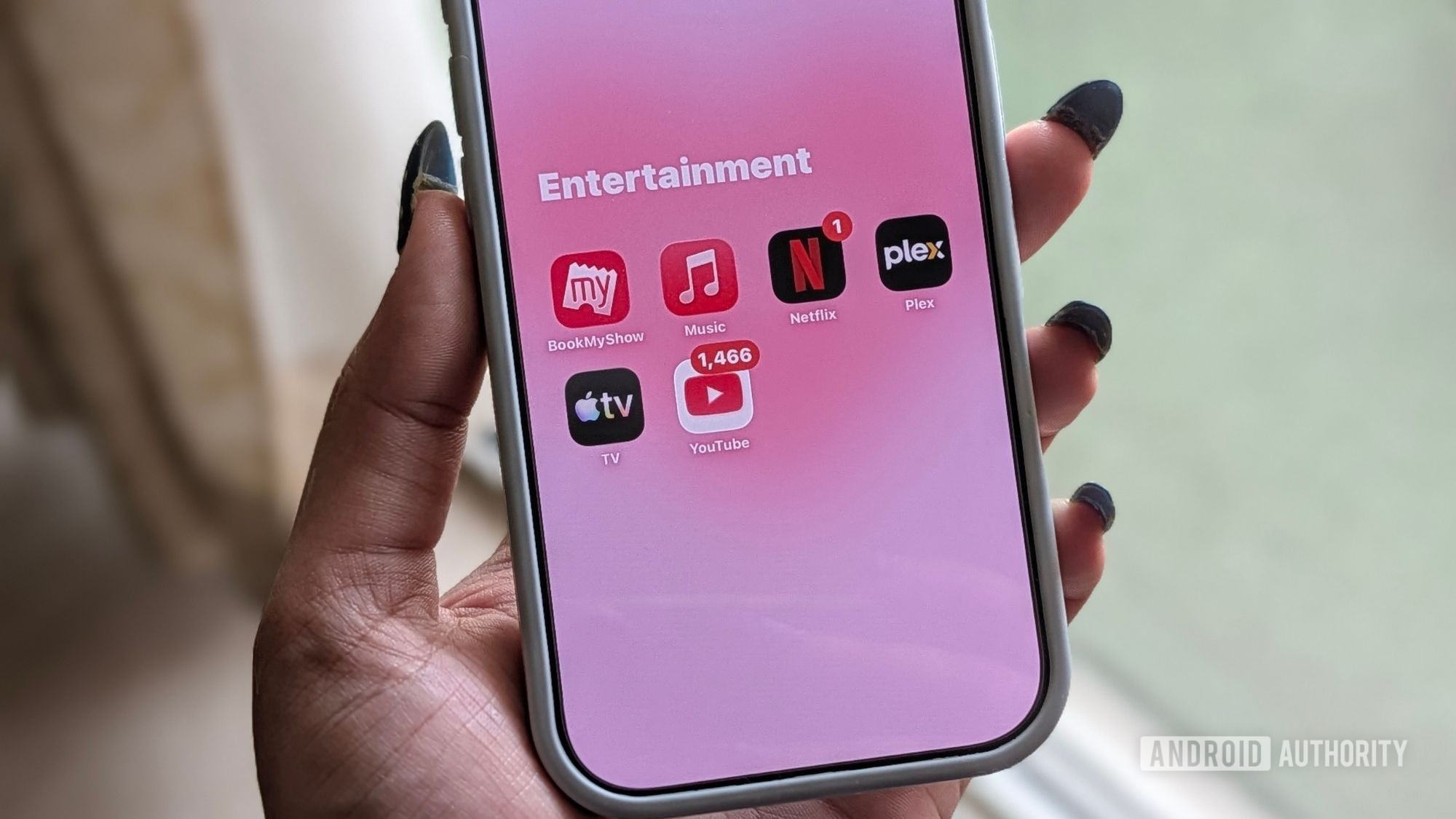
Admittedly, the platform is not without its operational shortcomings. The user interface remains stubbornly under-optimized, and algorithmic discovery tools frequently fail to surface hidden gems effectively, lagging far behind the sophisticated recommendation engines pioneered by older web-native competitors. Occasional misfires—such as high-profile narrative misadventures that fail to stick the landing—prove that even immense budgets cannot guarantee absolute creative success. Yet, the overall batting average remains remarkably high, ensuring that an evening spent browsing rarely feels like a squandered investment of time.
For prospective subscribers, certain caveats remain. Because I approached the catalog with years of accumulated backlog, the initial discovery phase felt exceptionally rich. Newer adopters joining the platform today may encounter a more measured cadence of fresh drops, requiring a balanced approach to multi-service rotation. Furthermore, regional pricing variations and the absence of localized hardware ecosystems can alter the perceived value proposition for international consumers.
Nevertheless, for viewers seeking an antidote to the homogenized content mills currently dominating the media landscape, the platform offers a refreshing sanctuary. By prioritizing cinematic craftsmanship, narrative integrity, and technical fidelity over sheer volumetric output, it has redefined what a modern streaming service can achieve. What began as a reluctant experiment out of sheer frustration has ultimately proven that deliberate, high-quality curation still holds immense appeal in an industry increasingly obsessed with algorithmic excess.
