

The contemporary mobile software landscape moves at a relentless pace, leaving a distinct fragmentation gap between Google’s rapid deployment cycles and the more methodical pacing of third-party hardware manufacturers. While Google Pixel owners have already spent weeks evaluating the nuances of Android 17, consumers utilizing devices from alternate original equipment manufacturers (OEMs) have remained in a holding pattern. However, the ecosystem is beginning to shift. Motorola has officially widened the aperture of its early-access software pipeline, inviting a broad spectrum of its device portfolio—spanning premium foldables, mid-range powerhouses, and ultra-accessible budget options—to taste the upcoming operating system iteration ahead of its commercial release.
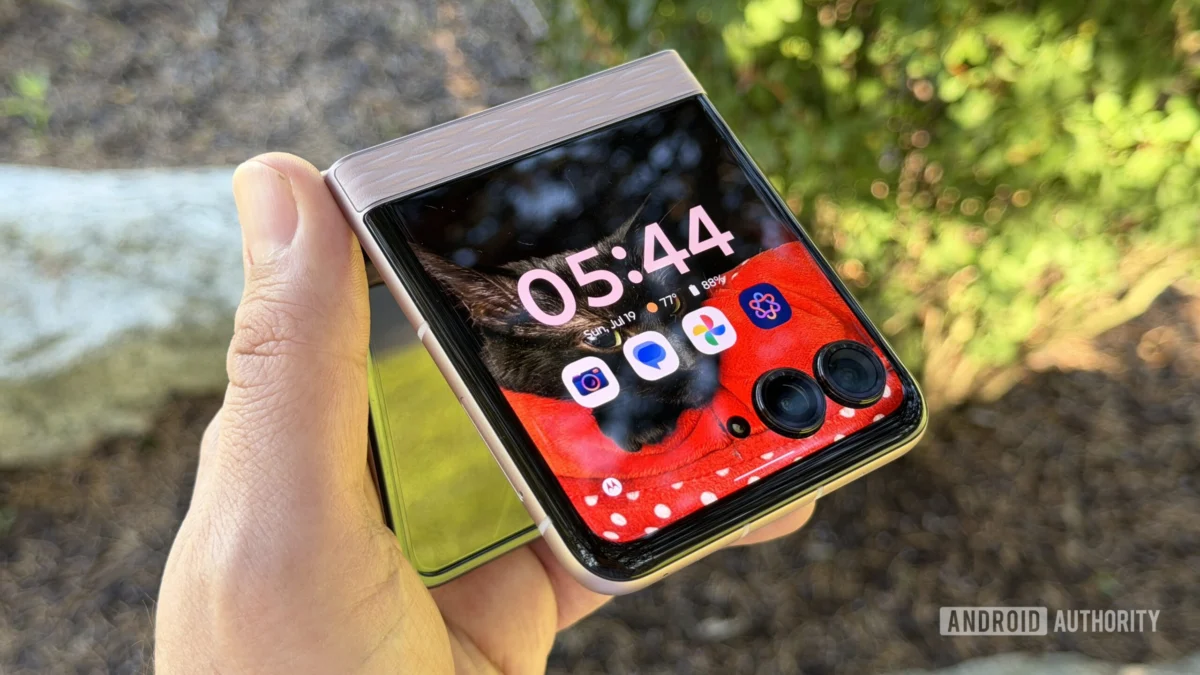
Recent community discoveries point to a significant expansion within Motorola’s proprietary testing initiatives, making the latest mobile architecture accessible to a diverse hardware lineup. The newly integrated hardware includes marquee devices such as the Razr 70 Plus and the Razr Plus 2026, alongside performance-focused iterations within the Edge 70 series. Crucially, the brand is also casting a wide net over its high-volume consumer segments, offering preview slots to multiple generations of the Moto G series, including the Moto G Power editions from 2025 and 2026, standard Moto G variants across both years, and the entry-level Moto G Play 2026. This demonstrates a rare industry commitment to democratizing software trials, extending development builds past traditional flagship tiers into mass-market hardware.
Securing a position inside this developmental ecosystem requires navigating Motorola’s established administrative pathways. Prospective participants must first integrate themselves into the Motorola Feedback Network, a specialized community platform designed to gather telemetry, crash logs, and localized user feedback. Following registration, users must apply through specific forum channels corresponding to their exact hardware configuration. Because these testing phases operate under tight quotas to ensure manageable diagnostic feedback loops, placement remains strictly competitive. Mere application submission does not guarantee an immediate invitation, reinforcing the exclusive nature of pre-release firmware testing.
Although an exhaustive, region-by-region changelog has yet to be officially formalized by Motorola’s corporate communications division, software analysts can extrapolate core system enhancements by dissecting earlier developmental builds deployed to select internal hardware. These iterative snapshots offer a compelling view of the manufacturer’s design philosophy moving forward. Foremost among these changes is a comprehensive overhaul of the user interface architecture. The notification panel and system control center have undergone deep visual and functional restructuring, prioritizing streamlined user interactions and reduced friction during routine multitasking tasks.
Furthermore, personalization features are receiving a substantial refresh. Early builds showcase novel lock screen clock typographies, contemporary volume slider implementations, refined haptic feedback matrices, and system-wide tinted icon adaptations that align more closely with modern aesthetic standards. One of the most intriguing UI integrations spotted in prior testing phases is the introduction of a dynamic "Live Updates" interactive pill. Situated neatly around the front-facing camera cutout, this interface element mirrors functional paradigms popularized by notification-centric design trends, keeping crucial contextual data within immediate line of sight without demanding full screen real estate.
Underpinning these visual refinements are early signals of deeper artificial intelligence integration. References to proprietary "Qira AI" branding have surfaced within preliminary codebases, hinting at advanced machine learning utilities designed to optimize power consumption, streamline predictive text tasks, and enhance photographic pipelines. Nevertheless, technical analysts caution that the presence of these advanced features in preliminary builds does not guarantee a universal rollout across every participating device. Hardware limitations, particularly concerning neural processing unit (NPU) capacities across the expansive Moto G lineup, mean that certain AI-driven functionalities may remain exclusive to higher-tier Razr and Edge models.
Transitioning a mobile device to an unpolished, pre-release operating system build inherently introduces significant operational risks. Stability issues, application incompatibilities, memory leaks, and erratic battery drain are standard occupational hazards during early software evaluation phases. Consequently, corporate deployment guidelines strongly advise all participants to execute complete, secure data backups of their personal files, media libraries, and application states prior to initiating the flashing procedure. Additionally, manufacturers mandate maintaining a minimum battery threshold of fifty percent alongside a stable, unmetered Wi-Fi connection to prevent catastrophic hardware bricks caused by mid-installation power failures.
The broader industry implications of Motorola’s expansive trial strategy highlight a fundamental shift in how hardware vendors approach software longevity and customer engagement. Historically, tier-one manufacturers reserved early software previews exclusively for high-end flagship buyers, using beta programs as luxury perks for early adopters who purchased expensive devices. By deliberately incorporating budget-friendly Moto G iterations into the early-access cycle, Motorola is signaling a structural evolution in how firmware lifecycles are managed across diverse price brackets. This strategy not only accelerates internal bug-hunting protocols by leveraging a massive, globally distributed user base, but it also instills a sense of brand loyalty among cost-conscious consumers who rarely experience the bleeding edge of software development.
From an analytical standpoint, widening the beta pipeline presents both distinct advantages and formidable logistical challenges. On one hand, capturing telemetry data across dozens of distinct hardware configurations—ranging from complex foldable hinge mechanisms and dual-screen form factors to single-screen, budget-tier system-on-chips—provides developers with invaluable stress-testing metrics. It exposes edge-case architectural flaws that controlled laboratory environments frequently fail to replicate. On the other hand, supporting a sprawling matrix of testing builds increases the administrative overhead for software engineering teams, who must rapidly triage fragmented bug reports originating from disparate regional markets and device variants.
As the mobile industry moves further into an era defined by ambient intelligence, generative AI, and fluid multi-device continuity, the role of operating system updates has shifted from simple maintenance to a primary driver of hardware value retention. Consumers no longer view a phone’s software lifespan as an afterthought; it is a foundational purchasing criterion. Motorola’s proactive stance with its latest operating system preview suggests an acute awareness of this consumer mindset. By ensuring that both high-end foldables and everyday budget devices receive simultaneous paths toward modern software architecture, the company is positioning itself as a competitive force in a market increasingly dominated by elongated update commitments and software-first value propositions.
Ultimately, the ongoing deployment of these pre-release builds marks a critical milestone in the current software calendar. As selected users begin testing the boundaries of the new operating system across varied form factors, the feedback generated will directly dictate the polish, performance, and reliability of the final public release. For those fortunate enough to secure a slot within the feedback network, the experience offers a privileged glimpse into the future of mobile computing—one characterized by tighter ecosystem integration, personalized aesthetics, and intelligent hardware synergy. For the rest of the user base, these developments serve as a reassuring indicator that the wait for modern software architecture is drawing steadily closer to its conclusion.
