

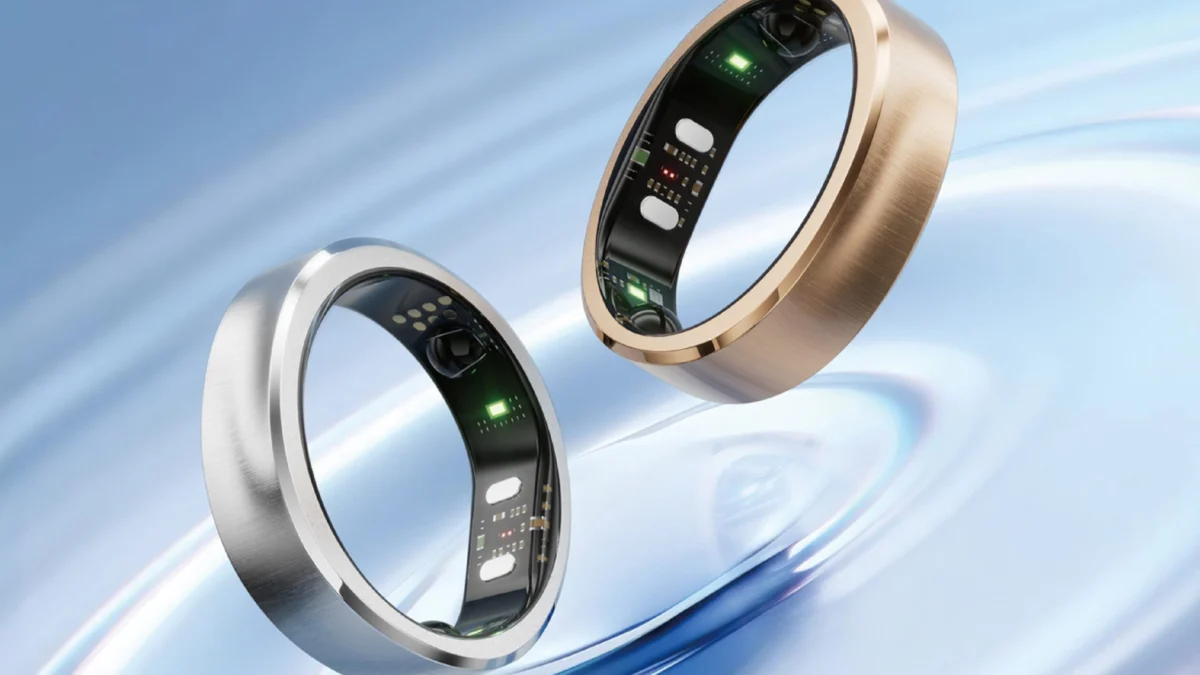
The convergence of consumer technology and pop culture intellectual property has long yielded fascinating marketing experiments, but few collaborations possess the ironic humor of RingConn’s latest venture. In an unexpected strategic alignment with Warner Bros., the emerging smart ring manufacturer has forged an official partnership celebrating the 25th anniversary of Peter Jackson’s cinematic masterpiece, The Lord of the Rings: The Fellowship of the Ring. While aligning a health-tracking wearable with the most notoriously corrupting piece of jewelry in literary history might seem counterintuitive at first glance, the campaign highlights a shrewd understanding of consumer nostalgia and brand positioning in an increasingly crowded wearable market.
This pop-culture crossover coincides precisely with the broader commercial rollout of the RingConn Gen 3. Following an initial pre-order phase, the third-generation biometric wearable is officially available for purchase at a retail price of $349. Rather than radically altering the physical chassis of the hardware to mimic the sinister, fire-inscribed aesthetic of Sauron’s creation—meaning wearers need not fear glowing runes or sudden invisibility—the partnership manifests primarily as a promotional tie-in. Eligible consumers in the United States who secure the hardware during specific promotional windows gain access to limited-edition digital incentives, widely reported to include digital redemption codes for cinematic bundles spanning The Lord of the Rings and The Hobbit trilogies.
Beyond the cinematic pageantry, the arrival of the RingConn Gen 3 marks a significant milestone in the evolution of smart ring technology, particularly as competition within the form factor intensifies. Historically dominated by a handful of pioneering brands like Oura, the smart ring sector has rapidly transitioned from a niche wellness novelty into a mainstream consumer electronics category. Traditional smartwatch manufacturers, fitness giants, and agile startups are all vying for finger real estate. Within this competitive landscape, RingConn has carved out a distinct identity by focusing on comprehensive health monitoring without the friction of recurring monthly software fees.
Evaluating the hardware itself reveals a robust ecosystem of biometric sensors packed into a remarkably slim titanium profile. The RingConn Gen 3 builds substantially upon the capabilities of its predecessors, offering granular tracking for daily activity metrics, advanced sleep architecture analysis, women’s health tracking, and specialized detection for sleep apnea patterns. One of the most notable engineering additions to this generation is the integration of subtle haptic vibration alerts. These gentle pulses serve functional purposes, notifying users of prolonged sedentary behavior or signaling when the battery requires replenishment.
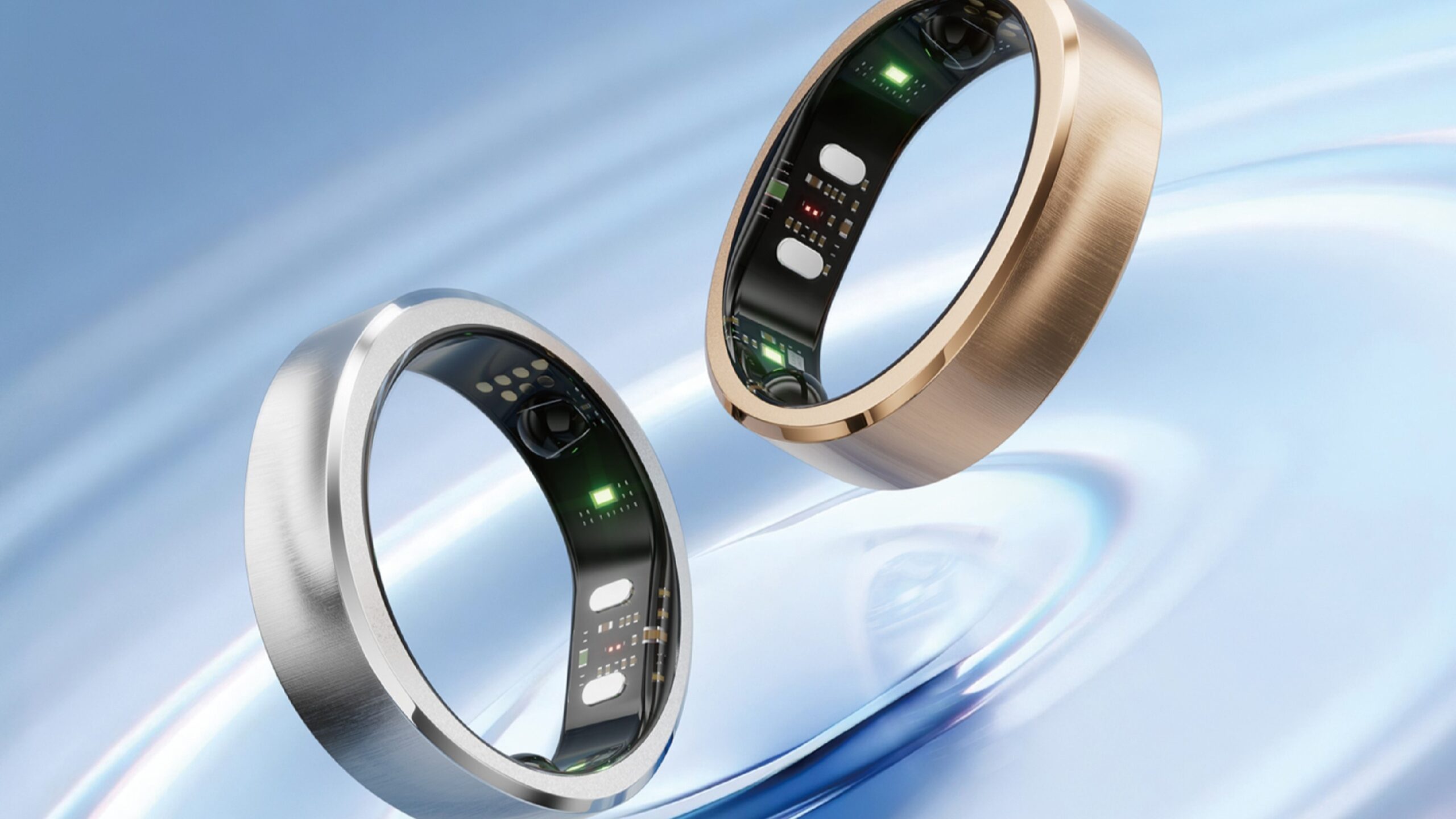
Energy efficiency remains one of the device’s most compelling value propositions. While competitors often struggle to maintain multi-day battery reserves under heavy sensor loads, the RingConn Gen 3 boasts an impressive operational window of up to 14 days on a single charge—provided the new vibration alert features are toggled off. This extended battery life directly addresses one of the primary consumer pain points associated with wearable technology: battery anxiety and the friction of frequent removal for charging.
Positioned at $349, the Gen 3 directly challenges established industry leaders, most notably the iterative updates of the Oura Ring ecosystem. By undercutting rivals on subscription costs while matching or exceeding them in raw battery longevity and sensor diversity, RingConn is making a calculated play for cost-conscious yet technologically demanding consumers. The inclusion of the Middle-earth promotional campaign, while whimsical, serves a vital commercial purpose by capturing the attention of tech enthusiasts and pop culture aficionados alike, transforming a routine product launch into a cultural talking point.
From an industry perspective, this partnership underscores a broader marketing trend within the consumer technology sector. As hardware specifications become increasingly commoditized and incremental updates standard across generations, brands must leverage creative storytelling and emotional resonance to differentiate their products. Consumers are no longer buying mere data-gathering tools; they are investing in lifestyle ecosystems and identity-affirming accessories. By tying a device meant to monitor human vitality to a legendary narrative about rings, power, and endurance, RingConn has successfully injected personality into an otherwise clinical tech category.
Ultimately, whether a consumer is motivated by advanced vascular health tracking, exceptional battery longevity, or a nostalgic nod to Middle-earth lore, the RingConn Gen 3 represents a mature step forward for the brand. It proves that innovation in the wearable space is not solely about adding denser sensor arrays, but also about understanding how technology integrates into the daily rituals of the modern consumer. Just make sure, amid tracking your daily steps and monitoring your resting heart rate, that you do not become quite as obsessively possessive of your new biometric band as Gollum was of his precious treasure.
