

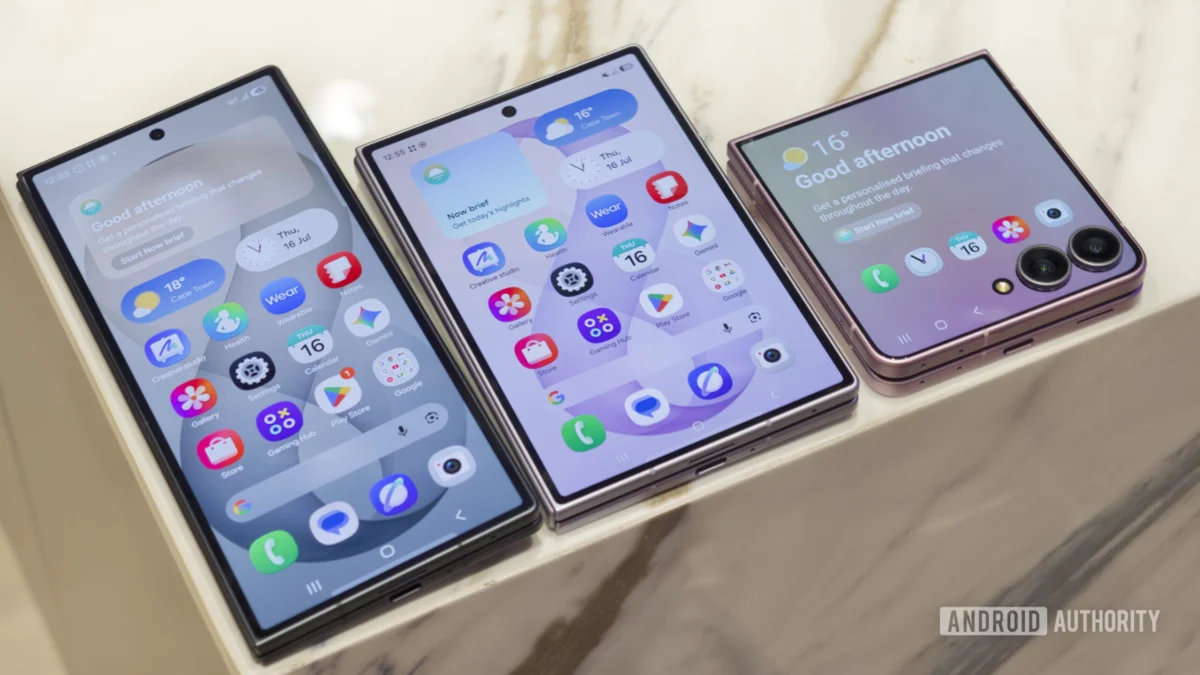
The evolution of foldable smartphones has been defined by a relentless pursuit of traditional form factors. For years, early adopters tolerated awkwardly narrow cover screens and hefty chassis designs simply to experience the magic of a flexible display. Samsung’s strategic shift began in earnest with the Galaxy Z Fold 7, which initiated a much-needed departure from cramped aspect ratios while trimming excess bulk. Building directly upon that foundation, the Galaxy Z Fold 8 pushes the boundaries of portable engineering even further, achieving a wider, significantly thinner, and remarkably lighter profile that commands attention across the tech landscape.
However, this aggressive quest for physical reduction is not without consequence. When hardware designers manage to shave away millimeters and grams from a folding mechanism, physical trade-offs inevitably follow. A granular examination of the Galaxy Z Fold 8 reveals that achieving this unprecedented sleakness required parting with several beloved features and navigating a complex pricing structure. Understanding these hidden costs is essential for anyone evaluating the future of ultra-thin mobile hardware.
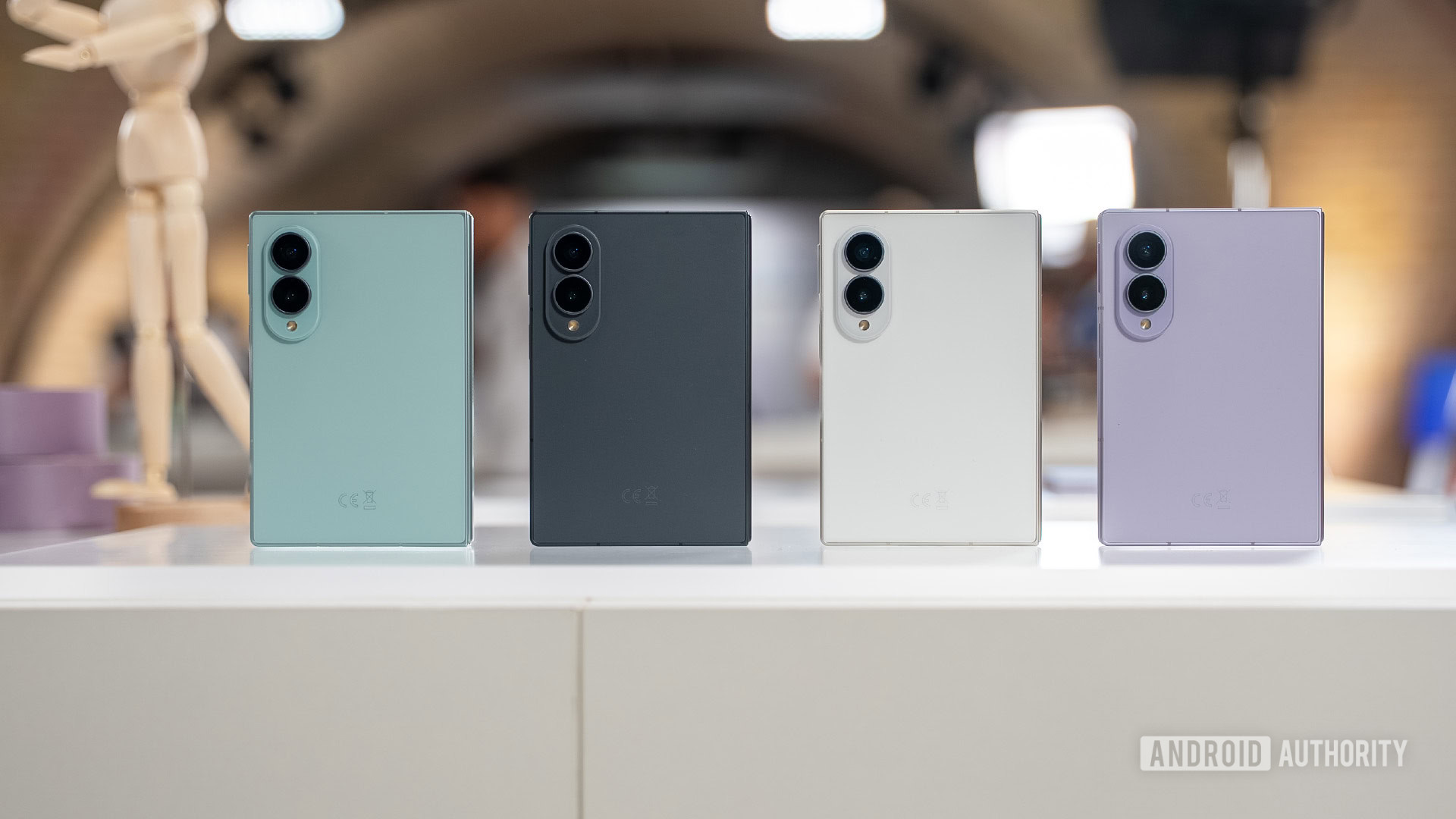
To fully appreciate the engineering feat, one must first look at the sheer scale of the physical transformation. The Galaxy Z Fold 8 tips the scales at a mere 201 grams, capturing the crown for the world’s lightest book-style foldable device. Building upon the 215-gram benchmark established by its predecessor, shedding an additional 14 grams might seem inconsequential on paper. Yet, when holding both iterations side by side, the redistribution of mass becomes palpable, showcasing a masterclass in modern structural optimization.
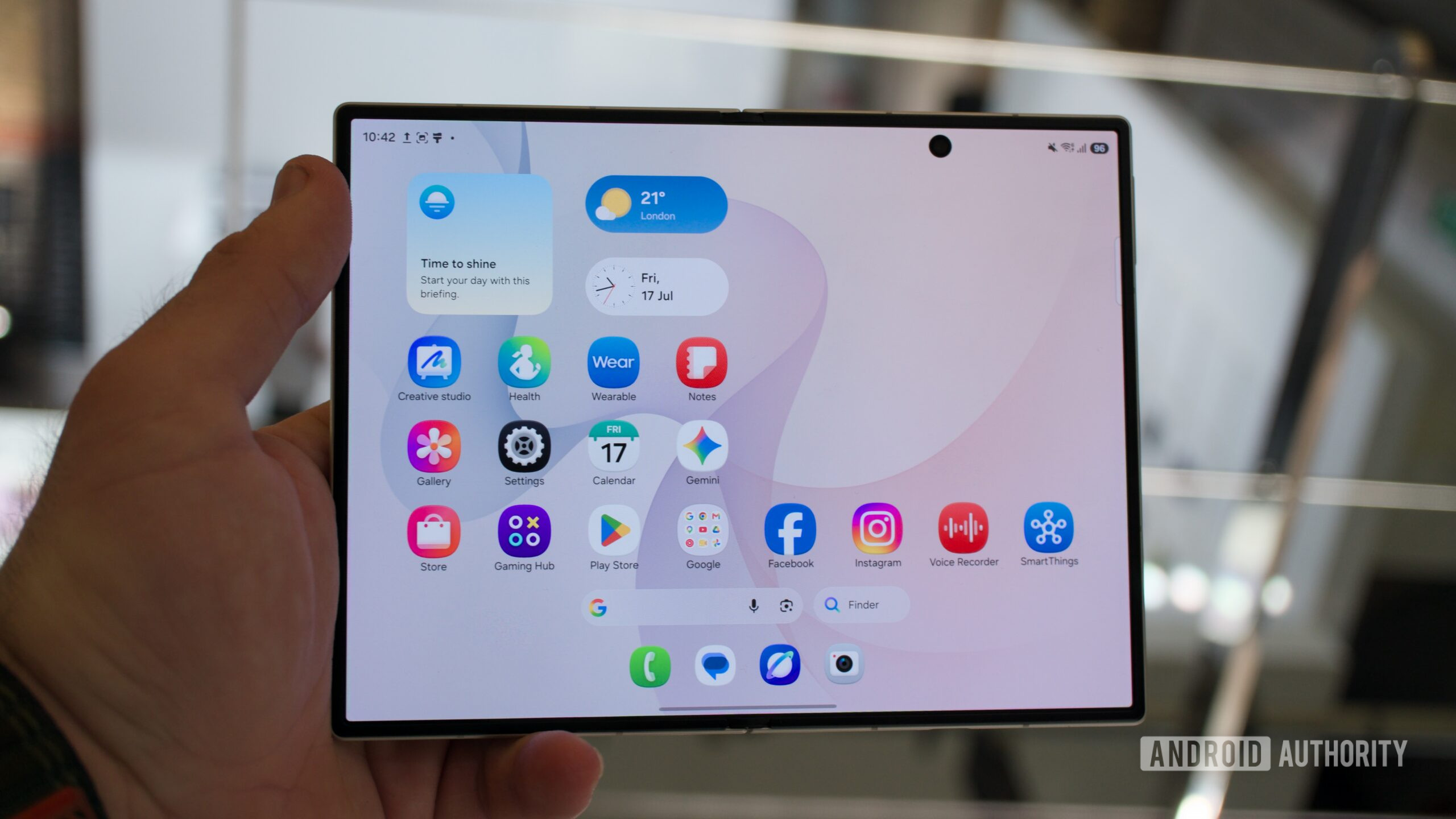
The interior architecture is equally astounding. Unfolded, the chassis measures a microscopic 4.5mm in thickness. To contextualize this metric, it is notably thinner than conventional slate flagships like the Galaxy S25 Edge, which measures 5.8mm. For consumers demanding absolute minimal profile thickness, the step-up Galaxy Z Fold 8 Ultra pushes the envelope even further down to 4.1mm. Concurrently, the external cover display has adopted a much broader, more natural aspect ratio. Typing messages, browsing feeds, and executing quick digital interactions no longer require awkwardly stretching across a vertically compressed window. Unfolding the device reveals an expansive, tablet-grade canvas optimized for advanced multitasking, immersive media consumption, and streamlined productivity.
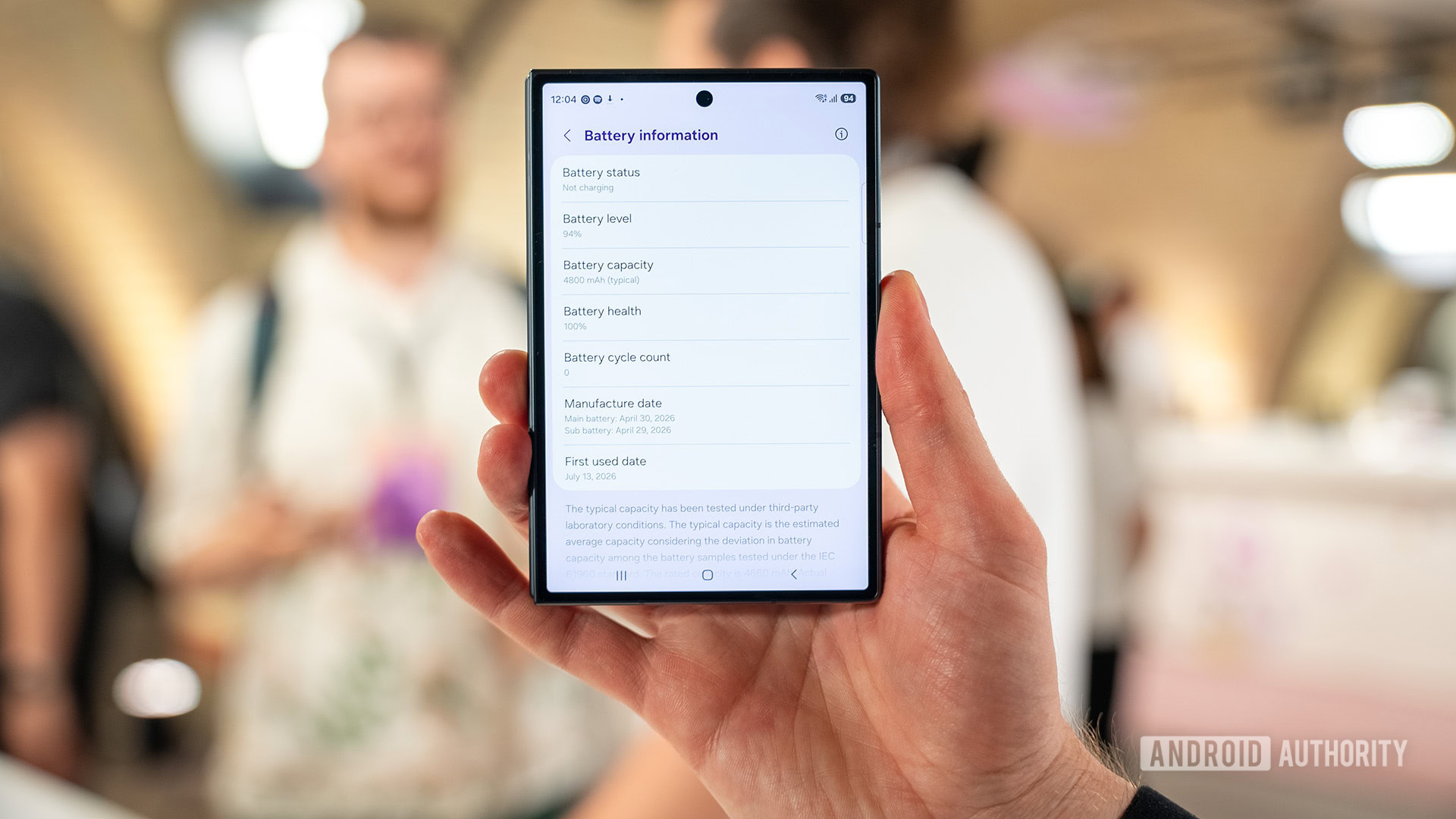
Crucially, Samsung avoided the trap of sacrificing foundational utility merely to claim a superficial title in the ultralight weight race. Despite the aggressive dietary trim, the standard Fold 8 houses a robust 4,800mAh battery. This capacity sits just 200mAh shy of the larger Ultra variant’s 5,000mAh power cell, striking an optimal balance between daily endurance and featherlight portability.
Yet, beneath the glossy exterior and impressive spec sheets lie deeper compromises that warrant careful scrutiny from prospective buyers. Performance-wise, consumers are not penalized for choosing the base model; it features the exact same high-tier Qualcomm Snapdragon 8 Elite Gen 5 for Galaxy chipset found in the more expensive Ultra tier. Multitasking fluidity, application launch speeds, and system responsiveness remain exceptional, continuing a legacy of seamless daily performance established by earlier generations.
Nevertheless, physics dictates harsh realities regarding thermal management. Compressing powerful silicon into a chassis mere millimeters thick severely limits internal heat dissipation pathways. While basic tasks execute instantaneously, sustained performance during prolonged gaming sessions, high-resolution video recording, or intensive computational photography will rigorously test the device’s vapor chamber efficiency. Whether the ultra-slim housing can maintain comfortable thermal thresholds under heavy loads remains a critical question for power users.
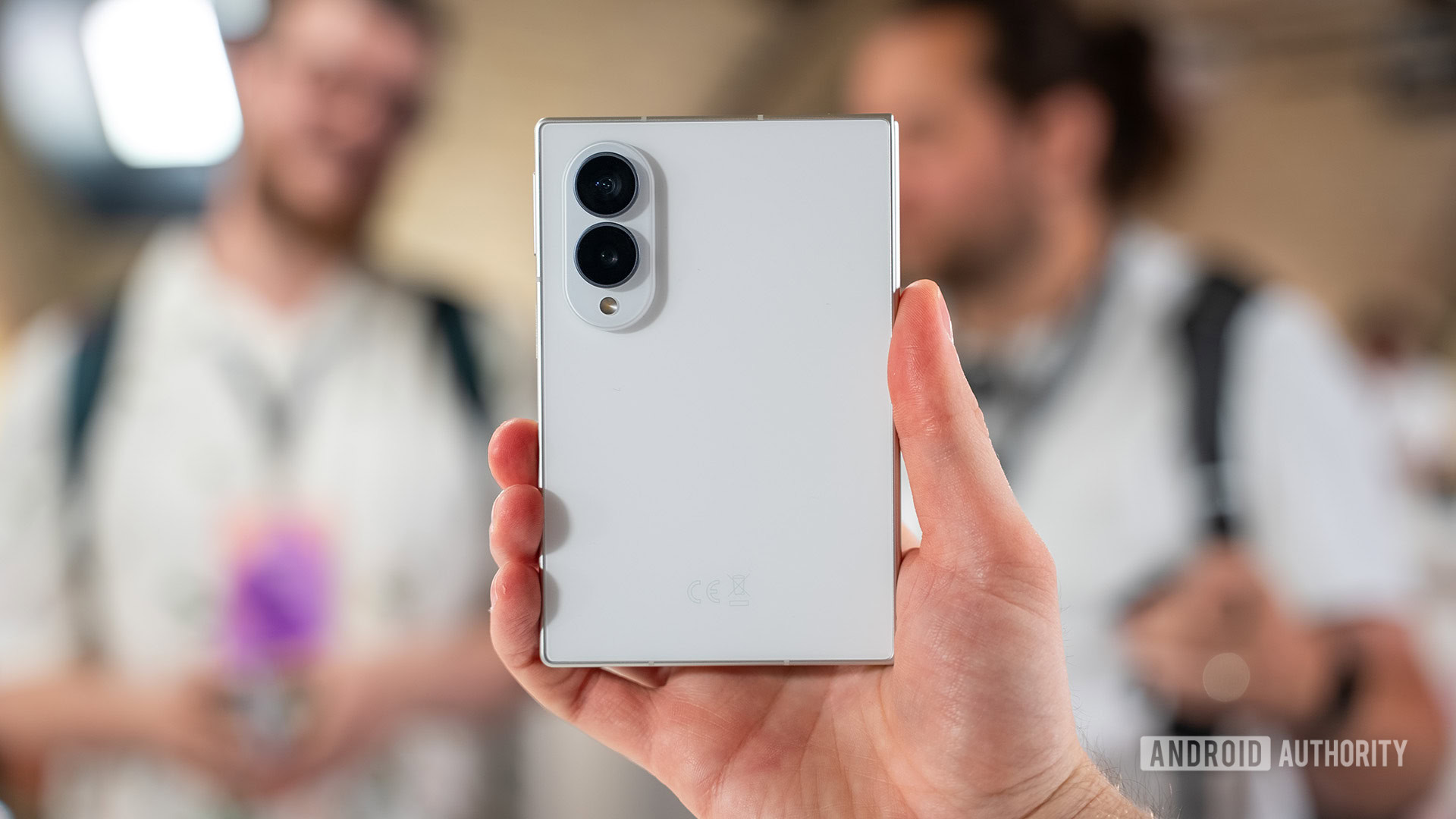
Camera hardware represents another area where the optimization knife cuts deep. The Galaxy Z Fold 8 deploys a dual-sensor rear array consisting solely of a 50MP primary shooter and a 50MP ultrawide lens. While these sensors undoubtedly capture sharp, vibrant imagery backed by advanced computational processing, the complete omission of a dedicated telephoto or periscope zoom lens on a device nearing the $1,900 mark feels glaring. In the luxury tier of mobile technology, consumers rightfully expect a comprehensive, uncompromised imaging suite.
On the bright side, power delivery has finally received the modernization it desperately required. Rectifying the sluggish 25W charging speeds that plagued previous generations, the Fold 8 introduces robust 45W wired charging. This capability replenishes the cell from empty to 65% in approximately thirty minutes, providing a vital safety net for users who frequently find themselves needing a rapid top-up before heading out the door. Impressively, Samsung democratized this feature, equipping both the standard Fold 8 and its Ultra sibling with identical charging speeds.
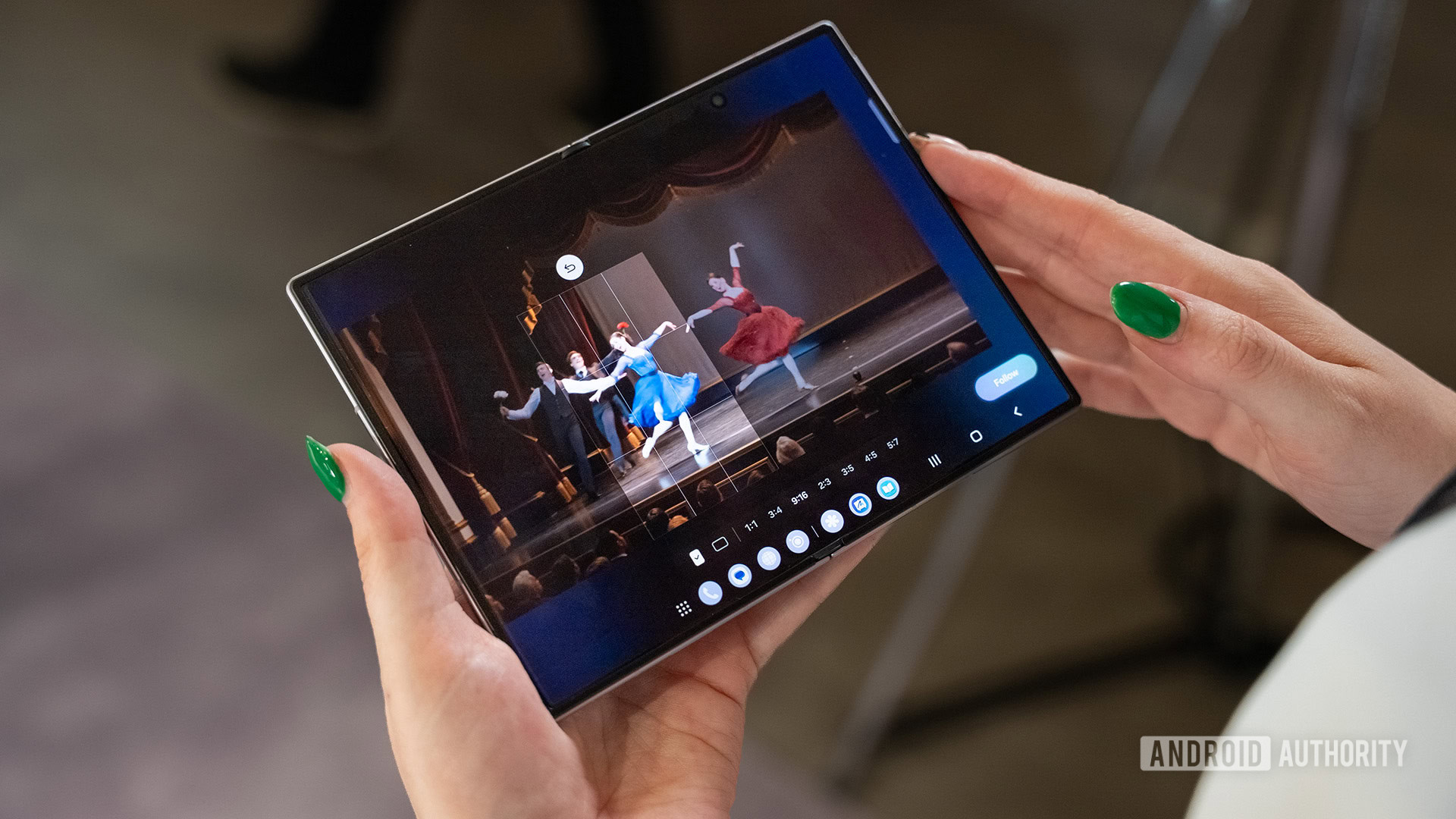
Regrettably, the removal of S Pen support stands as the most painful casualty of the device’s structural diet. The synergistic relationship between a sprawling foldable screen and a precision stylus has long been celebrated by digital creators, professionals, and avid note-takers. Eliminating stylus digitization layers to achieve a razor-thin chassis strips away a primary differentiating utility that initially set Samsung’s folding ecosystem apart from competitors.
The most profound dilemma facing the Galaxy Z Fold 8, however, is not technical, but commercial. Priced at $1,899, the standard model sits uncomfortably close to the $2,100 price tag of the Galaxy Z Fold 8 Ultra. Because the base device already inherits the flagship processor and fast-charging capabilities, the $200 price delta creates a psychological trap reminiscent of upgrading an airline seat to business class for a nominal fee.
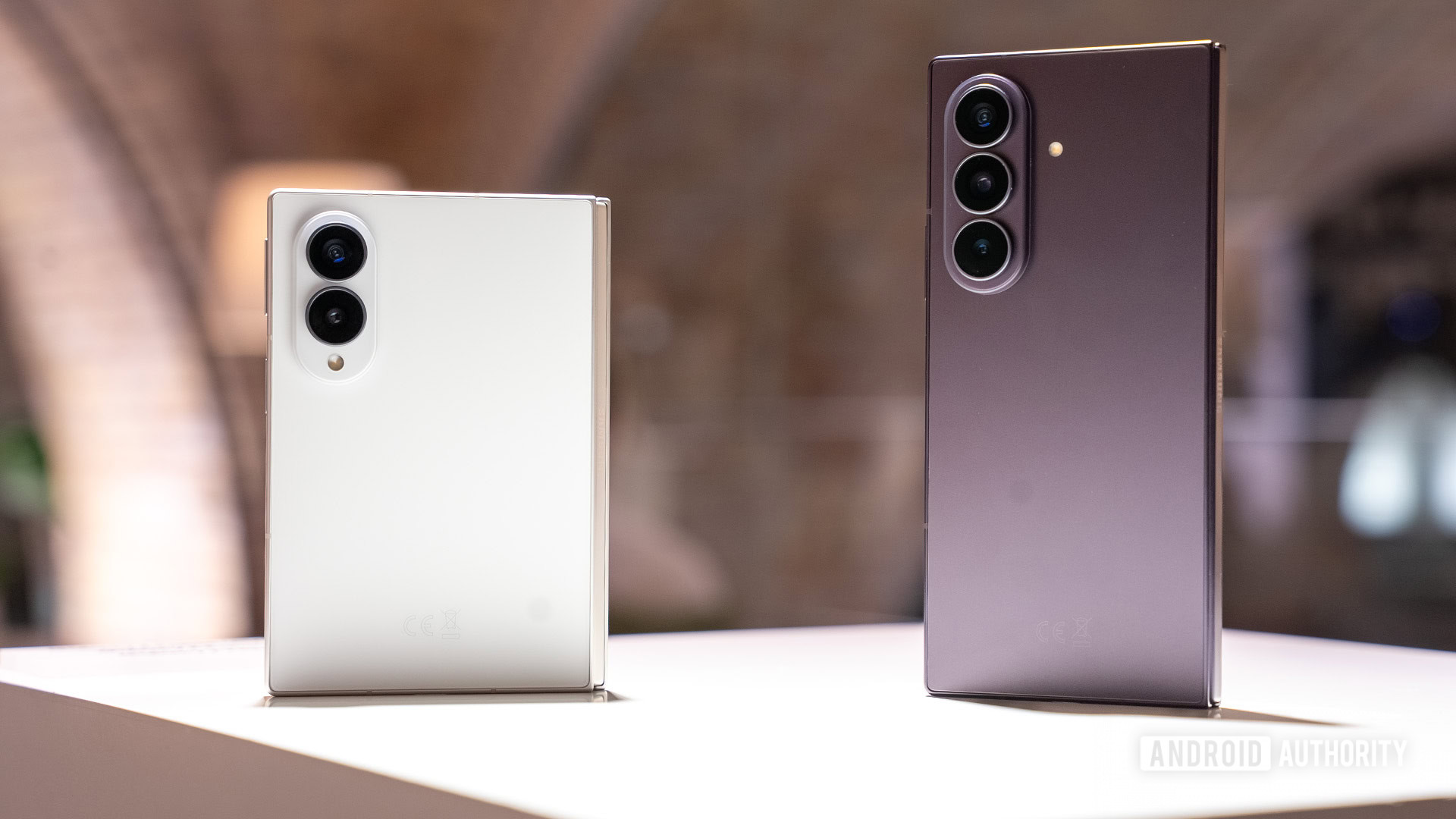
When consumers are already committing nearly two thousand dollars to a luxury purchase, rationalizing a $200 stretch for superior camera capabilities, an even thinner profile, and expanded flagship features becomes effortless. Consequently, the Galaxy Z Fold 8 finds itself caught in an unintended crossfire, competing less against rival manufacturers and more against its own high-end sibling.
As the mobile industry moves toward an ultra-thin future, Samsung’s latest foldable serves as a fascinating study in engineering triumphs and strategic paradoxes. The device undeniably dazzles with its featherlight footprint, widened cover display, and swift power delivery. Yet, by stripping away telephoto optics and stylus compatibility while pricing the hardware perilously close to its ultimate tier, the manufacturer has engineered a fascinating internal friction. The Galaxy Z Fold 8 proves brilliant enough to capture consumer imagination, yet its positioning inadvertently steers buyers toward the Ultra variant.
