

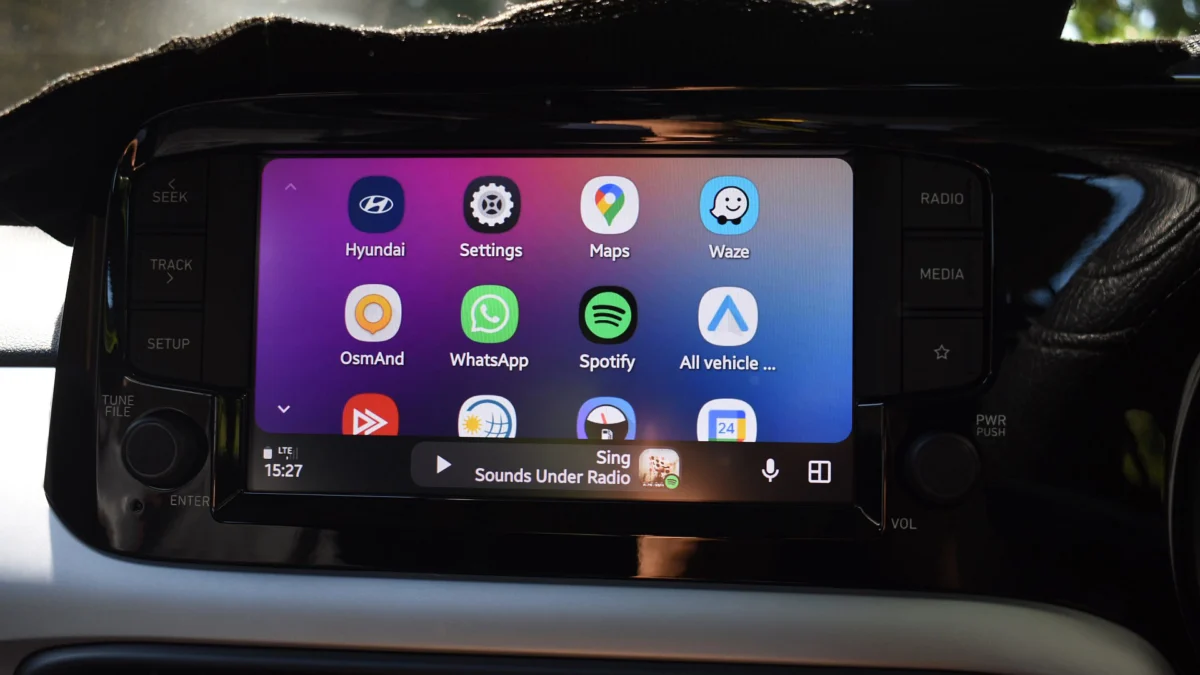
The modern vehicle has evolved far beyond its mechanical roots, increasingly serving as an extension of the professional and personal digital workspace. As remote and hybrid work models become permanent fixtures of the global economy, the demand for seamless communication tools within the automotive environment has surged. In response to this shifting landscape, Google has officially extended its Meet functionality to Android Auto, providing drivers with a streamlined, audio-focused interface for participating in meetings while on the move. This rollout, arriving hot on the heels of similar developments for rival platforms, marks a significant milestone in the ongoing transformation of the car dashboard into a productive mobile office.
The Anatomy of the Integration
At its core, the implementation of Google Meet for Android Auto is a masterclass in safety-conscious software design. Recognizing that the driver’s primary responsibility is the operation of the vehicle, the engineering team has meticulously stripped away the visual distractions inherent to standard video conferencing. Users will find no live camera feeds, slide deck presentations, or interactive emojis. Instead, the interface provides a purely audio-centric experience, ensuring that the cognitive load on the driver remains within manageable limits.
The user interface within the vehicle display is intentionally minimalist. Upon connecting, users gain access to a "Scheduled" tab, which synchronizes with their calendar to surface upcoming appointments. This allows for one-touch joining of meetings directly from the center console, bypassing the need to fumble with a smartphone. Furthermore, a "History" tab simplifies the process of reconnecting with recent contacts or active groups. The transition from phone to car is designed to be fluid; if a call is already in progress, the system intelligently hands off the audio stream to the vehicle’s speakers once the Android Auto connection is established. During the call, the screen displays only the most essential controls—typically limited to mute, unmute, and a hang-up button—to minimize eye-off-road time.
The Safety Mandate
Google’s decision to adopt a "safety-first" approach is not merely a design preference; it is a regulatory and ethical necessity. As automotive interfaces become more sophisticated, the potential for driver distraction increases exponentially. The inclusion of video conferencing in a moving vehicle has long been a point of contention among road safety advocates. By strictly limiting the feature to audio-only, Google is positioning its platform as a responsible player in the automotive space.
However, the technology does not absolve the driver of responsibility. The company is explicit in its guidance: should a meeting require a user to view a presentation, screen share, or engage in complex visual collaboration, the platform mandates that the vehicle be parked. This creates a clear boundary between "passive participation"—such as listening to a briefing or offering brief verbal feedback—and "active engagement" that requires visual attention. This dual-tier approach to utility represents the current ceiling of in-car productivity software.
Industry Implications and the "Office on Wheels" Trend
The integration of Meet into Android Auto is emblematic of a broader industry trend where the automobile is being reimagined as a "third space." As automakers move toward software-defined vehicles (SDVs), the operating system powering the infotainment unit is becoming as vital as the engine or battery pack.
For Google, this move is a strategic consolidation of its ecosystem. By embedding Meet into the Android Auto experience, the company makes its suite of productivity tools—Workspace, Calendar, and Meet—indispensable for the professional commuter. This creates a "stickiness" that encourages users to remain within the Google ecosystem, effectively raising the barrier for competitors who might attempt to displace Android Auto with proprietary manufacturer solutions.
Conversely, for the automotive industry, this represents a shift in partnership dynamics. Traditional car manufacturers are increasingly willing to hand over the keys to their dashboard real estate to tech giants like Google and Apple. The trade-off is clear: manufacturers provide a premium, feature-rich experience that consumers demand, while tech giants provide the software infrastructure that automakers often struggle to build internally. The long-term implication is that the car interior is becoming a standardized environment where the user’s digital identity follows them from their desk to their steering wheel.
Expert Analysis: The Road Ahead
From a technical and user-experience perspective, the current implementation of Meet on Android Auto is a foundational step. Industry analysts observe that the primary challenge moving forward will be the integration of AI-driven tools. With the rapid advancement of Large Language Models (LLMs), the next logical phase of in-car communication involves real-time meeting summarization and voice-activated command processing.
Imagine a scenario where a driver finishes a meeting and, through a simple voice command, requests that the car’s AI assistant send a summary of the meeting to the rest of the team or add action items to a project management board. Such features would move beyond simple connectivity and into the realm of true productivity enhancement. However, the complexity of these features must be balanced against the strict latency requirements of a vehicle’s communication system and the necessity of preventing "alert fatigue."
Another critical observation is the current limitation regarding "Work" profiles. The fact that the initial release does not fully support corporate accounts for calendar and history visibility suggests that there are significant security and data-partitioning hurdles to clear. For enterprise users, privacy is paramount. Ensuring that sensitive corporate data remains siloed while still allowing for easy access within the vehicle will be a primary focus for Google’s engineering teams in the coming months.
Future Impact and Trends
Looking toward the future, the integration of communication platforms into the vehicle dashboard is likely to accelerate. We are rapidly approaching a time when in-vehicle communication will be influenced by the rise of Level 3 and Level 4 autonomous driving technologies. As vehicles take on more of the driving task, the restrictions on visual content within the dashboard will likely loosen.
Once the driver is no longer required to monitor the road continuously, the "audio-only" limitation of today will look like a relic of the past. Future versions of Android Auto will almost certainly support full video conferencing, augmented reality overlays for meetings, and collaborative whiteboarding—all facilitated by the vehicle’s own connectivity hardware and advanced compute power.
However, in the interim, the industry must grapple with the psychological transition of the user. As we bridge the gap between manually operated vehicles and fully autonomous systems, the primary task for software developers is to educate users on the limits of their current environment. The clear, non-negotiable warnings provided by Google today serve as a necessary guardrail for a generation of users who are accustomed to constant, high-fidelity digital connectivity.
Conclusion
The arrival of Google Meet on Android Auto is more than a simple app update; it is a manifestation of how our work lives are irrevocably tethered to our mobility. By balancing the urgent need for productivity with the non-negotiable requirements of road safety, Google has provided a template for how communication tools should behave in high-stakes environments.
As the automotive dashboard continues to digitize, the success of these integrations will depend on how well they can anticipate user needs without adding to the cognitive burden of driving. For the daily commuter, the ability to join a meeting while safely navigating traffic is a welcome convenience. For the industry, it is a clear signal that the race to dominate the "digital cockpit" is heating up, and the victor will be the one who best integrates the professional world into the journey, one mile at a time. Whether this leads to a more efficient workforce or simply a more distracted driving population remains a subject of ongoing debate, but one thing is certain: the era of the connected, productive vehicle has firmly arrived.
