

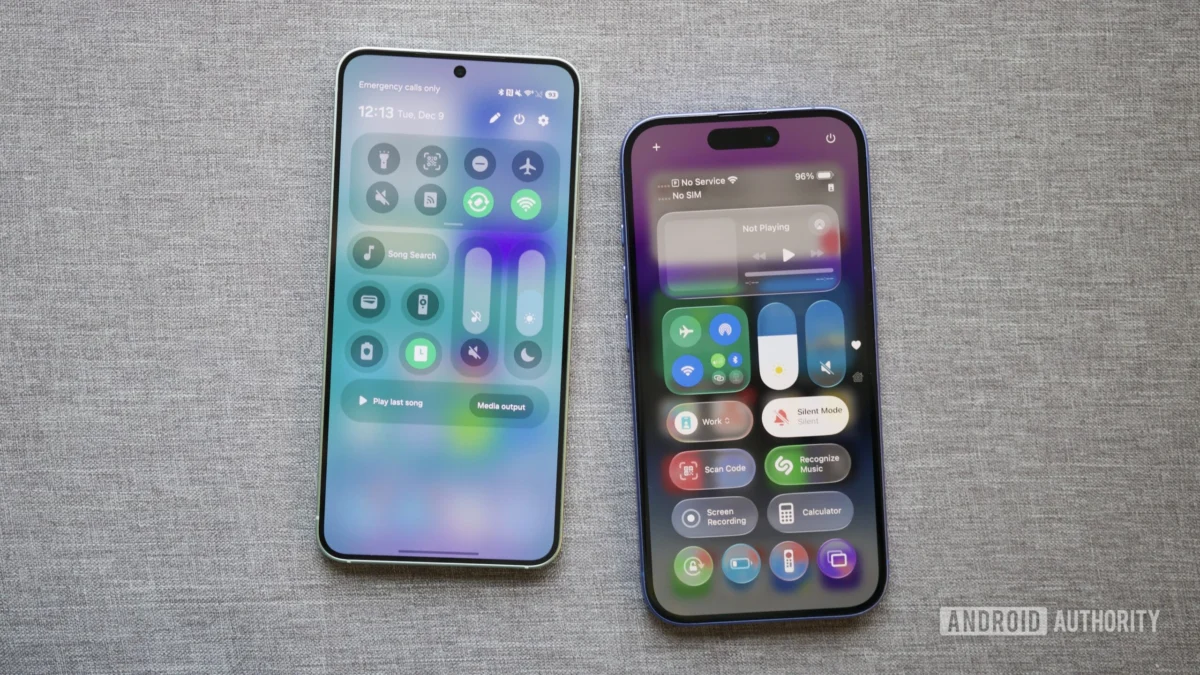
Samsung is aggressively accelerating the deployment of its latest software iteration, ensuring that its commitment to long-term device support is felt across a wider segment of its hardware ecosystem. While the industry’s collective gaze has been fixed firmly on the high-profile launch of the flagship Galaxy S26 series, the company has quietly initiated a massive expansion of the One UI 8.5 beta program. This move effectively bridges the gap between its newest cutting-edge hardware and the devices that have served as the backbone of its market share over the last two years.
The Scope of the Expansion
Recent reports originating from key markets indicate that the beta program is no longer confined to the latest premium handsets. Instead, the initiative has broadened to encompass a diverse array of models, including the Galaxy S23 FE, which is now receiving access in India, and the Galaxy A35, which marks its maiden entry into the testing cycle.
The geographical distribution of these builds is strategically phased, reflecting Samsung’s standard approach to stability management. In South Korea, users of the Galaxy A55 are now eligible for their first beta experience, while the Galaxy Z Fold 5 and Z Flip 5—devices that remain highly capable workhorses—have officially joined the fold in both South Korea and the United States. Furthermore, the company is demonstrating a clear tiered support structure; while older devices are just beginning their testing journey, the newer Galaxy Z Fold 6 and Flip 6 are already receiving their second beta iteration, and the cutting-edge Z Fold 7 and Flip 7 are advancing into their third beta build.
This phased rollout is critical for Samsung. By segmenting the release by region and hardware generation, the company can identify localized bugs and hardware-specific performance bottlenecks before pushing the software to the wider global user base. While users in regions like the UK and other parts of Europe are currently awaiting their invites, the rapid pace of current developments suggests a highly efficient internal pipeline.
The Strategic Value of One UI 8.5
The One UI 8.5 update is not merely a superficial coat of paint; it represents a fundamental shift in how Samsung intends to leverage artificial intelligence and cross-platform interoperability. At the core of this update is a suite of AI-driven features that aim to blur the line between a standard operating system and a personalized digital assistant.
One of the most significant, yet technically demanding, inclusions is the integration of AirDrop-compatible protocols within Quick Share. This marks a pivotal moment in mobile industry history. By collaborating with Google to evolve the Nearby Share standard into a more robust, cross-ecosystem utility, Samsung is now taking the final step to enable seamless, native file transfers between Galaxy devices and Apple hardware.
Industry analysts note that this feature is a significant competitive differentiator. For years, the "walled garden" approach of Apple has been a friction point for multi-device households. By effectively opening a bridge, Samsung is prioritizing user convenience over ecosystem lock-in. However, there is a technical caveat: while the software framework is present, full, stable compatibility with Apple’s proprietary protocol is currently locked to the S26 series. The company is actively working to optimize these APIs for the varying chipsets and antenna configurations of older devices, with expectations that full compatibility will arrive for the wider beta pool as the software reaches maturity.
AI and the "New Bixby"
Beyond connectivity, One UI 8.5 places a heavy emphasis on the "New Bixby." Long criticized for its limitations in earlier iterations, Bixby is undergoing a complete transformation, now powered by advanced Large Language Models (LLMs). This allows for vastly superior natural language processing, moving away from rigid command structures toward fluid, context-aware conversations.
The inclusion of these LLMs suggests that Samsung is preparing its mobile devices to act as edge-computing hubs. By processing more requests on-device, the company is addressing privacy concerns while reducing latency. Furthermore, the implementation of "Now Nudge"—a feature that provides contextual alerts based on user behavior—highlights a trend toward predictive computing. The system learns the user’s routine, suggesting actions before the user has to search for them in the UI. When paired with enhanced "Audio Eraser" tools, which leverage generative AI to clean up video and audio recordings with professional-grade precision, it is clear that Samsung is positioning One UI 8.5 as a productivity powerhouse.
The Engineering Challenge of Lifecycle Management
Providing this level of software support to legacy hardware—such as the Z Fold 5 or the A55—is an immense engineering undertaking. Unlike a "one size fits all" operating system, One UI must be meticulously calibrated to account for the thermal profiles, memory constraints, and neural processing unit (NPU) capabilities of various chips, ranging from the latest Snapdragon and Exynos silicon to mid-range processors.
This beta expansion serves as a litmus test for Samsung’s "seven-year update" promise. By inviting older devices into the beta cycle, the company is effectively stress-testing its optimization layers. If successful, this will validate the longevity of the Galaxy hardware and potentially shift consumer buying patterns, as users may feel more confident in the long-term value of their investment.
How to Engage with the Beta Program
For power users and early adopters eager to experience these features, the pathway to enrollment remains consistent with previous years, though it requires proactive monitoring. The primary gateway is the Samsung Members application.
Upon launching the app, users should navigate to the home dashboard to look for a dedicated banner announcing the One UI 8.5 beta. If the banner is not immediately visible, it is often tucked away in the "Benefits" or "Notices" section, or within a list of cards at the bottom of the interface. Once the registration card is selected, the device is provisioned to receive the beta firmware over-the-air.
It is imperative, however, to approach this with caution. As with any beta software, there are risks of instability, battery drain, and app incompatibilities. Samsung manages this by limiting the number of available slots in each region to ensure that the feedback loop remains manageable. Consequently, the program operates on a first-come, first-served basis. Those interested are advised to monitor the Samsung Members portal frequently, as spots can fill up within hours of the announcement in high-demand regions.
Future Implications
Looking ahead, the successful deployment of One UI 8.5 will likely set the industry standard for how Android OEMs handle AI integration. As the focus shifts from hardware-centric marketing to software-defined experiences, the ability to deliver sophisticated AI tools to a legacy install base will become the primary metric by which consumer loyalty is measured.
If Samsung can maintain this momentum, the gap between the flagship experience and the mid-range or legacy experience will continue to shrink, fundamentally changing the narrative of the smartphone upgrade cycle. We are moving toward an era where the hardware is merely a chassis for an evolving, AI-driven software layer that improves long after the device has left the retail shelf. For the current beta participants, they are not just testing a new version of Android; they are witnessing the evolution of the smartphone into a truly intelligent, adaptive companion.
