

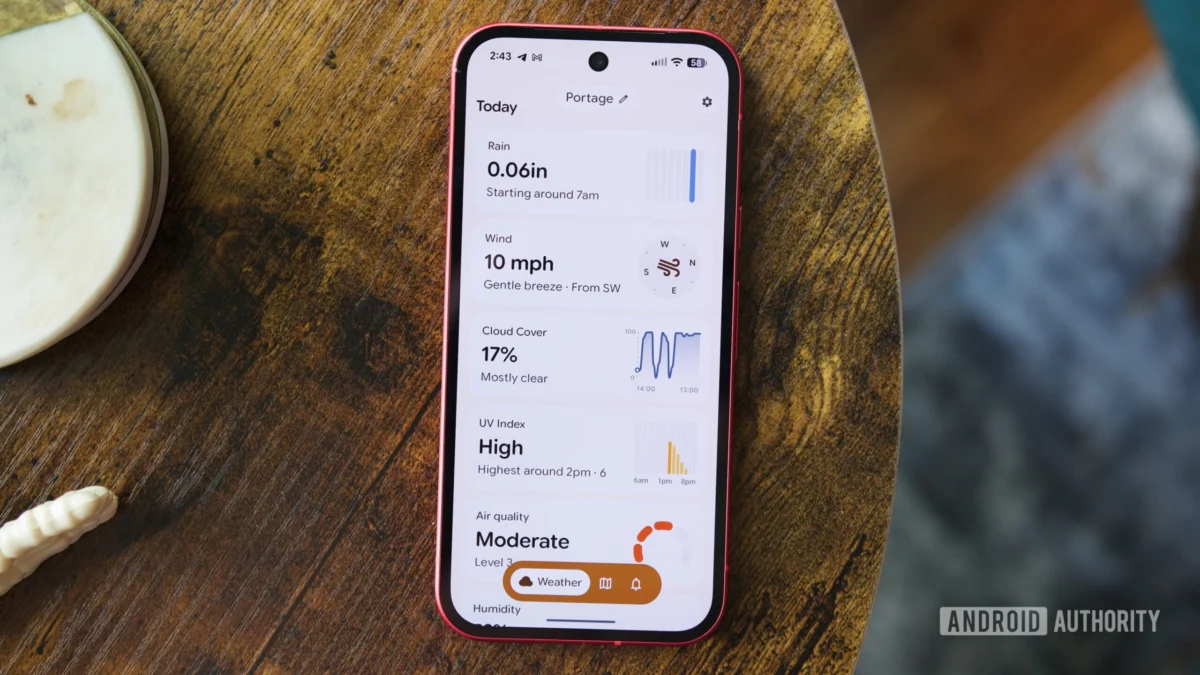
For years, many smartphone users remain content with the rudimentary weather alerts and basic thermal readouts pre-installed on their mobile devices. Relying exclusively on default push notifications or surface-level summaries feels adequate until a user ventures outside the walled garden of conventional utility software. Discovering specialized forecasting platforms changes that perspective entirely, transitioning casual users into discerning digital meteorology enthusiasts. Among the myriad independent utilities available for mobile operating systems, Breezy Weather stands out as an exceptional achievement in software design, despite its deliberate absence from mainstream corporate app marketplaces.
The modern software landscape is crowded with digital tools that prioritize monetization, ad-driven engagement metrics, and rigid layouts over genuine utility. Mainstream pre-installed tools developed by major original equipment manufacturers frequently force users to scroll past irrelevant engagement blocks, lifestyle suggestions, and sports-related metrics. This lack of granular control often creates a frustrating digital experience. In contrast, open-source development ecosystems allow independent developers to construct streamlined, highly adaptable alternatives that respect user attention and privacy. Sideloading applications from alternative repositories like F-Droid or GitHub has transformed from a niche hobby into an essential practice for tech-savvy consumers seeking uncompromised utility.
Granular Customization as a Core Architecture
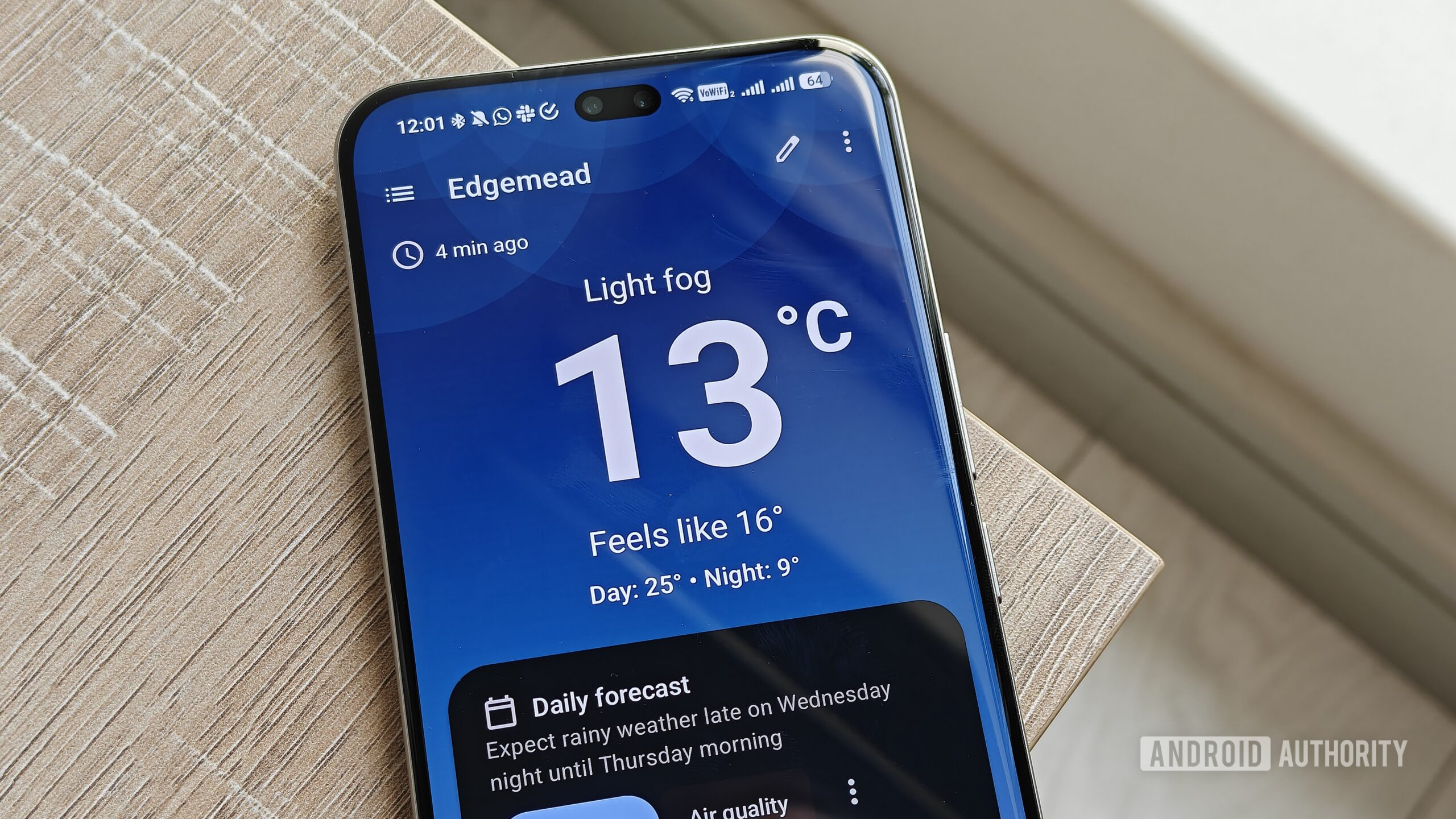
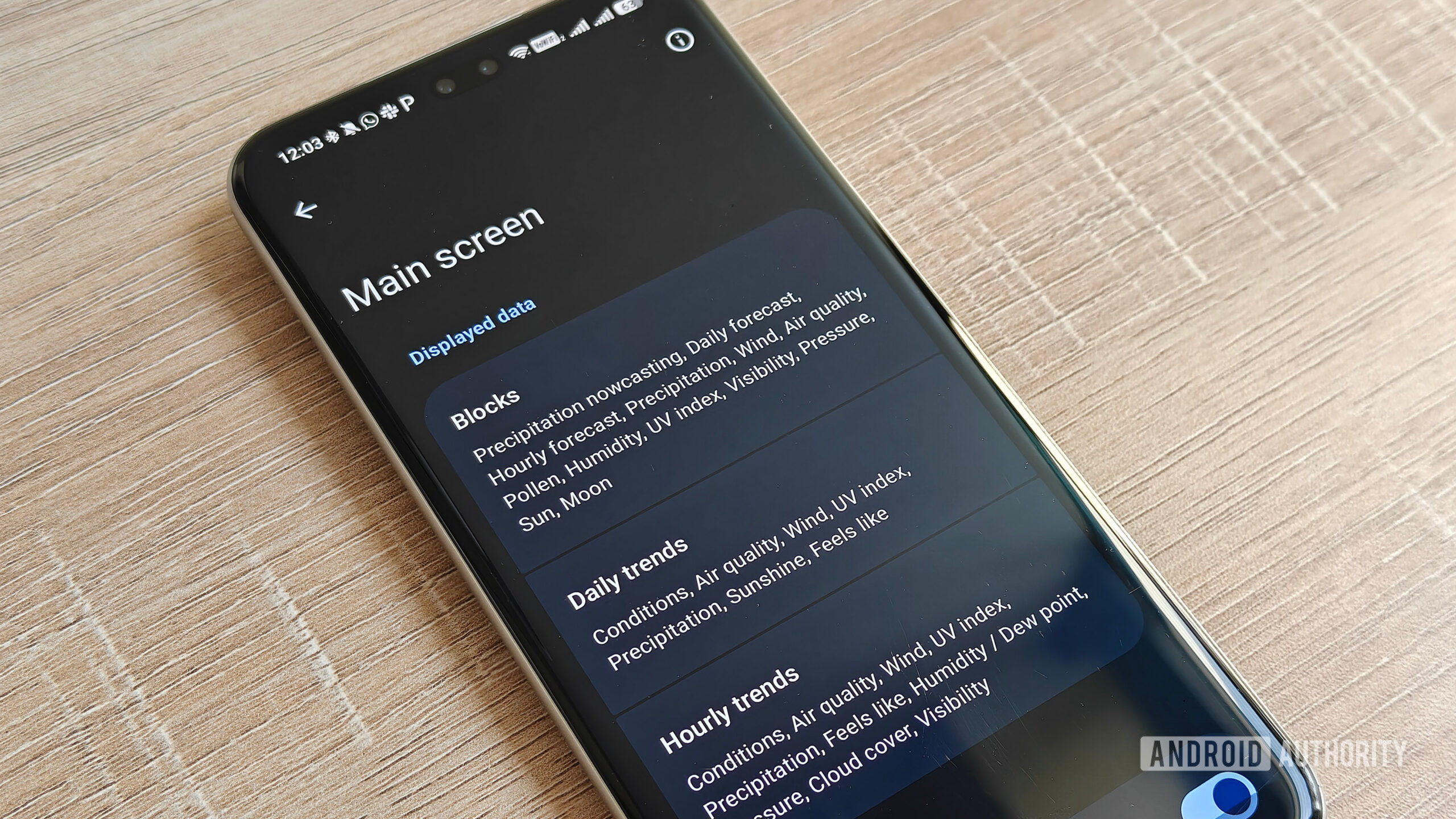
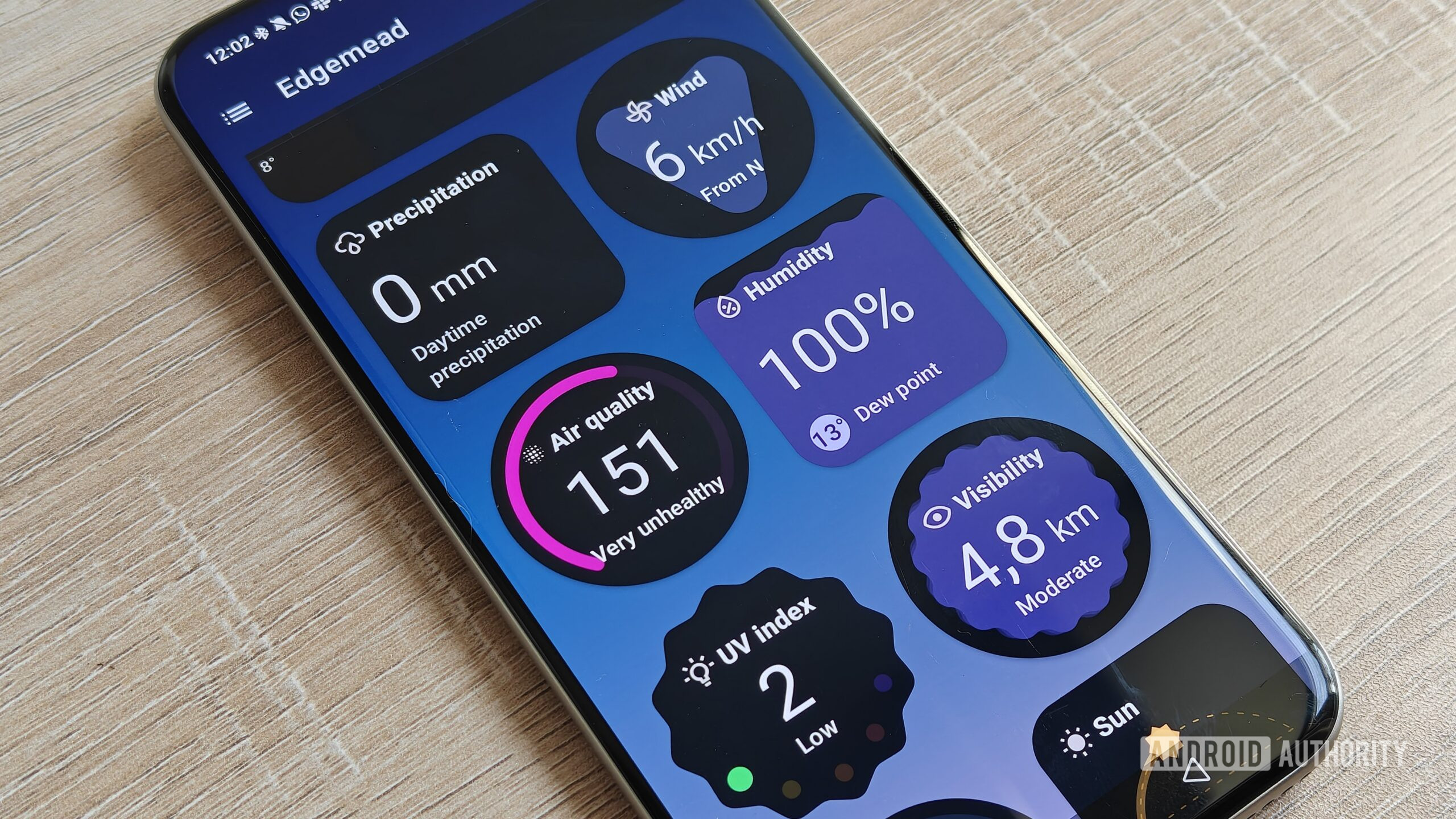
At the heart of Breezy Weather’s appeal is a modular design philosophy that rejects the standard one-size-fits-all paradigm. Rather than presenting a static wall of pre-selected meteorological data, the application empowers individuals to curate their main dashboard precisely. Users can toggle specific informational blocks on or off, ensuring that relevant metrics—ranging from precipitation nowcasting and hourly trends to detailed air quality indices, pollen counts, ultraviolet radiation levels, atmospheric pressure, and lunar phases—take center stage.
Furthermore, the interface adapts smoothly to personal aesthetic preferences without inducing cognitive overload. The platform supports native integration with various icon packs, including Pixel-style and One UI motifs, allowing the software to blend seamlessly into the broader operating system environment. Home screen widgets offer deep personalization capabilities, letting users modify background opacity, accent colors, typography, and font sizes. This level of granular control extends to the underlying data sources. When standard meteorological models fail to accurately capture microclimate realities, users can easily switch between different forecast providers to secure the most precise regional reporting available.
The Economic Realities of Modern Mobile Utility Software
The choice to distribute Breezy Weather outside traditional corporate app ecosystems reflects a broader industry shift regarding software monetization and user trust. Commercial storefronts are increasingly saturated with intrusive advertisements, subscription paywalls, and telemetry trackers hidden deep within third-party utilities. Even native system software built by hardware giants frequently incorporates promotional banners, video carousels, and engagement drivers designed to keep eyes glued to the screen rather than delivering swift, actionable information.
By operating entirely ad-free and focusing strictly on open-source transparency, Breezy Weather bypasses the commercial pressures that compromise competing products. Users are spared from unremovable promotional cards and intrusive data harvesting. While sideloading requires a minor manual effort—retrieving installation packages from verified community repositories—the absence of bloatware and commercial interruptions makes the process worthwhile. This dynamic highlights an intriguing tension in contemporary mobile computing: the highest-quality user experiences are frequently found outside the heavily policed confines of official storefronts, driven by community passion rather than corporate revenue targets.
Architectural Limitations and Areas for Evolution
Despite its robust feature set and pristine interface design, no piece of software is entirely without shortcomings. One area where independent utilities occasionally lag behind heavily funded commercial counterparts is in the sophistication of automated push notifications. While Breezy Weather handles severe weather alerts and basic precipitation warnings adequately, its notification parameters remain somewhat broad compared to specialized alternatives like Gradient Weather.
Advanced platforms often provide hyper-specific triggers allowing users to set exact numerical thresholds for variables such as barometric pressure shifts, localized pollen surges, and frost formation. For individuals managing chronic health conditions—such as migraines triggered by rapid atmospheric pressure drops or temperature spikes—precise threshold alerts are more than mere conveniences; they are practical health management tools. While workarounds utilizing home automation hubs or native routine engines can partially bridge this gap, integrating advanced, highly customizable trigger conditions directly into the forecasting platform would elevate the software to an elite tier.
The Future of Independent Android Utilities
As mobile operating systems become increasingly restrictive, the survival and proliferation of independently developed tools like Breezy Weather underscore the enduring value of the open-source community. Consumers are growing fatigued by algorithmic feeds, monetized utility apps, and forced engagement loops. The demand for software that respects user agency, offers deep personalization, and protects personal data has never been higher.
Breezy Weather demonstrates that utility software can be both powerful and minimalist. By prioritizing user choice, maintaining a strict zero-ad policy, and allowing complete autonomy over data presentation, the application sets a high standard for what mobile forecasting should be. For anyone willing to look beyond mainstream app storefronts, adopting this platform offers a masterclass in how modern mobile software ought to function—efficient, transparent, and entirely tailored to the individual.
