

For power users and developers eager to experience the absolute cutting edge of mobile operating system development, the Android Canary channel represents the final frontier. Operating far upstream from standard developer previews and public beta rings, the Canary builds deliver raw, unpolished, and frequently experimental features straight from the source code repository. Exactly one month following the deployment of the July iteration, Google has officially pushed out the August package, designated as Android Canary build 2608. While this latest release introduces highly anticipated user-interface enhancements, it also signals the end of the line for a foundational generation of Google-branded smartphones.
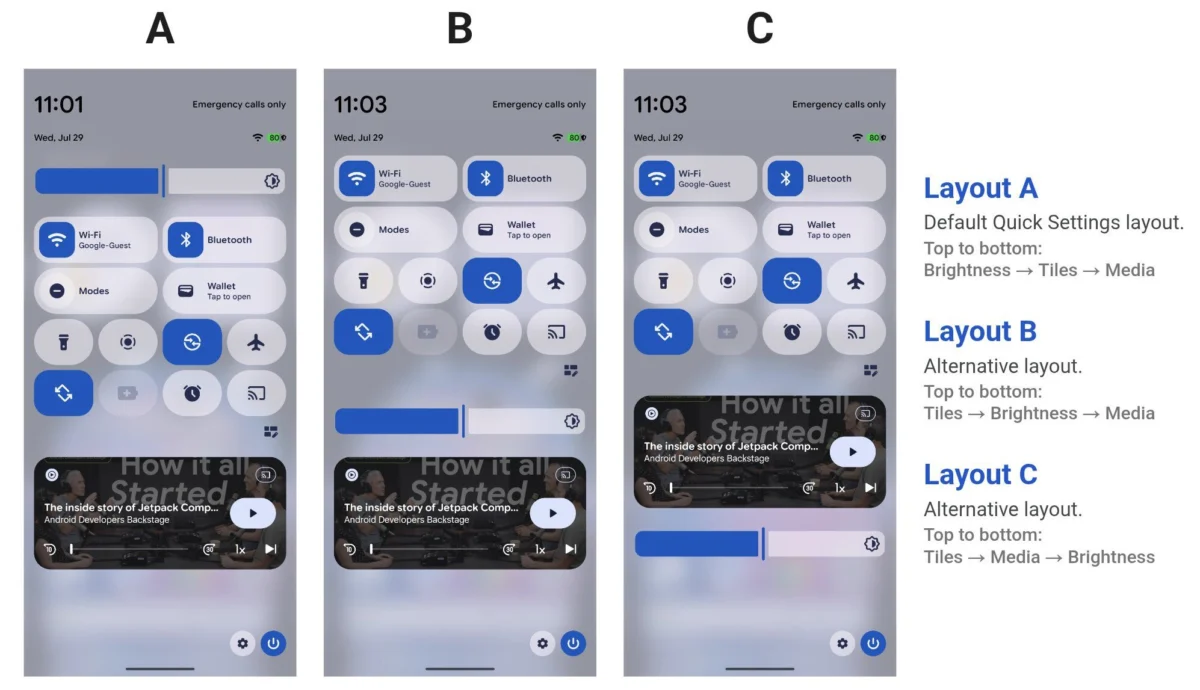
The distribution of build 2608 was formally announced across developer communities, quickly drawing attention for its prominent architectural adjustments. Chief among the additions is an advanced Quick Settings layout editor. For years, operating system customizability has been a primary battleground for mobile platforms, and Google’s latest tooling aims to give users granular control over how system toggles, connectivity controls, and shortcut tiles are arranged. Early breakdowns of the feature reveal a sophisticated grid-based management system, moving far beyond the rigid, pre-determined tile placements of previous Android iterations. Users can now reshape their notification shade ecosystem to better match individual workflow demands, prioritizing frequently accessed utilities over static toggles.
Alongside the Quick Settings restructuring, build 2608 integrates emerging framework changes such as refined app handles, pointing toward deeper ecosystem interoperability and window-management paradigms. These underlying structural adjustments indicate that the engineering teams are aggressively prototyping interface behaviors designed to scale seamlessly across heterogeneous form factors, including foldables and upcoming tablet variations. By testing these capabilities in the wild via the Canary ecosystem, Google can harvest crucial telemetry data regarding memory overhead, rendering latency, and touch input responsiveness before the features graduate to more stable software channels.

However, the rollout of build 2608 brings sobering news for a specific segment of the enthusiast community. Following parallel developments within the Android Quarterly Platform Release tracks, the Canary program has officially initiated hardware deprecation for the Pixel 6 and Pixel 6 Pro lineup. Devices powered by the first-generation Tensor processing units can technically flash this specific August release, but doing so marks a definitive terminal point. Future Canary updates will no longer compile or distribute binaries for these aging devices, effectively closing the door on further bleeding-edge experimentation for owners of the 2021 flagships.
This hardware phase-out underscores the relentless pace of silicon evolution and the mounting technical debt associated with maintaining legacy kernel architectures. As modern Android builds increasingly lean on advanced machine learning pipelines, heterogeneous computing blocks, and strict security enclaves native to newer system-on-chip designs, maintaining backward compatibility for older hardware strains engineering resources. For the Pixel 6 series, which revolutionized Google’s internal hardware ambitions by transitioning away from Qualcomm Snapdragon processors, this transition marks the natural conclusion of its lifecycle at the absolute vanguard of software development. Owners of these devices will eventually need to migrate to stable public releases or upgrade their hardware to continue exploring pre-release software variants.
Analyzing the broader industry implications of the Android Canary program reveals a strategic shift in how major operating system vendors manage public-facing research and development. Traditionally, core OS experimentation occurred entirely behind closed doors within internal staging branches. By opening up Canary builds to adventurous consumers, Google effectively crowdsources stress-testing for features that may or may not survive the gauntlet into mainstream commercial releases. This transparent, rapid-iteration model allows the development community to provide immediate feedback on ergonomics, visual hierarchy, and performance bottlenecks.
Looking toward the future, the introduction of modular layout editors and sophisticated app handling mechanisms points to a paradigm where the traditional boundaries of the notification shade and home screen blur completely. As context-aware computing and ambient artificial intelligence become deeply embedded into the operating system fabric, users will demand hyper-personalized interfaces that dynamically adapt to their immediate environment and tasks. The tools debuted in Android Canary 2608 are foundational building blocks for this adaptive future, signaling that the next major software cycles will prioritize deep structural customizability above all else. As developers begin dissecting the inner workings of the August build, the wider tech ecosystem will closely watch how these experimental layout tools evolve ahead of their eventual commercial deployment.
