

As the next generation of flagship smartwatches prepares to hit the market, the industry conversation is dominated by promises of advanced sensors, AI-driven wellness coaching, and ever-increasing screen brightness. We are on the precipice of the Galaxy Watch 9 and Galaxy Watch Ultra 2 launch, devices that will undoubtedly push the boundaries of what a wrist-worn computer can achieve. Yet, as I look down at the aging Galaxy Watch 4 still tethered to my wrist, I find myself unmoved by the prospect of a hardware refresh. The reason isn’t a lack of technical capability in Samsung’s latest offerings, but rather a fundamental philosophical divide in how consumer health data is processed and presented. For all the talk of "Fitness Index," "Vitals," and hearing health tracking, the industry continues to miss the mark on a singular, transformative metric that Garmin perfected nearly a decade ago: Body Battery.
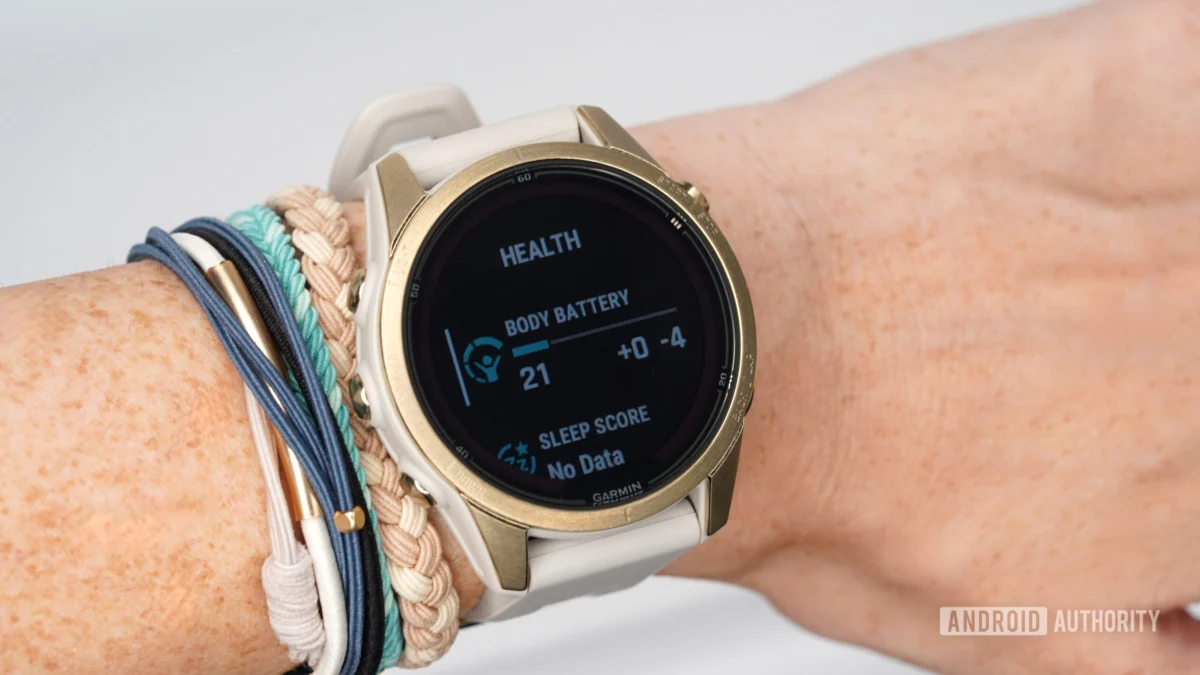
The appeal of the Body Battery score lies in its elegant simplicity. It acts as a comprehensive, real-time aggregate of a user’s physiological state, mapped onto a scale of 0 to 100. By synthesizing heart rate, heart rate variability (HRV), sleep architecture, and daily physical exertion, Garmin provides a high-level view of human recovery that feels intuitively correct. While most modern smartwatches have moved toward a morning-only report—a "snapshot" of readiness based on last night’s sleep—Garmin treats energy as a non-static, fluctuating resource that must be managed throughout the waking hours.
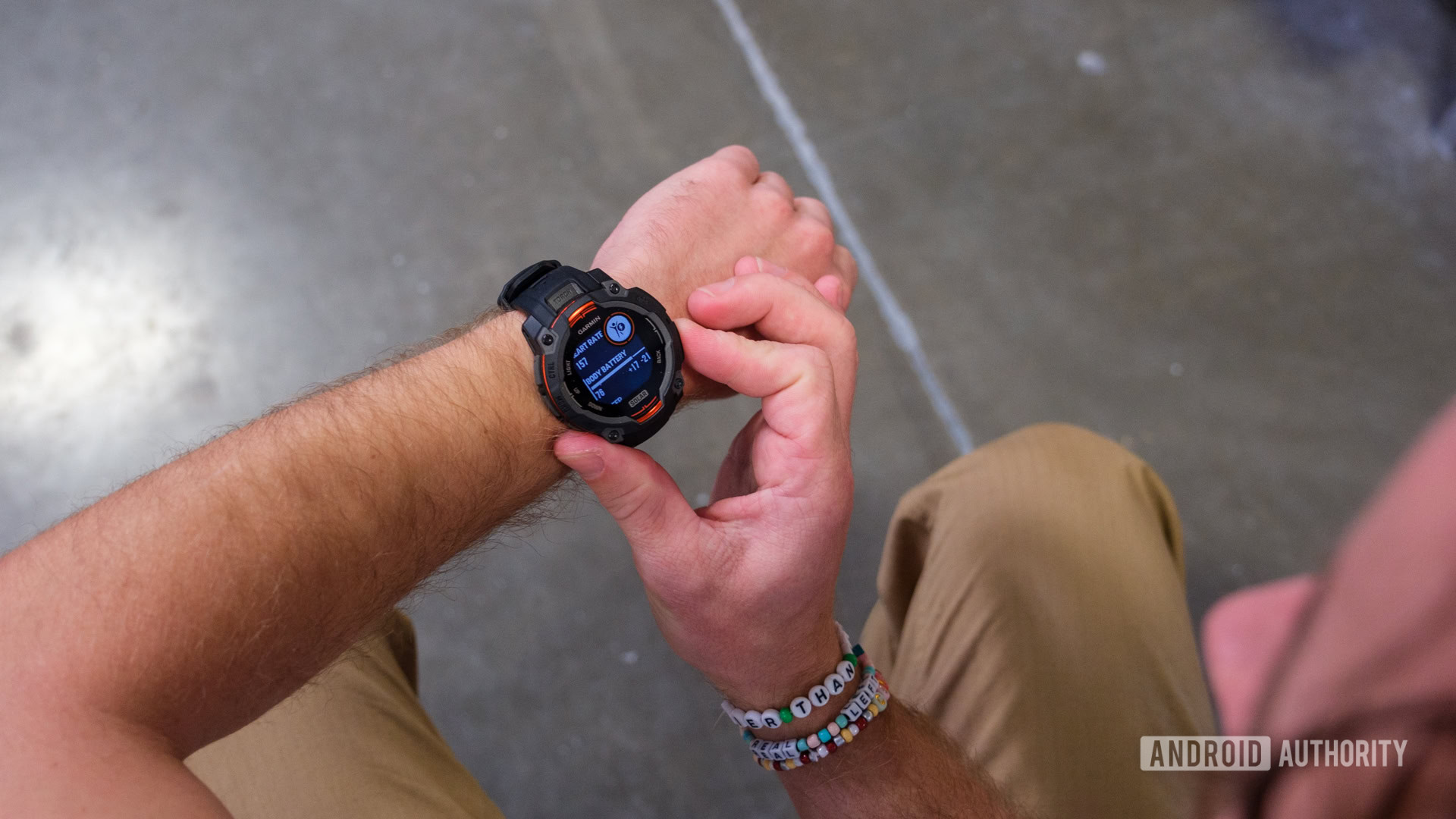
This divergence in design philosophy highlights a significant split in the wearables market. On one side, we have the "Smart" category, dominated by companies like Samsung and Apple, which focus on distinct, compartmentalized health data. They offer granular insights into sleep stages, blood oxygen saturation, and activity intensity. On the other side, we have the "Performance" category, where Garmin sits. Here, the focus shifts from data accumulation to actionable synthesis. The "Body Battery" concept is essentially a digital fuel gauge. It accounts for the metabolic cost of movement and the restorative benefit of rest in real-time. If I go for a strenuous run at 10:00 AM, my "battery" drops immediately. If I take a quiet lunch break or a brief nap, I see that number tick upward. This creates a feedback loop that feels remarkably aligned with the human experience, whereas the current "Energy Score" models offered by competitors often feel like historical artifacts—a review of yesterday rather than a guide for today.
The industry implications of this are profound. As we move toward a future where wearables are intended to serve as preventative medical tools, the "static" nature of daily readiness scores becomes a liability. A user’s physical state is dynamic; stress from a difficult meeting or a caffeine spike in the afternoon significantly alters one’s ability to recover or perform in the evening. By providing only a static score calculated at 6:00 AM, a watch ignores the reality of the user’s day. A truly intelligent wearable should be a living partner in decision-making, helping the user determine whether to push through a workout or prioritize recovery based on the reality of their current, evolving state of fatigue.
From an expert analysis perspective, the barrier for competitors like Samsung to replicate this is not technical; it is strategic. To implement a dynamic, fluid energy score requires a high degree of confidence in the underlying sensor data. Because the score must update in near real-time, the algorithms must be incredibly robust against noise—such as accidental movement, wrist slippage, or temporary heart rate spikes caused by external factors like temperature or emotional stress. Garmin has spent years refining its proprietary algorithms to ensure that the "drain" and "charge" rates feel authentic to the user. Many competitors, conversely, prefer the safety of aggregated daily scores, which are easier to calculate and less prone to the "jitter" that comes with real-time tracking.
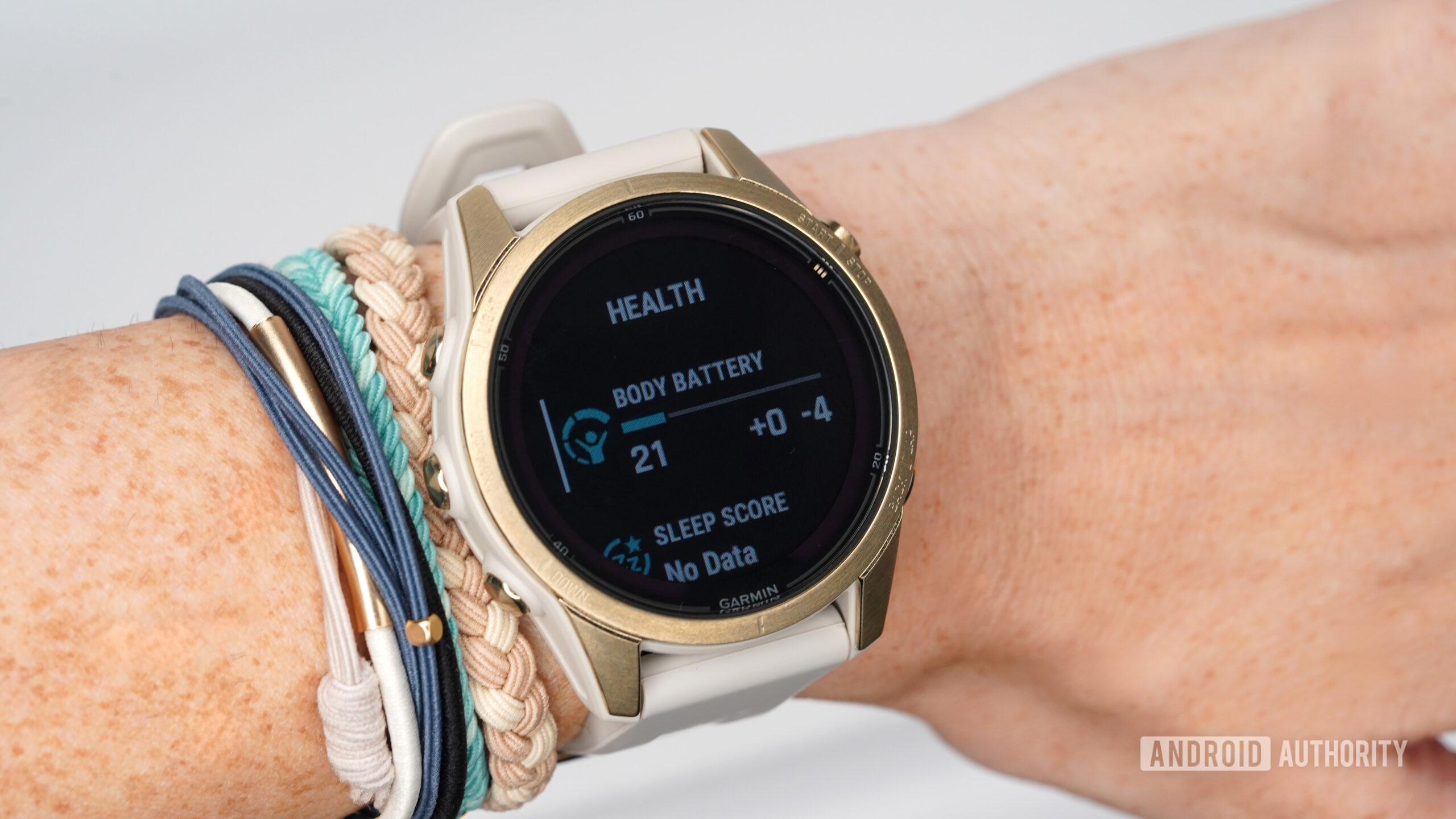
Furthermore, there is a psychological component to this. When a device provides a static score, it treats health as a pass/fail metric. You either had a good night’s sleep or you didn’t. When a device uses a dynamic metric, it encourages "pacing." It turns health management into a game of resource allocation. If I see my battery is low, I might decide to take the stairs instead of the elevator, or perhaps skip that extra cup of coffee. It transforms the user from a passive observer of their data into an active manager of their physical reserves. This shift in agency is exactly what the modern user needs, yet it is conspicuously absent from the marketing narratives surrounding the upcoming hardware refreshes.
The future of wearables will likely be defined by the transition from "what happened" to "what should I do now?" We are entering the era of the "active assistant." For this to be effective, hardware must move beyond just collecting data. The industry is currently obsessed with adding more sensors—temperature sensors, skin conductivity sensors, and advanced blood pressure monitoring are all in vogue. While these provide fascinating data points, they often lead to "analysis paralysis." The average user doesn’t need to know their HRV, their VO2 max, their skin temperature, and their sleep apnea risk score all at once. They need to know if their body is ready to meet the demands of their day.
This is where the divergence between the Galaxy Watch series and the Garmin ecosystem becomes critical. Samsung, with its transition to more complex AI-driven health insights, is clearly leaning into the "more is better" philosophy. They are adding features like "Fitness Index" to satisfy the growing demand for gamified health tracking. While these features are undoubtedly impressive, they often feel like fragmented puzzle pieces. They fail to coalesce into a single, cohesive narrative of how the user is actually doing. By contrast, Body Battery serves as an umbrella metric. It doesn’t replace the granular data; it provides the context that makes the granular data useful.
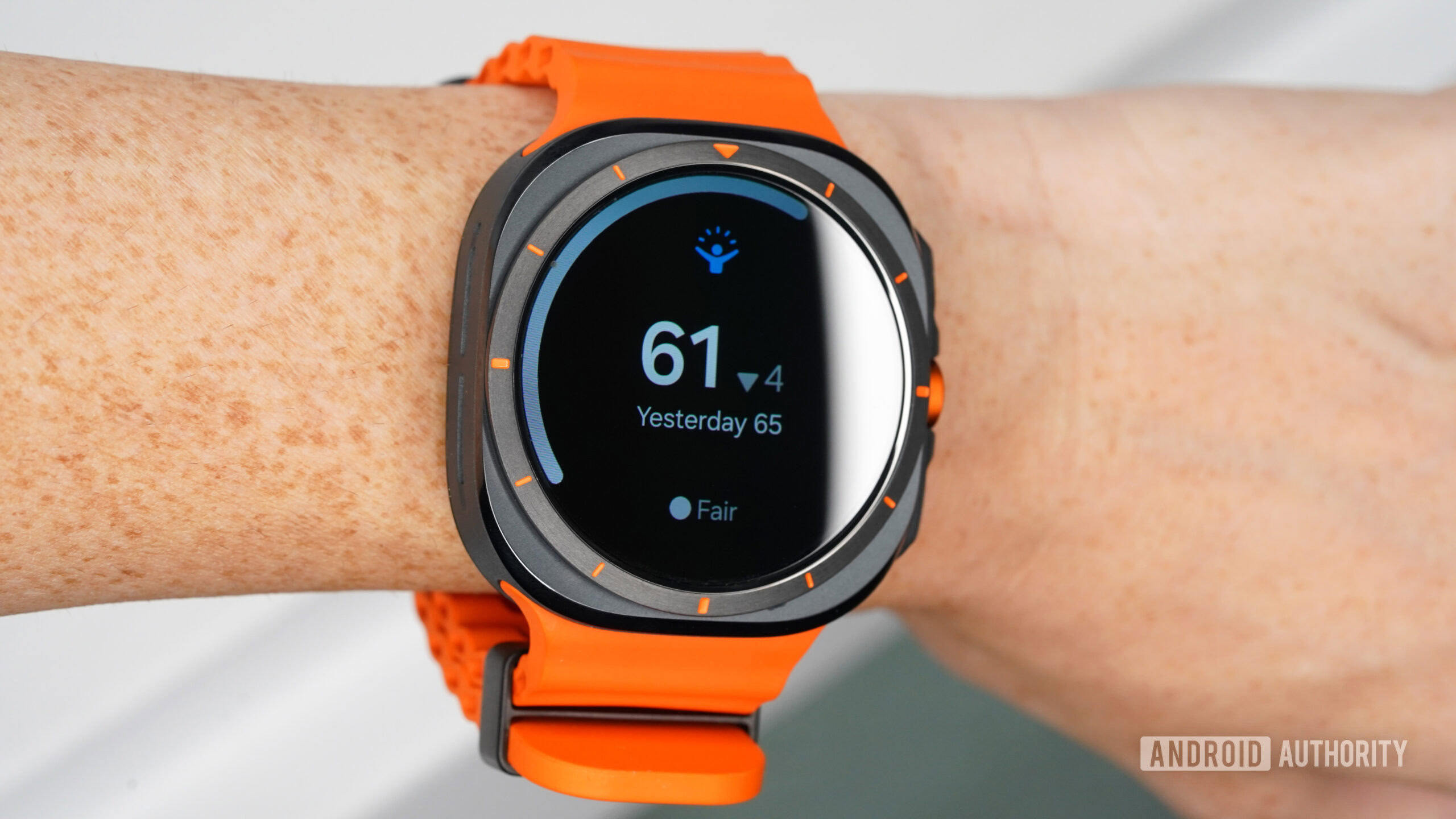
Consider the impact on long-term health trends. If a user can see how their energy levels fluctuate in response to specific life events—a stressful workday, a late dinner, or a lack of exercise—they are far more likely to make sustainable lifestyle changes. The "real-time" aspect is the missing ingredient for most smartwatches today. A static morning score can tell you that you are tired, but it cannot tell you when in your day you reached the point of exhaustion. It cannot show you how a brief period of deep breathing or meditation actually alters your trajectory for the remainder of the day.
As we look toward the next generation of devices, we must ask if manufacturers are truly innovating or simply iterating. Adding a faster processor or a slightly more efficient screen is an iteration. Developing a holistic, real-time energy management system that empowers the user to navigate their life with precision is an innovation. Until we see that kind of forward-thinking integration in the mainstream wearable market, those of us who prioritize long-term physical management will likely find ourselves looking at devices that prioritize function over flash.
The challenge for companies like Samsung is to build trust in their data enough to let it move in real-time. It requires a level of algorithmic maturity that only comes from years of field testing and massive datasets. Until that threshold is crossed, the "Body Battery" model remains the gold standard of wearable design. It is a reminder that the most sophisticated technology is not the one that captures the most data, but the one that makes that data the most human, the most understandable, and the most actionable. Until the next generation of smartwatches can offer a similar, dynamic, and fluid interpretation of human capacity, those of us who have experienced the utility of such a feature will find it difficult to trade it away for a new screen, regardless of how bright or beautiful that screen might be.
