

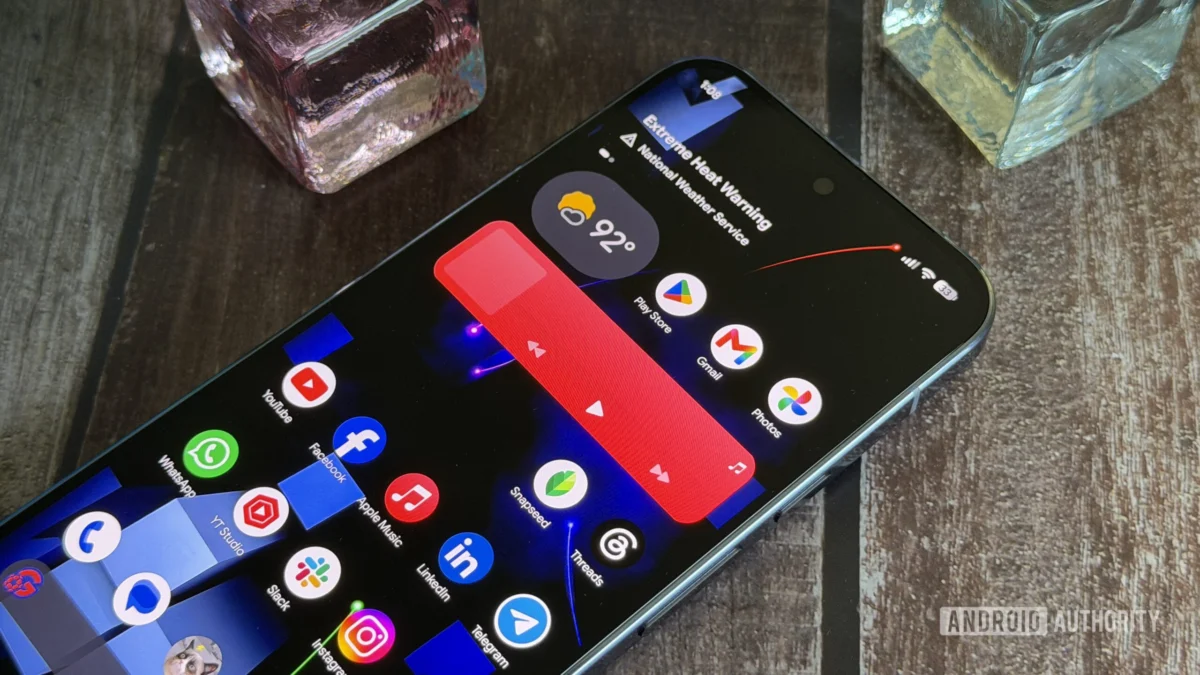
The introduction of Pixel Glow, Google’s latest foray into integrated hardware lighting, marks a curious pivot in the company’s smartphone design philosophy. By weaving customizable RGB elements directly into the chassis of the upcoming Pixel 11 series, Google is attempting to breathe visual life into a form factor that has remained largely stagnant for several generations. While there is no denying that the feature is a clever, functional nod to the long-lost notification LED—a beloved utility that vanished in the race for edge-to-edge displays—it serves as a superficial salve for the much deeper, systemic pressures facing the Mountain View tech giant as it prepares to launch its next flagship iteration.
The Return of Active Signaling
From a functional standpoint, Pixel Glow is a triumph of thoughtful design. In an era where the Always-On Display (AOD) has become the industry standard for status information, users are still plagued by the "glanceability" problem. An AOD requires the phone to be oriented face-up and within a specific line of sight to be useful. Pixel Glow sidesteps this by turning the device’s rear into a beacon. By assigning distinct color profiles to specific contacts, applications, or urgent system alerts, users can effectively triage their digital life from across a room without ever touching their device.
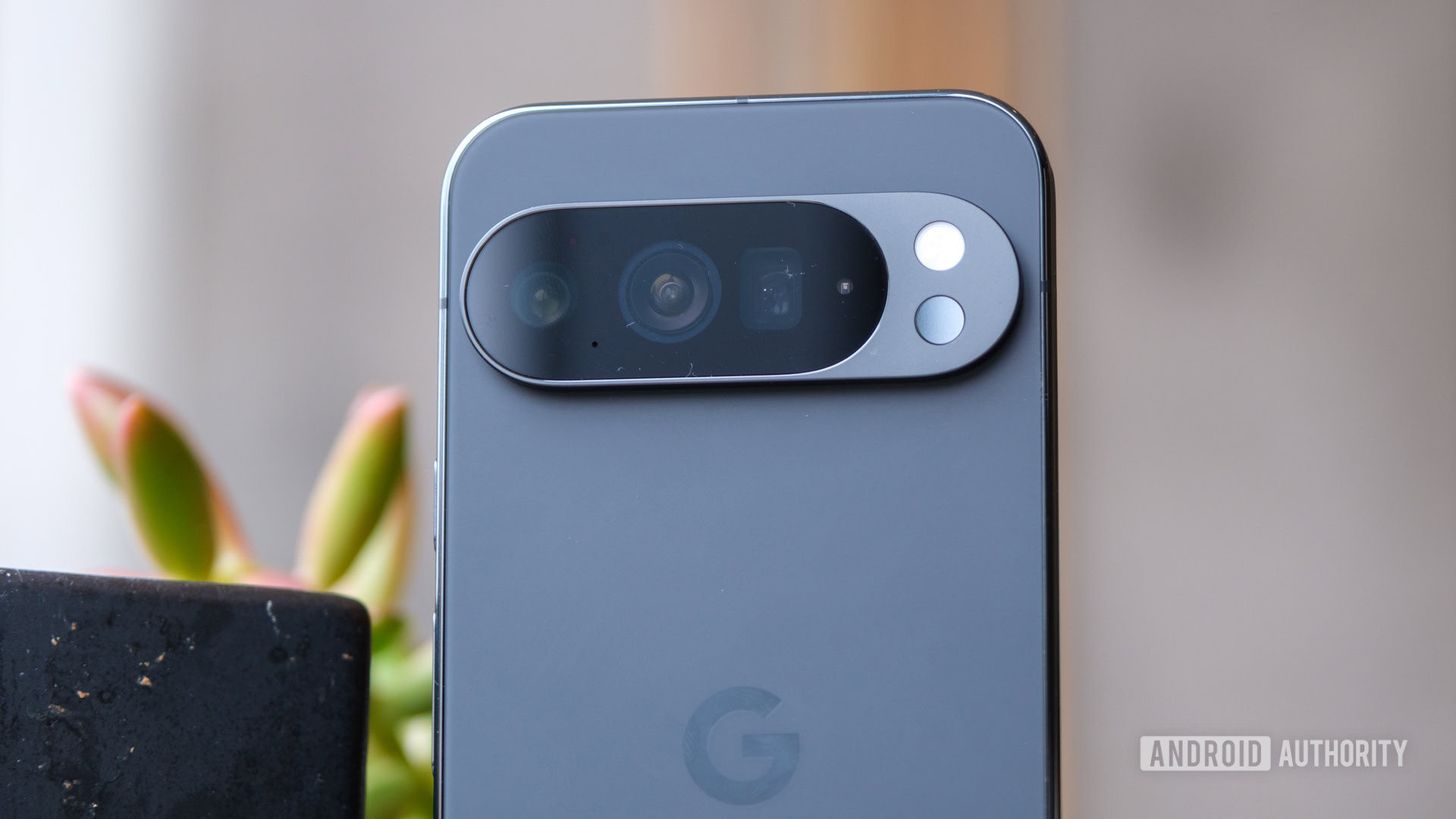
This is a welcome shift for power users who have long mourned the death of the front-facing notification light. It provides a tactile, visual feedback loop that feels both retro and undeniably modern. Furthermore, the potential for third-party developer integration is vast; imagine a ride-sharing app pulsing a specific hue upon driver arrival, or a smart home integration that changes color based on security system status. However, beneath this polished exterior, the reality of the 2026 smartphone market paints a more somber picture for Google’s flagship ambitions.
The Collision of Premium Pricing and Hardware Realities
The smartphone landscape has undergone a seismic shift in the last eighteen months. Skyrocketing component costs—driven by supply chain volatility and the increasing demand for high-density memory and advanced silicon—have forced a broad industry-wide price hike. Rumors surrounding the Pixel 11 suggest that Google is not immune to these macroeconomic pressures. If the company moves to hike prices, it effectively severs the last remaining tether it had to the "value-flagship" market segment.
For years, Google positioned the Pixel as a sophisticated, AI-driven alternative to the Samsung Galaxy series, often undercutting the competition just enough to make it the rational choice. If the Pixel 11 pushes into the $1,300-plus bracket, that rationale evaporates. At this price point, consumers are no longer buying a "smart" phone; they are buying an ultra-premium slab of silicon that is expected to excel in every metric, from thermal efficiency to raw gaming throughput.
This is where the Tensor G6 chipset faces its ultimate trial by fire. While Google has successfully curated a "Pixel experience" defined by software fluidity and clever AI-driven photography, the silicon gap between Tensor and the latest Snapdragon Elite platforms has become an elephant in the room. When a device commands a four-figure price tag, "good enough" performance is no longer a sustainable narrative. Gamers, content creators, and power users will demand parity with the absolute best in the industry. If the Tensor G6 cannot deliver peak sustained performance without throttling or excessive heat, the "Pixel Glow" of a fancy notification light will do little to distract from the sting of a poor value proposition.
Software as a Differentiator: The Diminishing Returns
Google has historically relied on its software ecosystem—Material You, seamless Android integration, and industry-leading feature drops—to offset hardware limitations. The current iteration of the software experience, particularly with the advancements seen in Android 17, is undoubtedly polished. Features like the revamped multitasking bubbles and granular customization controls demonstrate that Google still holds a lead in user interface design and accessibility.
However, the competition has caught up. Samsung’s One UI has evolved into a robust, reliable, and deeply feature-rich environment that rarely leaves users wanting for more. The "Google experience" is no longer the sole beacon of innovation in the Android space; it is now one of several high-quality choices. When the software advantages become marginal, the hardware itself must carry the weight. If the Pixel 11 enters the market with a weaker processor, slower sustained performance, or subpar thermal management compared to a similarly priced Galaxy or specialized gaming phone, the software will not be enough to bridge the gap.
The Strategic Tightrope
The fundamental problem is that Google has painted itself into a corner. By pushing for a "Pro" identity with 16GB of RAM and high-end materials, the company is signaling that it wants to play in the big leagues. Yet, it continues to operate under the assumption that it can compete while maintaining its unique, AI-centric, non-traditional approach to silicon.
There is an inherent friction in trying to sell a premium-priced device that is fundamentally optimized for machine learning tasks rather than raw performance. While the average user might not care about benchmark scores, the high-end consumer—the target audience for a $1,300 smartphone—is inherently data-driven. They compare specs, read reviews, and demand efficiency. If the Pixel 11 fails to deliver on these objective performance metrics, the "Pro" moniker will feel increasingly hollow.
Looking Toward the Future
The Pixel 11 will be a defining moment for Google’s hardware division. It represents a transition point where the company must decide whether it wants to be a niche manufacturer for the "AI-curious" or a true titan of the flagship industry. Pixel Glow is a fantastic addition—it shows that Google is still thinking about the small, human-centric details that make technology feel personal. But it cannot be the highlight of a flagship launch.
The industry is moving toward a future where hardware and software are perfectly synchronized, and every millisecond of latency is scrutinized. To survive the current market instability, Google must move beyond the reliance on "smart" software to fix hardware shortcomings. The company needs to prove that it can build a foundational experience that matches the excellence of its software ecosystem.
As we approach the release, the conversation shouldn’t just be about whether the phone looks good in the dark or how the LEDs pulse when a message arrives. The conversation must shift toward whether the Pixel 11 can hold its own against the most powerful mobile computing platforms ever created. Google has the design language, the software vision, and the ecosystem integration to lead the market. What it has yet to prove is whether it can marry those assets with hardware that justifies a premium price tag in an increasingly unforgiving economy.
Pixel Glow is a delightful touch, a nod to the past, and a clever utility for the present. But when the dust settles on the Pixel 11’s launch, it will be the performance of the silicon and the perceived value of the hardware that determine whether this device becomes a landmark success or a cautionary tale. Google has the tools to bridge this gap, but the window of opportunity is closing, and the storm of market expectations is only gaining intensity. For the Pixel 11 to truly shine, it needs to be more than just a phone that glows; it needs to be a device that performs at the peak of the industry standard.
