

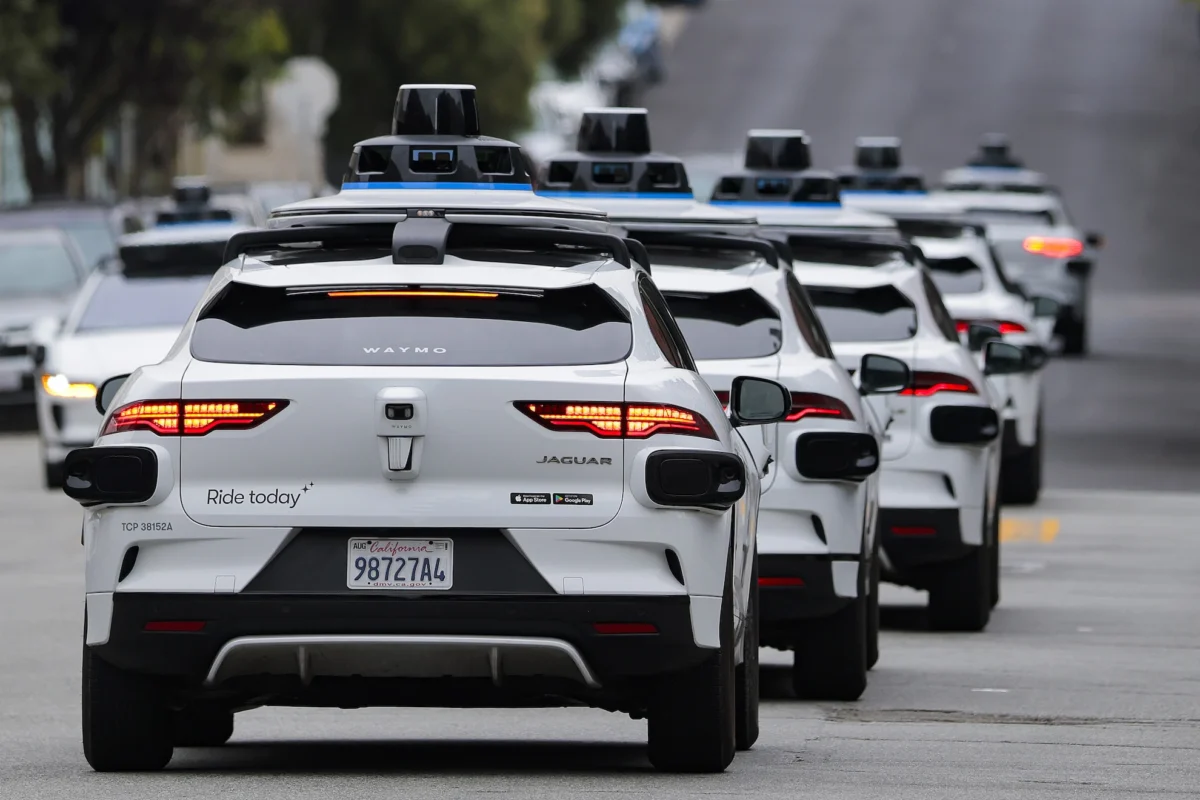
The delicate intersection of cutting-edge autonomous vehicle technology and aging municipal infrastructure was laid bare once again in San Francisco. A localized power outage, which disrupted electricity to approximately 7,000 Pacific Gas and Electric (PG&E) customers, prompted Alphabet-owned Waymo to temporarily suspend its driverless ride-hailing services across the city. Though the operational pause lasted only about an hour, the incident has reignited a critical debate regarding the resilience of autonomous fleets during municipal emergencies and the regulatory oversight required to manage them.
During the outage, Waymo passengers attempting to hail rides were met with in-app notifications warning that service was temporarily paused and that freeway routes had been entirely disabled. The company subsequently confirmed that it had enacted "temporary adjustments" to its operations to evaluate the severity of the blackout and coordinate its response with local municipal officials. While the vehicles resumed operations shortly thereafter, the brief shutdown highlighted a systemic vulnerability: even the most sophisticated artificial intelligence systems remain deeply dependent on the physical and digital stability of the cities they navigate.
The Vulnerability of the Virtual Chauffeur
To understand why a localized power grid failure can paralyze an autonomous vehicle (AV) fleet, one must look at the complex web of infrastructure that supports driverless operations. While a Waymo vehicle is equipped with an array of onboard sensors—including LiDAR, radar, and cameras—designed to navigate the world in real-time without an internet connection, the broader fleet infrastructure is heavily reliant on external networks.
When a widespread power outage occurs, localized cellular towers often experience disruptions or capacity overloads as residents lose home Wi-Fi and shift to mobile data. For an AV fleet, high-bandwidth, low-latency cellular connectivity is vital. Although the vehicles can drive autonomously without a continuous cloud connection, Waymo’s remote assistance operators rely on cellular networks to monitor the fleet, provide high-level routing guidance, and intervene dynamically when a vehicle encounters an ambiguous road hazard. If cellular networks degrade or fail during a blackout, the safety margin for operating driverless vehicles diminishes significantly, forcing operators to proceed with extreme caution or halt service entirely.
Furthermore, power outages disable traffic signals, turning busy metropolitan intersections into unmanaged crossings. Under California law, a non-functioning traffic light must be treated as a four-way stop. While Waymo’s AI is programmed to recognize dark signals and navigate four-way stops, the real-world execution of this maneuver is notoriously difficult in high-density urban environments. Human drivers frequently fail to observe four-way stop rules during blackouts, creating chaotic, unpredictable environments. For an AV programmed to prioritize defensive driving and safety, highly chaotic intersections can lead to "deadlocks," where the vehicle sits stationary, waiting for a safe gap in traffic that never materializes, thereby blocking trailing vehicles and exacerbating urban congestion.
A Pattern of Urban Disruption
The recent one-hour pause is not an isolated event but rather the latest in a series of incidents where external disruptions have compromised autonomous fleet operations in San Francisco. In December 2025, a similar power outage caused several Waymo robotaxis to stall on city streets, creating gridlock and drawing sharp criticism from local emergency responders.
Similarly, during the Fourth of July celebrations earlier in 2026, a massive influx of pedestrians and traffic congestion surrounding a fireworks show near the Golden Gate Bridge paralyzed a number of autonomous vehicles. The cars, overwhelmed by the density of crowds and unpredictable pedestrian movements, came to a halt, blocking transit lanes and complicating the efforts of local law enforcement to clear the area.

These recurring events highlight a fundamental friction between autonomous vehicle developers and the cities in which they deploy. While companies like Waymo argue that halting operations during unexpected disruptions is a responsible, safety-first measure, local officials and residents increasingly view these pauses and stalls as public nuisances that threaten municipal emergency response systems.
The Regulatory Tug-of-War
The operational challenges of autonomous fleets have rapidly evolved from technical hurdles into highly politicized regulatory battles. Following the recent service suspension, San Francisco Mayor Daniel Lurie renewed calls for more stringent state regulations governing how autonomous vehicle operators manage their fleets during major incidents, both planned and unplanned.
Currently, the regulation of autonomous vehicles in California is highly centralized at the state level. The California Department of Motor Vehicles (DMV) oversees vehicle safety and testing permits, while the California Public Utilities Commission (CPUC) regulates the commercial deployment of passenger services. This regulatory structure largely preempts local municipal authority, leaving city governments with limited direct control over how, when, and where robotaxis operate on their streets.
This preemption has been a point of contention for San Francisco officials, who argue that local authorities—including the police department, fire department, and municipal transportation agency—are the ones who must deal with the immediate consequences when an AV stalls or blocks an intersection. Mayor Lurie’s push for tougher state-level rules aims to bridge this gap, advocating for frameworks that mandate real-time data sharing, stricter operational protocols during grid failures, and clearer mechanisms for local authorities to command or redirect autonomous fleets during emergencies.
Industry Implications and the Quest for Resilience
For the broader autonomous vehicle industry, the vulnerability of fleets to municipal infrastructure failures represents a significant hurdle to achieving commercial viability at scale. To compete effectively with traditional ride-hailing services and personal car ownership, robotaxis must demonstrate a high level of reliability. If consumers perceive that driverless services will reliably fail or become unavailable during routine urban disruptions—such as power outages, extreme weather, or network congestion—adoption rates could stall.
To mitigate these risks, AV developers are exploring several technical and operational pathways to build greater resilience into their platforms:
- Edge-Based Autonomy and Localized Fallbacks: Developers are working to reduce the fleet’s dependence on cloud connectivity. By shifting more decision-making processes to the vehicle’s onboard computer (the "edge"), AVs can continue to execute complex rerouting and hazard avoidance maneuvers even when cellular networks are compromised.
- Vehicle-to-Infrastructure (V2X) Communication: Integrating AVs with smart city infrastructure could allow vehicles to receive direct, localized signals from traffic management systems. For instance, if a traffic light loses power, a localized transmitter powered by a backup battery could broadcast the intersection’s status to approaching AVs, allowing them to prepare for a four-way stop scenario well in advance.
- Decentralized Remote Assistance: Instead of relying on centralized operations centers that may be vulnerable to regional power or network failures, AV companies are looking at distributing their remote support personnel across different geographic regions to ensure continuous, uninterrupted oversight.
- Cooperative Fleet Management: In the event of a system-wide disruption, fleets must possess the capability to automatically coordinate with one another. For example, if one vehicle detects a blocked road or a dead traffic signal, it should instantly communicate that data to nearby fleet units, allowing them to proactively reroute and prevent localized clustering.
Looking Ahead
As Waymo and its competitors look to expand their footprints to other major metropolitan areas across the United States, the lessons learned on the streets of San Francisco will be critical. The transition to an autonomous transportation ecosystem is not merely a matter of perfecting self-driving software; it requires a holistic reimagining of how digital fleets interact with physical, often fragile, urban environments.
The path forward will likely require a compromise between tech companies, utility providers, and local governments. As smart cities evolve, the integration of resilient power grids, robust telecommunications infrastructure, and adaptive regulatory frameworks will be essential to ensure that the driverless revolution can weather the storms of urban life. Until then, brief pauses like the one experienced in San Francisco will serve as a persistent reminder of the delicate thread connecting the virtual driver to the physical world.
