

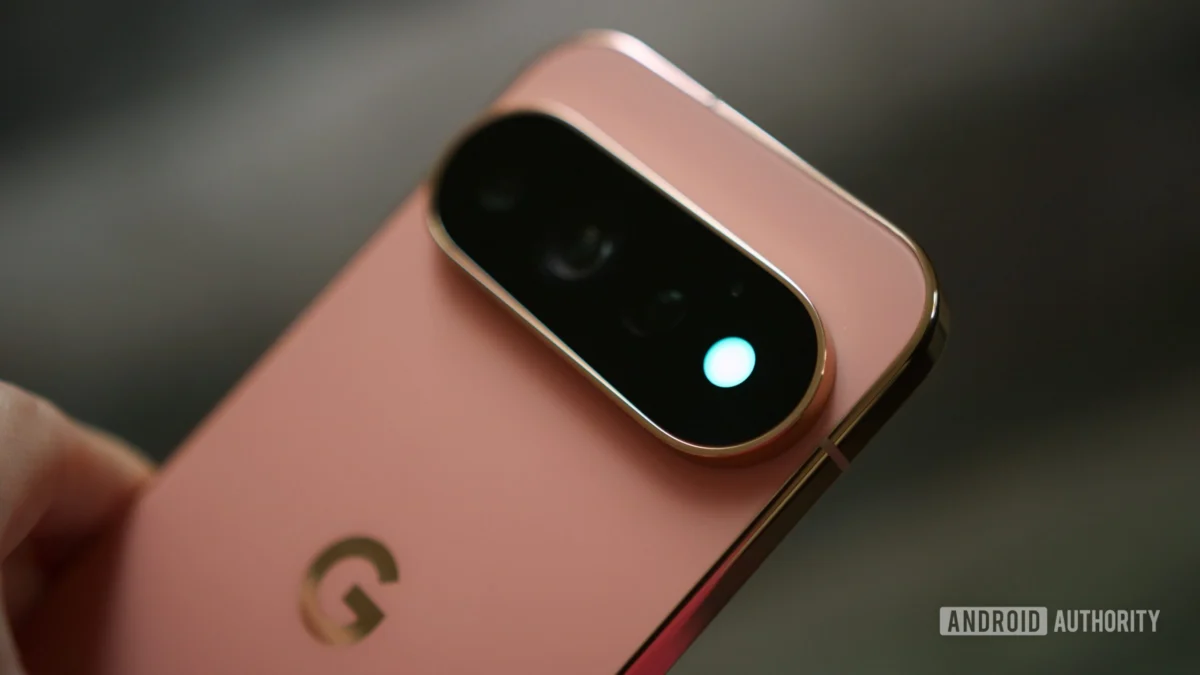
The evolution of smartphone design has largely left behind an era of subtle hardware cues that once defined mobile communication. Long-time enthusiasts frequently reminisce about the classic notification LED—that dependable blinking red or green pulse embedded in the bezel of devices like vintage BlackBerry models or early Android flagships. That singular beam of light provided immediate context, allowing users to assess urgency without waking up an entire display or breaking their focus. While recent experimental form factors, such as rear-facing glyph arrays, attempted to revitalize this concept, their theatrical execution often veered into excessive light shows rather than offering understated utility.
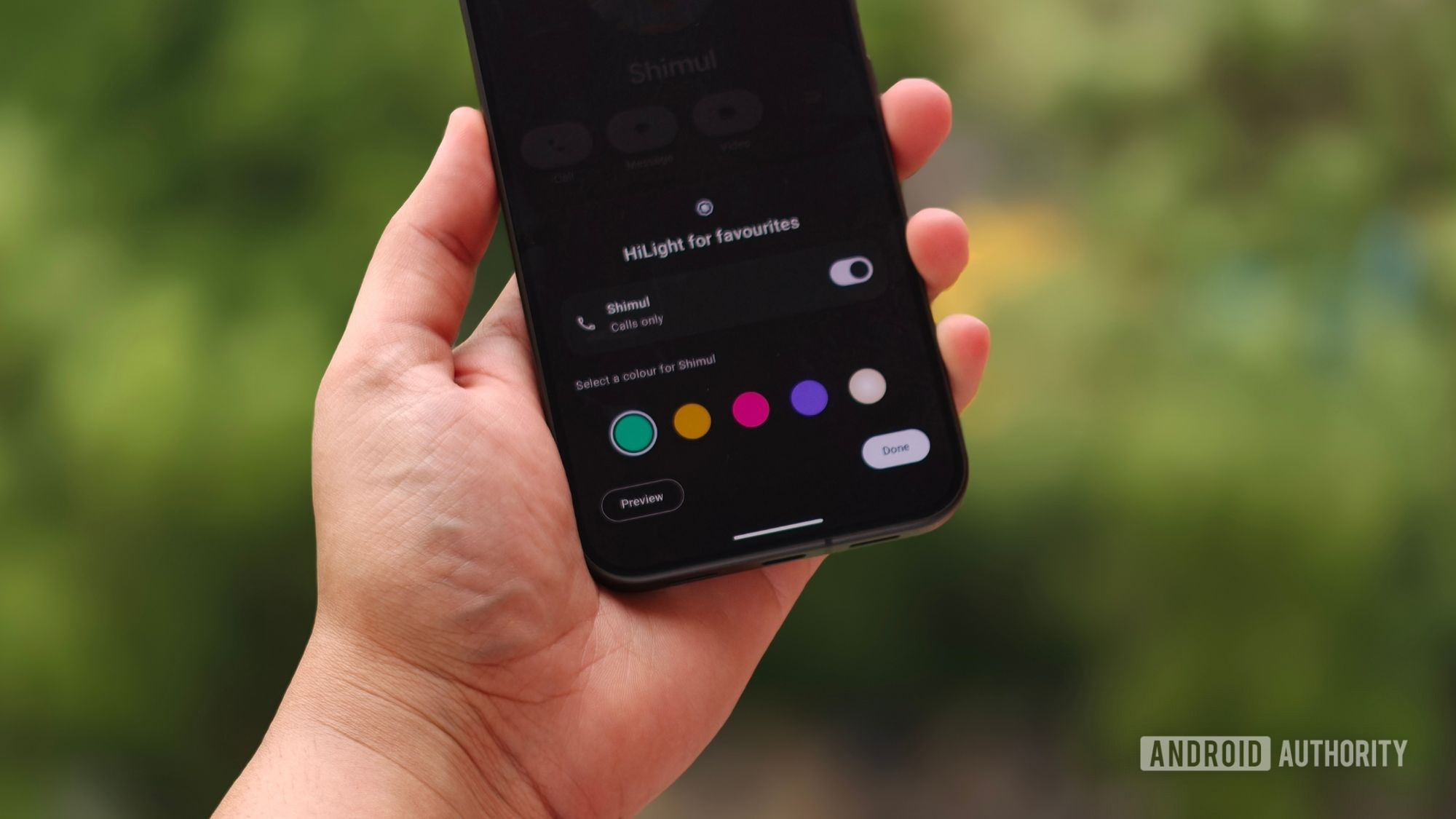
Consequently, the introduction of Google’s HiLight subsystem integrated directly into the camera visor of the Pixel 11 Pro series represents a compelling design pivot. Rather than relying on sprawling, distracting LED strips across the entire glass back, HiLight embeds a refined, multi-color illumination module directly into the phone’s most prominent hardware architecture. Out of the box, however, the implementation feels remarkably constrained. At present, the hardware only activates to signify incoming calls from designated priority contacts or to visually communicate the processing and speech states of the built-in Gemini assistant. While these baseline functions demonstrate technical feasibility, they barely scratch the surface of what an integrated rear-facing light array can achieve. Assessing the current ecosystem surrounding the Pixel 11 Pro reveals five distinct capabilities that Google must incorporate to transform a neat aesthetic gimmick into an indispensable productivity asset.
Contextual App-Specific Color Mapping
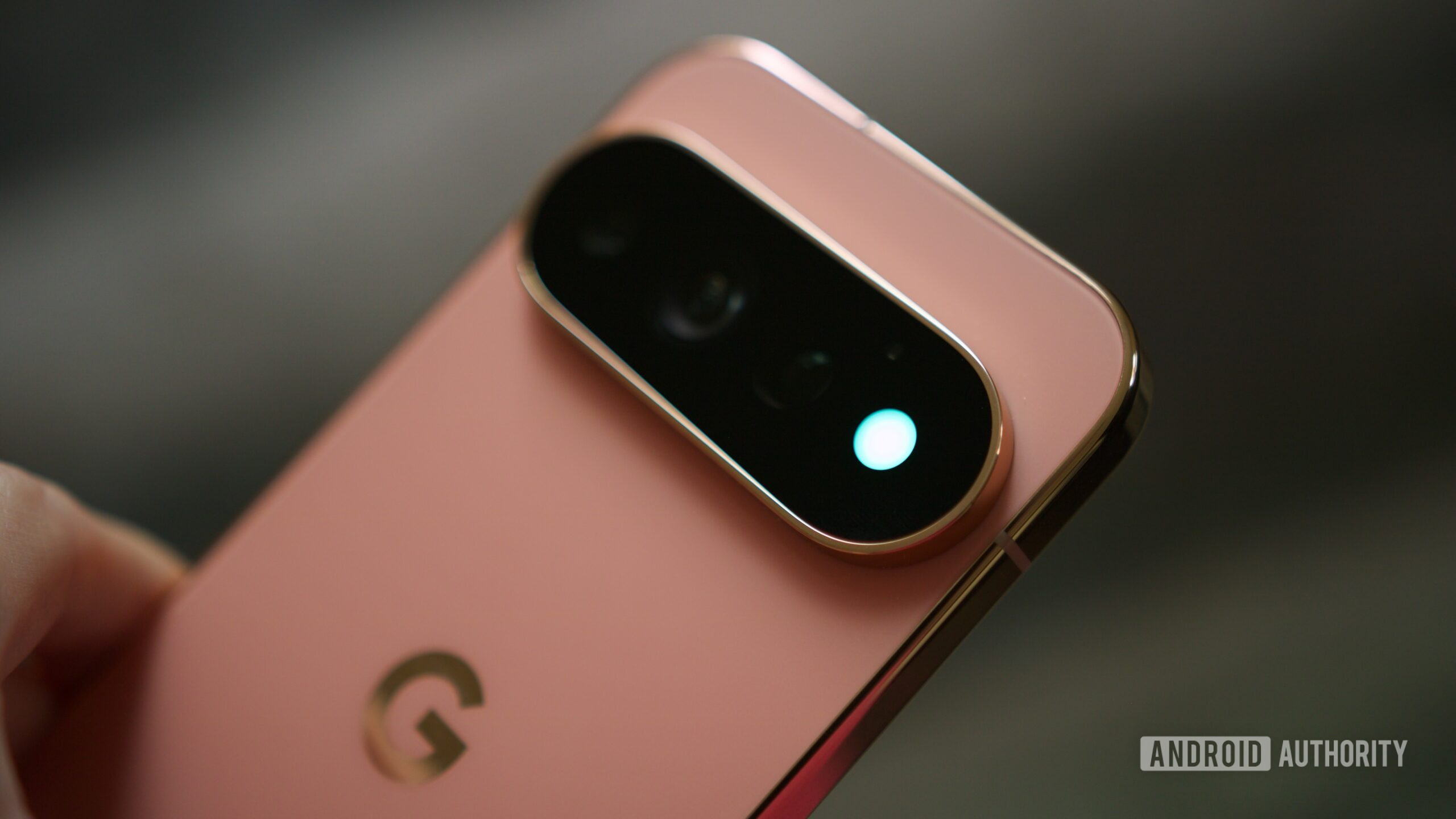
The foremost limitation of the current software architecture is its rigid handling of incoming communications. While knowing a phone call is originating from a preferred contact is useful, modern workflows rely far more heavily on asynchronous messaging applications, professional chat utilities, and social networks. Allowing users to program distinct chromatic profiles for individual applications would completely redefine how notifications are triaged.
Imagine glancing at the desk and seeing a subtle emerald pulse indicating a priority message on WhatsApp, a soft lavender glow representing a professional update via Slack, or a stark white flash signifying a standard SMS. During intense working hours, high-priority communication tools could command immediate attention, whereas lower-tier social feeds could be assigned neutral or entirely disabled light states. This approach would drastically reduce the cognitive friction of constant device checking, actively combating the modern compulsion toward mindless doomscrolling by letting users determine relevance before ever touching the hardware.
Granular Contact-Specific Indicators
Expanding beyond application-level categorization, the next logical evolution involves mapping individual illumination patterns to specific human beings. While the system currently accommodates general favorite contacts for telephone calls, this functionality should be universally extended to all incoming messaging channels.
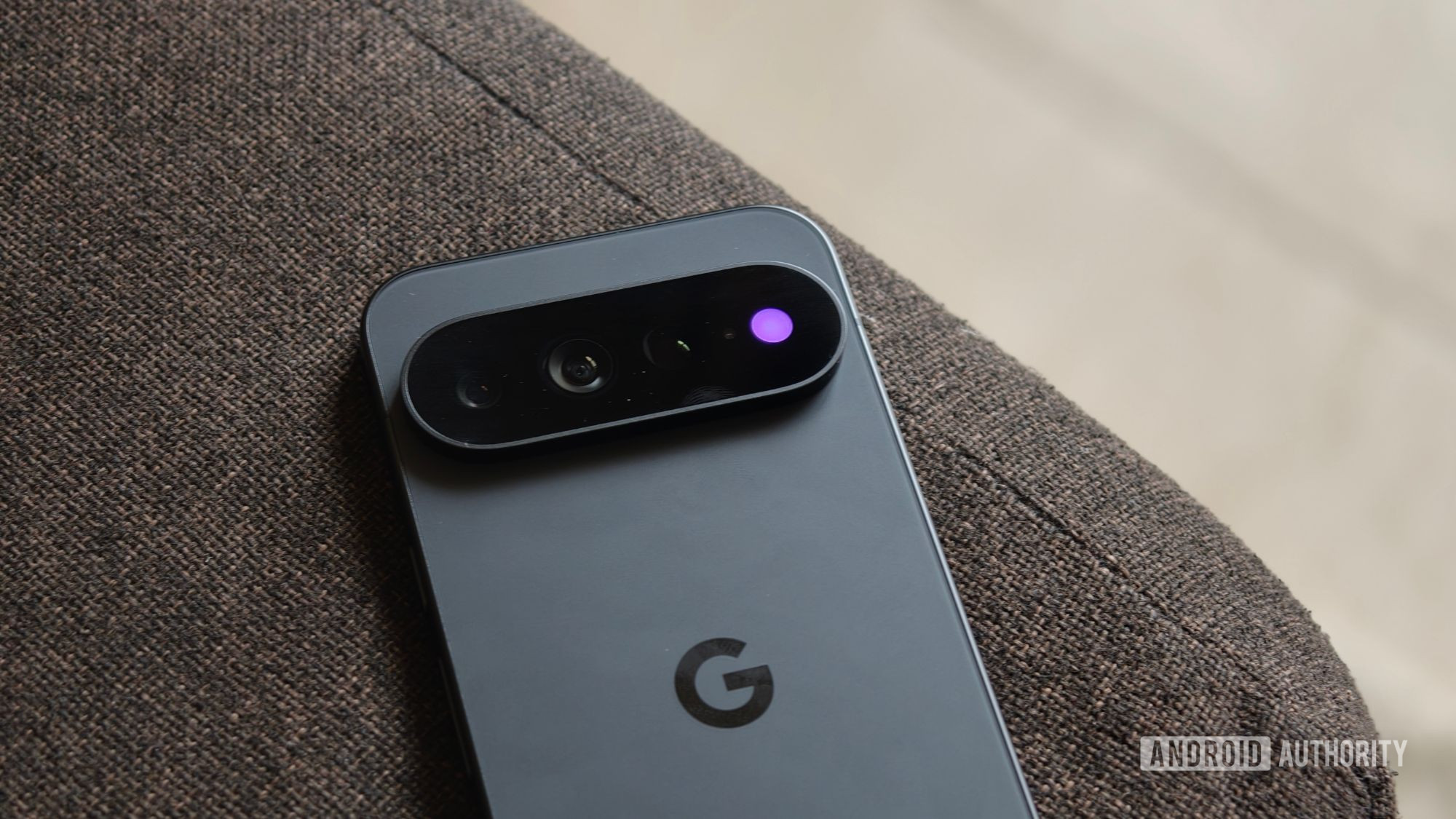
In a professional setting, ignoring standard messaging clients is often necessary to maintain deep focus. However, bypassing those blocks for critical contacts—such as immediate family members or direct project stakeholders—requires a foolproof method. Assigning a bespoke visual signature, such as a vibrant multi-color sequence for a parent, ensures that an incoming message can be instantly recognized as urgent. This eliminates the uncertainty that typically forces professionals to unlock their devices, inadvertently opening a door to hours of digital distraction. Knowing precisely who is attempting contact via a single rear-facing glow represents an ideal synthesis of accessibility and digital wellbeing.
Ecosystem State and Connection Feedback
Hardware integration within a proprietary ecosystem should feel seamless, yet modern mobile operating systems often rely on on-screen pop-ups or status bar icons to confirm accessory pairing. Because many users habitually place their phones face down on desks or charging pads, these visual cues are frequently missed. HiLight possesses the architectural capacity to bridge this physical gap by functioning as a macro-status indicator for the broader device ecosystem.
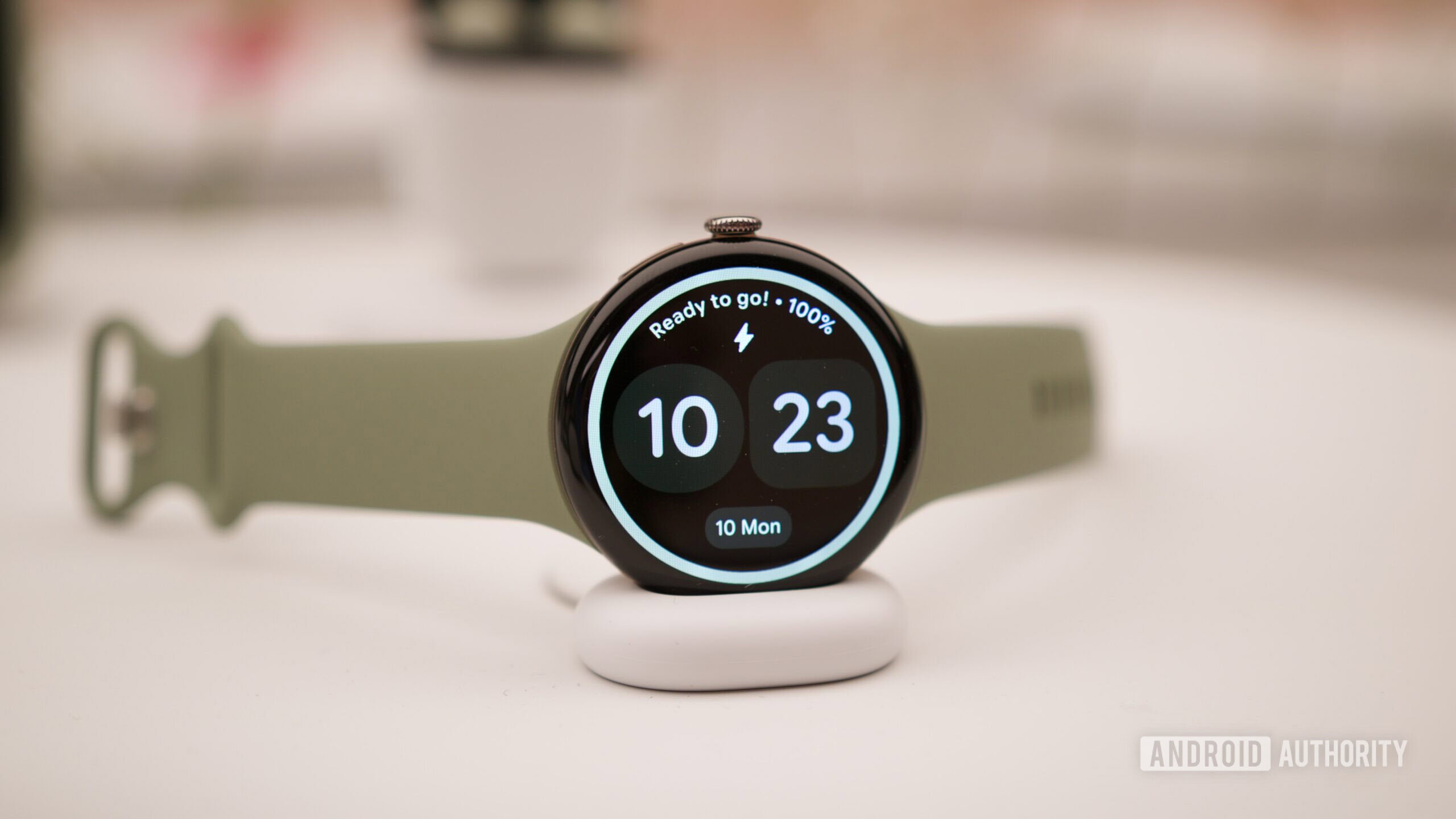
A brief, subtle pulse of specific colors could instantly confirm hardware states: one distinct hue to signify a successful Bluetooth handshake with a smartwatch, another for wireless earbuds, and a rhythmic confirmation flash the moment the device makes proper contact with a magnetic charging stand. These micro-interactions happen dozens of times daily. Replacing visual guesswork with immediate, tactile feedback simplifies the user experience in ways that accumulate significant cognitive relief over time.
Visual Low-Battery Telemetry
Battery anxiety remains a persistent annoyance for modern power users, yet traditional low-battery warnings are notoriously easy to overlook when a device rests face down. Standard pop-up banners demand active screen time to be noticed, and audio chimes are frequently muted in professional environments.
Integrating a dedicated power-warning protocol into the rear lighting subsystem would provide an unmissable physical cue. Once internal metrics cross a critical threshold—such as dropping below ten percent capacity—the visor could emit a pulsing, high-visibility crimson pattern. This distinct visual warning would act as a final, reliable safety net, prompting users to secure a power source before embarking on a commute or stepping away from a workspace, thereby eliminating unexpected shutdowns.
Interactive Camera Shutter Countdown
Group photography frequently suffers from awkward synchronization: the photographer sets a timer, rushes back into the frame, and everyone stands frozen, smiling rigidly while guessing the exact moment of capture. While camera flashes illuminate simultaneously with the final exposure, they offer no advance warning.
HiLight is uniquely positioned to redefine the self-timer experience. By programming an accelerating sequence of pulses—perhaps transitioning through a distinct color spectrum as the shutter countdown approaches zero—the rear-facing module can act as a universally understood visual metronome. Everyone in the frame can calibrate their posture and expression directly to the rhythm of the light, ensuring fewer blinked eyes, more natural smiles, and a vastly superior group photography workflow.
Industry Implications and the Open-Source Response
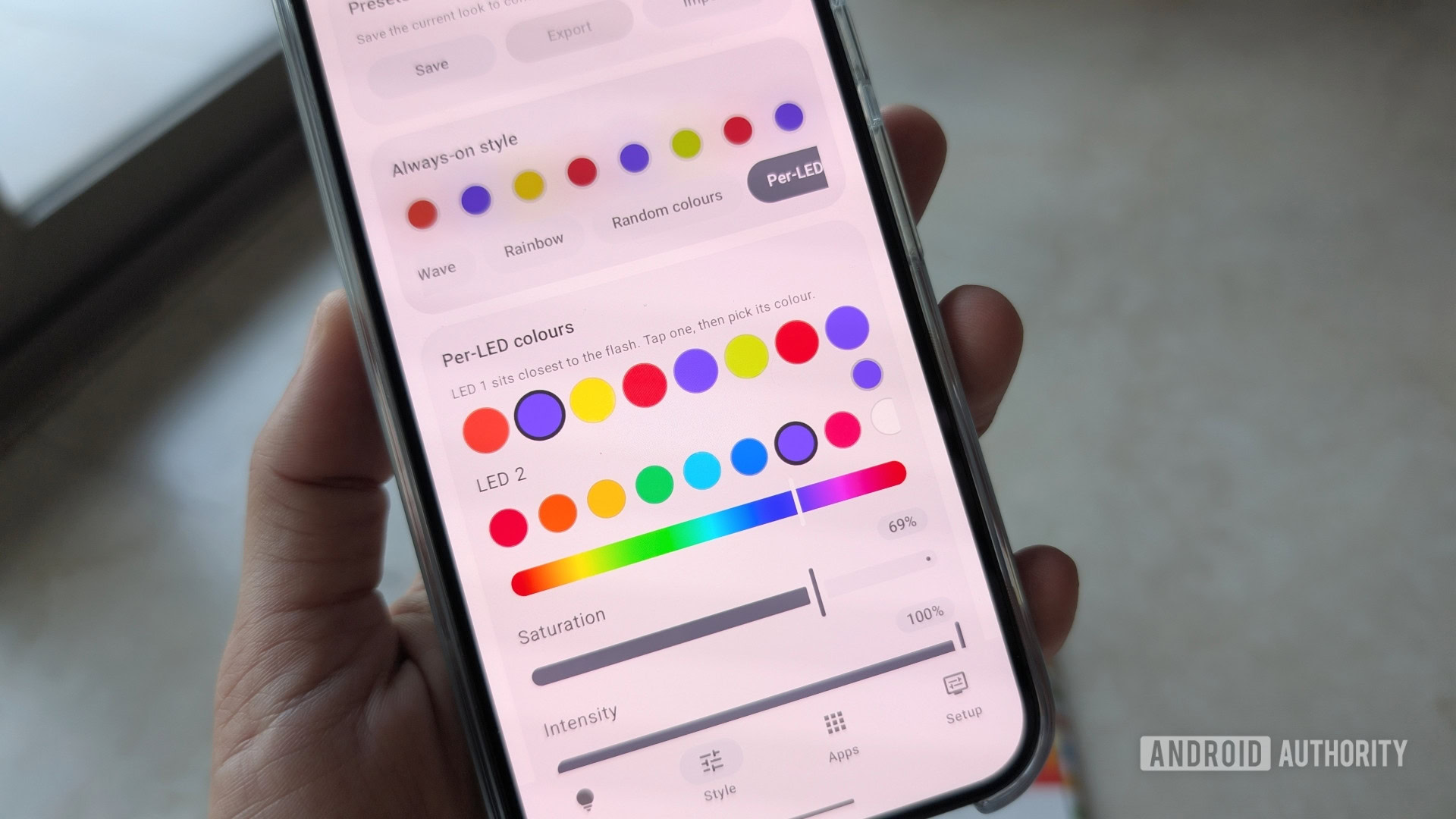
The underlying frustration with proprietary hardware restrictions is best highlighted by the enthusiast community’s rapid response. Independent developers and open-source coders have already begun bridging the functional gap through community-built applications like HiLight Studio. By bypassing official software limitations, these third-party utilities demonstrate that the hardware is fully capable of supporting extensive app-level notification mapping, proving that the barrier to entry is entirely software-based.
This phenomenon underscores a broader trend in the contemporary smartphone market: hardware innovation is moving faster than stock software features. Manufacturers frequently introduce brilliant physical components but restrict their utility out of an abundance of caution regarding battery consumption, thermal management, or minimalist design philosophies. However, when users invest in high-end pro-tier hardware, they expect maximum versatility.
Ultimately, Google has accomplished the most difficult phase of engineering by designing a tasteful, integrated lighting array that successfully revitalizes the core appeal of classic notification LEDs without resorting to garish aesthetics. The physical foundation is firmly in place. To truly justify the premium positioning of its flagship lineup, the company must open the software floodgates and allow this innovative hardware to realize its full, multifaceted potential.
