

The relentless upward pressure on critical semiconductor components, most notably dynamic random-access memory (DRAM), is beginning to reshape the competitive landscape of the smartphone market, with the $500 segment facing the most acute challenges. As manufacturers roll out their initial 2026 device lineups, the immediate reality is a supply chain strained by soaring demand from the artificial intelligence infrastructure sector. While the premium flagship tier, cushioned by substantial profit margins, has managed to absorb these inflationary shocks to some degree, the high-volume, cost-sensitive mid-range—the segment favored by the majority of value-conscious consumers—is standing on precarious economic footing.
This emerging constraint is particularly jarring given the recent spate of highly competitive, attractively priced releases observed over the last few months. Devices like the Google Pixel 10a and the Nothing Phone 4a Pro have recently demonstrated that exceptional mobile experiences do not necessitate emptying one’s savings account. These releases, however, represent a snapshot from a slightly earlier planning cycle. They were largely conceived and scheduled for production before the RAM crunch achieved its current severity. Consequently, these models may tragically become the final exemplars of a performance-to-price ratio that is rapidly becoming unsustainable in the current market reality.
The genesis of this systemic disruption lies outside the consumer electronics ecosystem entirely. Global memory fabrication plants are aggressively reallocating production capacity towards serving the insatiable appetite of the burgeoning AI data center market. This sector demands vast quantities of high-performance DRAM and cutting-edge High Bandwidth Memory (HBM). Crucially, the contracts associated with cloud computing and enterprise AI hardware command substantially higher margins for memory suppliers compared to mass-market consumer electronics. This fundamental shift in customer priority means smartphone OEMs are no longer the most influential buyers in the memory procurement hierarchy. As fabrication lines pivot toward server-grade specifications, the available supply of commodity, phone-grade memory tightens—and its cost inevitably escalates.
The Strategic Retreat of the Flagship
Observing the high-end market reveals how established titans are already executing defensive maneuvers against component cost volatility. Samsung, for instance, has made the pragmatic decision to eliminate its entry-level 128GB storage configuration from the Galaxy S26 series. This move is widely understood not just as an adjustment for modern usage patterns (where 128GB is often insufficient), but as a direct mechanism to mitigate margin compression. The lowest-tier models inherently carry the thinnest profit buffers, making them the first casualties when upstream component pricing spikes. By removing the 128GB option, Samsung effectively raises the baseline revenue per unit sold without issuing an overt, headline-grabbing price increase announcement.
Furthermore, in terms of volatile memory allocation, Samsung has largely maintained a ceiling of 12GB of standard RAM across its main flagships (excluding specialized Ultra variants), even as the industry narrative increasingly centers on the necessity of larger memory pools for effective on-device artificial intelligence processing. This suggests a calculated balance between showcasing new AI capabilities and managing the procurement expense of the necessary 16GB or 24GB modules.
Xiaomi appears to be navigating similar economic currents, albeit with a different outcome for the consumer. Where previous iterations of their top-tier devices might have offered a 12GB RAM/256GB storage configuration as a high-end option, the newer Xiaomi 17 Ultra has established a significantly higher starting point: 16GB of RAM paired with 512GB of storage. This hardware escalation is reflected in its premium positioning, commanding a price tag that pushes the boundaries of conventional flagship valuation.
The crucial differentiator is margin structure. Flagship devices possess the inherent pricing elasticity to absorb or redistribute these increased component expenditures because their gross margins are inherently wider. Mid-range manufacturers, operating under strict retail price ceilings dictated by consumer expectations, simply lack this financial shock absorption capacity.
The Mid-Range Squeeze: Performance vs. Price Ceiling
The segment hovering between $400 and $500 represents a highly constrained zone in the electronics market. Consumers in this bracket are intensely discerning; they demand specifications that closely mirror last year’s premium offerings—excellent screens, capable cameras, and respectable performance—but they are rigidly resistant to price increases exceeding marginal increments. This tension between high consumer expectation and low price tolerance forces manufacturers into difficult strategic compromises when input costs rise unexpectedly.
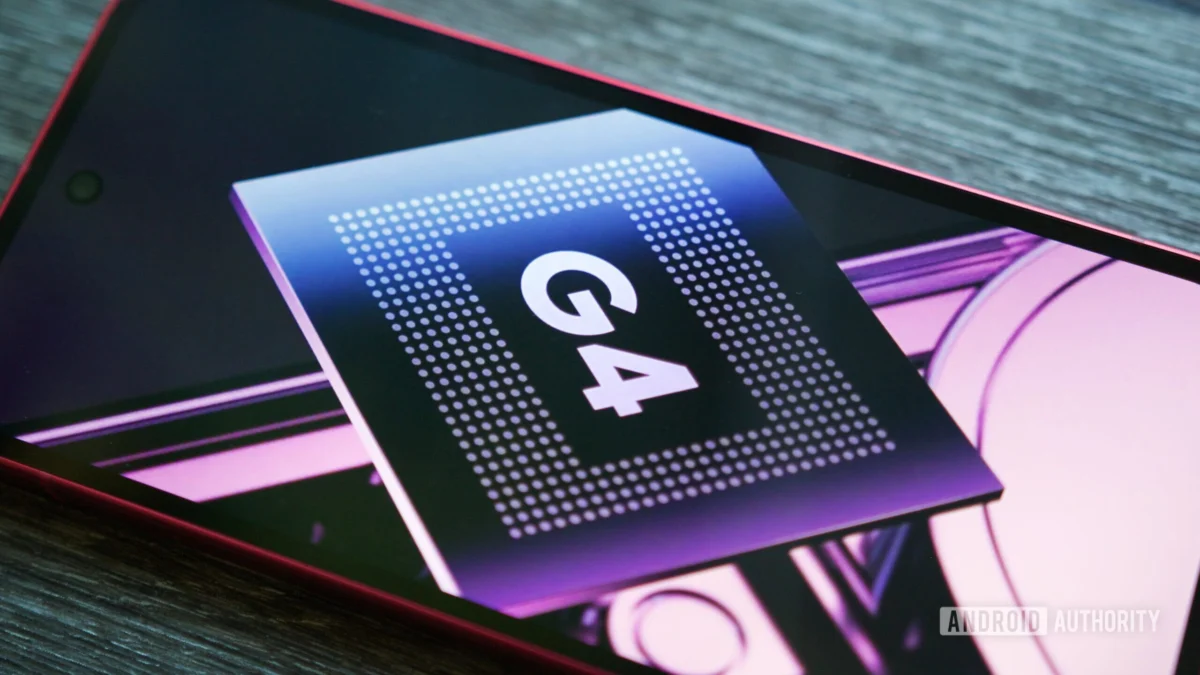
Consider the recent launch of the Pixel 10a. The decision to retain the previous generation’s Tensor G4 chipset and maintain the 8GB RAM baseline, rather than aggressively upgrading memory to fuel the next wave of expected on-device AI features, strongly suggests this was a necessary sacrifice to defend the sacred $499 anchor price. Google’s ambition to deploy sophisticated, localized AI features often requires memory capacities that current mid-range bills of materials cannot easily accommodate without breaching the price barrier.
Apple’s strategy with the slightly pricier iPhone 17e offers a comparative case study. While it commands a higher entry point ($599), Apple has managed to incorporate significant hardware improvements—doubling the base storage to 256GB (up from 128GB in the 16e) and integrating the superior A19 processor alongside faster wireless charging—while holding the starting MSRP steady. This aggressive specification uplift at a static price point is achieved by trimming expenditures elsewhere. In the iPhone 17e’s case, the display technology and camera sensors appear to be carried over largely unchanged from the preceding generation. The value proposition is therefore heavily weighted toward processing power and storage headroom, a strategic choice enabled by Apple’s robust control over its entire vertically integrated supply chain.
Conversely, brands like Nothing, operating at the lower end of this spectrum, adopt a highly flexible approach. Their strategy for the Nothing Phone 4a involves offering tiered RAM configurations and accepting slight price adjustments, while utilizing cost-saving measures such as retaining older memory standards like LPDDR4X in the base models. Their focus appears to be on delivering demonstrable upgrades in areas like camera hardware, even if the core processing architecture sees only iterative improvement—a tactical prioritization that contrasts sharply with Apple’s performance-centric approach.
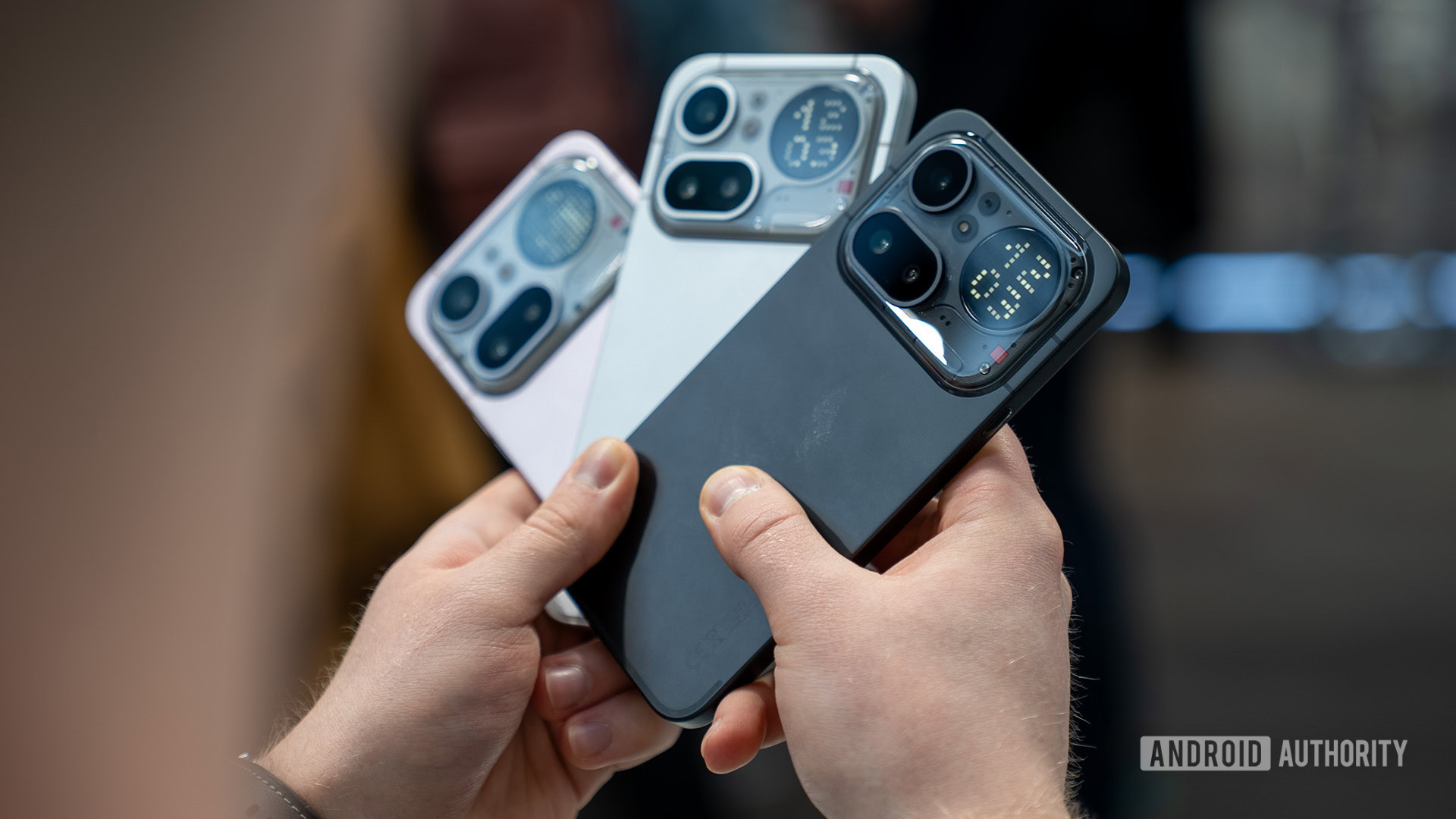
When RAM costs increase, manufacturers of budget and mid-range phones are faced with an unenviable choice: pass the cost directly to the consumer, accept thinner or even negative margins, or deliberately reduce the feature set below consumer expectations. For the $500 tier, the latter two options severely erode the device’s competitive viability.
Industry Implications: The Slow Erosion of Generosity
The immediate future suggests that the era of unexpectedly generous specifications in the sub-$550 category is entering a period of retraction, driven primarily by semiconductor economics. This is not a sudden market collapse but a slow, grinding realignment of value proposition.
1. Specification Stagnation as a Cost Containment Measure: The most probable immediate outcome is a prolonged plateau in RAM capacity upgrades. While next-generation software and evolving AI functionalities will continue to place higher demands on system memory, mid-range phones may find themselves functionally capped at 8GB for an extended product cycle. To maintain price integrity, manufacturers will defer upgrades across other vectors—slowing the adoption of the newest processor revisions, utilizing slightly older but still competent camera modules, or sticking with established display refresh rates. The consequence for the consumer is that the perceived year-over-year improvement becomes negligible, dulling the excitement around new model releases.
2. The Creeping Price Adjustment: A secondary, and perhaps more insidious, outcome is the phenomenon of "stealth inflation." This involves subtle price hikes achieved not through an official $50 or $100 MSRP increase, but through strategic SKU management. We are already witnessing base storage configurations migrating upward (e.g., from 128GB to 256GB as the new minimum) or the complete discontinuation of the absolute lowest-priced variants. This effectively raises the effective entry price for a device that still looks like the predecessor, pushing the true value midpoint closer to $550 or even $600 without triggering consumer backlash associated with explicit price hikes.
3. Feature Stratification and AI Exclusivity: The third major trend relates to the rapid integration of on-device AI capabilities, which are fundamentally memory-intensive. If manufacturers remain convinced that these localized AI features represent the next critical differentiator in the smartphone experience, they will logically reserve the memory configurations (16GB+) required for optimal execution for their premium tiers. The mid-range device will remain functional, capable of executing standard tasks flawlessly, but it risks being relegated to running only the baseline, less resource-hungry versions of the latest software features. Ambitious, cutting-edge AI functionality becomes an increasingly protected feature of the flagship portfolio.
Expert Analysis: Analyzing the Memory Bottleneck
From a component sourcing perspective, the current situation highlights a critical dependency vulnerability in the global mobile supply chain. Historically, consumer electronics, due to sheer volume, dictated the pace of DRAM process node advancements. Now, the economics of AI infrastructure—which often utilizes more specialized, higher-margin memory types or requires massive, predictable purchasing commitments—have inverted this dynamic.
Dr. Evelyn Reed, a semiconductor market analyst specializing in component economics, notes, "The divergence in margin potential between server DRAM and mobile DRAM is the core issue. A foundry needs volume predictability to justify multi-billion dollar investment in next-generation lithography. Right now, the AI sector provides that certainty and premium pricing. Smartphone manufacturers, especially in the mid-range, must accept a secondary position, often purchasing memory at spot market rates inflated by scarcity rather than negotiated long-term volume discounts."
This forces OEM engineering teams to become far more aggressive in memory optimization. We will likely see greater adoption of techniques like memory pooling, more efficient operating system memory management kernels, and potentially a renewed push for specialized, lower-power memory standards that offer better cost-to-performance ratios than the leading edge LPDDR5X variants, even if that means slower theoretical peak bandwidth.
Future Trajectory: The Reshaping of ‘Affordable’
The notion of the $500 smartphone being "saved" requires a stabilization or redirection of memory production priorities. Until the AI infrastructure buildout significantly slows, or until new fabrication capacity comes online that specifically targets the lower-margin consumer space, the financial reality for mid-range devices remains challenging.
It is improbable that the affordable smartphone segment will vanish entirely; the market demands accessible technology, and consumer electronics manufacturing has proven remarkably adept at finding cost efficiencies. However, the definition of "affordable" is undergoing recalibration. The segment that delivered near-flagship experiences for $500 in 2024-2025 may realistically transform into a $550–$600 segment by 2027, or, more likely, will deliver a device whose capabilities feel perceptibly less advanced than the flagships of the same year. Consumers seeking the cutting edge, particularly in emerging areas like localized AI acceleration, will find the price gap between mid-range and premium shrinking, not widening.
In conclusion, the $500 phone is certainly not facing extinction. It remains a vital volume driver. Yet, the economic headwinds generated by the AI gold rush are ensuring that these workhorse handsets will deliver diminishing returns on incremental innovation. The immediate expectation should shift from expecting boundary-pushing value to hoping manufacturers can successfully navigate component inflation while keeping the price point tethered just above the psychological $500 mark, even if it means the hardware inside feels decidedly less fresh. The bargain hunt in the mid-range has just become significantly tougher.
