

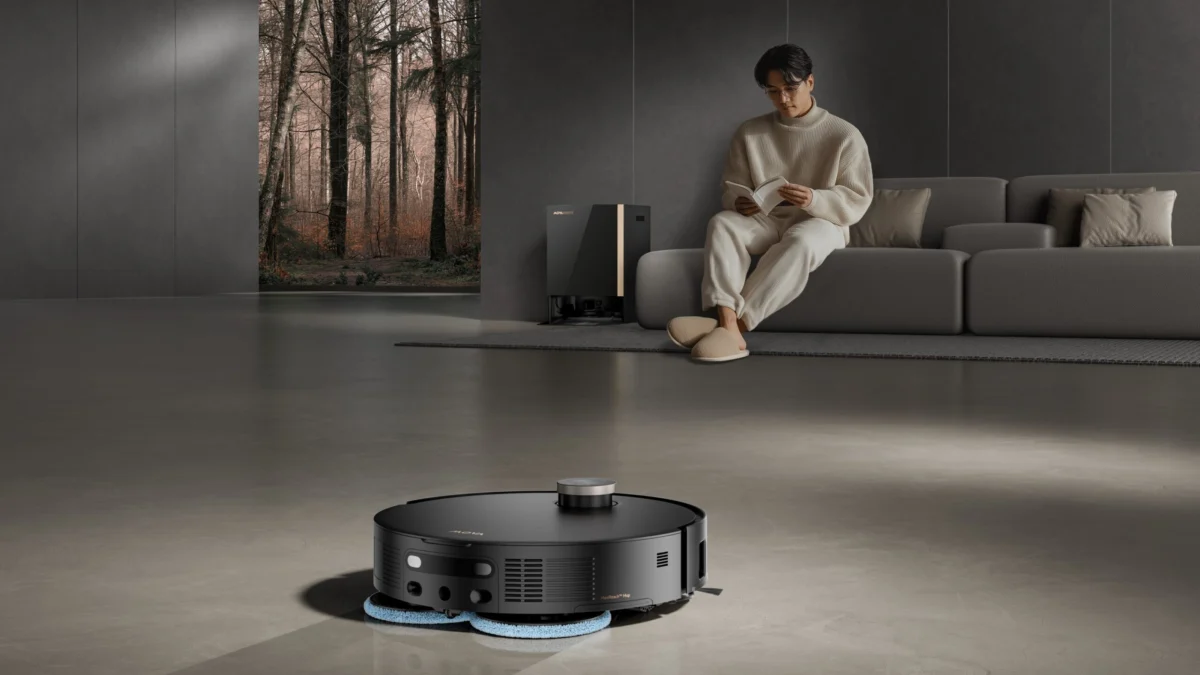
The relentless march of automation in domestic cleaning has long been hampered by a fundamental compromise in hybrid robot vacuum-mops: the tyranny of the single, universal cleaning pad. For years, consumers with multi-surface homes—a complex tapestry of sealed hardwood, porous tile, sensitive area rugs, and high-traffic kitchen zones—have been forced to accept a "one-size-fits-all" mopping approach. This inevitably means dragging a damp, potentially contaminated pad across areas that require specialized care, leading to smeared residues in some rooms and inadequate cleaning in others. Recognizing this critical gap in product efficacy and hygiene, MOVA Robotics has introduced the MOBIUS 60, a device that has already garnered significant industry attention, including a prestigious CES Innovation Award for 2026. The centerpiece of this machine is not just advanced navigation or suction power, but an integrated, automated system designed to eliminate this foundational flaw in robotic floor care.
The core innovation that positions the MOBIUS 60 as a potential market disruptor is the MopSwap™ Hub. This base station ingeniously houses three distinct, application-specific mopping pads. The robot is programmed, via sophisticated AI room recognition, to return to the hub mid-cycle to physically exchange its cleaning module, ensuring that the right tool is deployed for the specific floor type and level of soiling encountered. This level of task specialization moves beyond simple suction adjustment; it is a tailored approach to wet cleaning that addresses long-standing consumer pain points related to cross-contamination and surface damage.
Deconstructing the MopSwap™ Ecosystem: Precision Cleaning for Every Surface
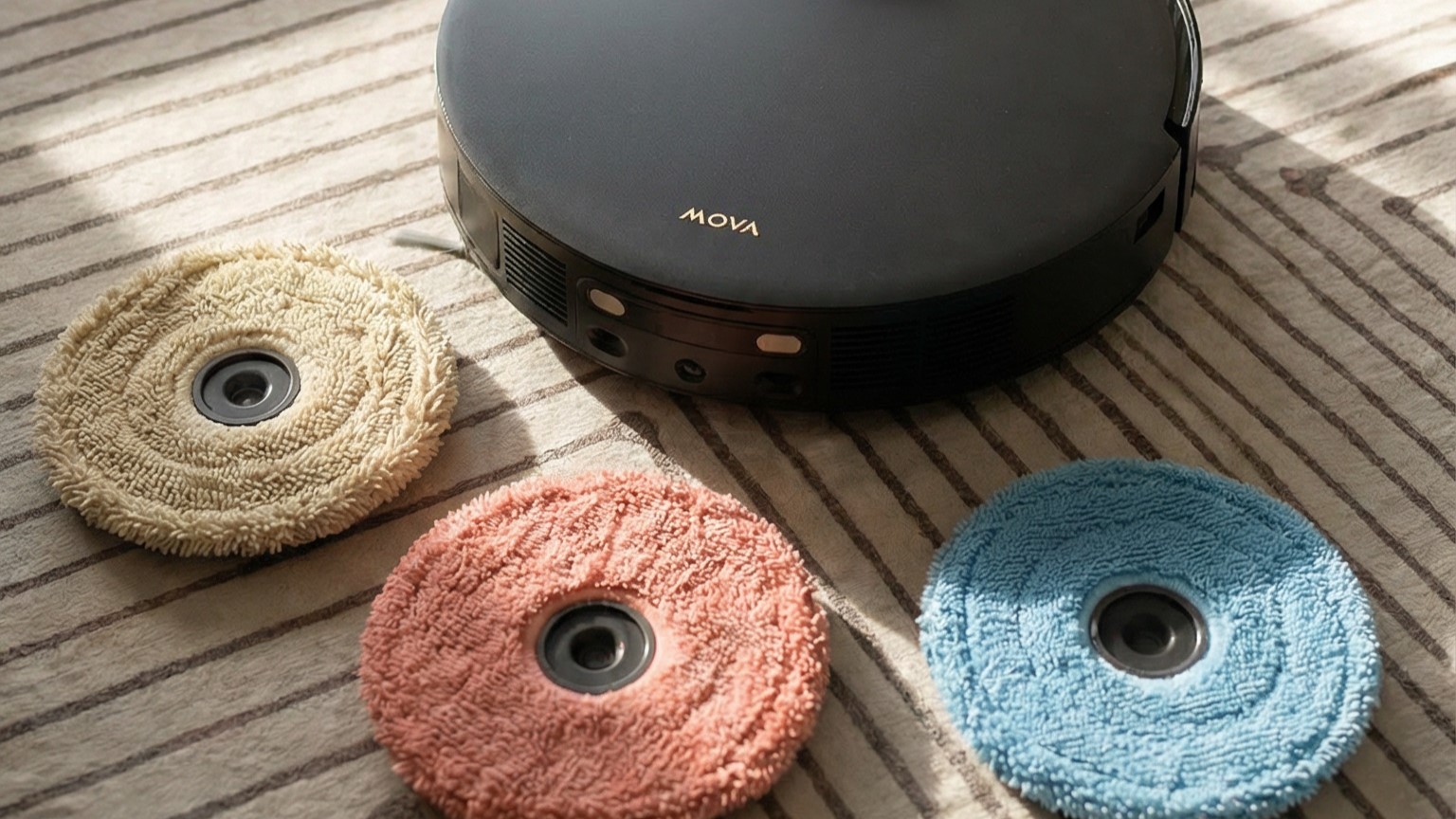
The success of automated mopping hinges on materials science meeting environmental context. MOVA has engineered three distinct pads to handle the varied demands of a modern household:
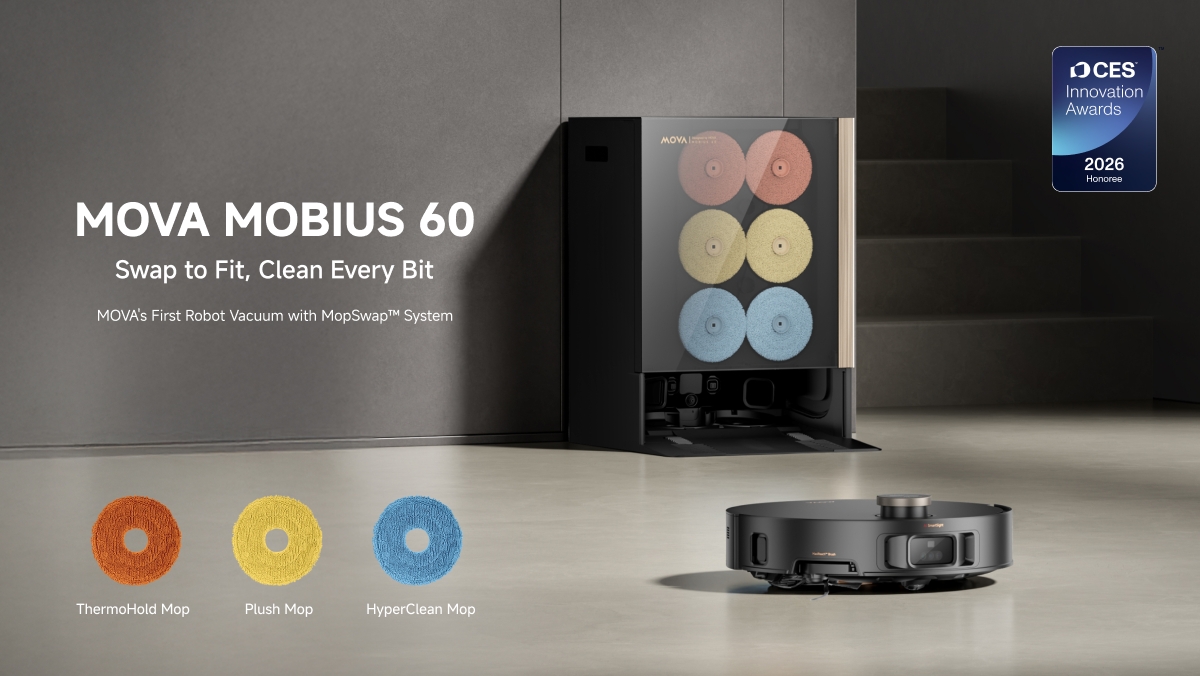
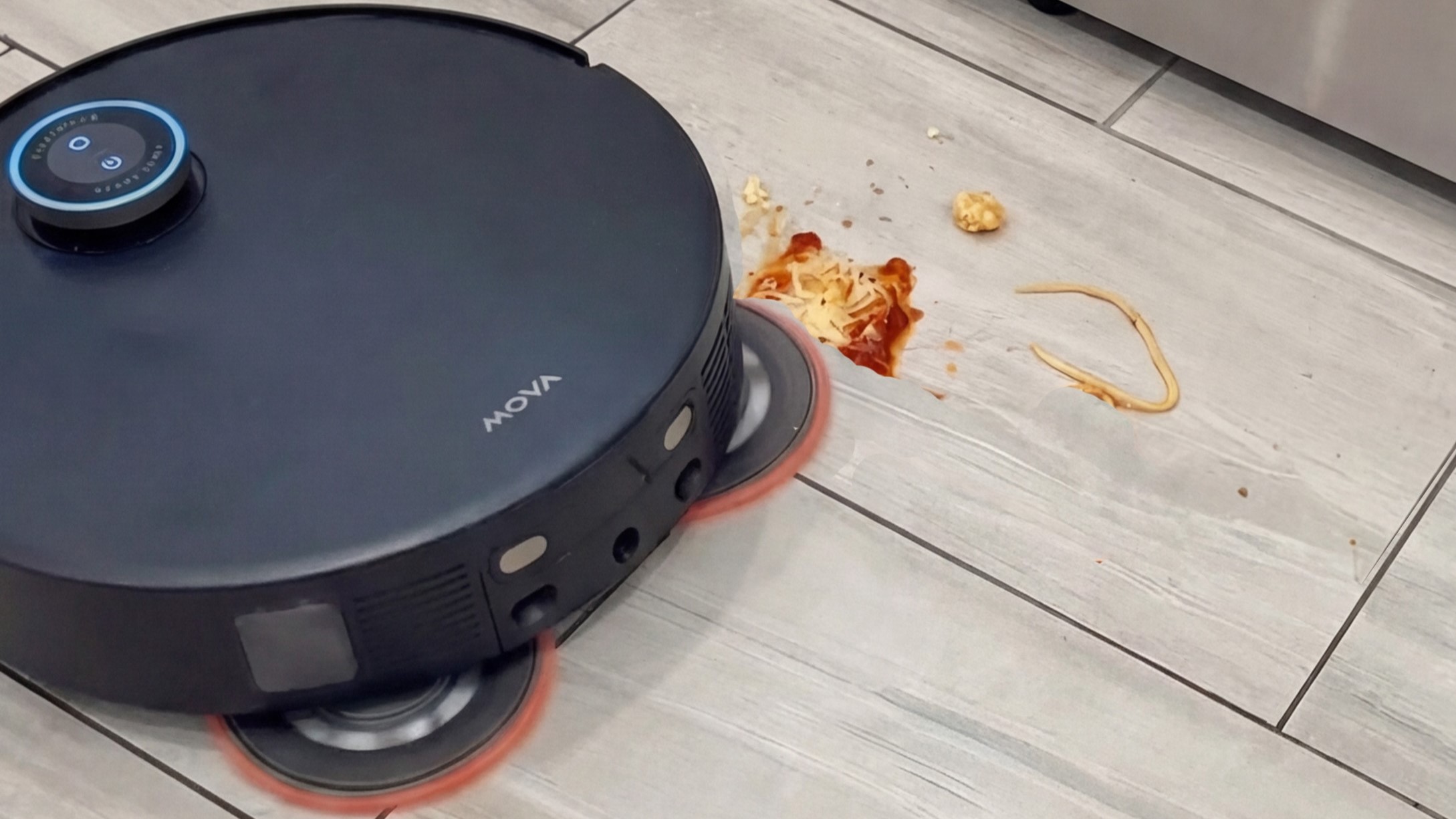
1. The ThermoHold Mop: This pad is explicitly designed for demanding, high-soil areas, particularly kitchens or utility spaces featuring resilient flooring like ceramic or porcelain tile. It incorporates a phase-change thermal material. During operation, this material retains and slowly releases localized heat. This residual warmth is crucial for emulsifying and breaking down greasy kitchen spills, dried food residues, and sticky grime that standard cold-water mopping simply pushes around. Expert analysis suggests that applying controlled thermal energy significantly lowers the required mechanical force, leading to deeper cleaning without excessive wear on the robot’s mechanical systems.
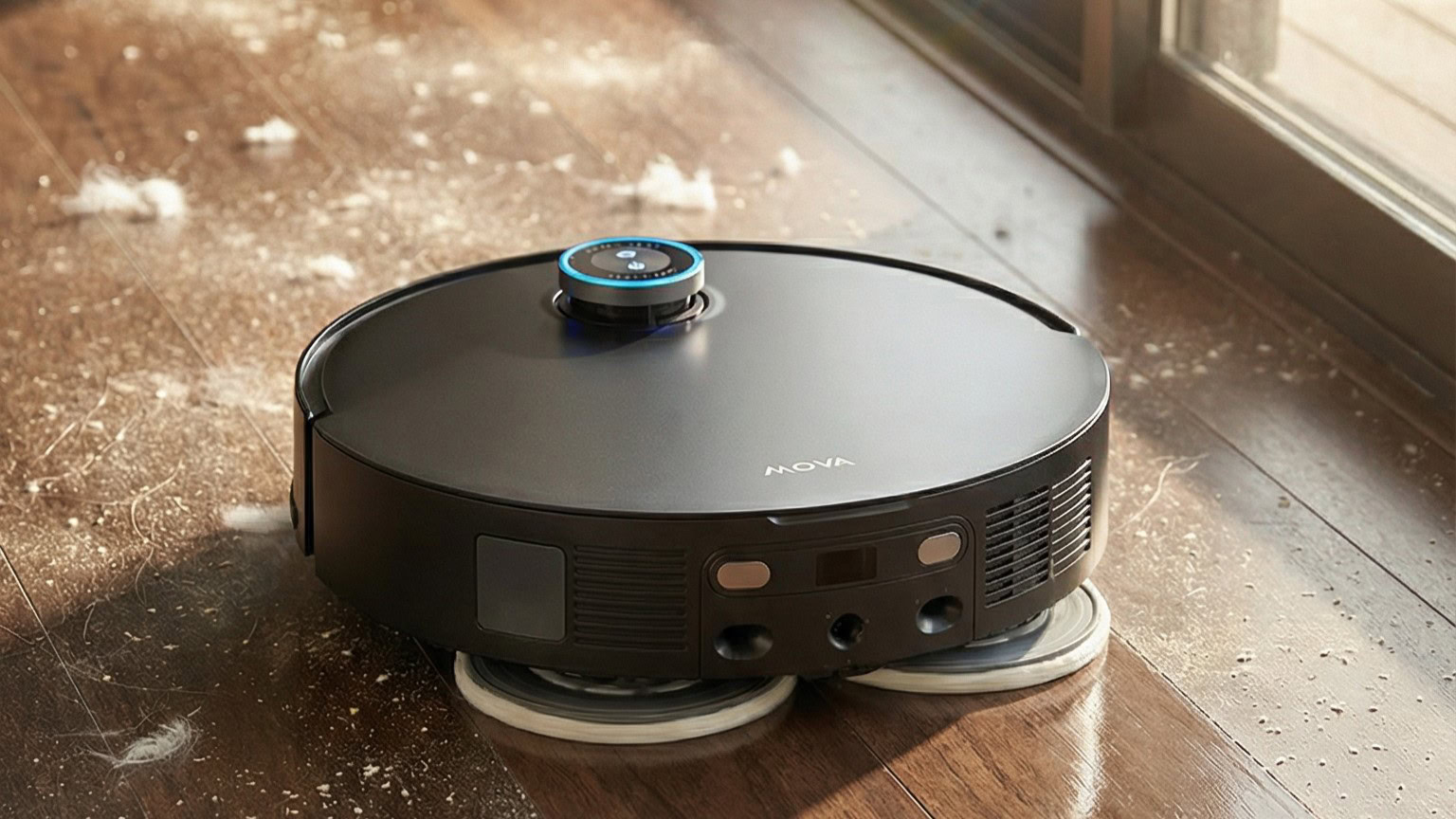
2. The Plush Mop: Delicate surfaces require a gentle touch, a characteristic often absent in aggressive robotic scrubbers. The Plush Mop is constructed from ultra-fine, highly absorbent microfiber filaments, specifically calibrated for polishing and maintaining sealed hardwood, engineered wood, or high-end composite flooring. Its primary mandate is to clean without depositing streaks or introducing micro-abrasions that dull the finish over time. For affluent homeowners investing in natural or composite wood floors, the assurance that a cleaning device will not compromise surface integrity is paramount.
3. The HyperClean Mop: Serving as the versatile workhorse, the HyperClean Mop utilizes a composite fiber construction suitable for general, routine cleaning across hard surfaces like vinyl, laminate, sealed concrete, and standard bathroom tiles. Its design balances effective debris capture with efficient moisture dispersal, ensuring broad coverage in areas like hallways and less intensely soiled rooms.
The intelligence behind this system is vital. The robot does not merely carry the pads; it actively swaps them based on pre-mapped or dynamically identified zones. This eliminates the primary hygiene failure of earlier hybrid models: the single wet pad being dragged from the bathroom, where it collected soap scum, into the living room, effectively cross-contaminating surfaces. MOVA’s mechanical swap is a decisive step toward genuine automated hygiene management in robotics.
Engineering for Deep Clean Performance: Pressure and Adaptation
Beyond pad selection, the physical action of the mop is critical. The MOBIUS 60 employs a dual rotary mopping system operating at a brisk 260 rotations per minute (RPM). This rotational action mimics manual scrubbing far more effectively than static or vibrating pads. Furthermore, the system applies a consistent downward force of 12 Newtons (N). This downward pressure is significant in the context of robotic mopping, providing the necessary friction to lift embedded dirt.
This mechanical robustness is enhanced by the FlexiPress Mop Pad™ system. This sophisticated articulation allows the pad holder assembly a minute degree of vertical travel (up 0.07 inches up, 0.03 inches down) and a slight tilt capability of up to 5 degrees. In practical terms, this means the robot maintains consistent, optimal pad contact even when navigating the subtle unevenness inherent in real-world floors—slight grout lines, minor subfloor transitions, or the subtle dips in older tile installations. The machine is engineered to adapt its scrubbing angle dynamically, ensuring that cleaning energy is applied perpendicular to the surface contamination, rather than being lost to surface irregularities.
Elevating Navigation: Overcoming Physical Barriers and Clutter
The promise of a truly autonomous cleaning device hinges on its ability to navigate without human intervention. Here, the MOBIUS 60 integrates several advanced features that speak to next-generation robotics, moving past simple bump-and-turn logic.
The StepMaster™ System 2.0 addresses the frustrating tendency of robots to become stranded at door thresholds or on thick area rugs. By utilizing retractable "robotic legs," the chassis can physically elevate itself to clear vertical obstacles. Its capability to scale steps up to 3.15 inches (8cm) in a double-step maneuver, or 2 inches (5cm) in a single traverse, is exceptional. This feature drastically expands the operational footprint of the robot within a multi-level or architecturally varied home, reducing the need for manual relocation.
Complementing physical traversal is advanced perception. The MOBIUS 60 utilizes 3D structured-light AI for obstacle avoidance, a technology that maps its environment in three dimensions rather than relying solely on 2D laser mapping. This allows it to identify and accurately route around over 240 different classes of objects—from slender charging cables and power strips (notorious for tangling brushes) to smaller, low-profile items like slippers or children’s toys. The inclusion of supplementary LED illumination aids this 3D scanning process, ensuring high fidelity in dimly lit environments, such as under beds or behind furniture.
Another subtle but powerful navigation feature is FlexScope™ Navigation. This system incorporates a retractable DToF (Direct Time of Flight) sensor. Taller robot vacuums often cannot access the narrow gaps beneath low-profile furniture (e.g., modern entertainment centers or low-slung sofas). By retracting its primary navigation sensor, the MOBIUS 60 reduces its effective operational height to a mere 3.52 inches (89.5mm), allowing it to clean these typically neglected dust traps before smoothly extracting itself. This is further augmented by the MaxiReach™ corner system, which extends the side brush and mop module outward by up to 1.57 inches (4cm), ensuring edges, baseboards, and tight internal corners receive comprehensive coverage usually requiring manual detailing.
The Apex of Automation: The All-in-One Base Station
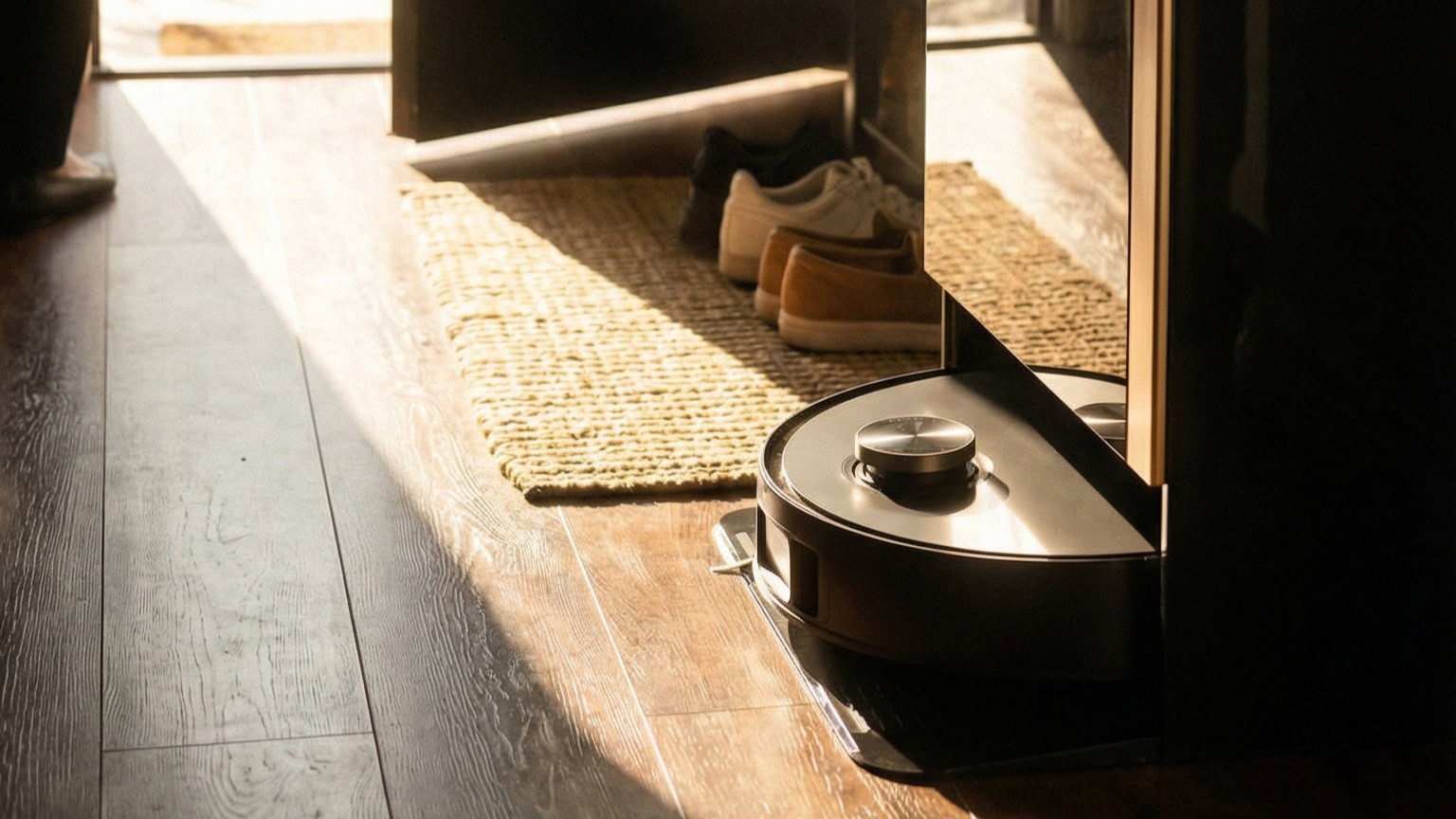
The true realization of hands-off home maintenance is found in the docking station, and the MOBIUS 60’s base station is engineered for comprehensive autonomy spanning weeks, not days. It manages not only the MopSwap™ function but also the sanitation, dust management, and fluid replenishment cycles.
For mopping sanitation, the base station employs a multi-stage process:
- Hot Water Washing: Pads are scrubbed using hot water heated to 212°F (100°C) via a PTC heating element. This thermal application is critical for chemical-free stain removal, reportedly eliminating up to 99.9% of stubborn stains.
- UV Sterilization: Simultaneously, integrated UV technology works to neutralize biological contaminants, achieving a 99.99% bacteria elimination rate on the pad material.
- OmniDry System: Crucially, the pads are then dried using 60°C hot air. This prevents the anaerobic bacterial growth and musty odor that plague systems that merely rinse the pads, ensuring the robot deploys a fresh, odor-free pad for every session.
For vacuum functions, the station features a substantial 3.2-liter dust bag, offering an estimated 100 days of capacity before requiring user intervention. Furthermore, the DuoSolution™ System represents an advanced chemical handling capability. The base station holds reservoirs for two distinct cleaning solutions. Users can program the system to automatically dispense a standard all-purpose cleaner for most areas, while switching to a specialized solution—perhaps one formulated for wood sealant protection or a high-pH formula for deep stain treatment—when the corresponding specialized mop pad is engaged. The station also automatically replenishes the robot’s onboard water tank, completing the loop of self-sufficiency.
Industry Context and Future Trajectory
The MOVA MOBIUS 60’s introduction is indicative of a clear trajectory in the premium segment of the robotic cleaning market: the shift from generalized automation to hyper-specialized, intelligent execution. For years, manufacturers focused on increasing suction power (now often reaching 30,000Pa, as seen here) and refining LiDAR mapping. However, these advancements often amplified the weaknesses of the mopping function. By focusing engineering resources on the mechanical exchange of specialized pads, MOVA is betting that surface-specific cleaning quality will become the next major differentiator, moving beyond mere convenience to genuine cleaning parity with human effort.
The 30,000Pa suction capability, bolstered by an automatic pressure-retention baffle that seals the underside when transitioning to carpets, ensures robust dry pickup across all floor types, including deep-pile rugs where embedded pet hair is a significant challenge. This dual focus—uncompromising vacuum performance paired with adaptive mopping—positions the MOBIUS 60 as a true whole-home solution, rather than a device that forces users to switch between a vacuum and a dedicated mop.
The seamless integration with the MOVAhome application supports this complexity. Users benefit from AI-driven room mapping that requires minimal manual correction, allowing them to assign specific mop types to specific zones (e.g., ThermoHold for the kitchen, Plush for the office). Voice control via Alexa further cements the "set-it-and-forget-it" ethos.
Market Implications and Consumer Value Proposition
The MOBIUS 60, priced competitively in the high-end bracket (typically $1,299 USD), targets consumers who demand peak performance without ongoing maintenance chores. The value proposition is clear: the premium cost is offset by the elimination of manual pad cleaning, the avoidance of surface damage from inappropriate pads, and the extended maintenance intervals afforded by the large base station. For early adopters in mixed-surface environments, this product promises to deliver the long-sought promise of truly comprehensive, automated floor care. The development of retractable chassis systems like StepMaster™ 2.0 suggests that future floor robots will increasingly become true all-terrain vehicles, navigating homes with the fluidity previously reserved for larger, human-operated cleaning equipment. The MOVA MOBIUS 60 is not just an iteration; it represents a significant recalibration of expectations for what a single robotic unit can achieve across a diverse residential landscape.
