

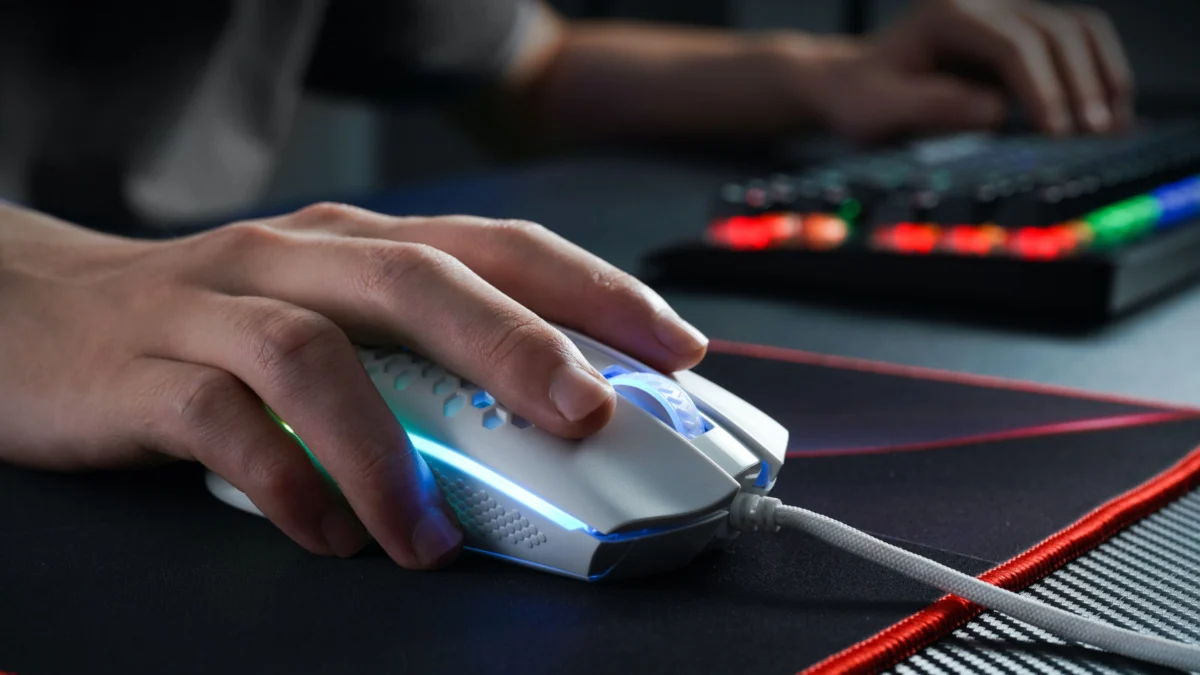
The modern personal computer has evolved far beyond its humble origins as a productivity tool, morphing into a complex, highly synchronized entertainment console. At the heart of this transformation is the ubiquitous trend of aesthetic customization, dominated by dynamic RGB lighting components integrated into everything from motherboard heat sinks and memory modules to mechanical keyboards and mice. However, the delicate symbiosis between user-space aesthetics and core operating system architecture has recently fractured in dramatic fashion. Microsoft’s latest cumulative updates for Windows 11—specifically iterations targeting versions 24H2 and 25H2 deployed since August 2026—have inadvertently thrust the gaming community into chaos, exposing deep-seated vulnerabilities in how third-party hardware drivers interact with low-level system kernels.
What began as isolated reports of game launchers failing silently on high-end custom rigs quickly escalated into a widespread technical crisis. Gamers launching major titles such as The Finals, ARC Raiders, and MARVEL Tōkon: Fighting Souls encountered catastrophic failures. Instead of the seamless immersion expected from modern hardware, users faced immediate application crashes, system-wide freezing, debilitating "EXCEPTION_ACCESS_VIOLATION" memory errors, and, in severe cases, abrupt blue screens of death accompanied by unexpected reboots. As telemetry data poured into Redmond, Microsoft’s engineering teams initiated a high-priority investigation to untangle the web of hardware dependencies triggering these anomalous behaviors.
The investigation’s preliminary findings point away from the core operating system code itself, instead casting a spotlight on an unexpected culprit: the specialized software and kernel-level drivers associated with peripheral and internal RGB lighting systems. According to updated advisory documentation published on the Windows release health dashboard, the root cause is intimately tied to legacy and third-party driver components that utilize file names resembling inpoutx64.sys. These auxiliary binaries, often installed automatically by proprietary hardware suites to grant deep access to hardware registers for lighting control, are clashing aggressively with updated kernel-level memory management rules introduced in the August 2026 patches.
The mechanics of the failure reveal the precarious nature of low-level driver execution in contemporary operating systems. The file inpoutx64.sys is a well-known, albeit controversial, driver frequently employed by various utility applications to bypass standard Windows security models and communicate directly with hardware input/output ports. When modern Windows 11 updates tighten kernel security parameters and modify how drivers handle memory access validation, these legacy or unvetted lighting control components fail to adapt gracefully. Upon launching resource-intensive games—particularly those utilizing sophisticated anti-cheat frameworks or direct memory management techniques—the presence of these conflicting drivers triggers fatal exceptions within the Windows kernel.
The situation has placed game developers in an awkward position, forcing them to address infrastructure bugs originating outside their own codebases. Embark Studios, the creative force behind The Finals and ARC Raiders, took the proactive step of publishing detailed troubleshooting guides for their player base. Acknowledging that the crashes directly involve the altered behavior of inpoutx64.sys following the deployment of update KB5121003, the studio outlined an intricate, multi-step mitigation process. Affected players were instructed to manually purge the offending driver service and scrub the file from their system directories—a technical hurdle that highlights the friction typical of modern PC troubleshooting.
This incident is far from an isolated anomaly; rather, it represents the latest chapter in a long-standing pattern of friction between Microsoft’s aggressive Windows 11 update cadence and the fragmented PC hardware ecosystem. The transition toward modern operating system environments like Windows 11 24H2 has repeatedly exposed the fragility of third-party software dependencies. For instance, in late 2024, Microsoft was forced to institute aggressive upgrade safeguards, temporarily blocking Windows 11 deployment on systems running titles like Asphalt 8 due to severe memory conflicts and widespread Easy Anti-Cheat failures. Similarly, bugs tied to the implementation of Auto HDR paralyzed gaming performance across multiple hardware configurations early in the platform’s lifecycle, necessitating rapid compatibility rollbacks.
The recurrence of these stability crises underscores a profound systemic challenge within the personal computer landscape: the inherent tension between centralized operating system development and decentralized hardware manufacturing. Microsoft continually strives to harden the Windows kernel against modern cybersecurity threats, pushing for virtualization-based security, hypervisor-protected code integrity, and stricter driver signing policies. Yet, millions of consumer machines rely on a sprawling web of peripheral manufacturers, motherboard vendors, and utility developers who frequently prioritize feature velocity and aesthetic customization over rigorous, long-term driver maintenance. When an operating system update alters the rules of engagement at the kernel level, these dormant architectural discrepancies violently awaken.

Industry analysts and kernel developers suggest that the ongoing RGB driver debacle serves as a harsh wake-up call for the entire hardware industry. The practice of utilizing generic, direct-access I/O drivers like inpoutx64 to control basic aesthetic features is increasingly untenable in a secure computing paradigm. Modern operating systems are moving rapidly toward standardized user-mode APIs for peripheral management—such as Microsoft’s native dynamic lighting initiatives—precisely to eliminate the security and stability risks posed by third-party kernel extensions. However, the transition period is proving painfully disruptive, leaving millions of enthusiasts caught in the crossfire between stringent OS security and legacy hardware utility design.
Looking ahead, the fallout from the August 2026 update cycle is expected to accelerate a necessary shift in how hardware manufacturers approach software development. Peripheral ecosystems can no longer operate as independent fiefdoms detached from core OS security cycles. Moving forward, software ecosystems must adopt more resilient, sandboxed architectures that do not rely on privileged kernel access merely to synchronize color profiles across fans and keyboards. For Microsoft, the challenge lies in balancing the imperative to secure the Windows kernel against the pragmatic reality of PC gaming culture, where customization and enthusiast hardware configurations remain paramount. Until official, automated patches permanently resolve the memory conflict, gamers navigating these troubled waters are reminded that the pursuit of ultimate aesthetics can sometimes come at the steep price of system stability.
