

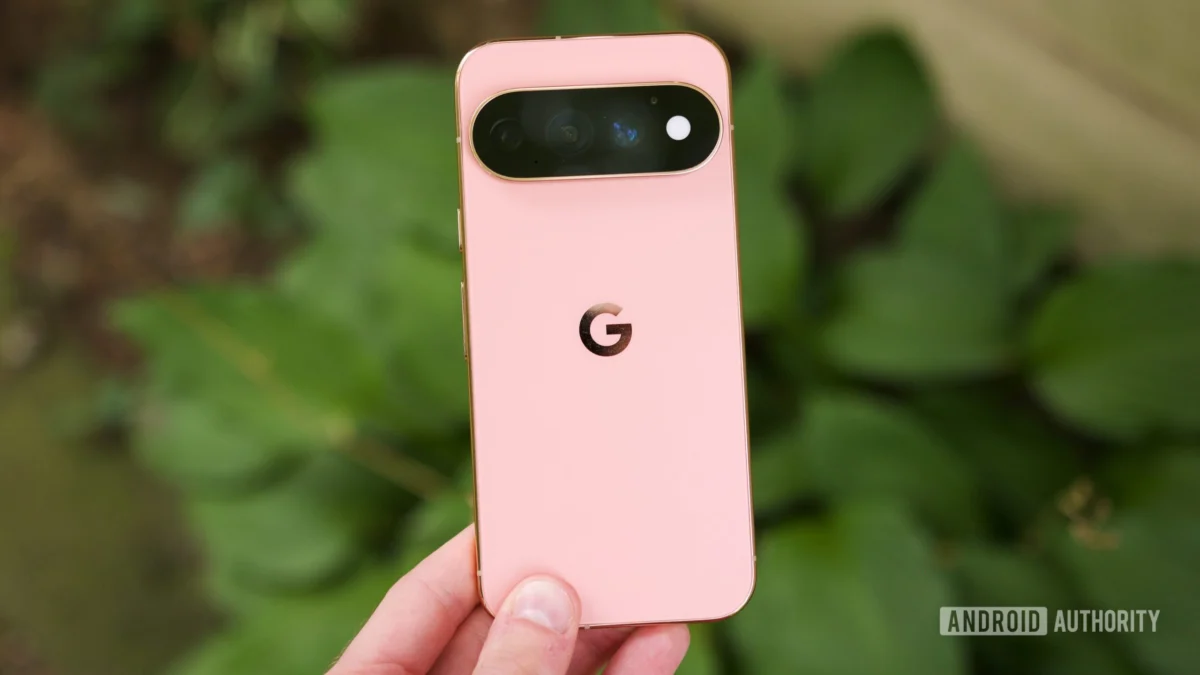
When technology manufacturers roll out successive generations of flagship smartphones, consumer scrutiny naturally zeroes in on the spec sheet. For the modern tech enthusiast, a new iteration demands generational leaps in silicon performance, brighter panel technologies, expanded battery longevity, and groundbreaking camera sensor arrays. Within the context of the latest Google Pixel launch cycle, initial consumer sentiment has featured predictable murmurs of discontent regarding incremental hardware updates. Critics point to iterative improvements and the outright removal of legacy novelties—such as the thermal sensors previously embedded in the Pro variants—as evidence of a slowing innovation cycle. Yet, amidst these debates over marginal gains in processing power and milliamp hours, a far more significant strategic achievement is frequently overlooked: Google’s unwavering dedication to its proprietary magnetic ecosystem, Pixelsnap.
To understand the weight of this decision, one must examine the broader historical context of wireless charging standards within the Android landscape. For years, wireless charging on Android devices was plagued by a frustrating lack of standardized physical alignment. Users routinely placed expensive handsets onto inductive charging pads, only to wake up to a depleted battery hours later due to a millimeter of misalignment. Apple radically disrupted this paradigm in late 2020 with the introduction of MagSafe, a magnetic alignment ring built into the chassis of the iPhone. By utilizing a ring of precise rare-earth magnets surrounding the wireless charging coil, Apple transformed inductive charging from a finicky convenience into an effortless, mechanical snap while simultaneously spawning a multi-billion-dollar accessory market spanning wallets, mounts, and desktop stands.
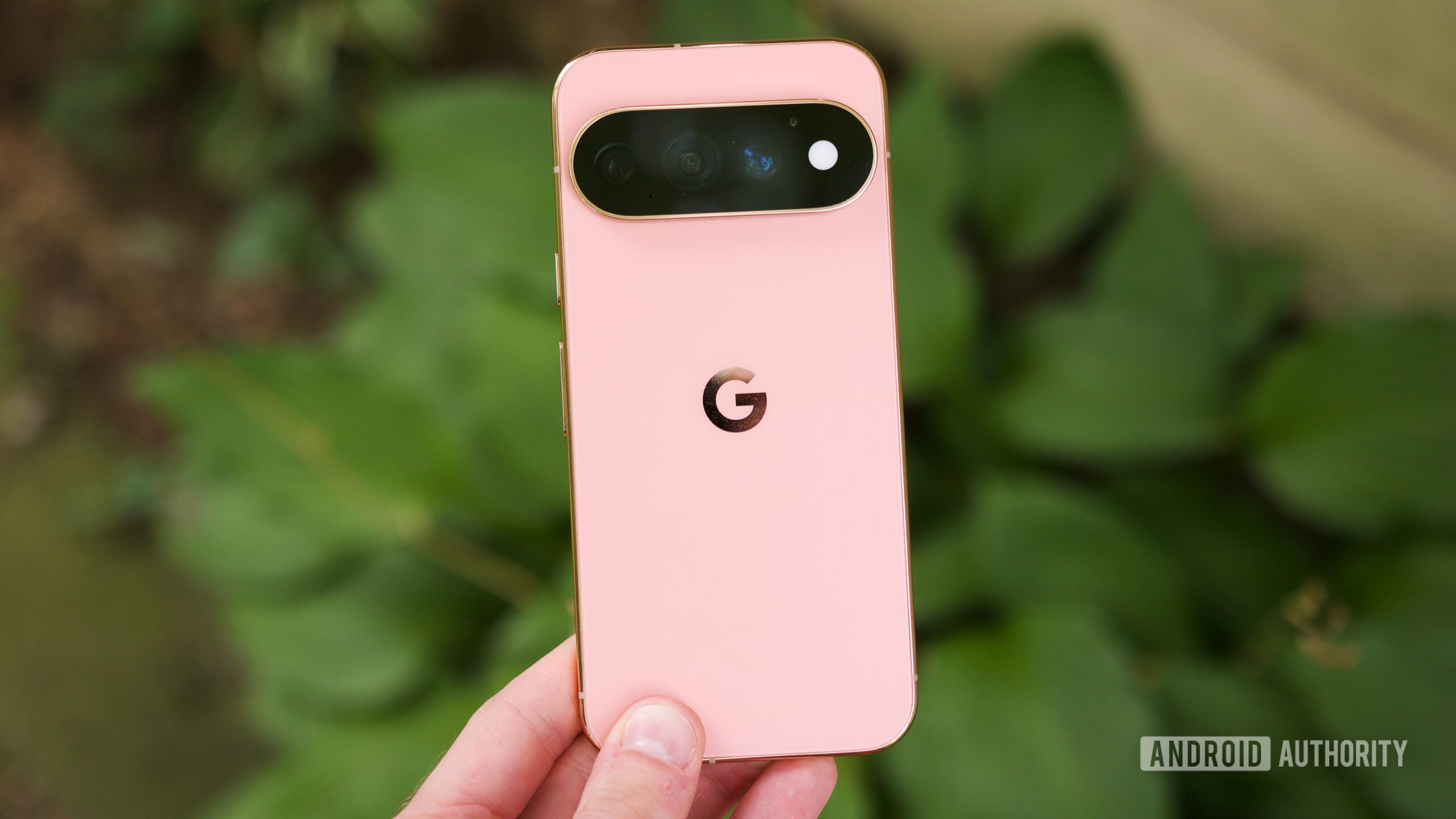
The mobile industry at large was slow to respond. It was not until the advent of the Qi2 wireless charging standard—formally unveiled by the Wireless Power Consortium in early 2023—that the foundational technology for magnetic alignment became universally accessible to non-Apple manufacturers. Despite this open door, the broader Android ecosystem remained paralyzed by hesitation. While niche players like HMD embraced the standard early on with devices like the Skyline, dominant market heavyweights approached magnetic integration with extreme caution. Samsung, the undisputed titan of the Android sphere, continues to relegate magnetic compatibility to an afterthought. Even on recent ultra-premium releases, such as the Galaxy S-series flagships and the latest folding devices, users are forced to rely on specialized third-party cases to achieve magnetic functionality. The internal chassis of these costly smartphones remain completely devoid of built-in alignment magnets, forcing consumers into a fragmented, ad-hoc aftermarket experience.
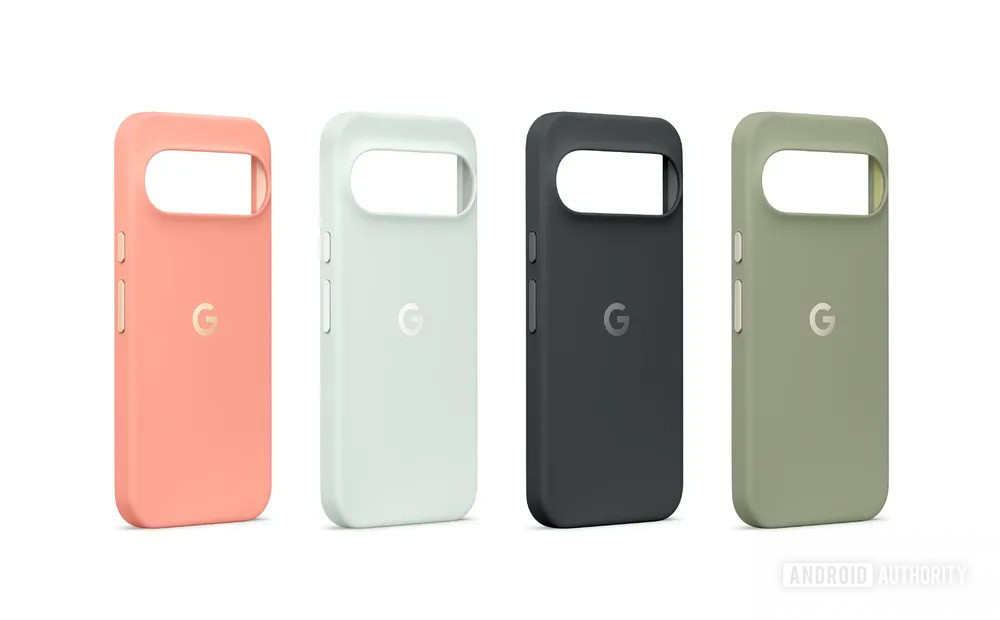
Google’s strategic pivot with the introduction of Pixelsnap on the Pixel 10 family, and its subsequent reinforcement in the Pixel 11 lineup, represents a bold departure from this industry-wide inertia. By baking the hardware requirements of Qi2 directly into the phone’s structural anatomy, Google positioned itself as the sole tier-one Android manufacturer willing to challenge Apple on its own turf. More importantly, the company has avoided treating this feature as a one-off marketing experiment. The ecosystem surrounding Pixelsnap has matured significantly. Alongside Google’s own first-party offerings, prominent third-party case manufacturers—including industry heavyweights like dbrand, Spigen, Mous, Case-Mate, and Bellroy—have rolled out day-one accessories designed specifically to interface with the Pixelsnap standard.
This robust third-party backing is the lifeblood of any modern mobile accessory ecosystem. Without widespread adoption from trusted brands, even the most elegantly engineered hardware feature risks dying in obscurity. By cultivating an environment where consumers can choose from rugged drop-proof shells, minimalist leather folios, and functional desk stands at launch, Google has signaled to the market that magnetic accessories are a permanent pillar of the Pixel hardware philosophy rather than a fleeting promotional gimmick.
Nevertheless, the implementation is not entirely without friction. Minor design choices, such as the subtle aesthetic disconnect between the updated hardware colors and the legacy charging stands, highlight the growing pains associated with curating a physical ecosystem. Furthermore, the inclusion of alignment magnets is not universally celebrated within the tech community. Hardware purists raise valid technical arguments against internal magnets: they marginally increase manufacturing costs, consume precious internal volume that could otherwise be allocated to battery capacity, and can occasionally interfere with reverse wireless charging capabilities. Additionally, a vocal faction of Android traditionalists remains perpetually sensitive to any design choice that mirrors Apple’s product roadmap, occasionally dismissing magnetic integration as derivative copycatting.
Yet, this ideological resistance overlooks a fundamental truth of product development: borrowing and refining successful industry standards is a hallmark of mature engineering. Consumers do not evaluate a device based on whether a concept originated elsewhere; they evaluate it based on daily utility. The effortless mechanical feedback of a magnetic mount, the stability of a desktop charging stand, and the versatility of snap-on wallets provide tangible, day-to-day value that easily outweighs abstract concerns about originality.
Looking toward the horizon, the broader implications for the smartphone industry are profound. As Qi2 adoption slowly trickles through the supply chain, Google’s aggressive normalization of internal alignment magnets forces competitors to reconsider their passive stance. If major Android vendors continue to ignore integrated magnetic charging, they risk alienating a growing segment of power users who have grown accustomed to the seamless interoperability of magnetic ecosystems.

The lingering question, of course, is corporate longevity. Google has a well-documented history of aggressively championing hardware features for a generation or two before abruptly abandoning them in pursuit of the next shiny marketing hook. The recent disappearance of the rear-facing thermal sensor serves as a cautionary reminder that nothing in the Pixel lineup is permanently sacred. If consumer trends shift or internal cost-cutting pressures mount, the temptation to pivot away from Pixelsnap in future iterations will undoubtedly loom large.
For now, however, tech enthusiasts should celebrate this rare moment of pragmatic foresight. While the spec sheet debates surrounding processor ticks and camera increments will rage on, Google has secured the victory that truly influences the tactile, everyday experience of owning a smartphone. By refusing to compromise on its magnetic ecosystem, the brand has delivered a polished, cohesive user experience that outshines raw benchmark scores. One can only hope that this foundational commitment endures for generations to come.
