

The evolution of modern smartphones has long been defined by an invisible friction: the gap between human intention and digital execution. For nearly two decades, navigating a mobile operating system meant manually traversing deep layers of nested menus, toggles, and sliders. A modern smartphone running contemporary software typically houses upward of three hundred distinct configuration options, spread across a sprawling labyrinth of preferences. This complexity, while offering granular control to power users, has consistently alienated casual consumers who struggle to locate specific toggles for routine adjustments. However, a paradigm shift is underway, driven by advancements in conversational artificial intelligence and deep operating system integration.
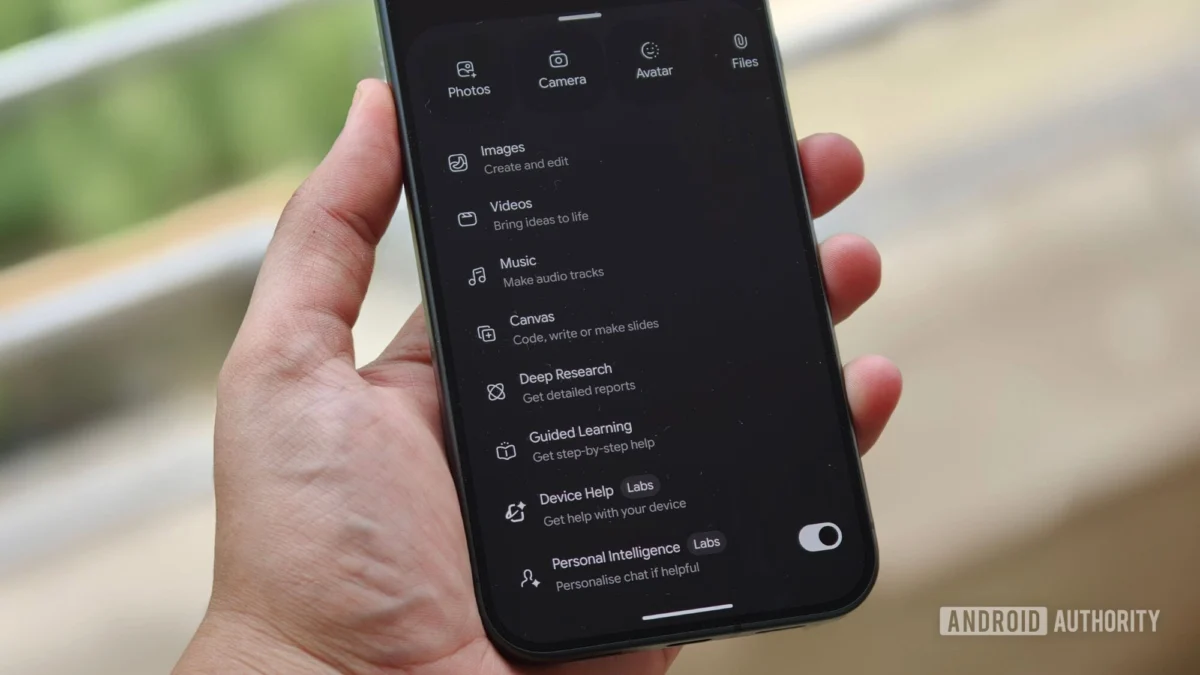
Recent developments surrounding Google’s Pixel ecosystem highlight a major leap forward in how users interact with their mobile devices. Initially introduced alongside the Pixel 11 hardware lineup, a novel software capability known as Device Help has emerged as a cornerstone of the company’s next-generation user experience strategy. Far from being merely another incremental software update, this tool redefines the boundary between cloud-based intelligence and local system architecture. By empowering the Gemini assistant to interpret natural language prompts and execute direct configuration modifications, Google is fundamentally altering the mechanics of device management. Crucially, industry insights confirm that this sophisticated utility is not restricted to the newest hardware releases, opening a new chapter of accessibility and convenience for a broader range of hardware owners operating on current platform iterations.
To understand the magnitude of this shift, one must examine the historical limitations of mobile assistants. Early iterations of voice-activated tools were largely confined to web searches, basic media playback, and rudimentary app launching. While they could answer trivial factual queries or set a morning alarm, asking an assistant to modify intricate system parameters often resulted in frustration. Users would be met with generic web links or redirection screens that forced them to complete the manual labor anyway. The core architectural challenge lay in the security sandboxing and API fragmentation that kept AI models at arm’s length from core system controls. Operating systems were purposefully designed to compartmentalize cloud intelligence away from root preferences to protect user privacy and device integrity.
The introduction of Device Help signals a maturing trust in on-device and hybrid AI frameworks. When a user tells Gemini to optimize the device for a specific environmental context—such as preparing the interface for comfortable nighttime viewing—the assistant does not merely point the way. Instead, it parses the semantic intent of the request, identifies the relevant system states, and presents a cohesive package of adjustments. Users are then empowered to authorize multiple changes through a single, streamlined interaction. This capability transforms the assistant from a passive search interface into an active, contextual system operator.
Demonstrations shared by engineering leads illuminate the practical application of this technology. By capturing a user’s conversational request to make the phone comfortable for evening use, the system dynamically groups disparate controls—such as activating dark theme, lowering display luminance, and engaging eye-comfort filters—into a unified execution card. This capability addresses a profound ergonomic pain point in modern interface design: the fragmentation of related controls across separate settings categories. Display parameters, accessibility options, and notification management have historically lived in entirely different architectural branches of the operating system, requiring multiple taps and cognitive context-switching to coordinate harmoniously.
Crucially, the rollout strategy for this capability breaks from traditional hardware-exclusive marketing tactics. While cutting-edge software features are frequently gated behind newly launched flagship devices to incentivize upgrades, industry disclosures reveal that Device Help is natively supported across any Pixel hardware running Android 17. Because software support lifecycles now span multiple generations—encompassing devices dating back to the Pixel 6 series—a vast installed base of users stands to benefit from this architectural advancement. This inclusive deployment model underscores a broader industry realization: artificial intelligence features must be treated as platform-level upgrades rather than mere hardware selling points if they are to achieve meaningful ecosystem penetration.
Despite the profound promise of natural language device management, the transition to AI-driven system controls is not without its operational hurdles. Early field testing of the feature reveals a degree of variability that highlights the ongoing challenges inherent in large language model implementations. When multiple devices running identical software versions are presented with identical prompts regarding specialized features—such as advanced camera modes or niche utility settings—the generated pathways and instructional outputs can occasionally diverge. This phenomenon, affectionately acknowledged within the engineering community as an inherent characteristic of probabilistic computing, illustrates the delicate balance between flexibility and precision.
Precision is paramount when dealing with operating system configurations. Unlike generating creative text or summarizing articles, where minor variations are harmless, interacting with system settings requires deterministic reliability. A command to alter connectivity preferences or security parameters leaves no room for ambiguity. Consequently, Google and competing platform developers face the rigorous task of refining guardrails, validation layers, and semantic mapping schemas. Ensuring that natural language prompts reliably trigger the exact intended system states without unintended side effects remains a central engineering priority as these capabilities scale to millions of active users.
Looking toward the broader horizon, the implications of this development extend far beyond the Pixel ecosystem or even the Android platform as a whole. The maturation of conversational device control represents a foundational shift in human-computer interaction paradigms. As artificial intelligence models become more deeply intertwined with underlying operating system kernels, the traditional graphical user interface—with its reliance on icons, menus, and hierarchical structures—will likely begin to recede into the background. Users will increasingly expect to converse with their devices as they would with a human assistant, delegating complex operational tasks to intelligent agents capable of orchestrating multi-step workflows across diverse software environments.
This trajectory hints at a future where device configuration, troubleshooting, and optimization become entirely invisible processes. Instead of digging through menus to resolve a battery drain issue or optimize network performance, users will simply state the desired outcome, leaving the AI to diagnose the underlying bottlenecks, adjust background services, modify hardware states, and confirm the resolution. As this technology eventually expands to a wider array of hardware partners and future operating system releases, the standard for what constitutes an intuitive user experience will be permanently elevated.
Ultimately, the deployment of advanced device assistance tools on current-generation software demonstrates that the most impactful advancements in mobile technology are often those that reduce cognitive load. By bridging the gap between natural human expression and complex software engineering, platforms are shedding their historical barriers to entry. While bugs, inconsistencies, and edge cases will inevitably require ongoing refinement, the foundational architecture has been established. The era of manual menu navigation is steadily giving way to a more fluid, conversational paradigm of device management, forever changing how we coexist with our pocket-sized technology.
