

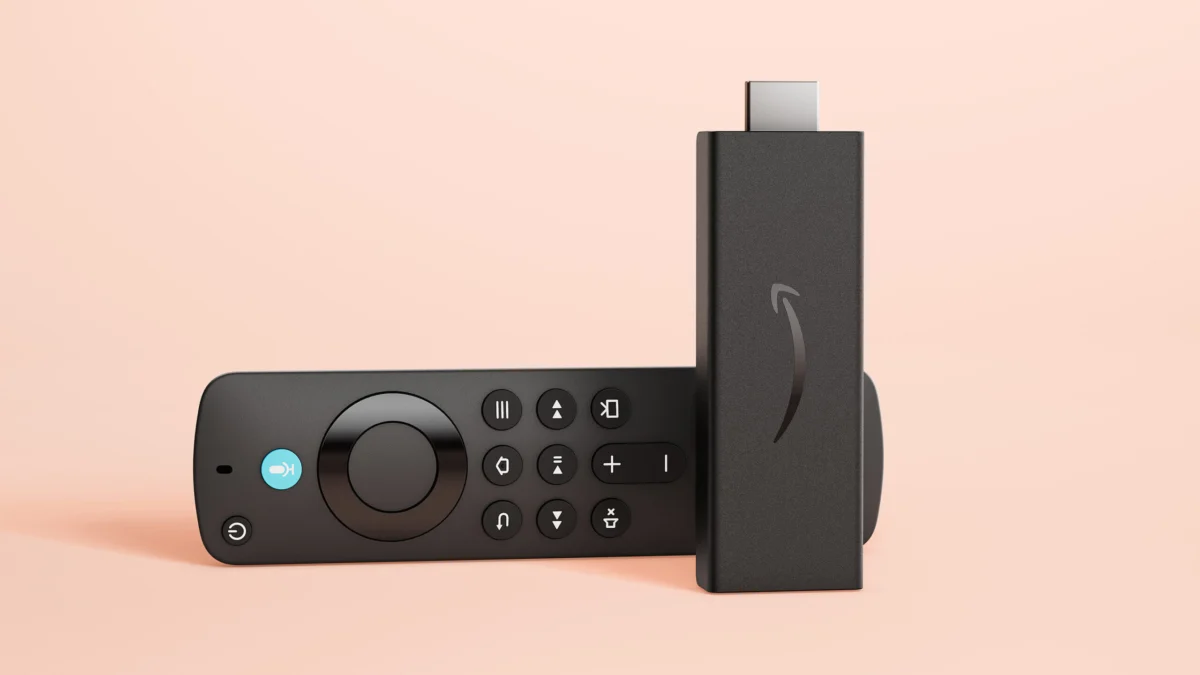
The precipitous drop in the price of the Amazon Fire TV Stick HD, currently fetching a mere $16.99—a staggering 51% reduction from its usual retail positioning—signals a calculated, aggressive opening salvo in Amazon’s impending Big Spring Sale event. This deep discount, appearing before the official kickoff on Wednesday, is not merely a fleeting promotion; it represents a strategic move to capture market share at the entry-level segment of the connected television ecosystem. For consumers, this pricing unlocks an unprecedented low barrier to entry for transforming legacy display hardware into a fully functional smart entertainment hub.
The significance of this particular markdown transcends simple cost savings. The Fire TV Stick HD, while positioned below the more premium 4K offerings in Amazon’s streaming portfolio, remains a highly capable device optimized for the ubiquity of Full HD (1080p) displays. In an era where 4K and 8K televisions dominate new hardware sales, a substantial portion of the global installed base still relies on displays capable of rendering high-definition content, but lacking integrated smart capabilities or access to modern streaming applications. This device serves as the perfect digital bridge for those millions of sets gathering dust in secondary rooms, guest accommodations, or older living spaces.
The Strategic Imperative of the Entry-Level Device
Amazon’s sustained focus on the low-cost Fire TV stick is a cornerstone of its long-term digital strategy. Unlike competitors who might focus exclusively on maximizing revenue per unit sold through high-margin 4K or advanced gaming features, Amazon utilizes the Fire TV platform as a critical distribution channel for its own services and advertising inventory. By pricing the HD stick at $16.99, the company effectively subsidizes the hardware cost to onboard new users into the Fire OS environment.
The core value proposition hinges on ecosystem lock-in. Once a user installs the Fire TV Stick, they gain instant access to a vast library of content providers. Crucially, this includes Amazon Prime Video, ensuring immediate value realization for Prime subscribers. Beyond proprietary services, the platform supports all major third-party streaming monoliths—Netflix, Hulu, Disney+, Max—alongside a substantial, often overlooked, catalog of free, ad-supported television (FAST) content. Amazon estimates the availability of over 400,000 free movies and episodes through services like Tubi and Pluto TV. This deep reservoir of free content mitigates the perceived need for continuous subscription renewals, enhancing customer satisfaction and stickiness within the Amazon ecosystem.
From an expert analysis standpoint, this aggressive pricing strategy aligns perfectly with the established retail playbook of establishing market dominance through ubiquitous distribution. It forces competitors, particularly those in the low-cost dongle space like Roku, to either match the price point—thereby eroding their own margins—or risk losing consumer mindshare during peak shopping periods like the Spring Sale. The Fire TV Stick HD, therefore, functions less as a standalone product and more as a Trojan horse for Amazon’s broader digital commerce ambitions.
Hardware Capabilities and User Experience Refinement
While the specification sheet for the Fire TV Stick HD is inherently modest compared to its 4K siblings—it is engineered for smooth 1080p playback rather than advanced HDR formats—the user experience remains remarkably cohesive. The device ensures that the critical functionalities expected by the modern viewer are present and accounted for. The inclusion of the Alexa Voice Remote is a significant factor in justifying the purchase, even at full price, but becomes an extraordinary value at $16.99.
The remote control transforms the interaction from a simple input device into a central control nexus. Voice commands allow for rapid content discovery—a crucial feature given the proliferation of streaming services and the difficulty users often face navigating nested menus. Users can simply state, "Alexa, find action movies starring Keanu Reeves," bypassing the manual hunt through multiple apps. Furthermore, the remote integrates fundamental television control capabilities, managing power and volume, effectively replacing the need for a separate universal remote for basic functions.
Moreover, the integration of Alexa extends the utility beyond passive entertainment consumption. For consumers already invested in the Amazon smart home sphere—with Echo speakers, smart plugs, or Ring cameras—the Fire TV Stick HD acts as a portable, visual dashboard. Users can check live camera feeds, adjust lighting scenes, or query weather forecasts directly from the television interface. This cross-platform functionality deepens the utility proposition, transforming a $17 media streamer into a minor component of a comprehensive smart home infrastructure.
Industry Implications: The Democratization of Streaming
This deep discounting trend underscores a significant shift in the digital media industry: the commoditization of basic streaming access. For years, streaming sticks represented a significant upgrade path for older televisions. Now, these devices are approaching the price point of disposable electronics, which has profound implications for hardware manufacturers and content distributors alike.
The accessibility afforded by this pricing model accelerates the "cord-cutting" movement, particularly among demographics sensitive to cost. For students, renters, or budget-conscious households, spending $17 to gain access to premium content services negates the need for expensive cable packages. This democratization of content access places immense pressure on traditional cable and satellite providers whose business models rely on bundled, high-cost infrastructure.
From a manufacturing perspective, maintaining such a low price point requires extreme efficiency in supply chain management and economies of scale, areas where Amazon, with its massive purchasing power, excels. The HD stick likely operates on razor-thin margins, potentially even selling at a loss, with the expectation that the return on investment will be realized through increased Prime subscriptions, higher advertising impressions served via the Fire OS interface, and data collection derived from viewing habits. This model contrasts sharply with premium electronics, where profitability is expected at the point of sale.
Future Trends and Longevity Considerations
Looking ahead, the market positioning of the Fire TV Stick HD reveals interesting insights into Amazon’s view of future hardware evolution. While 4K and even 8K streaming become standard on new flagship devices, the continued, aggressive promotion of a 1080p-only stick suggests that the installed base of non-4K displays remains substantial enough to warrant dedicated, low-cost support for several more years. This also serves as a crucial fallback option should supply chain issues or economic pressures affect the cost of higher-specification components needed for 4K models.
However, users must manage expectations regarding the long-term longevity of this budget model. While it currently supports all major applications, future software updates may eventually prioritize newer hardware architectures. Streaming application developers often cease optimizing for older chipsets when the market share of those devices shrinks below a certain threshold. While Amazon is committed to supporting its installed base, the HD stick will likely be the first device in the Fire TV family to experience feature limitations or performance degradation as streaming platforms evolve their interfaces and codecs.
For the immediate future, the device excels in specific use cases: travel, temporary setups, or as a dedicated streaming source for a secondary display (like a kitchen monitor). Its portability, combined with the simplicity of plugging it into any HDMI port and using existing Wi-Fi credentials, makes it a versatile tool. The current $16.99 price point establishes a benchmark for "impulse buy" consumer electronics—a price low enough that the decision to purchase is based more on immediate utility than long-term strategic planning.
In conclusion, the early activation of this deep discount during the prelude to the Spring Sale is a deliberate tactical maneuver by Amazon. It secures early consumer engagement, reinforces the dominance of the Fire TV platform in the streaming dongle sector, and provides an almost frictionless path for consumers to upgrade their entertainment setups without significant financial outlay. The Fire TV Stick HD at this price is not just a good deal; it is a foundational element of Amazon’s strategy to permeate every screen in the modern household. The value proposition is undeniable: $16.99 buys a gateway to virtually all digital entertainment available today, powered by the convenience of voice control and deep ecosystem integration. Consumers should view this as an opportunity to future-proof older hardware or rapidly expand entertainment options across multiple viewing environments before the limited-time promotional window closes.
