


The consumer technology landscape is currently captivated by a singular narrative: the inevitable arrival of Apple’s long-rumored foldable device, often dubbed the iPhone Ultra. Industry analysts and casual observers alike have largely embraced the assumption that once Cupertino enters the book-style foldable market, it will effortlessly sweep aside established competitors, rendering Samsung’s pioneering hardware obsolete overnight. However, this prevailing consensus overlooks critical nuances in software engineering, hardware maturity, and user experience paradigms. A closer examination of the latest hardware, such as the Samsung Galaxy Z Fold 8, reveals that Apple faces a remarkably steep learning curve if it hopes to dominate this specialized product category by default.

To understand why the upcoming iPhone Ultra is not guaranteed an easy victory, one must look at the foundational expectations of book-style foldables. These devices are not merely larger screens designed for casual media consumption; they are intensive productivity instruments meant to bridge the gap between smartphones and tablets. Consumers shelling out astronomical sums for a dual-screen device demand sophisticated software that justifies the hardware footprint. While Apple’s formidable industrial design capabilities and massive ecosystem loyalty provide a distinct baseline advantage, hardware alone cannot sustain a foldable device. Software optimization remains the ultimate battleground, and this is precisely where the Cupertino giant has historically stumbled when adapting iOS to novel form factors.
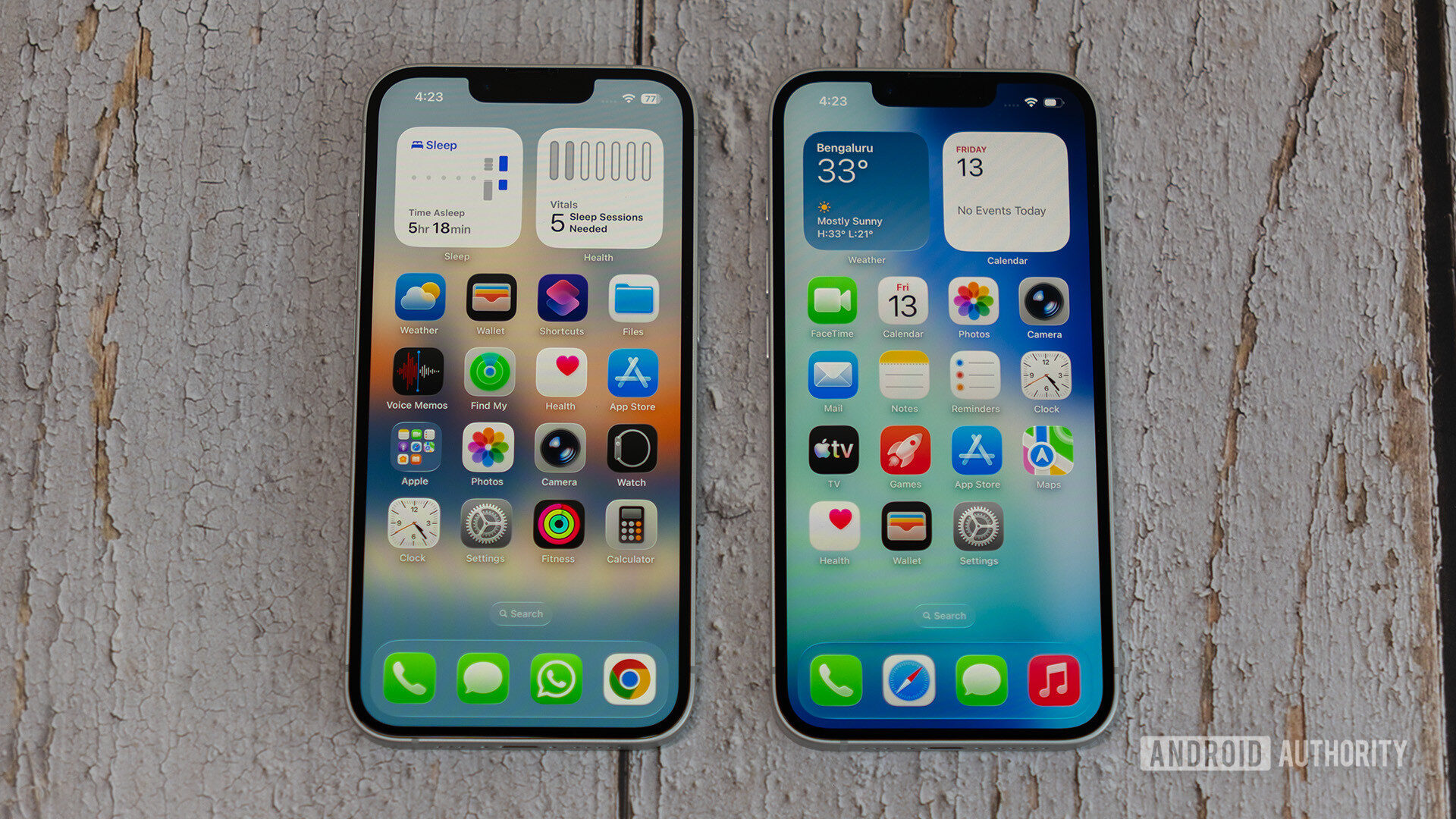
The most glaring obstacle standing in the way of an undisputed Apple victory is the current state of iOS multitasking. While iPadOS offers a glimpse into how Apple handles split-view and windowed environments, iPhones remain strictly tethered to a single-task paradigm. Translating this restrictive environment onto a foldable canvas without disrupting the tightly controlled iOS ecosystem will require a massive architectural shift. Apple is famously protective of its user experience, meticulously curating every interaction to prevent fragmentation. Granting users the freedom to freely resize windows, pin app pairs, or execute asymmetric split-screen layouts—features that have become second nature on Samsung’s Galaxy Z series—runs counter to Apple’s traditional design philosophy.
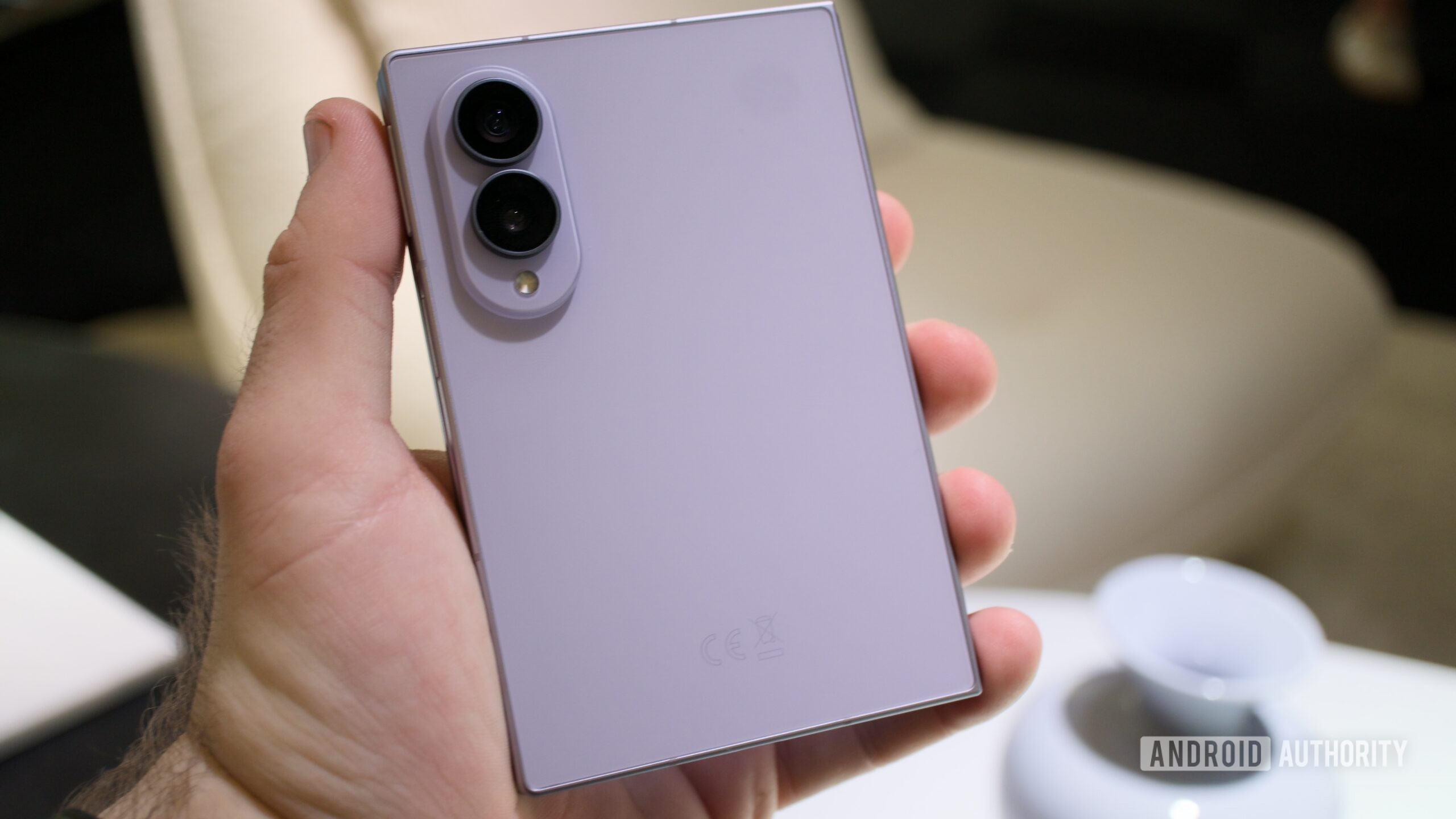
Conversely, Samsung has spent years refining the multitasking experience on its foldable devices. Despite various software complaints leveled against One UI over the years, Samsung’s execution of complex multi-window workflows is remarkably robust. Features like 90:10 screen splits, flexible window orientations, and dedicated app pairs provide an efficient environment for power users who rely on their devices for serious mobile productivity. iPadOS lacks this level of granular multitasking flexibility, raising serious questions about whether an iPhone Ultra would launch with the necessary software maturity to satisfy professional users out of the gate.
Beyond software, hardware engineering in the foldable sector is fraught with physical realities that cannot be bypassed simply through clever marketing. Hinges represent one of the most punishing mechanical challenges in modern consumer electronics. They must endure hundreds of thousands of actuation cycles while maintaining structural integrity and resisting microscopic dust and debris infiltration. Samsung’s iterative hardware journey has involved painful lessons, costly missteps, and continuous engineering refinements over multiple generations. When Apple eventually introduces its foldable handset, it will not be starting from a complete vacuum, but engineering a reliable, ultra-thin mechanical hinge that meets Apple’s exacting tolerances will inevitably experience early growing pains.
Furthermore, app continuity and ecosystem-wide developer support present a massive hurdle. Samsung and Google have successfully implemented robust software mechanisms that force unsupported applications to scale gracefully across expansive, unfolded displays. Cultivating a developer ecosystem that actively optimizes applications for a unique, folding aspect ratio requires years of community engagement and platform incentives. Apple has historically relied on strict developer guidelines, yet forcing millions of iOS developers to adapt apps for a volatile, unproven form factor before the hardware achieves mass-market scale will test developer patience. If Apple refuses to implement aggressive software-forced scaling, users could be greeted with letterboxed or poorly optimized applications, severely undermining the premium appeal of an ultra-expensive device.
Pricing dynamics will also play a decisive role in this unfolding rivalry. The foldable market is already characterized by high financial barriers to entry, with devices routinely commanding prices near or above the $1,900 mark. Given Apple’s aggressive margin targets and the expected cost of pioneering foldable OLED panels and hinge mechanisms, industry insiders widely project the iPhone Ultra to debut well north of $2,200. At that stratospheric price point, consumers who are not strictly locked into the Apple ecosystem may critically evaluate whether the Apple badge justifies a multi-hundred-dollar premium over refined Android alternatives that have already resolved foundational hardware quirks.
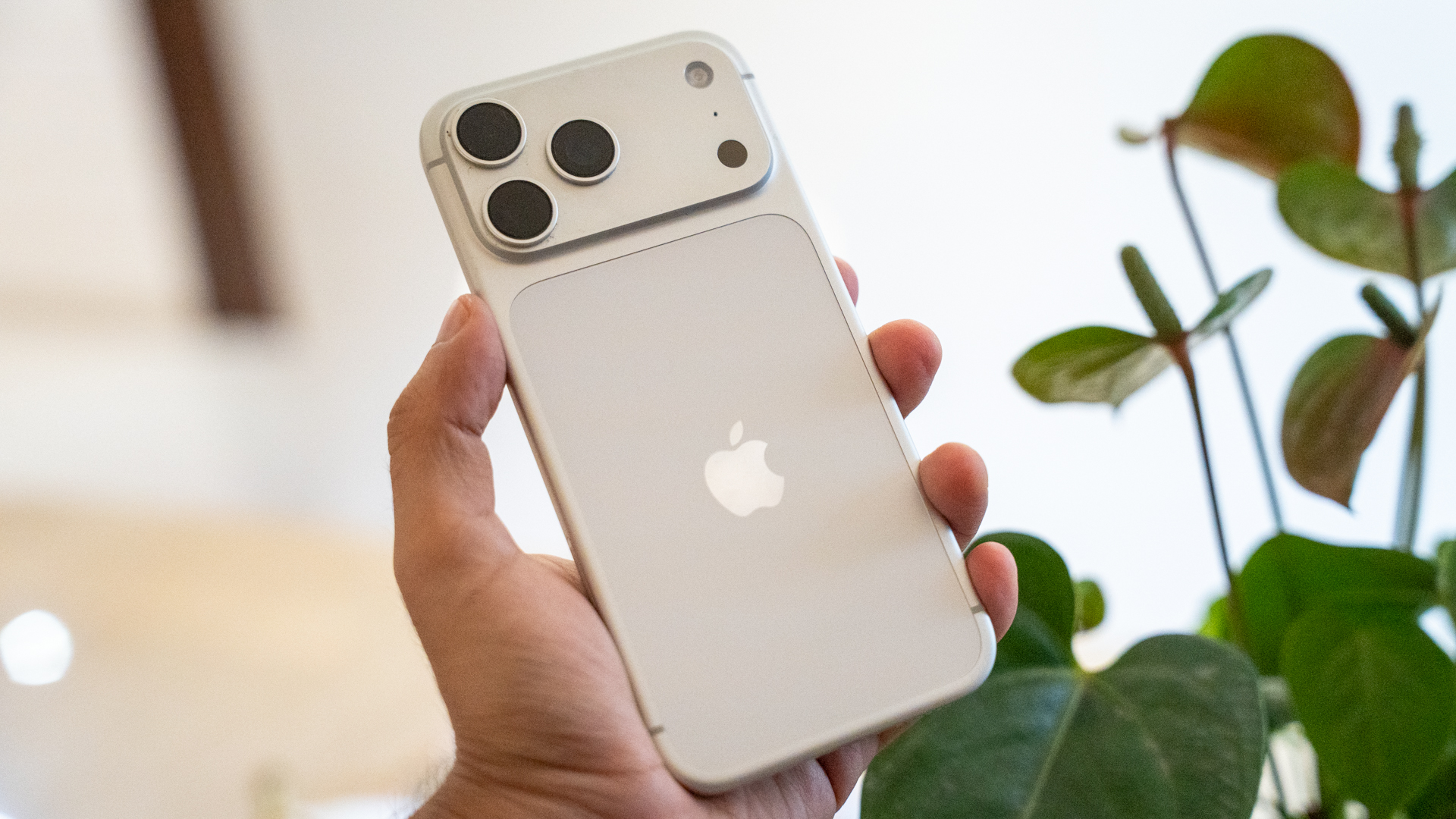
Despite these hurdles, dismissing Apple’s potential impact would be short-sighted. The tech giant possesses undeniable strategic advantages that could accelerate the mainstream adoption of foldables in ways smaller competitors cannot replicate. Chief among these is the undeniable gravity of the Apple ecosystem. Millions of consumers worldwide are deeply entrenched in iCloud, iMessage, and cross-device continuity features. For loyal iPhone users who have stubbornly refused to migrate to Android purely to experience a folding screen, the release of an Apple-branded foldable will represent a monumental milestone. The sheer pull of lifestyle branding, combined with Apple’s unmatched marketing apparatus, will instantly legitimize the foldable category for a massive demographic of mainstream consumers.
Moreover, artificial intelligence initiatives could serve as a powerful differentiator. While Apple Intelligence has experienced a mixed reception during its initial rollout, the long-term integration of on-device AI with deep historical data stores presents an intriguing value proposition. iPhone users frequently carry up to two decades of personal data, photos, documents, and preferences stored within iCloud backups. If Apple successfully leverages contextual AI to intelligently organize, surface, and recall this vast sea of personal information on an expansive folding display, the software experience could transcend simple multitasking and offer genuinely transformative utility.

Ultimately, the impending clash between Samsung and Apple in the foldable arena is shaping up to be a historic horse race rather than a one-sided coronation. Samsung enters the fray with a mature hardware lineup, refined multitasking mechanics, and years of invaluable user feedback that have shaped devices like the Galaxy Z Fold 8 into polished productivity powerhouses. Apple brings unmatched brand equity, a fiercely loyal ecosystem, and a proven talent for popularizing nascent product categories.
While the iPhone Ultra will undoubtedly capture significant market share and turn heads upon release, the assumption that it will effortlessly crush Samsung underestimates the complexity of foldable engineering and software optimization. The open, adaptable nature of Android has allowed Samsung to carve out a definitive leadership role in productivity-focused hardware. As both tech titans vie for dominance in the ultra-premium segment, consumers will ultimately benefit from the fierce competition, proving that the foldable market is robust enough to support multiple philosophies of mobile computing.
