

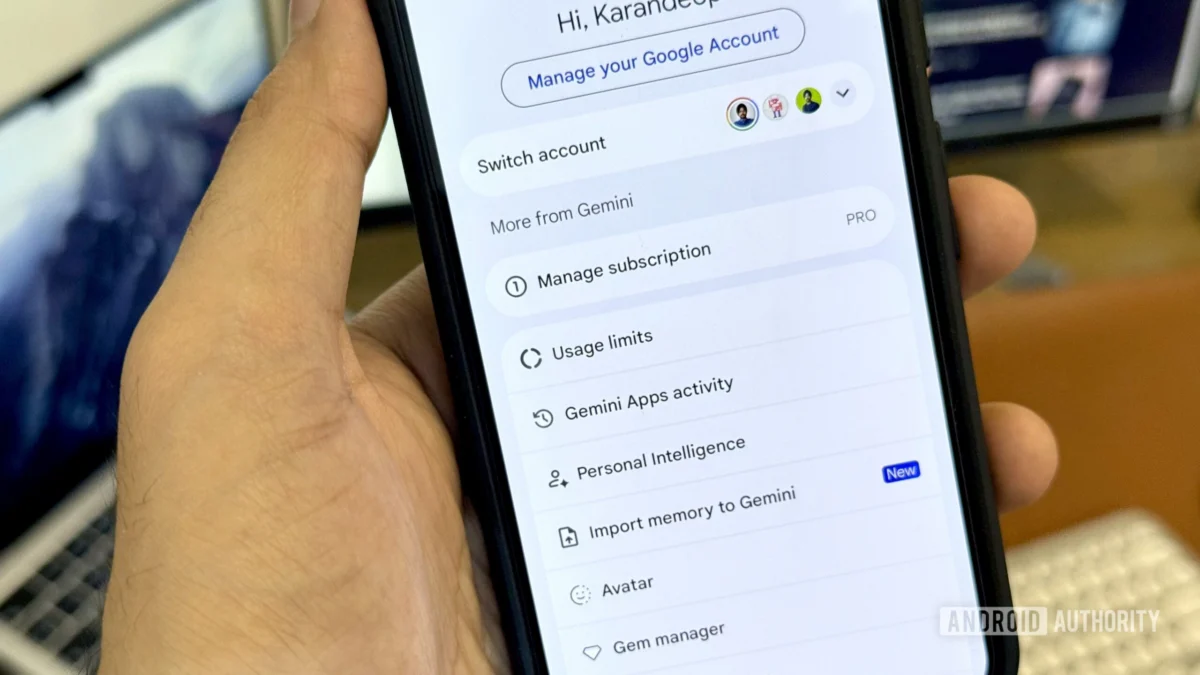
Long-time veterans of the mobile landscape often recall an era when acquiring a new smartphone came with uncomplicated digital perks. Chief among them was the complimentary 15-gigabyte storage allotment provided by Google upon setting up a fresh account. In the formative years of Gmail and early digital photo hosting, that threshold felt virtually limitless—a generous digital sandbox designed to foster loyalty and secure user data within a burgeoning ecosystem.
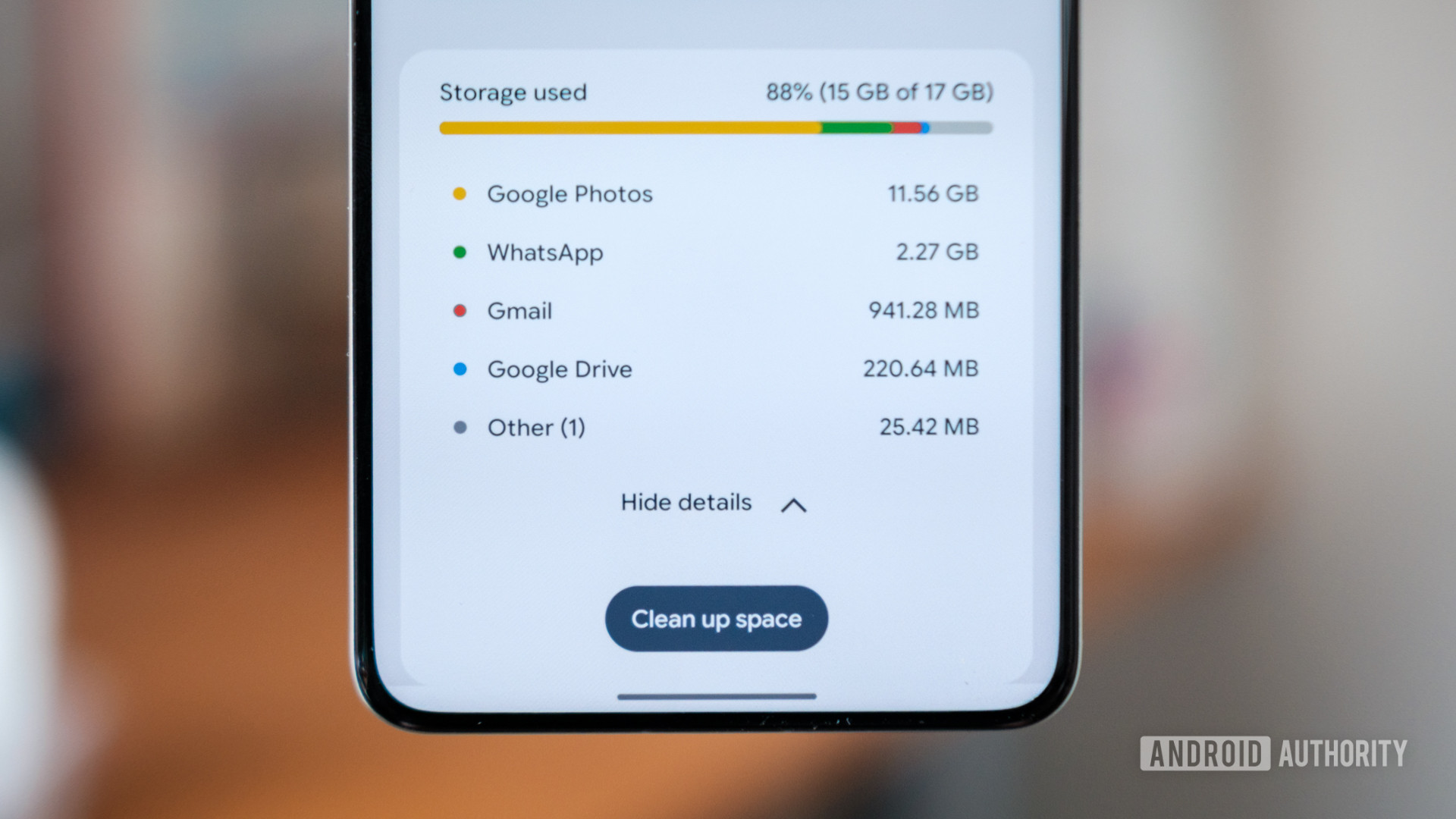
Fast-forward to the contemporary digital environment, and that once-spacious threshold has shrunk into a fleeting introductory allocation. Modern mobile usage habits have fundamentally transformed data consumption. High-resolution sensors, ubiquitous 4K video recording, expanded local cache sizes, and the inclusion of messaging application histories into standard cloud backups mean that the baseline 15-gigabyte tier can be exhausted in a matter of weeks. Running out of digital headroom is no longer an occasional inconvenience for power users; it has become a systematic hurdle for the average consumer.
Concurrently, the architectural framework of Google One has undergone a profound metamorphosis. Originally introduced as a straightforward, consumer-facing cloud locker for device settings, documents, and snapshots, it has steadily matured into the administrative backbone of the modern Android experience. Propelled by the massive technological pivot toward generative artificial intelligence and machine learning models, the service now acts as the gatekeeper for advanced features, cross-platform capabilities, and localized digital intelligence.
For the end user, this structural evolution presents a complex dichotomy. Depending on individual digital workflows, the integration of advanced cloud services and intelligence tools represents either a comprehensive, high-value utility bundle or an unavoidable paywall restricting fundamental device functionality. As mobile operating systems become increasingly dependent on server-side processing, the boundary between optional software enhancements and mandatory recurring fees continues to blur.

The Systematic Shrinking of Complimentary Capacity
To comprehend the current state of consumer friction regarding mobile cloud storage, one must examine the systematic policy shifts enacted over the past decade. The retirement of unlimited, compressed media backups served as the initial turning point, forcing users to account for every megabyte captured by their camera lenses. More recently, the decision to incorporate chat databases and associated multimedia from platforms like WhatsApp directly into the primary storage quota closed one of the last remaining loopholes for casual users.
Simultaneously, the physical footprint of smartphone backups has expanded exponentially. As camera technology advances, capturing pristine memories generates hefty files that immediately consume substantial portions of a new account’s capacity. For someone establishing a fresh profile today, the standard allotment operates less like a permanent digital home and more like a high-stakes trial period.
Once a user receives the inevitable notification that their email delivery will soon halt due to exhausted capacity, purchasing additional space ceases to be a discretionary choice. The alternatives—abandoning email accessibility or foregoing device backups—are entirely impractical for the modern digital citizen. This outcome is not accidental. By ensuring that baseline provisions are quickly outgrown, platform operators effectively steer the user base toward recurring billing structures. The prompt to upgrade is no longer confined to discrete application menus; it is woven directly into the daily operational fabric of the operating system.
The Financial Realities of Large-Scale Artificial Intelligence
The underlying economic drivers behind this contraction extend far beyond simple corporate profit margins, resting instead on the staggering infrastructure costs required to sustain modern artificial intelligence. Operating sophisticated language models and neural networks demands immense computational power, specialized silicon accelerators, and continuous electricity supplies. Keeping services like Gemini responsive across billions of active devices requires massive data center investments that dwarf the server expenditures of previous decades.
In earlier periods, offering free storage was a viable strategy subsidized by targeted advertising and foundational search data collection. Today, that economic model faces severe strain. Allocating massive server arrays to passive, unmonetized file storage becomes increasingly difficult to justify when those exact computational resources are urgently required to train and execute real-time generative intelligence tasks.
Furthermore, technology conglomerates must demonstrate tangible returns on their historic capital expenditures in artificial intelligence to satisfy market stakeholders. Converting free-tier mobile users into reliable, recurring monthly subscribers provides the predictable revenue streams required to offset these monumental investments. Consequently, cloud subscriptions have evolved into general venture funds for broader technological ambitions, with the erosion of legacy free perks serving as an inevitable byproduct of this transition.
From Passive Data Storage to Intelligent Ecosystem Bundles
Despite the frustration surrounding diminishing complimentary tiers, the value proposition of paid tiers has evolved significantly for enthusiasts and heavy users. Google One has successfully expanded from a basic repository for documents into an integrated productivity and smart home ecosystem.

A review of premium subscription tiers reveals a deliberate strategy of feature accumulation. By bundling expansive storage allotments with advanced artificial intelligence suites—such as enhanced writing assistants embedded within office software, sophisticated image editing algorithms, and priority access to cutting-edge computational models—the service positions itself as a comprehensive digital membership. Furthermore, the integration of smart home device enhancements, advanced security camera history retention, and hardware store rewards creates a multifaceted value proposition for households deeply invested in a specific hardware ecosystem.
When evaluated against standalone subscriptions for professional artificial intelligence tools or independent cloud drives, top-tier bundled packages often present competitive pricing structures. The ability to partition substantial storage capacities among multiple family members simplifies household digital management, transforming a simple software fee into a shared utility.
The fundamental tension, however, lies in the conflation of distinct consumer segments. On one end of the spectrum reside technology enthusiasts who readily invest in cutting-edge computational tools, advanced automation, and smart home integration. On the other end are casual device owners who require nothing more than basic, reliable backups for personal photographs and contacts. By restricting baseline utility, the current architecture compels everyday consumers into the same financial pipelines designed for high-end power users.
Future Trajectory and Industry-Wide Implications
As the tech sector accelerates deeper into an era defined by subscription-based software models, the long-term outlook for consumers remains a subject of intense industry analysis. Initial pricing strategies and heavily value-packed tiers are classic market-entry tactics designed to accelerate adoption, establish ecosystem lock-in, and outpace competing platforms.
However, historical precedent suggests that promotional pricing structures rarely remain static indefinitely. Once a consumer base accumulates years of personal history, memories, and workflow documents within a proprietary cloud architecture, the friction of migrating to an alternative provider increases exponentially. This high switching cost affords service providers considerable leverage regarding future pricing adjustments.
As recurring software fees continue to expand across the consumer technology landscape, mobile operating systems are undeniably shifting toward continuous monetization models. While the immediate utility of modern cloud and intelligence bundles remains attractive to many, the overarching trend signals a permanent departure from the era of frictionless, complimentary utility. Owning a modern smartphone increasingly means accepting that essential operational features are permanently tied to an ongoing subscription commitment.
