

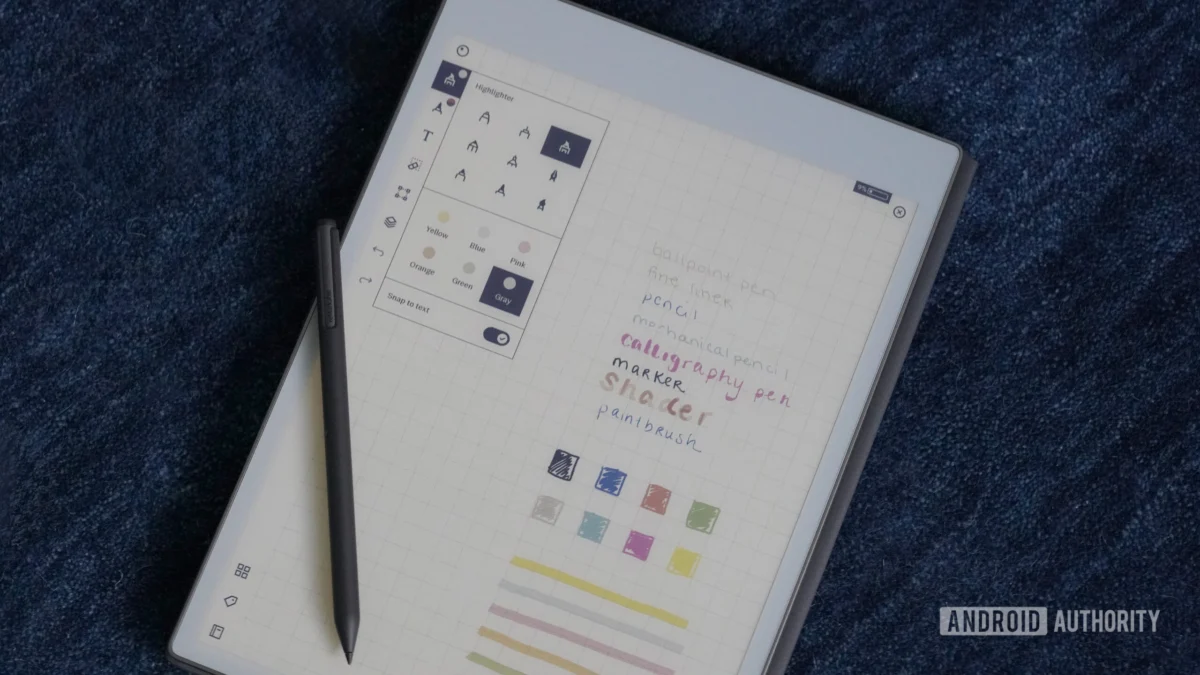
The recent murmurings surrounding a forthcoming device from ReMarkable, tentatively dubbed the "Paper Pure," signal a potentially pivotal shift for the niche e-ink manufacturer. Leaks suggest this iteration is being framed as a "mass-market" offering, slated for release in the second fiscal quarter. While concrete specifications remain tantalizingly scarce—currently limited to a single speculative image and brief descriptive text—the very concept of a more accessible ReMarkable invites critical scrutiny. For a company that has successfully carved out a premium, focused segment of the digital paper market, transitioning to a broader consumer base requires more than just a new name; it demands strategic evolution across hardware, software, and pricing structures. Analyzing the current landscape of e-ink competitors and the long-standing user feedback for the existing ReMarkable 2 and Paper Pro lines, several key areas emerge where the Paper Pure must succeed to justify its mass-market ambitions.
1. Aggressive and Transparent Pricing Strategy
The most immediate barrier to entry for the ReMarkable ecosystem has always been its premium pricing, which often requires significant additional investment beyond the base unit. The current flagship, the ReMarkable 2, starts near the $400 threshold, but the true cost, including essential accessories like the Marker Plus stylus (necessary for the eraser function) and a protective folio, quickly pushes the total expenditure north of $500. The higher-tier Paper Pro model easily commands between $600 and $700 depending on configuration. This positions ReMarkable firmly against budget-friendly e-readers and more feature-rich Android-based e-ink tablets, making a strong value proposition difficult for the casual user to accept.
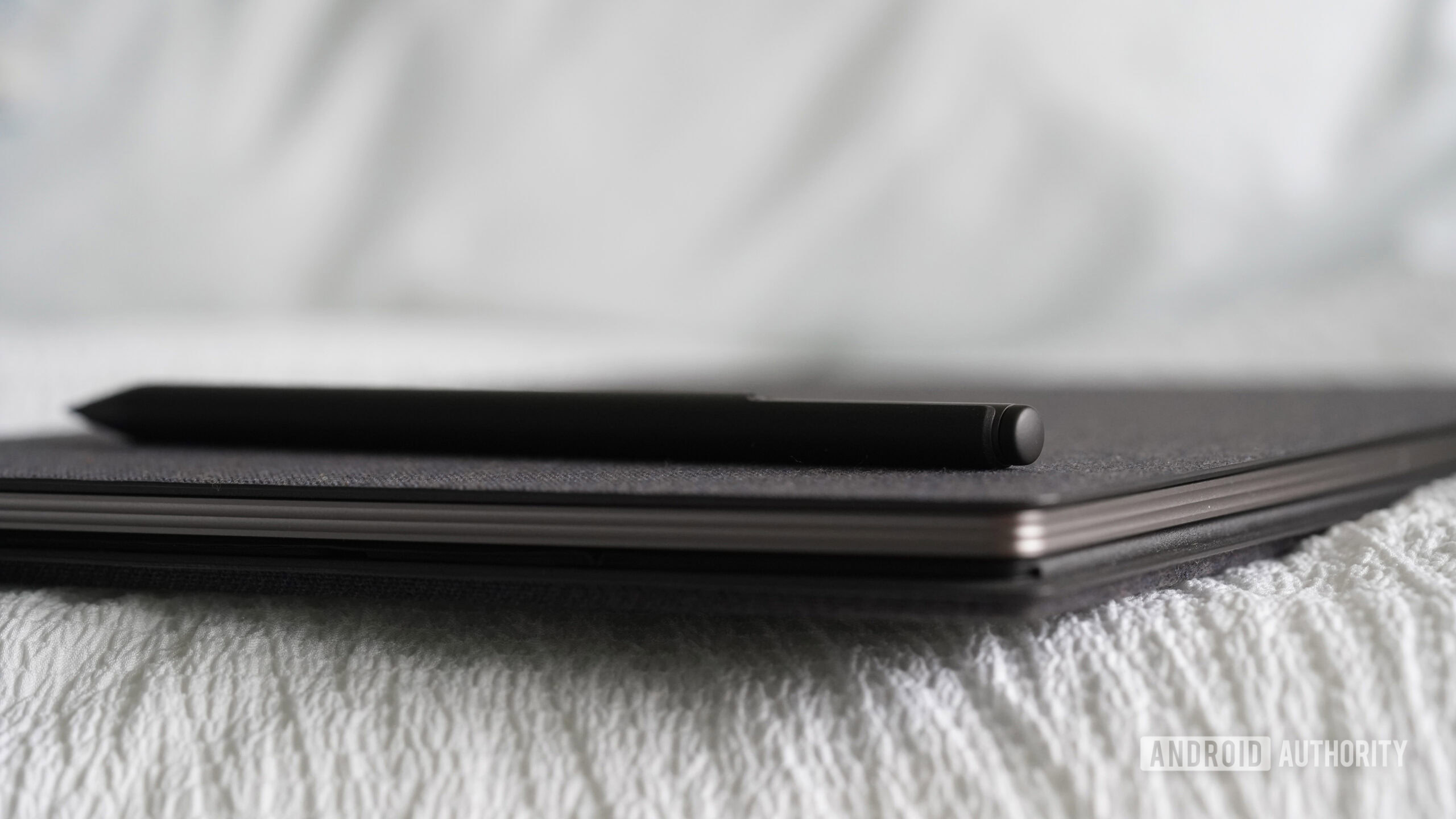
If the Paper Pure is genuinely targeting the mass market, the pricing architecture must fundamentally change. "Mass market" implies accessibility, not just a slightly cheaper starting point. Ideally, the Paper Pure should aim for a bundled price point—device, basic stylus, and perhaps a simple sleeve—that sits comfortably in the $299 to $349 range. Furthermore, ReMarkable must reconsider its peripheral monetization strategy. Competitors often include basic writing capabilities out of the box. For the Paper Pure to succeed broadly, the base package needs to feel complete, eliminating the immediate sting of needing to purchase $100+ in accessories just to unlock core functionality. A simplified, all-in price is crucial for cutting through consumer hesitation.
2. A Quantum Leap in Performance and Responsiveness
The visual design of the rumored Paper Pure, potentially utilizing the existing chassis of the Paper Pro, suggests that any significant upgrade might be internal, focusing on the core user experience: writing latency. The sublime "paper feel" ReMarkable champions is contingent upon the software rendering the digital ink almost instantaneously. While excellent on the current generation, there are noticeable performance bottlenecks, especially when navigating large documents, flipping between numerous notebooks, or utilizing handwriting conversion features. These lags break the immersion that justifies the premium nature of the device.
For a device positioned for broader adoption, the user experience must be flawlessly smooth. This necessitates a significant upgrade to the processing unit and potentially the operating system kernel, moving beyond incremental updates. We need an architecture capable of handling complex PDF annotations and large file indexing without hesitation. The UI refresh rate needs to approach true parity with the speed of pen movement. Any hint of ghosting or delayed ink appearance will immediately categorize the Paper Pure as merely a cosmetic refresh rather than a meaningful hardware iteration, which is untenable if it is meant to compete against faster-refreshing e-ink devices from established players like Amazon or Kobo, which now offer quicker navigation even if their writing experience isn’t as refined. The internal components must reflect the desire for a high-performance productivity tool, not just a digital notepad.
3. Unwavering Commitment to High-Contrast Grayscale
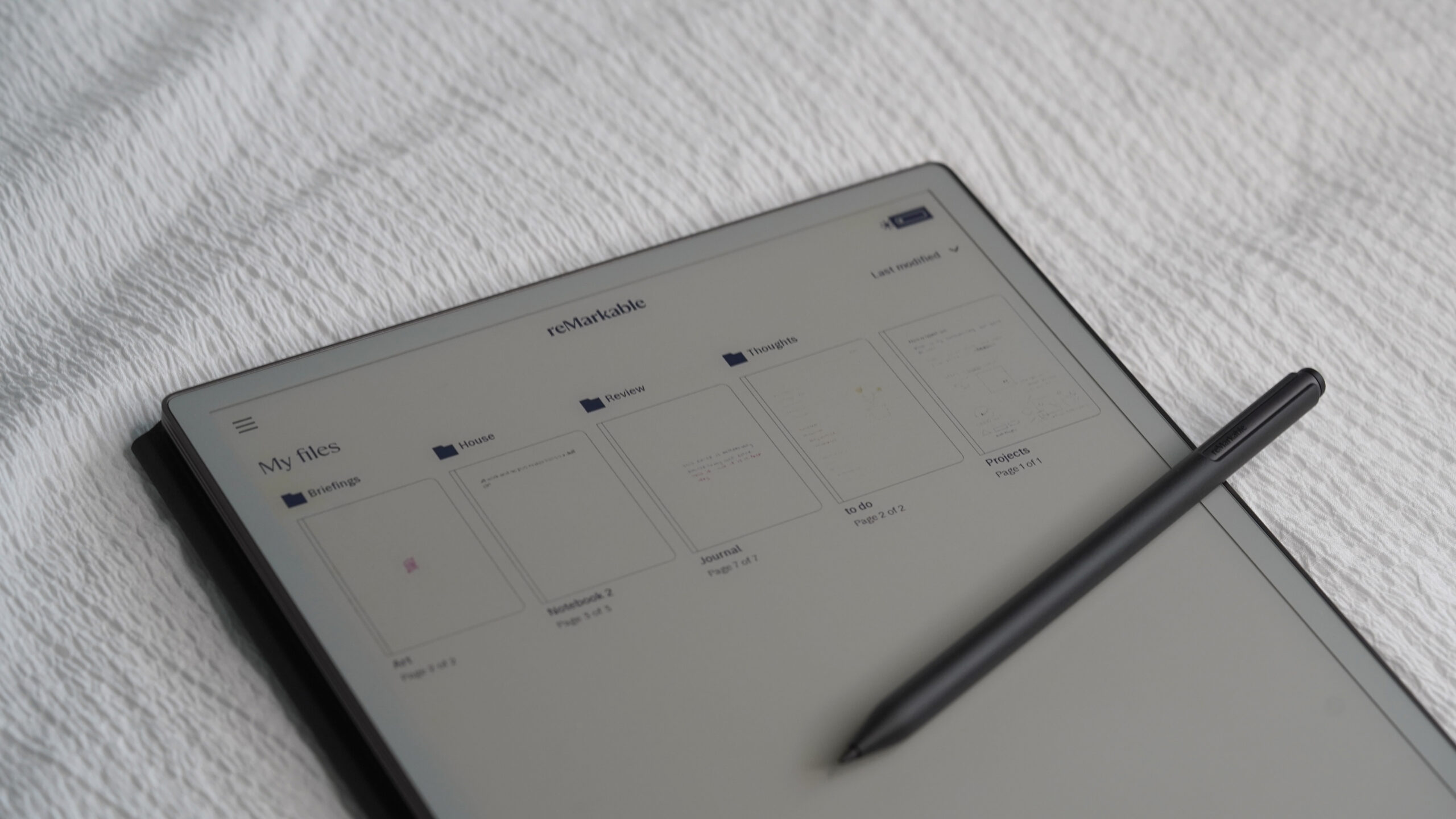
In the evolving e-ink sector, the integration of color e-paper technology has become a significant differentiator. Devices leveraging Kaleido or similar color layers promise richer document viewing, diagramming, and even basic photo viewing. However, this technological advancement historically introduces compromises: reduced contrast ratios, lower sharpness (PPI), and often, a duller, muddier appearance compared to dedicated monochrome displays.
If the "Pure" moniker implies a return to foundational excellence, ReMarkable should emphatically resist the temptation to incorporate color E Ink panels in this model. The brand’s core strength lies in its unparalleled, high-contrast, monochromatic writing surface—the closest digital simulation of high-quality paper available. Sacrificing this visual fidelity for the sake of mediocre color would alienate the dedicated user base while likely failing to impress users looking for vibrant displays, as current color technology remains suboptimal for extended reading or detail-oriented work. The Paper Pure should double down on perfecting the black-and-white experience, perhaps by utilizing the latest generation of monochrome screens that offer superior contrast ratios (e.g., Carta 1200 or next-gen panels), ensuring the clarity of the writing experience is demonstrably sharper than its predecessors. Industry analysis suggests that for focused note-taking and document review, monochrome remains king; mass appeal should follow clarity, not gimmicks.
4. Comprehensive Software Feature Maturation
ReMarkable has long operated under a philosophy of minimalism, prioritizing a distraction-free writing environment. While this focus is appreciated, it has often resulted in features feeling underdeveloped or crucial functionalities being entirely absent, leading to user frustration. For the Paper Pure to appeal to a broader audience—which includes students, project managers, and general office workers—the software layer must mature beyond its current capabilities.
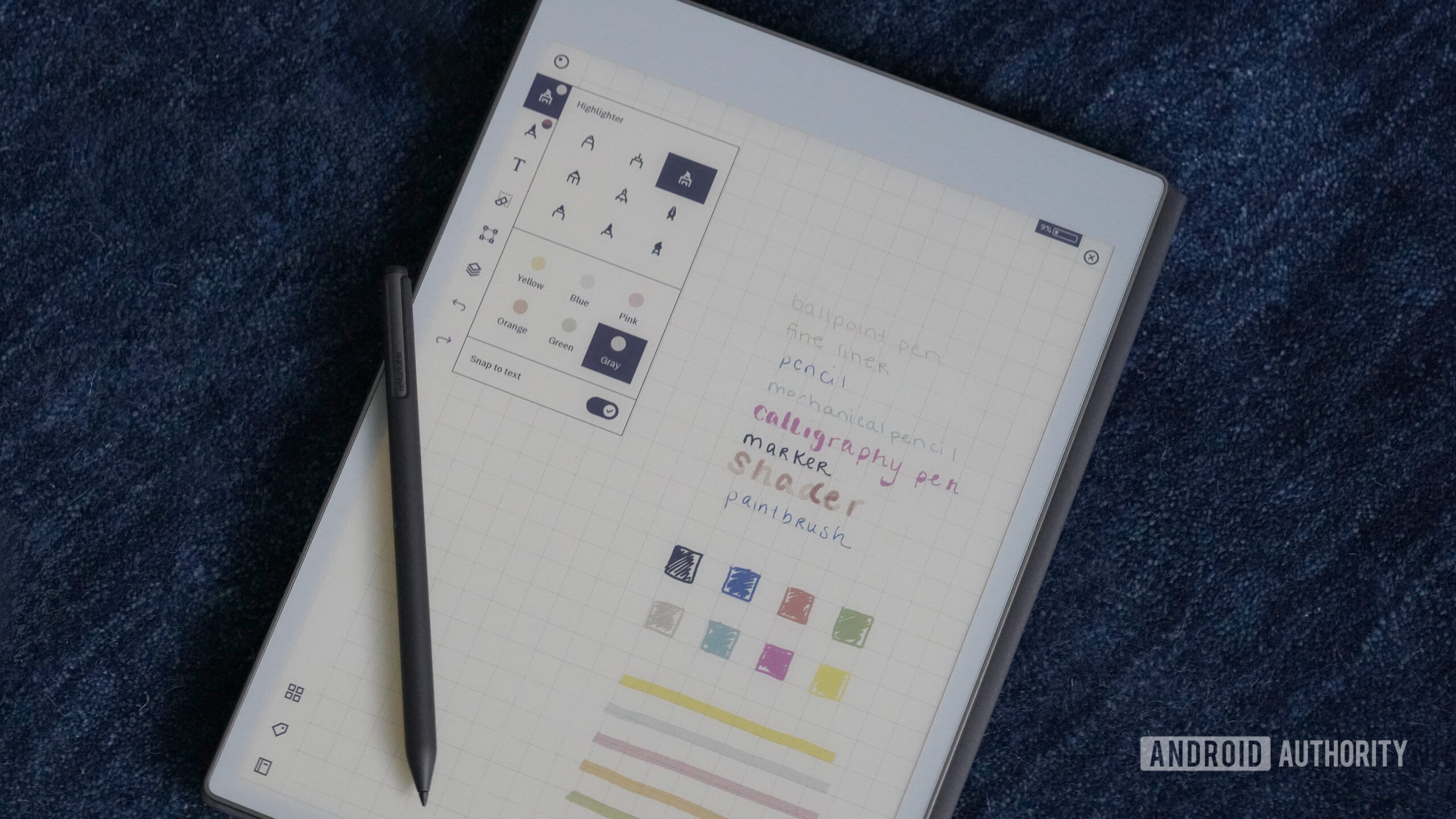
This maturation requires significant investment in three key areas: Document Handling, Note Interoperability, and Sync Reliability. Document handling needs robust support for complex organizational structures, better folder management (perhaps introducing nested folders), and crucially, advanced PDF manipulation—including dynamic reflow for smaller screens and precise annotation layers that don’t interfere with the base document. For note interoperability, while handwriting recognition is present, its utility is hampered by clunky export formats and limited customization for templates. A truly mass-market device needs seamless integration with existing enterprise tools, perhaps improved native synchronization with platforms like OneDrive or Google Drive, beyond the current limited cloud offering. Furthermore, the rumored "Pure" name might suggest a stripped-down experience, but if that streamlining means sacrificing the reliability of cloud sync or introducing more friction into the workflow (e.g., requiring multiple steps to share a single page), it will fail to resonate with users accustomed to the instantaneity of modern productivity software.
5. Eliminating the Subscription Model for Core Value
The implementation of the Connect subscription service has been one of the most contentious decisions in ReMarkable’s recent history. While the company argues that ongoing development requires recurring revenue, charging existing premium hardware owners for features that feel integral to the modern digital experience—such as unlimited cloud storage, enhanced conversion tools, and integration with third-party services—is perceived as punitive by many long-time users.
If the Paper Pure is designed to attract a wider audience, it must present a clear, upfront value proposition. The mass market is often price-sensitive and actively resists subscription fatigue. A device priced competitively must justify its cost entirely at the point of sale. This means that features essential for professional use—like robust cloud backup and sophisticated document conversion—should be baked into the hardware cost. If ReMarkable insists on a subscription tier, it must be strictly for value-added, non-essential services (e.g., advanced analytics or specialized enterprise integrations), leaving the core functionality of writing, syncing, and basic conversion accessible to all owners. The current model creates an artificial devaluation of the hardware for those who choose not to subscribe, a strategy ill-suited for achieving true mass-market penetration.
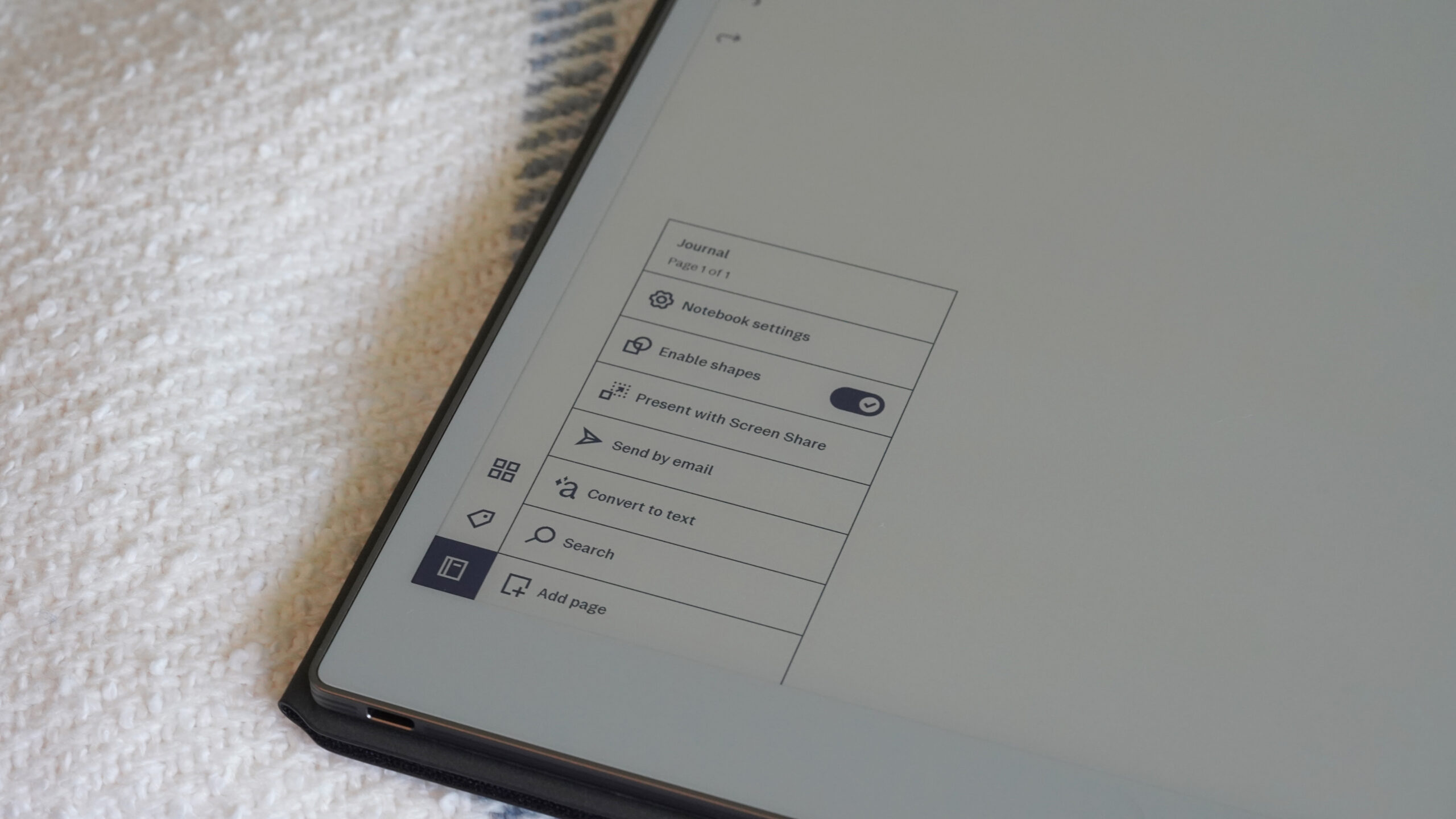
6. Integrating Ambient Illumination (The Necessary Compromise)
Finally, while the design ethos of ReMarkable strongly emphasizes replicating the experience of writing on physical paper, this commitment creates a significant usability constraint: dependence on external light sources. The current devices demand adequate ambient lighting for comfortable use, a stark contrast to the pervasive standard in the modern e-reader market established by competitors like Kindle and Kobo.
For the Paper Pure to transition successfully into a daily carry device for a general consumer base, integrated frontlighting is an operational necessity, even if it represents a philosophical deviation. The industry trend is inexorably moving toward devices usable in any environment, from dimly lit lecture halls to late-night reading sessions. The key for ReMarkable would be implementation refinement. Rather than harsh, blue-tinted illumination, the Paper Pure should incorporate a sophisticated, warm-toned frontlight system, possibly employing dual-tone LEDs that allow users to adjust the color temperature. This subtle integration would provide the necessary utility for low-light conditions without drastically altering the perceived texture or reflection properties of the screen surface during daytime use. Rejecting this feature in the name of purity risks rendering the Paper Pure obsolete against rivals that seamlessly blend paper-like writing with digital convenience.
Industry Implications and Future Trajectory
The rumored launch of the Paper Pure is more than just a hardware update; it represents ReMarkable’s strategic pivot toward scaling its business model. If they succeed in balancing aggressive pricing with performance improvements, they could capture significant market share from consumers currently using basic e-readers for note-taking or feeling priced out of the premium niche. However, failure to address the core issues of performance latency and pricing transparency could result in a device that alienates its existing loyal base without attracting the broader market segment it seeks. The e-ink tablet market is maturing rapidly, with specialized competitors focusing on Android-based operating systems offering feature parity alongside superior processing power. ReMarkable’s success with the Paper Pure will hinge on whether it can maintain its unique, focused appeal while delivering the foundational performance and value that mainstream consumers now expect from premium portable technology. The next quarter will reveal if the "Pure" vision is one of essential refinement or missed opportunity.
