

The continuous pursuit of desktop-tier fidelity within the constrained thermal envelopes of handheld devices has long defined the bleeding edge of semiconductor engineering. For years, mobile graphics processing units have closed the performance gap with their integrated personal computer counterparts, steadily adopting sophisticated rendering paradigms such as real-time ray tracing. However, while desktop graphics cards and current-generation gaming consoles have aggressively leaned into neural network-assisted resolution scaling and frame interpolation to effortlessly achieve high-refresh-rate, high-resolution gaming, the mobile landscape has largely relied on brute-force rasterization and traditional scaling techniques. This paradigm is shifting fundamentally. The arrival of deeply integrated neural graphics accelerators within handheld architectures signals a watershed moment for the ecosystem, promising to redefine how graphical rendering, power management, and visual fidelity intersect in the palm of your hand.
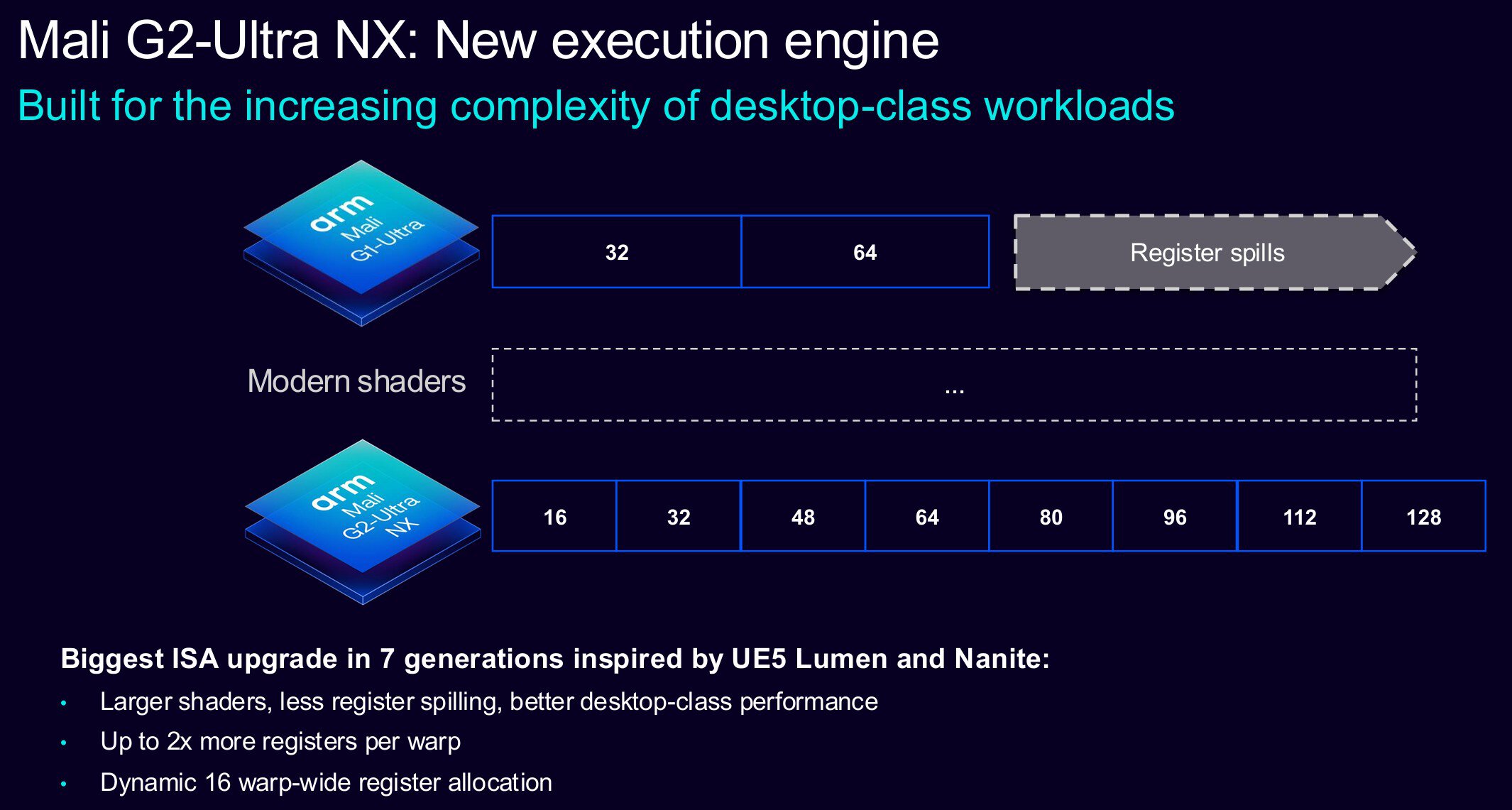
At the center of this technological leap is the architectural overhaul introduced in Arm’s latest generation of graphics processors. Moving beyond incremental generational upgrades, the newly structured series fundamentally re-engineers execution engines to accommodate massive desktop-class shaders. By doubling the register count per warp—expanding from traditional limitations to a robust 128 registers—and introducing dynamic allocation steps, these modern chips eliminate the catastrophic performance penalties historically associated with register spilling. When executing complex, heavy-duty graphical pipelines such as Unreal Engine’s advanced geometry and dynamic global illumination toolsets, the hardware maintains high instruction throughput without constantly bottlenecking on external DRAM bandwidth. This represents the most profound structural shift in mobile GPU engineering in recent memory, bridging the architectural divide between desktop environments and handheld silicon.
Compounding these rasterization enhancements is a thoroughly redesigned hardware ray-tracing pipeline. Advanced ray tracing has historically proved punishing for battery-powered form factors due to the immense memory traffic and computational overhead required to calculate light bounces, reflections, and shadows. The latest hardware addresses this by implementing a refined, highly compact triangle representation format. By utilizing shared edges to eliminate redundant data duplication, the architecture successfully maximizes cache utilization and reduces off-chip memory traffic by significant margins. Furthermore, the inclusion of hardware-accelerated opacity micromaps bridges the final gap necessary to bring complex, photorealistic geometry and transparent surfaces into mobile titles without crushing thermal limits or draining batteries prematurely.
Yet, the most transformative development within this hardware generation is not merely raw computational power, but the introduction of native, localized neural acceleration directly inside the GPU fabric. By embedding a dedicated neural accelerator within the shader core itself—operating under an exceptionally lean power budget—manufacturers are empowering devices to execute complex machine learning tasks in real time alongside traditional rendering passes. This hardware block is architected with distinct frequency scaling, operating at multiples of the core clock while maintaining strict memory coherency with the rest of the graphical subsystem. The practical implications of this integration are profound, shifting the burden of high-resolution rendering away from brute-force pixel shading and toward intelligent, AI-driven reconstruction.
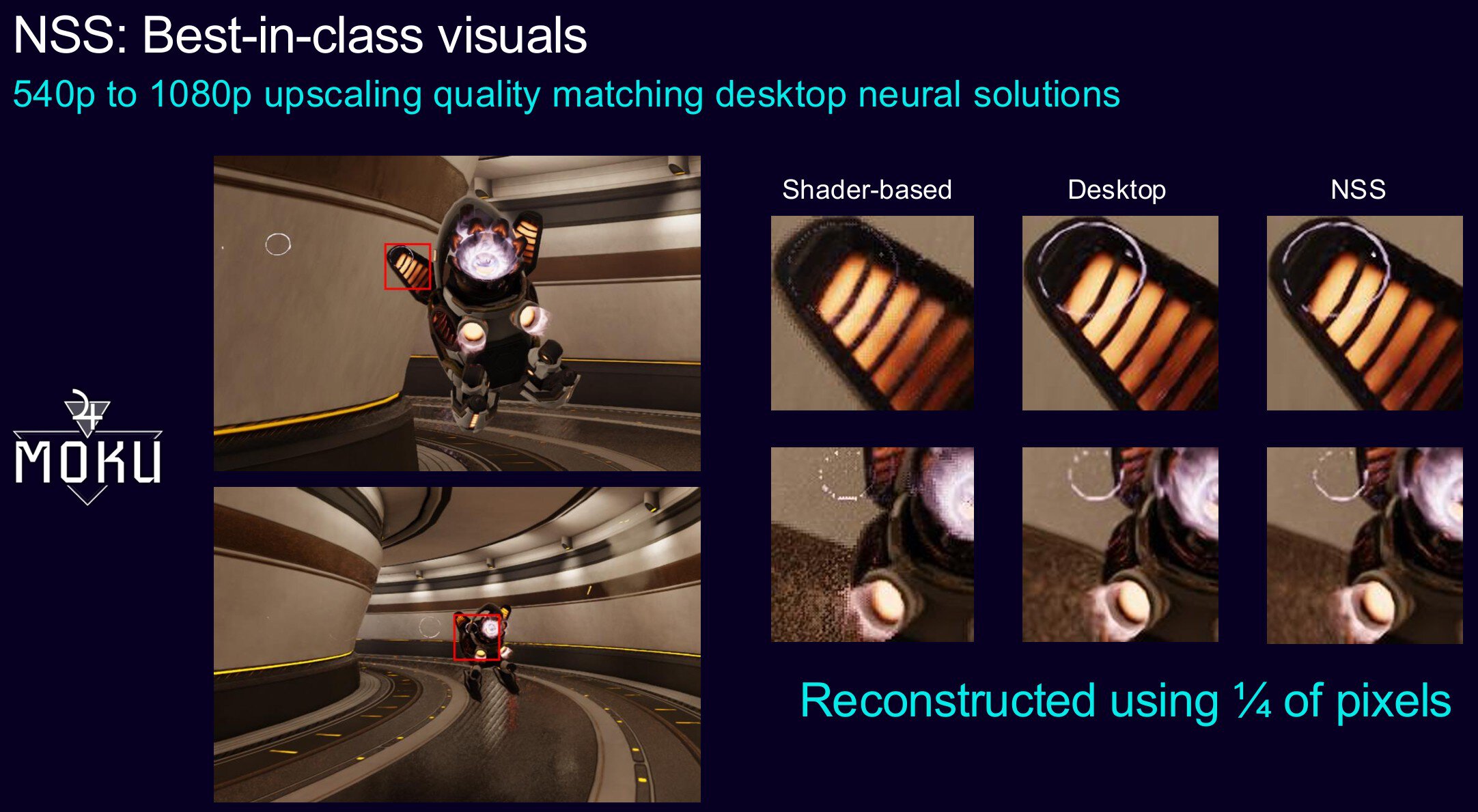
The methodologies enabled by this dedicated neural hardware mirror the trajectory of desktop technologies like DLSS, FSR, and XeSS, yet they are meticulously tailored to the unique constraints of mobile power profiles. Neural Super Sampling utilizes deep learning models trained on rich in-game datasets to reconstruct high-resolution frames from low-resolution inputs, requiring only a fraction of the traditional rendering effort. By operating on a fraction of the native pixel grid—such as upscaling cleanly from a lower base resolution to full high-definition standards—the system dramatically reduces thermal output while retaining temporal stability, mitigating the jitter and ghosting artifacts common to legacy temporal anti-aliasing methods. Additionally, integrated denoising passes handle ray-traced reflections in the same computational window, streamlining a pipeline that would otherwise cripple a mobile processor.
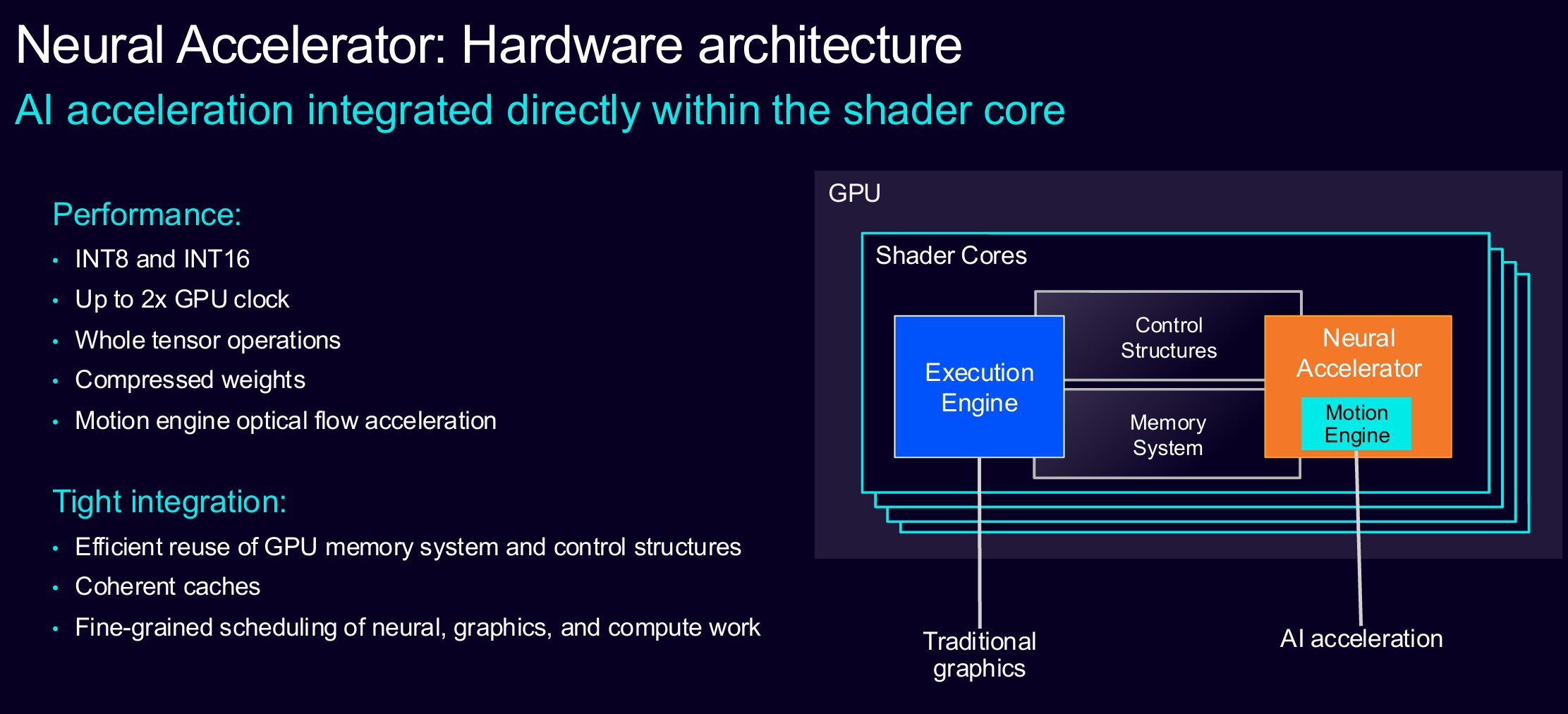
Beyond spatial upscaling, the integration of hardware-accelerated optical flow estimation and dedicated motion engines paves the way for advanced frame interpolation techniques. By analyzing depth data and motion vectors across sequential frames, the neural architecture can synthesize intermediate frames to double perceived fluidity without proportionally increasing the rendering workload on the core shader pipelines. While the prospect of interpolated or "fake" frames inevitably sparks debate among purists regarding input latency and visual artifacts, the economic and thermal realities of mobile hardware necessitate alternative solutions for sustaining high frame rates. Handheld devices operate under strict thermal dissipation constraints that make traditional 60-fps or 120-fps native rendering unsustainable for extended gaming sessions. AI-assisted generation offers a viable pathway to sustained smoothness without triggering thermal throttling.
The industry-wide implications of embedding neural accelerators directly into mobile GPUs extend far beyond raw benchmark scores. As developers increasingly adopt Vulkan ML standards and custom neural models tailored for specific titles, the barrier to deploying cinematic gaming experiences on smartphones and tablets lowers considerably. This shift encourages game studios to target scalable architectures that leverage machine learning not as an afterthought, but as a foundational pillar of their rendering pipelines. Consequently, consumers can anticipate a future where AAA ports and visually ambitious mobile-native titles deliver uncompromised fidelity, fluid motion, and extended play times on a single battery charge.
Ultimately, this semiconductor evolution represents a maturation of the mobile gaming medium. By marrying desktop-grade shader flexibility with ultra-efficient neural processing, the industry is overcoming the physical limitations that have historically restricted handheld graphics. Whether these advanced rendering techniques become the universal standard for portable entertainment will depend on developer adoption and software optimization. However, the foundational hardware is now firmly in place, ensuring that the next generation of Android devices will not merely emulate desktop gaming, but chart an independent, highly efficient course toward the future of interactive digital entertainment.
