

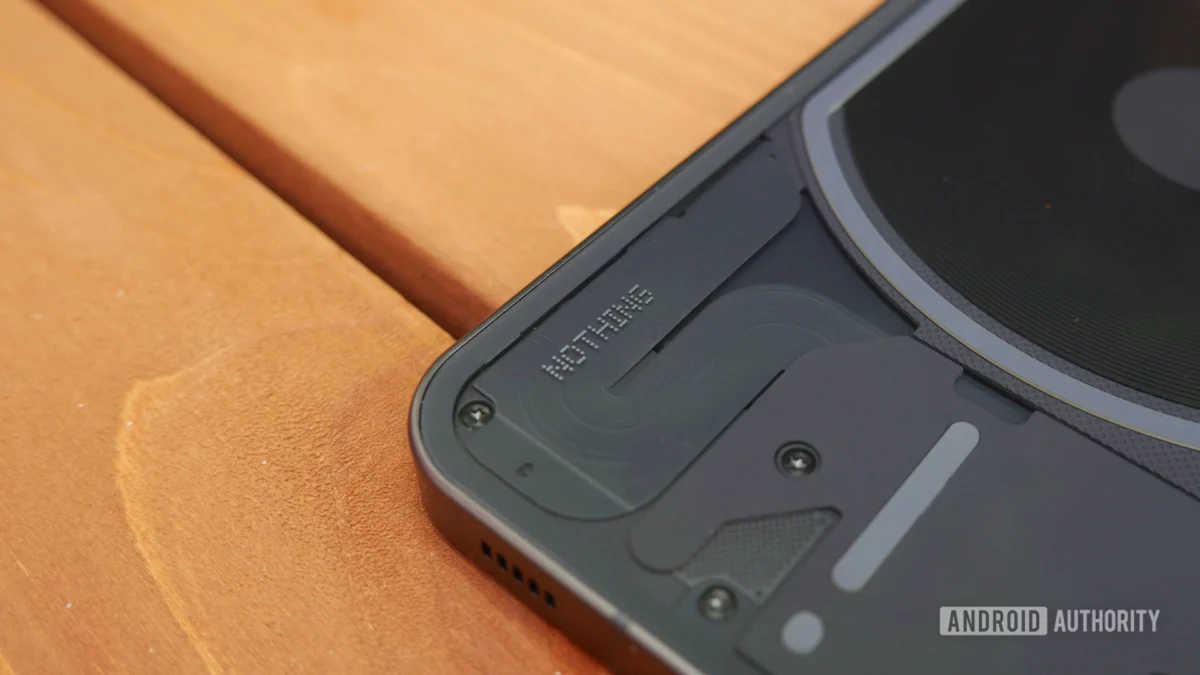
The modern consumer technology landscape is dominated by multi-billion-dollar conglomerates operating behind closed doors, releasing products engineered in sterile labs with minimal public feedback until launch day. Against this backdrop of corporate secrecy, London-based hardware disruptor Nothing has consistently charted an alternative course. By actively blurring the line between manufacturer and consumer, the company has cultivated a culture of radical transparency. Its latest initiative, the newly relaunched Community Review Program, represents a masterclass in participatory product development, offering fervent tech enthusiasts an unprecedented opportunity to preview, evaluate, and potentially influence unreleased hardware and software iterations long before they hit global retail shelves.
For enthusiasts whose digital appetites are whetted by bleeding-edge technology, securing early access to unannounced devices is the ultimate validation of their passion. Nothing’s official announcement confirming the opening of a fresh application window has sent ripples of excitement across enthusiast forums and social media channels alike. Those who watched from the sidelines during previous cohort rollouts now find themselves handed a second chance to bridge the gap between passive consumerism and active product incubation. This is not merely a marketing gimmick or a glorified giveaway; it is a meticulously structured engineering feedback loop designed to leverage the collective expertise of a globally distributed user base.
At its core, the Community Review Program serves as an empirical crucible. Selected participants are entrusted with confidential prototypes, software builds, and pre-production units that embody Nothing’s signature industrial design language. Yet, the responsibility extends far beyond simply unboxing shiny gadgets and posting superficial impressions online. Participants are granted a direct communication channel with Nothing’s internal engineering, product management, and design squads. This pipeline allows end-users to voice critique, report elusive software bugs, suggest usability enhancements, and contribute directly to the iterative refinement of future ecosystem pillars. In an industry where traditional focus groups often feel overly sanitized and detached from reality, Nothing’s approach injects genuine grassroots perspective back into the development lifecycle.
Analyzing the criteria for this ongoing recruitment drive reveals a fascinating portrait of what Nothing values in its evangelists. While the corporation explicitly welcomes everyday tech enthusiasts who possess little more than an unbridled passion for consumer electronics, it is simultaneously casting a wide net for specialized creative talent. Applications highlighting proficiency in 3D animation, graphic design, music and sound production, and professional product review writing are given particular weight. This multifaceted requirement hints at the holistic nature of Nothing’s hardware philosophy. Audio engineering, visual user interfaces, tactile feedback, and industrial aesthetics must all harmonize seamlessly. By enlisting specialists from these diverse creative domains, Nothing ensures that its upcoming device portfolio is scrutinized not just for raw processing power or thermal efficiency, but for holistic sensory experience.
The psychological and sociological implications of this crowd-sourced testing paradigm extend deep into modern brand loyalty. When a consumer transitions from being a mere purchaser to an active stakeholder—someone whose documented feedback might alter the final speaker tuning of a wireless earbud or tweak the animation fluidity of a custom Android launcher—their emotional investment in the brand multiplies exponentially. This grassroots advocacy is infinitely more potent than any paid influencer campaign or traditional billboard advertisement. It transforms ordinary buyers into zealous brand ambassadors who carry emotional ownership of the product’s success.
Reflecting on the historical trajectory of Nothing since its inception, this community-centric strategy has been baked into its corporate DNA from day one. Long before shipping its inaugural smartphone, the brand invited its earliest supporters to invest financially via equity crowd-funding campaigns, establishing a precedent of financial and intellectual partnership. Subsequent product launches—ranging from transparently styled true-wireless audio gear to uniquely illuminated smartphones—have consistently doubled down on this ethos. The community review framework is the logical evolutionary step of this philosophy, scaling localized feedback loops into a structured, global testing apparatus.
However, executing a decentralized testing program of this magnitude is not without significant logistical hurdles. Cybersecurity and supply chain confidentiality remain paramount concerns for any hardware manufacturer. Entrusting unreleased, highly sensitive prototypes to members of the general public introduces inherent risks of premature leaks, intellectual property theft, and design espionage. To mitigate these vulnerabilities, Nothing enforces strict non-disclosure agreements and vetting procedures. Prospective candidates must endure a rigorous application gauntlet designed to gauge their discretion, technical literacy, and analytical communication skills. Consequently, the company issues a clear disclaimer during every recruitment cycle: submitting an application guarantees nothing, and only a meticulously filtered fraction of applicants will ultimately receive an allocation.
Geographical and regulatory complexities also shape the contours of this program. Notably, the current recruitment iteration once again excludes consumers residing in India—a massive, highly lucrative market where Nothing maintains a remarkably robust and vocal consumer base. While the exclusion may sting local fans eager for early access, it often stems from localized regulatory frameworks governing importation of uncertified telecommunications hardware, localized compliance testing mandates, or logistical constraints tied to regional supply chain distribution. Balancing global enthusiasm with regional legal realities remains one of the perennial challenges scaling hardware startups face as they mature into multinational entities.
For those fortunate enough to meet the eligibility requirements and secure a coveted slot before the submission window slams shut on September 10, 2026, the commitment is substantial. Participants must approach their review duties with professional rigor. Expectations typically include generating comprehensive diagnostic reports, producing high-fidelity multimedia content showcasing the hardware in real-world environments, participating in confidential closed-door feedback sessions with Nothing executives, and maintaining absolute secrecy until public embargoes are officially lifted. It is a demanding role that requires analytical precision, creative output, and steadfast trustworthiness.
Looking toward the broader horizon of the consumer technology sector, Nothing’s steadfast dedication to community co-creation serves as an inspiring blueprint for legacy industry giants. As smartphone hardware plateaus into incremental, iterative upgrades where annual generational leaps often feel marginal, differentiation increasingly relies on software personality, ecosystem integration, and brand ethos. By empowering the end-user to help carve out the distinctive identity of its next-generation hardware and software, Nothing is not merely building better gadgets; it is forging an unbreakable psychological bond with the vanguard of the tech community. For the intrepid enthusiasts willing to step up to the plate, the upcoming months promise an exhilarating front-row seat to the future of mobile innovation.
