

When evaluating the pinnacle of book-style mobile engineering, raw specification sheets frequently dominate the conversation. In terms of pure silicon horsepower, display metrics, and engineering thinness, the Samsung Galaxy Z Fold 8 Ultra comfortably secures top honors. Boasting an ultra-light framework, an advanced silicon-carbon 5,000mAh battery, a blistering Snapdragon 8 Elite Gen 5 for Galaxy chipset, and a formidable camera array, it represents the absolute ceiling of traditional flagship device design. Yet, despite holding every numerical advantage on paper, user preference in the high-end mobile segment is experiencing a profound paradigm shift. When tech enthusiasts and industry professionals select a daily driver for practical, real-world deployment, the undisputed spec king frequently finds itself relegated to the back of the queue.
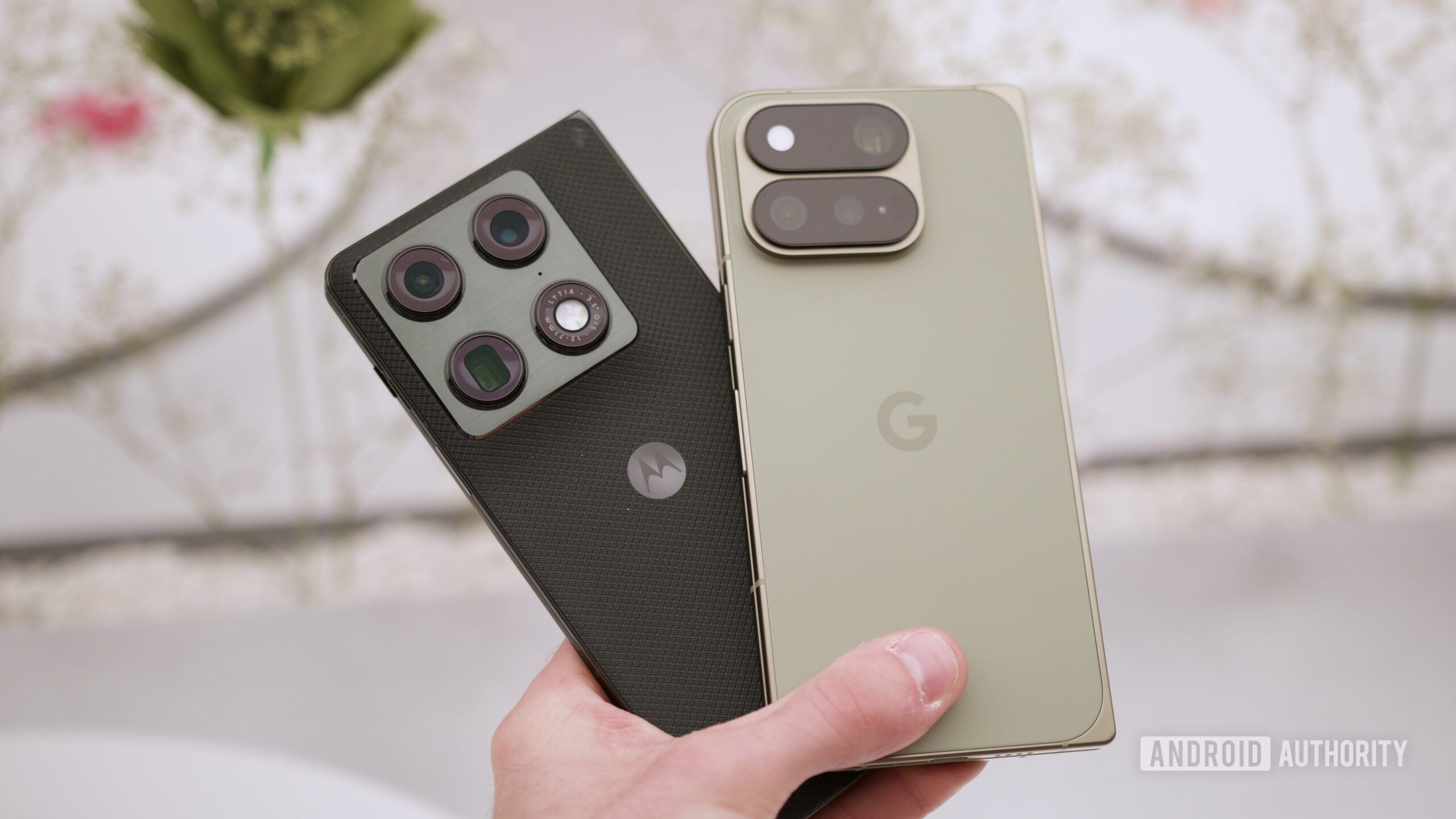
This evolving consumer sentiment highlights a crucial pivot within the broader mobile industry: raw computational benchmarks and paper-thin measurements are no longer sufficient to secure long-term loyalty in the foldable space. Competitors like Motorola and Google have recognized this shift, executing strategic pivots that prioritize holistic user experience, ergonomic refinement, and functional utility over pure spec-sheet dominance. By focusing on the friction points that genuinely impact daily workflows—such as battery stamina, tactile comfort, structural resilience, and ecosystem integration—these alternative manufacturers are steadily capturing mindshare where it matters most.
Examining the Motorola Razr Fold reveals a masterclass in calculated compromises. On paper, the device presents a puzzling value proposition. Equipped with a base Snapdragon 8 Gen 5 processor, it operates a tier below its primary rivals, a spec discrepancy that feels difficult to justify given its steep $1,900 price tag. For pure processing muscle and high-refresh gaming execution, Samsung’s overclocked Elite architecture easily outpaces Motorola’s offering. However, raw processing speed represents only one facet of the modern smartphone experience.
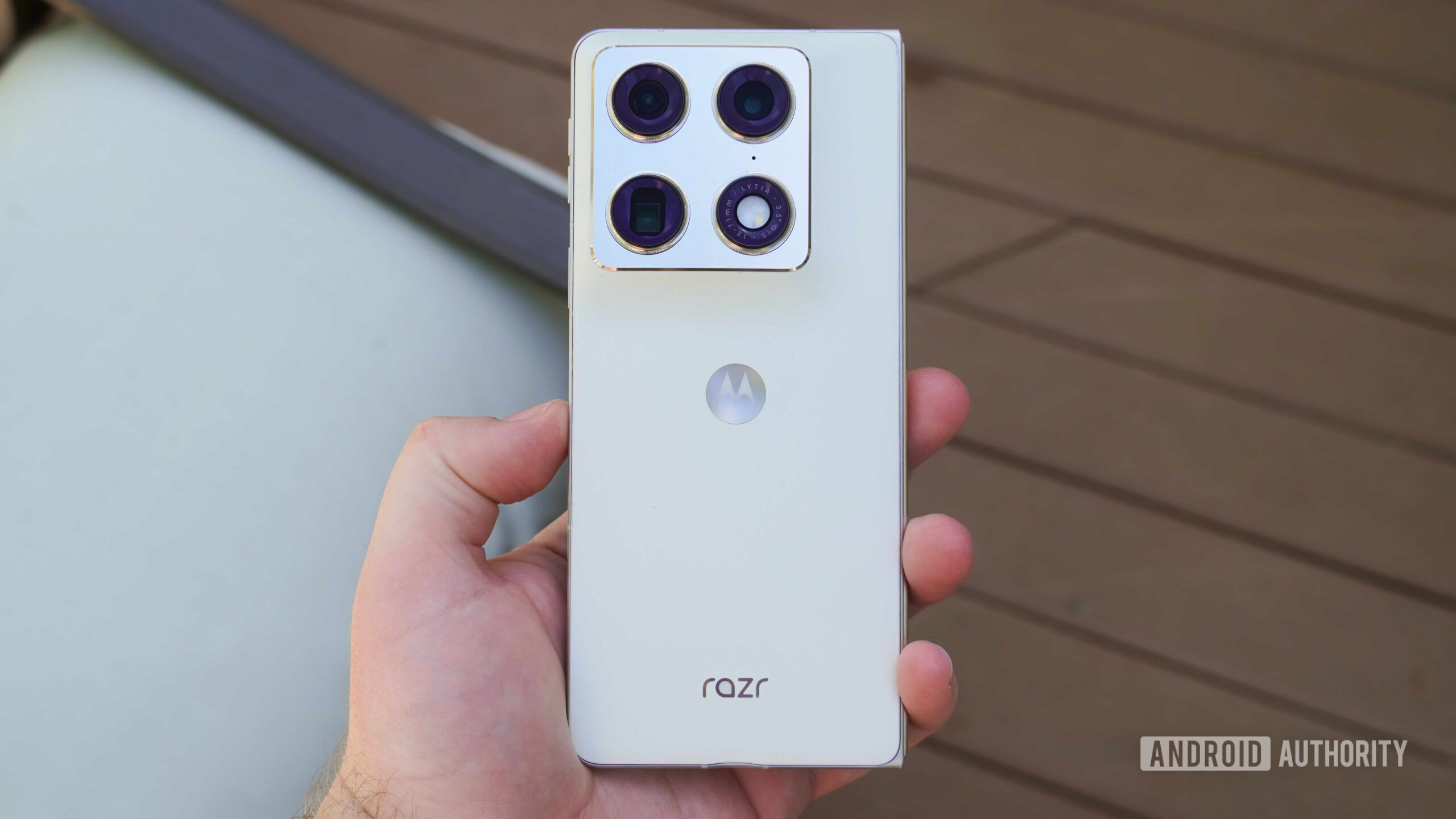
Where Motorola decisively outperforms the competition is in sheer endurance and tactile ergonomics. The Razr Fold houses an astonishing 6,000mAh battery capacity, comfortably delivering a true two-day operational lifespan under heavy, uninterrupted real-world conditions. Furthermore, it incorporates an expansive 8.1-inch primary display that stands as one of the brightest panels on the market, complete with active stylus compatibility via the Moto Pen Ultra. This stylus integration acts as a direct counter to feature omissions seen elsewhere in the market, providing genuine creative utility for mobile professionals.
Beyond internal longevity, the physical design language of the Razr Fold sets a new standard for foldable comfort. Through a collaborative partnership with Pantone, Motorola introduced a vegan-leather backing that fundamentally alters how the device rests in the hand. Available in finishes like the soft-touch Lily White or the textured, grip-enhanced Blackened Blue, these materials provide a secure, welcoming tactile feedback that easily supersedes the slippery matte glass finishes dominating ultra-thin flagships. Coupled with a cover screen sporting a highly usable 21:9 aspect ratio and a slightly wider footprint when closed, the Razr Fold mimics the familiarity of a traditional candy-bar smartphone far better than its razor-thin rivals, neutralizing ergonomic complaints that have plagued book-style foldables for years.
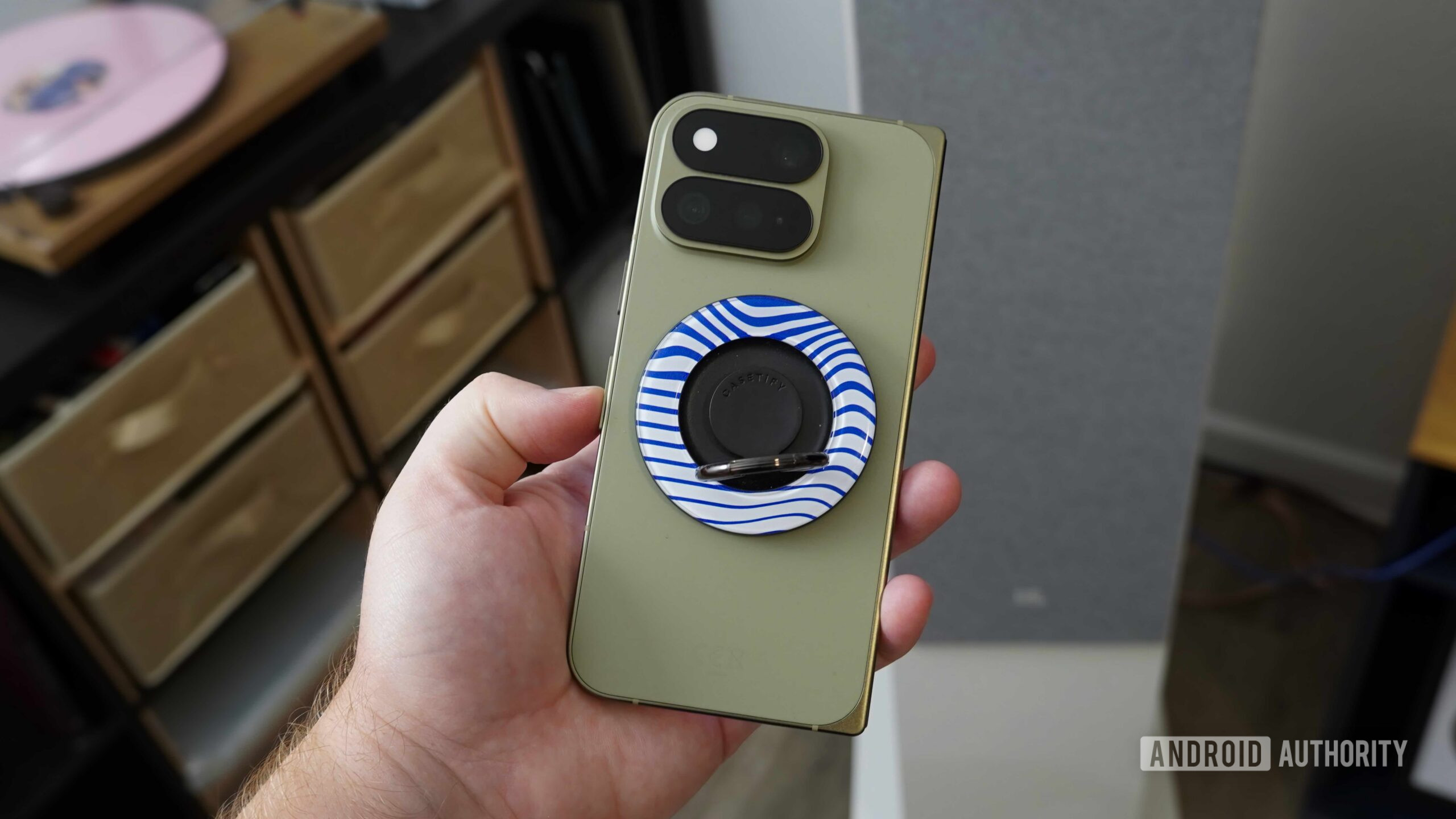
Meanwhile, Google’s approach with the Pixel 11 Pro Fold targets structural vulnerability and accessory integration, establishing an entirely distinct category of utility. While the Tensor G6 chipset and modest battery configuration cannot match the high-end benchmarks set by Qualcomm’s elite silicon, the Pixel 11 Pro Fold commands attention through objective, category-defining hardware achievements. Foremost among these is the integration of magnetic Qi2 support directly into the chassis. While other major Android manufacturers continue to rely on bulky, third-party mag-safe cases that degrade the sleek profile of their devices, Google has engineered native magnetic alignment right into a foldable form factor measuring just 10.1mm thick.
This inclusion transforms how users interact with a book-style device. Because folding smartphones naturally double as self-supporting tabletop displays when partially folded, the ability to effortlessly snap on a magnetic kickstand, grip, or wallet without adding cumbersome casing bulk solves a major operational hurdle. Users can seamlessly transition from a pocket-friendly profile to an upright media hub or workstation with zero friction.
Equally vital is the Pixel 11 Pro Fold’s industry-leading IP68 dust-resistance certification. Dust infiltration remains the single greatest existential threat to folding display longevity. Microscopic debris, pocket lint, and fine sand particles routinely breach vulnerable hinge assemblies, leading to grinding noises, incomplete closure, and, in severe cases, catastrophic internal screen delamination. While competing flagships offer partial water resistance or high-pressure spray protections paired with modest dust tolerances, Google’s hardware remains genuinely dust-tight. For the average consumer investing heavily in a foldable device, the peace of mind offered by uncompromising environmental sealing frequently outweighs minor disparities in processor benchmarks.
This strategic divergence among manufacturers underscores a maturing marketplace. Samsung continues to cater to the performance maximalist, treating foldables as mobile workstations where speed and thinness reign supreme. Conversely, Motorola and Google have successfully identified the experiential gaps left in the pursuit of those metrics. By delivering superior daily endurance, organic tactile materials, native magnetic accessory compatibility, and robust dust-proofing at competitive price points—often undercutting the ultra-tier competition by hundreds of dollars—these brands are proving that victory in the foldable arena depends on solving human problems rather than winning spec-sheet wars. As the technology continues to evolve into the next decade, the industry at large will likely be forced to follow this blueprint, recognizing that real-world usability will always trump theoretical performance.
