

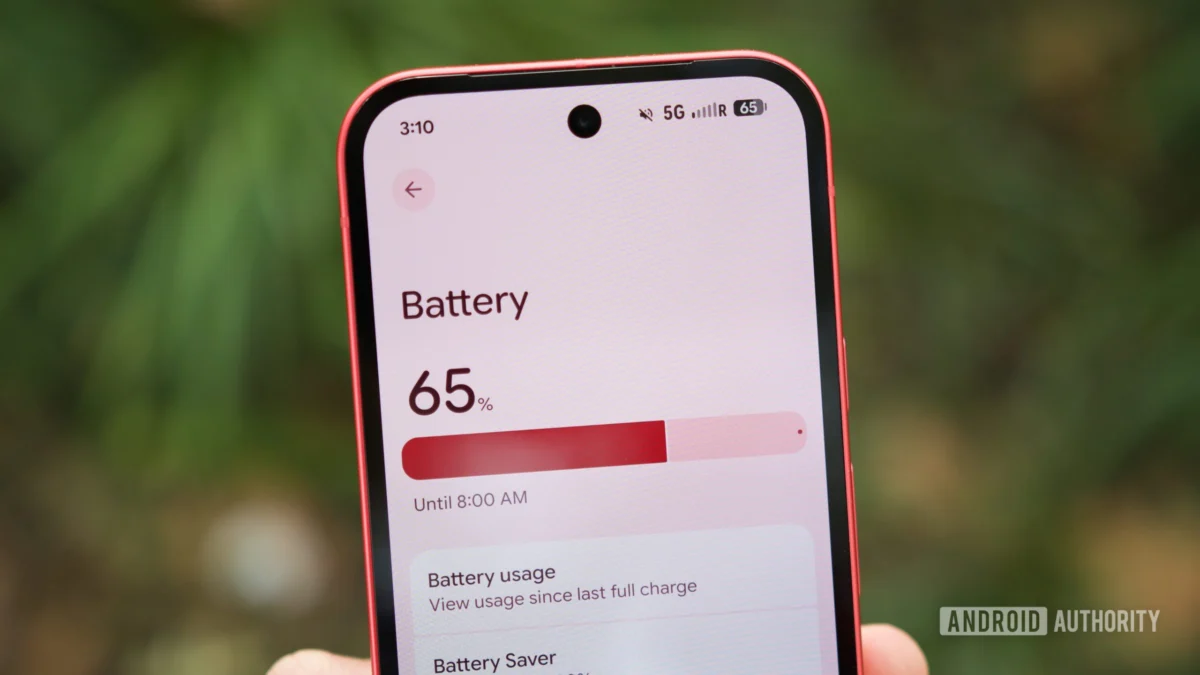
The evolution of modern smartphone operating systems has long been defined by a paradox: while hardware efficiency continues to improve incrementally, the sheer volume of data, background processes, and active applications has made tracking power consumption increasingly complex. For years, mobile operating systems have provided users with granular, albeit overwhelming, data visualizations. Detailed charts, precise minute-by-minute screen-on metrics, and exhaustive lists of individual application energy draws have served as the standard diagnostic tools for troubleshooting a rapidly depleting cell phone. Yet, interpreting these technical graphs often requires a level of analytical patience that the average consumer simply does not possess. Addressing this persistent user friction, Google has officially begun rolling out a sophisticated, artificial intelligence-driven diagnostic tool designed to fundamentally streamline how device owners interact with their power management settings.
Deploying initially to the company’s newest hardware tier—specifically the Pixel 10 generation and subsequent hardware iterations—the newly introduced Battery Usage Summary feature represents a major shift toward proactive, human-readable system diagnostics. Rather than forcing users to manually correlate a downward sloping line on a multi-hour graph with background execution logs, the updated interface leverages local machine learning models to synthesize complex telemetry into clear, narrative insights. Early deployment metrics and user reports indicate that the feature manifests as an intuitive digest situated prominently at the very top of the dedicated battery settings menu. When invoked, it translates raw system telemetry into concise statements, immediately notifying the user if power depletion is occurring at an abnormal rate relative to historical usage patterns, while explicitly calling out the primary software culprits responsible for the drain.
At the core of this capability lies Google’s on-device large language architecture, specifically utilizing the latest iterations of Gemini Nano integrated closely with the operating system’s underlying AI Core framework. By executing these computational tasks locally rather than routing sensitive diagnostic data to remote cloud servers, Google ensures both minimal latency and robust user privacy. Local execution allows the device to continuously monitor power draw across diverse application states—ranging from active foreground rendering to hidden background sync loops—without incurring a noticeable energy penalty of its own. This local processing model signifies a broader industry trend where device manufacturers increasingly rely on dedicated neural processing units to handle mundane yet resource-heavy tasks, turning raw numerical datasets into actionable, contextual advice tailored specifically to an individual’s daily behavioral routine.
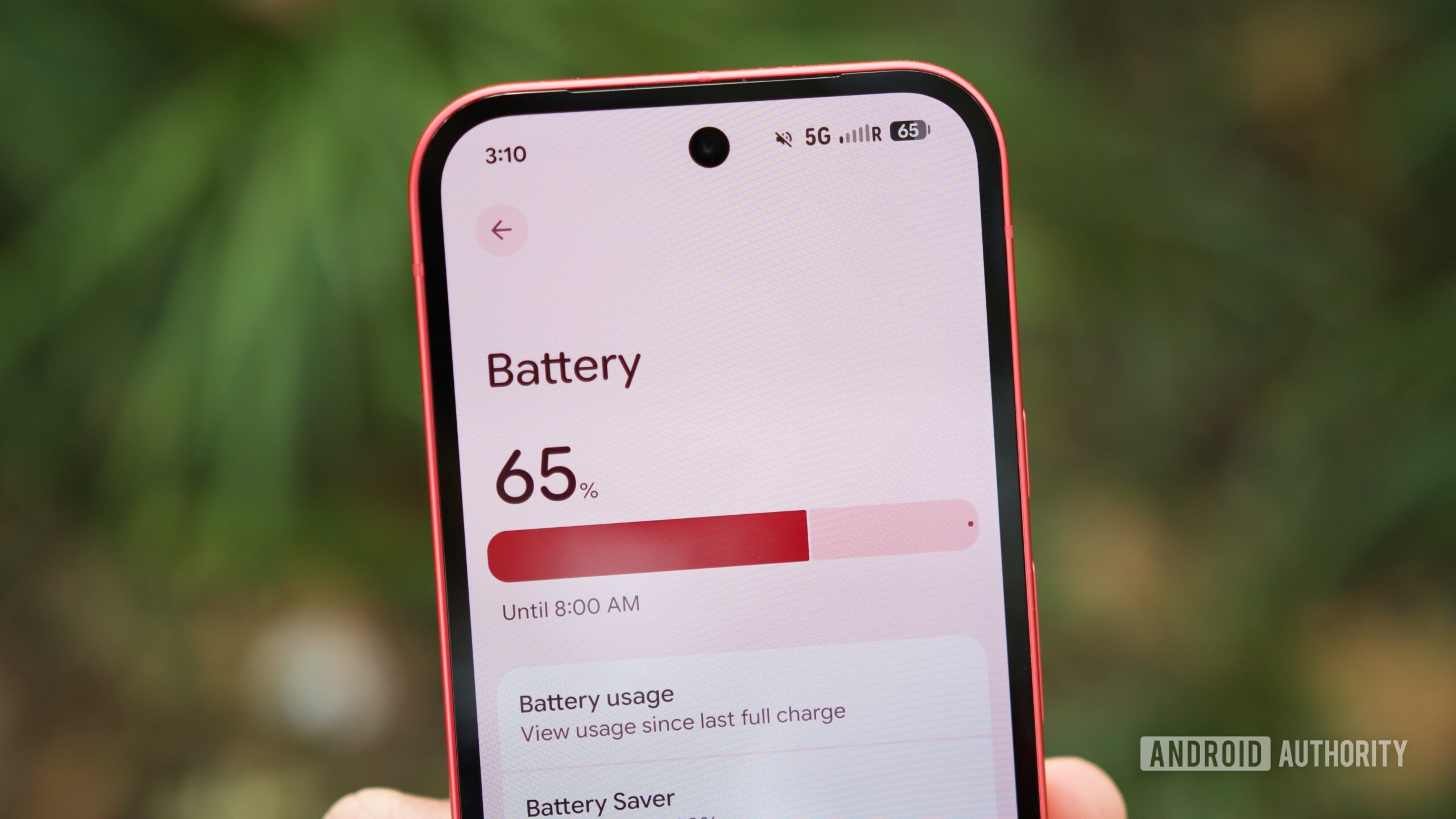
The introduction of intelligent power summaries arrives at a critical juncture for the mobile industry. As consumer expectations for multi-day battery life collide with the reality of power-hungry generative tasks, high-refresh-rate displays, and persistent 5G connectivity, power management has transformed from a background utility into a frontline user experience battleground. Historically, diagnosing an anomalous battery drain involved a tedious process of elimination. Users would notice their device growing uncomfortably warm or losing charge at an uncharacteristic rate, navigate through deeply nested system menus, and attempt to decipher whether a messaging platform, a navigation utility, or a rogue web browser was keeping the application processor awake. By instantly highlighting anomalies—such as noting that a specific afternoon discharge rate is fifteen percent higher than the user’s established rolling average—the new summary tool eliminates guesswork, empowering owners to take corrective action swiftly, whether that means force-closing a malfunctioning application or adjusting background data permissions.
Industry analysts note that this feature also points to a larger paradigm shift in human-computer interaction: the transition from dashboard reporting to conversational, contextual assistance. For over a decade, mobile platforms have favored data-dense dashboards, operating under the assumption that more information equals better user control. However, modern user experience research consistently demonstrates that cognitive overload often leads to disengagement. When faced with a wall of incomprehensible percentages and milliwatt figures, most consumers simply ignore the data until their device shuts down unexpectedly. By synthesizing this telemetry into plain language, Google is effectively democratizing advanced system diagnostics, making deep technical insights accessible to non-technical users.
Furthermore, the implementation of automated comparative baselines represents a profound leap in predictive maintenance. Standard battery monitors evaluate absolute consumption over a fixed window, which can be misleading; an application consuming ten percent of a battery over a heavy gaming session is normal, whereas consuming ten percent while the device sits idle in a pocket indicates a serious software bug. The new Pixel diagnostic framework bridges this gap by continuously benchmarking current behavior against personalized historical averages. If a background process deviates from established norms, the AI-driven layer flags the behavior immediately, functioning essentially as an automated system mechanic that watches over the device’s operational health in real-time.
As this rollout continues to expand across eligible hardware ecosystems, its long-term implications for both app developers and OS design will likely be profound. Software developers who have historically relied on lax background execution policies may find themselves under increased scrutiny as users receive unambiguous, AI-generated notifications pointing directly to inefficient coding practices. Simultaneously, competitors in the Android and broader mobile landscape will undoubtedly monitor Google’s execution closely, paving the way for a new standard where contextual, generative insights replace static administrative dashboards across all major operating systems. Ultimately, by transforming abstract metrics into clear, conversational summaries, Google has not merely introduced a convenient settings tweak; it has redefined how consumers understand, manage, and interact with the portable power sources that anchor their digital lives.
