

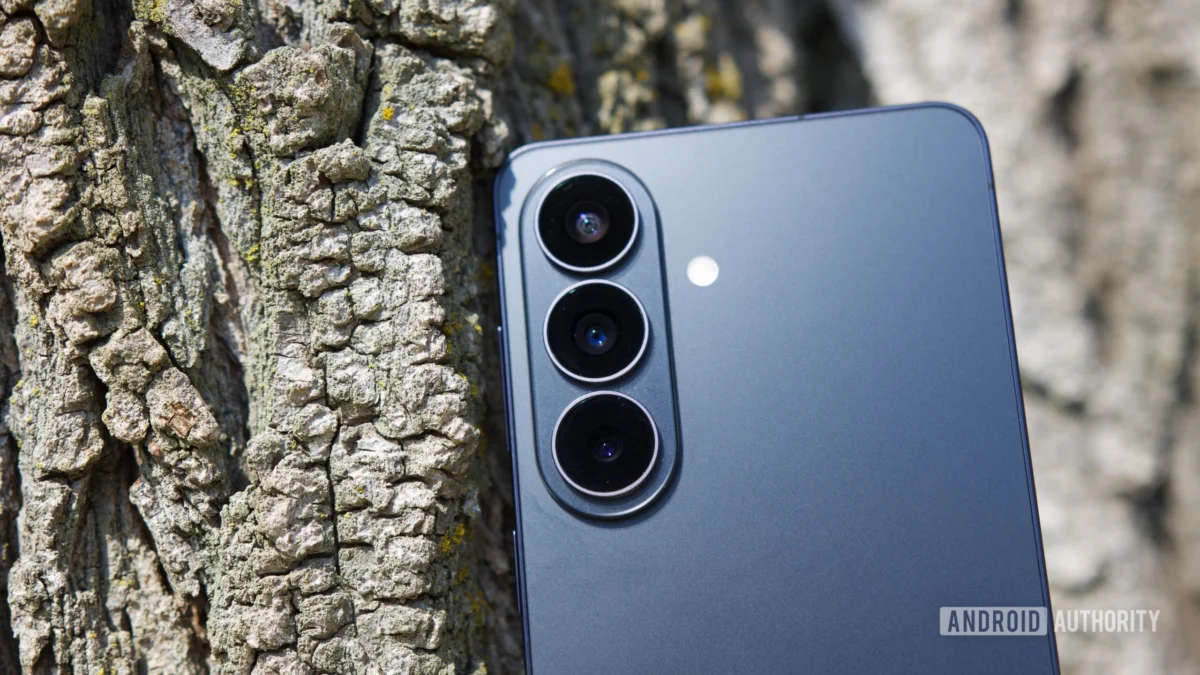
The evolution of mobile photography has long followed a predictable, tiered trajectory. Historically, smartphone manufacturers reserve their most advanced optical hardware, cutting-edge sensor sizes, and sophisticated periscope zoom architectures for their highest-priced, ultra-premium flagships. Standard and plus-sized variants typically receive incremental, iterative updates—often recycling proven camera modules from previous generations to preserve profit margins and maintain clear segmentation within a product lineup. However, emerging supply chain whispers and insider leaks indicate that Samsung might finally be preparing to dismantle this convention. Whispers from the manufacturing and development ecosystem suggest that the upcoming Samsung Galaxy S27 and Galaxy S27 Plus could be in line for a long-overdue, substantial overhaul of their telephoto and zoom systems, signaling a potential shift in how the tech giant approaches its foundational flagship offerings.
For several product cycles, consumers purchasing the entry-level and mid-tier devices within Samsung’s flagship family have expressed mild frustration over stagnant optical hardware. While the Ultra-tier variants consistently push boundaries with multi-lens periscope arrays and massive sensor resolutions, standard flagship models have often made do with recycled telephoto specifications. This widening gap has forced buyers who prioritize versatile focal lengths and high-fidelity distance shooting to stretch their budgets toward the most expensive model in the lineup. A prospective pivot toward the rumored Galaxy S27 Pro optical architecture could completely alter this narrative. By bridging the hardware gap between its standard models and its higher-end iterations, Samsung may be responding directly to mounting competitive pressures from rival original equipment manufacturers who have aggressively democratized high-end zoom capabilities across lower price points.
Industry analysts tracking supply chain movements have noted that hardware standardization is becoming a vital strategy for cost optimization and quality consistency. According to early intelligence leaking out of testing environments, industry insiders suggest that Samsung’s engineering divisions are currently evaluating builds where the vanilla Galaxy S27 and the intermediate S27 Plus inherit the refined 3x telephoto configuration slated for the S27 Pro variant. While exact physical dimensions and optical specifications remain tightly guarded, correlated supply chain reports point toward a transition to an advanced 12-megapixel 3x optical telephoto module. If verified, this upgrade would represent a meaningful step forward in image clarity, color science uniformity, and low-light telephoto performance for users who prefer a more pocketable smartphone form factor without sacrificing photographic versatility.
Beyond the telephoto array, broader hardware rumors indicate that Samsung is orchestrating a comprehensive internal reassessment of its entire mobile imaging pipeline. Speculation has steadily mounted that the standard Galaxy S27 models might swap out traditional primary sensor configurations, potentially pivoting toward high-grade Sony components for their core 50-megapixel wide shooters. This potential supplier diversification underscores a broader industry trend where hardware selection is driven strictly by performance metrics and processing synergy rather than purely in-house manufacturing loyalty. By combining a potentially overhauled primary sensor with a modernised 3x telephoto lens, Samsung could effectively eliminate the historical compromise associated with purchasing the base-model flagship.
Yet, interpreting supply chain leaks requires a careful examination of semantic nuances and prototype volatility. Industry commentators have scrutinized recent tipster disclosures regarding shared hardware pools. Ambiguous statements floating across developer forums initially suggested that the S27 and S27 Plus might mirror the exact main and ultrawide configurations of the Ultra model. However, deeper contextual analysis from seasoned mobile hardware journalists aligns more logically with previous reports indicating that it is the S27 Pro model—rather than the base units—that will share core primary hardware footprints with the apex Ultra device. This distinction maintains a sensible product hierarchy while still allowing the standard S27 and S27 Plus to secure their long-awaited zoom enhancements.
Meanwhile, the pinnacle of the upcoming lineup—the Galaxy S27 Ultra—is reportedly charting its own distinct path, characterized by intense experimentation and prototyping. Intelligence reports indicate that Samsung’s R&D teams have been actively testing multiple hardware configurations for the Ultra’s signature long-range zoom system. Among these is an experimental 50-megapixel, 1/1.9-inch 4x telephoto module. Despite the intriguing specifications of this new sensor, internal deliberations are reportedly weighing its real-world benefits against manufacturing yields and component costs. Consequently, Samsung may ultimately default to retaining a refined 50x or equivalent 5x periscope setup if the newly tested alternative fails to clear internal cost-benefit thresholds. The revelation that engineers are currently juggling as many as five distinct Ultra prototypes highlights just how fluid and dynamic the developmental timeline remains.
The implications of these rumored hardware adjustments extend far beyond individual spec sheets; they reflect the shifting expectations of the modern smartphone consumer. As mobile devices cement their status as primary imaging tools for everything from casual social media documentation to professional content creation, users have become remarkably discerning regarding focal length transitions and digital crop degradation. A subpar telephoto lens on a device costing upwards of several hundred dollars is increasingly difficult to justify in a market saturated with competitive alternatives offering periscope zoom lenses as standard equipment. By addressing the telephoto deficiency on the Galaxy S27 and S27 Plus, Samsung risks cannibalizing some Ultra sales, but it simultaneously strengthens the overall appeal of its ecosystem against fierce global competition.
Furthermore, the software ecosystem supporting these prospective hardware updates cannot be overlooked. Modern smartphone photography is less about raw glass and silicon and more about the computational algorithms orchestrating multi-frame processing, deep-fusion details, and neural network-driven noise reduction. Introducing a new 3x telephoto sensor across the base and plus models will necessitate significant optimization within Samsung’s ProVisual Engine and image signal processor pipelines. Ensuring seamless color continuity when switching between the primary wide sensor, the ultrawide lens, and the newly upgraded telephoto module requires meticulous calibration. If Samsung successfully pairs this rumored hardware refresh with advanced computational photography pipelines, the resulting user experience will feel cohesive, reliable, and genuinely premium across all three primary focal lengths.
As the tech industry looks ahead toward official product launch windows, the flurry of conflicting leaks and prototype evaluations serves as a reminder of the complex realities governing mass consumer electronics manufacturing. Supply chains are vast, decisions regarding component selection are frequently revisited, and preliminary codenames often evolve before mass production commences. Whether the Galaxy S27 and S27 Plus ultimately debut with the exact 12-megapixel 3x telephoto architecture currently making the rounds in rumor mills remains to be seen. Nevertheless, the mere fact that Samsung is actively testing these configurations points to a welcome institutional awareness: the days of neglecting the zoom capabilities of base-tier flagships are drawing to a close. For consumers who prefer streamlined, ergonomic handsets without compromising on long-range photographic capability, the forthcoming Galaxy S27 generation shapes up to be one of the most anticipated and pivotal hardware refreshes in recent memory.
