

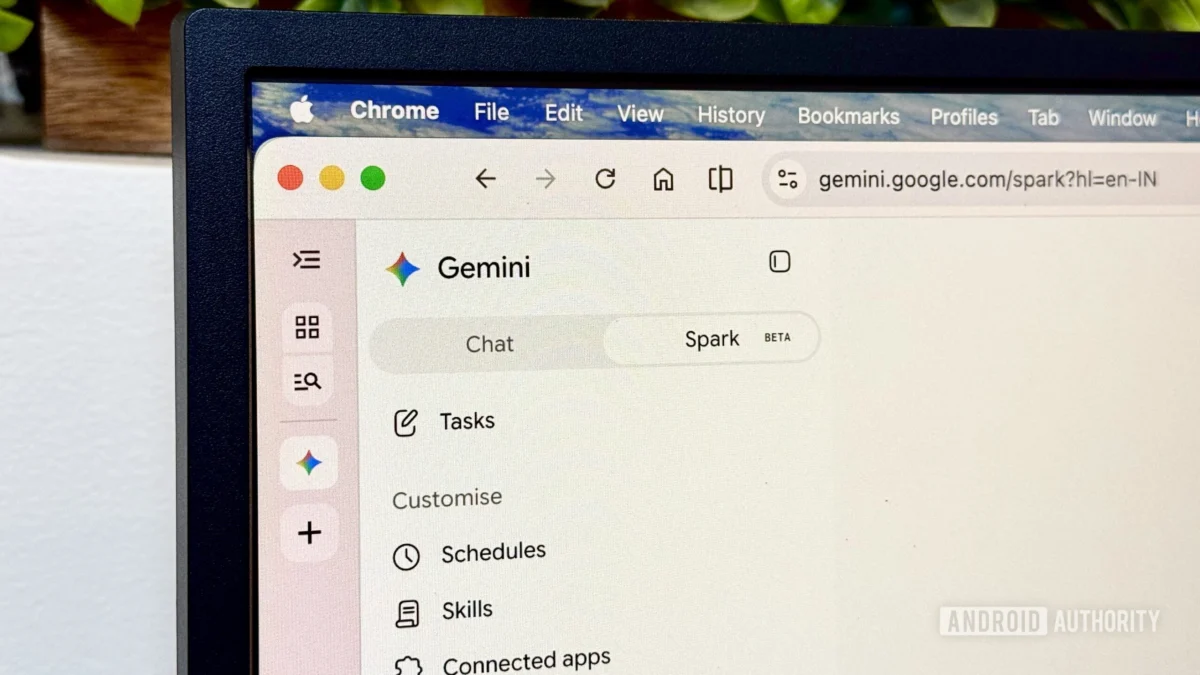
The evolution of artificial intelligence has officially crossed a profound boundary. We have moved past the era of reactive chat interfaces and single-prompt query responses into a sophisticated domain of autonomous agents. These systems are no longer confined to answering questions one at a time; instead, they ingest complex multi-step instructions, reason through constraints, and execute long-form workflows entirely unsupervised. The realization of a digital proxy that mirrors the meticulousness of a human research assistant once felt like a distant milestone reserved for science fiction, yet it has rapidly materialized as the baseline expectation for modern productivity software.
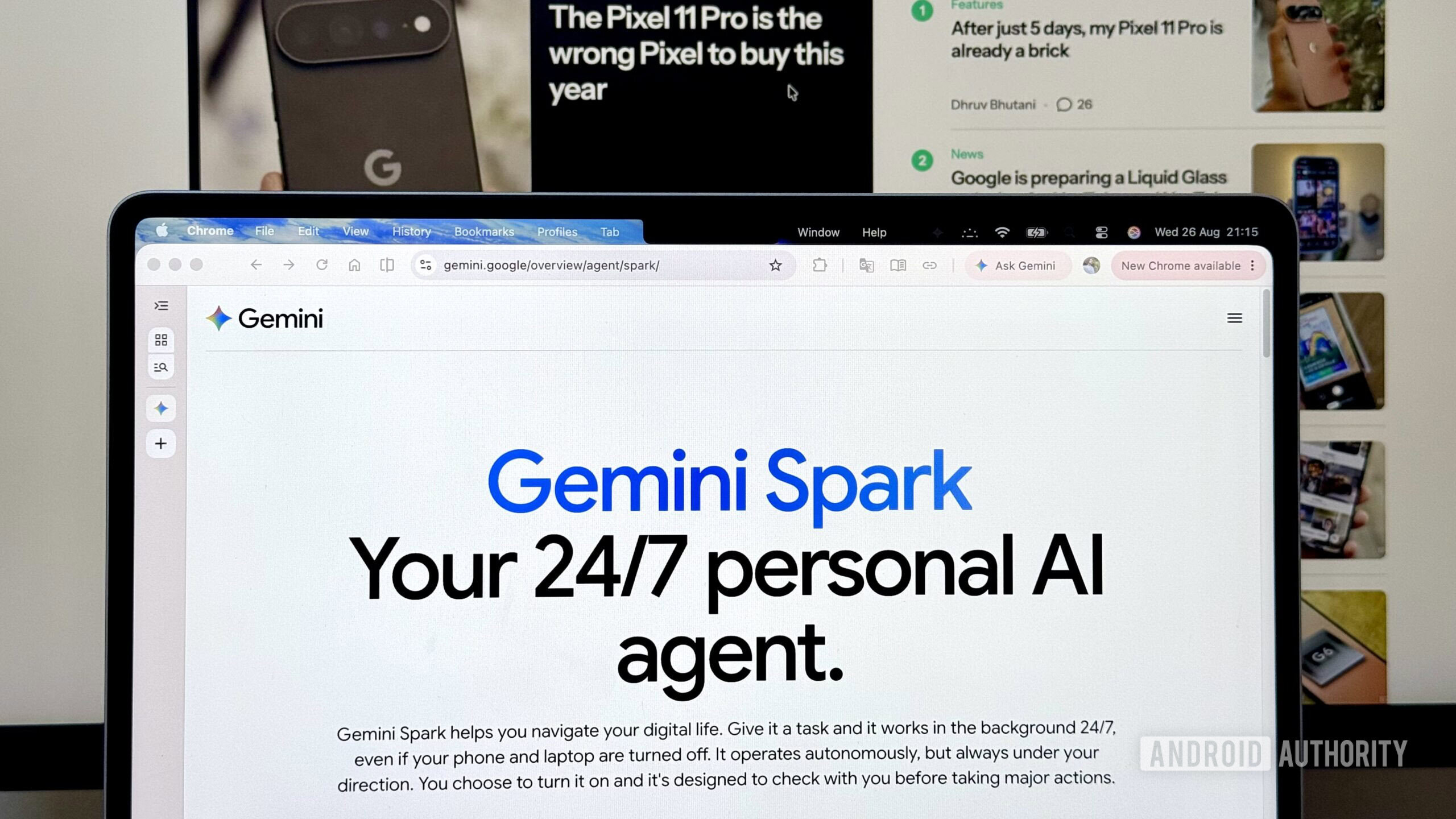
Among the early frontrunners in this autonomous agent race is Google’s Gemini Spark. Designed to operate fluidly across user environments, Spark represents a significant leap forward in bringing agentic capabilities directly to everyday end users rather than restricting them to enterprise deployment. Its underlying architecture is deceptively simple to interact with, yet profoundly complex beneath the surface. When integrated seamlessly into daily workflows, it serves as a proactive companion that autonomously pulls contextual data, cross-references sources, and executes multi-layered commands. However, evaluating Spark alongside its established competitor, Perplexity Computer, reveals a fascinating dichotomy in how two tech heavyweights approach the future of automated computing.
The Power of Native Ecosystem Integration
To truly appreciate Gemini Spark, one must look beyond its flashy surface-level automations and examine the structural environment it inhabits. The software industry has spent the last several years wrestling with the complexities of API management and Model Context Protocol (MCP) connectors, trying to stitch disparate applications together. Tools outside the tech giant’s immediate umbrella often require laborious setup processes to talk with productivity suites like Gmail, Google Drive, or calendar applications.
Gemini Spark bypasses this friction entirely through native proximity. Because it lives natively within the Google family, it requires zero external credential bridging to fetch context from historical documents, parse unstructured email threads, or cross-reference corporate spreadsheets. For instance, managing everyday digital annoyances—such as tracking down a wayward warranty claim or pulling order histories to draft formal customer support escalations—transforms from a fifteen-minute interruption into a zero-effort background action. Spark can effortlessly extract invoice numbers from email archives, identify obscure direct-support channels designed to deflect human inquiries, and draft a comprehensive, professionally toned message requiring nothing more than a quick editorial review before dispatch.
This native advantage eliminates the cognitive overhead traditionally associated with setting up automated workflows. Yet, this very strength highlights a fundamental architectural limitation when users step outside the boundaries of the host ecosystem.
The Multi-Model Advantage vs. Ecosystem Lock-In
The core philosophical divergence between Google and competitors like Perplexity lies in model exclusivity. Perplexity Computer operates as an intelligent orchestrator rather than a walled garden. Lacking a proprietary large language model of its own, Perplexity leverages a curated bouquet of third-party architectures from OpenAI, Anthropic, Google, and others. This model-agnostic approach allows the platform to dynamically delegate subtasks to the exact artificial intelligence engine best suited for the job—routing creative design tasks to one model while utilizing another for logical synthesis or code generation.
Conversely, Gemini Spark remains tethered to Google’s proprietary family of models, currently relying on iterations like Gemini 3.7 Flash. While these Flash-class models prioritize blazing-fast response times and high efficiency, they occasionally struggle with the deep semantic comprehension and nuanced reasoning found in frontier-class alternatives like Claude or OpenAI’s flagship offerings. This limitation becomes glaringly apparent during self-assessment routines. While advanced orchestration platforms feature rigorous internal validation loops to catch errors before finalizing outputs, Spark occasionally permits minor hallucinations or contextual oversights to slip through, necessitating manual cross-checking across applications.
Google’s business model inherently prevents it from embedding competing foundational models into its primary user-facing consumer tools. Consequently, users are bound to the trajectory of Gemini updates, introducing a ceiling on versatility that orchestrator-style platforms effortlessly surpass.
Enterprise Readiness and Third-Party Interoperability
While consumer-facing automations like travel planning and personal scheduling demonstrate the novelty and baseline utility of Gemini Spark, the true crucible for autonomous agents lies in professional environments. High-stakes enterprise workloads require uninterrupted execution across a diverse software stack, yet Spark currently occupies an ambiguous space within business-oriented subscription tiers. Regulatory constraints and corporate compliance frameworks may account for the sluggish rollout of advanced agentic tools into standard corporate accounts, but the delay allows agile competitors to capture market share.
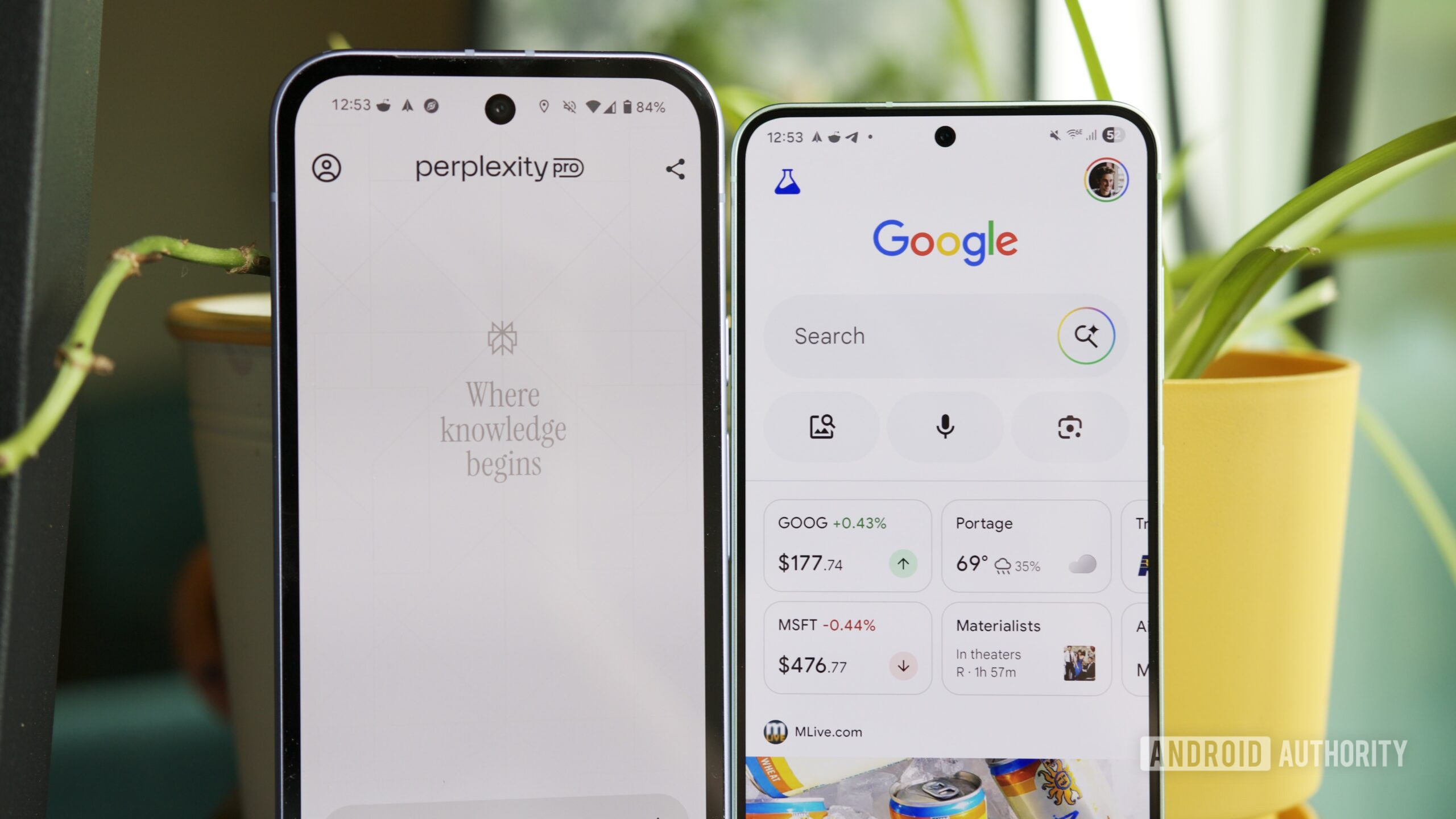
Perplexity Computer has capitalized on this gap by building an expansive catalog of third-party enterprise integrations. Its ability to interface natively with CRM platforms like Salesforce and HubSpot, alongside Microsoft 365 and Google Workspace, positions it as a cross-platform powerhouse. Professionals whose daily operations span multiple software ecosystems find greater utility in an environment that refuses to play corporate favorites. Until Gemini expands its integration footprint to natively embrace non-Google enterprise tools, it risks lagging behind in professional adoption.
Accessibility, Interface Design, and Market Valuation
Beyond technical capability and ecosystem reach, user adoption hinges heavily on psychological accessibility and economic positioning. Perplexity Computer is unashamedly built for power users. Its interface adopts a serious, utilitarian aesthetic geared toward marathon processing sessions where technical users command complex, long-running tasks for hours on end. At a premium subscription price point of $200 per month, it commands an elite audience that demands uncompromising professional utility.
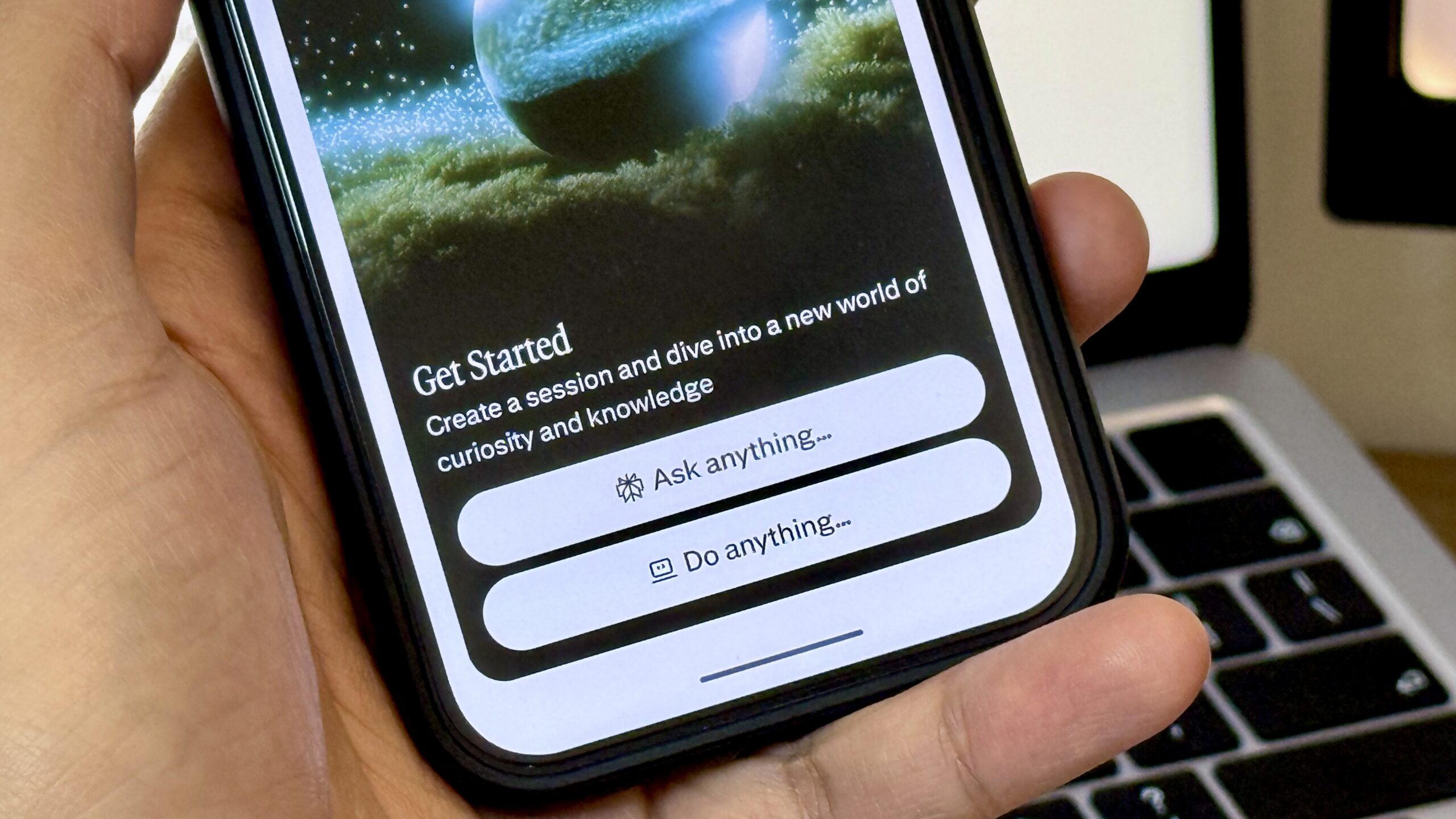
In contrast, Google approaches interface design through its trademark consumer-first lens. Gemini Spark strips away the intimidating command-line aesthetics of advanced agentic software, presenting a welcoming interface that lowers the barrier to entry for users encountering autonomous AI for the first time. This commitment to mainstream accessibility is further amplified by Google’s aggressive pricing strategy. By bundling advanced Spark capabilities into its standard Pro tier at a fraction of the cost of high-end enterprise tools, Google effectively democratizes technology that was previously restricted to niche technical markets.
The Road Ahead for Autonomous Assistants
Gemini Spark stands as a remarkable achievement in consumer-facing artificial intelligence, proving that ambient, multi-step automation can be made intuitive, affordable, and accessible to billions of people worldwide. Its frictionless integration with native productivity apps solves micro-friction points in daily life with elegance. However, its long-term viability as the definitive default assistant depends heavily on Google’s willingness to refine its underlying model reliability and bridge the gap with third-party software environments.
As the AI landscape matures, the dividing line between consumer novelty and professional utility will continue to blur. If Google can inject future iterations of its Pro models with deeper reasoning capabilities and expand its integration partnerships beyond its own borders, Gemini Spark has all the ingredients necessary to transition from a fascinating novelty into the indispensable operating layer of modern digital life.
