

The intersection of artificial intelligence and copyrighted literature has long been a battleground of legal disputes, ethical dilemmas, and technological ambition. As frontier laboratories push the boundaries of large language model capabilities, their insatiable demand for high-quality, human-generated text has frequently collided with the legal protections safeguarding creative works. AI developers have historically relied on massive scraping operations, digitizing physical libraries, and ingesting web-scale text repositories to fuel model pretraining. This aggressive pursuit of data scaling has precipitated severe backlash, resulting in numerous class-action lawsuits filed by authors, artists, and publishing conglomerates.
Amid this contentious landscape, tech giants are actively seeking viable frameworks to mend fractured relationships with the creative community. Google has introduced a strategic initiative that redefines how users interact with digital literature while attempting to establish a compliant pathway for utilizing copyrighted text. By integrating owned literary assets directly into its advanced knowledge-management platform—formerly known as NotebookLM and recently rebranded as Gemini Notebook—the company is bridging the gap between personal digital libraries and analytical artificial intelligence. This development, spearheaded by a feature set termed "Expert Intelligence," marks a profound shift from clandestine data harvesting toward sanctioned, user-driven integration.
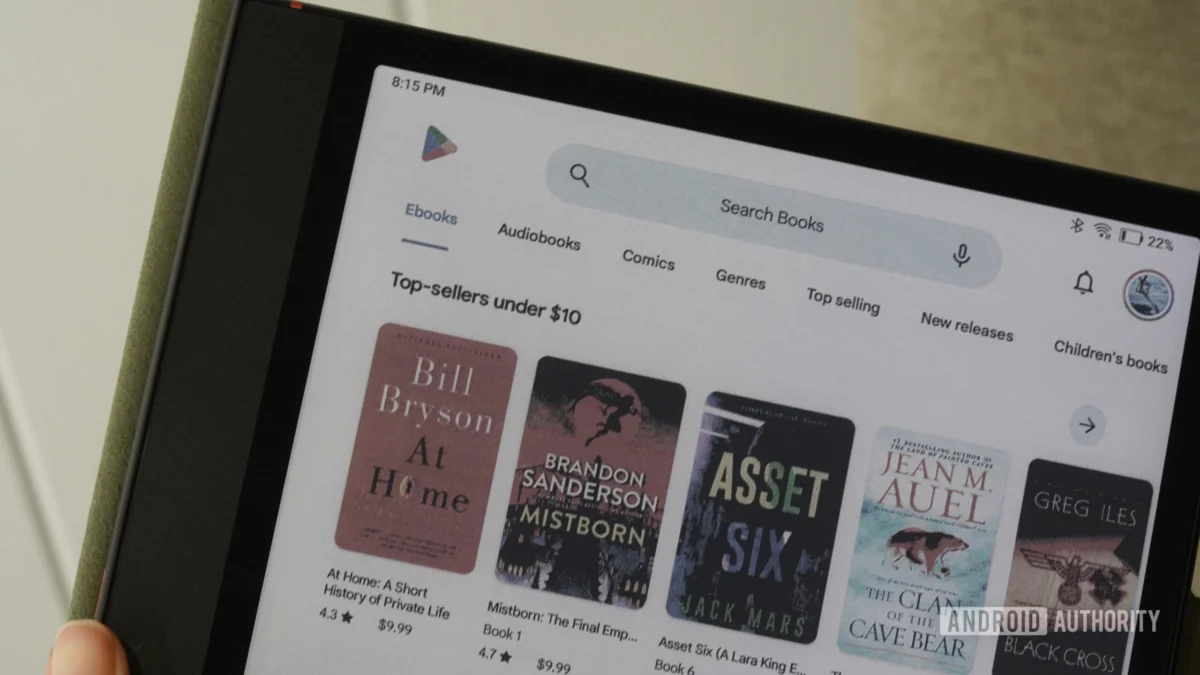
For years, students, researchers, and avid readers have faced immense friction when attempting to synthesize insights from digital books using modern generative tools. Proprietary digital rights management protocols have traditionally locked e-books within walled gardens, preventing readers from seamlessly parsing, cross-referencing, or extracting deep conceptual summaries without resorting to complex, legally gray workarounds. Gemini Notebook’s latest capability directly addresses this friction. Users who have purchased qualifying titles through Google Play Books can now seamlessly ingest those volumes into their personalized research spaces. Once imported, these texts become active components of the workspace, enabling advanced features such as automated audio overviews, structured infographics, and granular thematic analysis.
The scope of this rollout is remarkably vast. Although Google notes that the functionality currently applies to a curated selection of e-books rather than the entirety of the Play Books catalog, the initial launch encompasses an impressive inventory. More than 100,000 titles from prominent academic and commercial publishing houses are already accessible through the Expert Intelligence framework. Esteemed institutions and houses such as Penguin Random House, Bloomsbury, Macmillan Publishers, O’Reilly Media, De Gruyter Brill, and Johns Hopkins University Press represent a formidable cross-section of global scholarship, professional literature, and trade publishing.
To demonstrate the practical utility of this integration, Google has collaborated closely with fifteen prominent, bestselling authors—including notable intellectuals such as Steven Pinker, Michael Pollan, and Jennifer Wallace. These partnerships have yielded specially curated notebooks pre-loaded with authoritative source materials that complement their published works. Furthermore, the platform empowers users to merge multiple distinct titles into a single, cohesive workspace. This capability allows researchers to synthesize disparate perspectives, contrasting theories, and complementary data points from multiple leading authorities simultaneously, effectively creating a bespoke, AI-assisted think tank for any given subject matter.
This move builds upon earlier educational initiatives by the tech titan. Last year, the platform introduced support for copyright-free academic textbooks sourced from OpenStax, providing a cost-free, high-utility study aid for students and lifelong learners. However, extending this architecture to encompass strictly copyrighted, commercial trade and academic titles represents a fundamentally different strategic maneuver. It serves as a live-fire demonstration of how major technology enterprises can appease a skeptical creative class. By honoring the purchase ecosystem of digital bookstores and embedding authorization layers into the user workflow, the platform offers a blueprint for deriving analytical value from premium literature without undermining the foundational economics of publishing.
The timing of this strategic pivot is far from coincidental. Major AI developers face intense regulatory scrutiny and fierce legal opposition from writers’ alliances globally. Class-action lawsuits target foundational model training practices, specifically highlighting instances where commercial platforms allegedly utilized copyrighted e-books without authorization or compensation. While tech companies maintain that training models on publicly accessible or legally acquired texts falls under fair use doctrines, the courts have yet to establish definitive precedents. By introducing user-authenticated imports tied directly to legitimate purchases, Google is attempting to establish a middle ground that respects digital ownership.
This approach mirrors recent industry trends where major technology firms execute direct licensing agreements with media outlets, news agencies, and academic publishers to secure clean, verified training data. As the generative AI market matures, the competitive advantage is shifting away from raw, uncurated data volume toward authenticated, high-fidelity domain expertise. Platforms that successfully negotiate mutually beneficial arrangements with content creators will likely avoid the debilitating legal liabilities threatening less cooperative market players.
Looking toward the future, the integration of commercial literature into AI-driven research notebooks signals a broader evolution in human-computer interaction. Reading is transitioning from a passive, linear consumption model to an active, conversational partnership. Readers no longer merely absorb text; they interrogate it, challenge its premises, test its arguments against other sources, and translate complex narratives into multimodal formats like podcasts and infographics with a single click. As Expert Intelligence expands to include broader publishing catalogs and more granular author collaborations, the barrier between static published wisdom and dynamic artificial intelligence will continue to dissolve, ultimately transforming how humanity preserves, disseminates, and analyzes knowledge.
