

The golden era of mobile technology used to offer a tangible sense of ownership. Veteran mobile enthusiasts often reminisce about devices like the Samsung Galaxy S5, where removing the back cover to swap out a depleted power cell took mere seconds. Over the past decade, however, the industry veered sharply away from user maintenance. Sleek unibody construction, water-resistance seals glued shut with industrial adhesives, and proprietary screws transformed pocket computers into sealed black boxes. When a battery degraded or a screen shattered, consumers faced steep repair bills or the prospect of an entire replacement cycle.
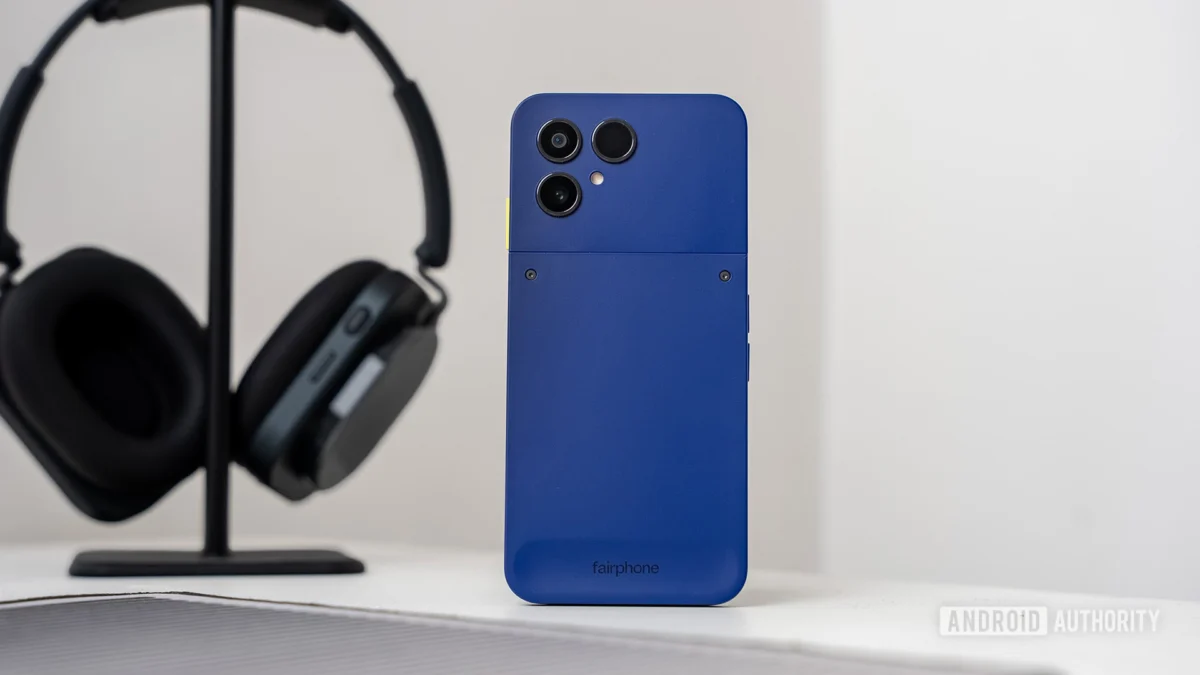
Yet, a persistent Dutch enterprise has spent years challenging this disposable paradigm. The introduction of the Fairphone Gen 6 Plus marks a pivotal chapter in this ongoing crusade, not only refining the hardware blueprint but also breaking new ground by launching directly into the United States market with the standard Google-equipped ecosystem intact. Eschewing the third-party distribution models of the past, this $649 handset bridges the gap between ethical consumerism and mainstream usability. Recently, a comprehensive community feedback poll evaluated whether this modular philosophy resonates with contemporary buyers, yielding a staggering 91.5% approval rating out of more than 1,500 total votes. Only 8.5% expressed skepticism, making it one of the most lopsided and positive consumer responses recorded for a niche mobile hardware release in recent memory.
Analyzing this landslide approval requires context. From a pure hardware specification standpoint, the Gen 6 Plus does not outperform similarly priced competitors from industry heavyweights like Samsung, Google, or OnePlus. Shoppers spending $649 can easily find devices boasting faster processors, higher-refresh-rate displays, or more sophisticated camera arrays. The modest upgrades found in the Gen 6 Plus over its standard predecessor do not revolutionize raw performance metrics. Instead, buyers are investing in longevity, sustainability, and architectural transparency. The device features a modular layout allowing users to swap out up to 12 distinct components—including the display assembly, camera modules, USB-C port, and battery—using nothing more than a standard Phillips screwdriver.
This enthusiasm aligns with broader shifting sentiments across the consumer technology landscape. Earlier surveys focusing on why consumers might abandon dominant smartphone brands routinely place repairability near the top of the list of motivating factors. People are increasingly weary of planned obsolescence, electronic waste accumulation, and manufacturers intentionally slowing down aging devices. By offering a direct-to-consumer US channel pre-loaded with standard Google Mobile Services, Fairphone has effectively dismantled the primary software and logistical barriers that previously kept its hardware restricted to European alternative-OS hobbyists.
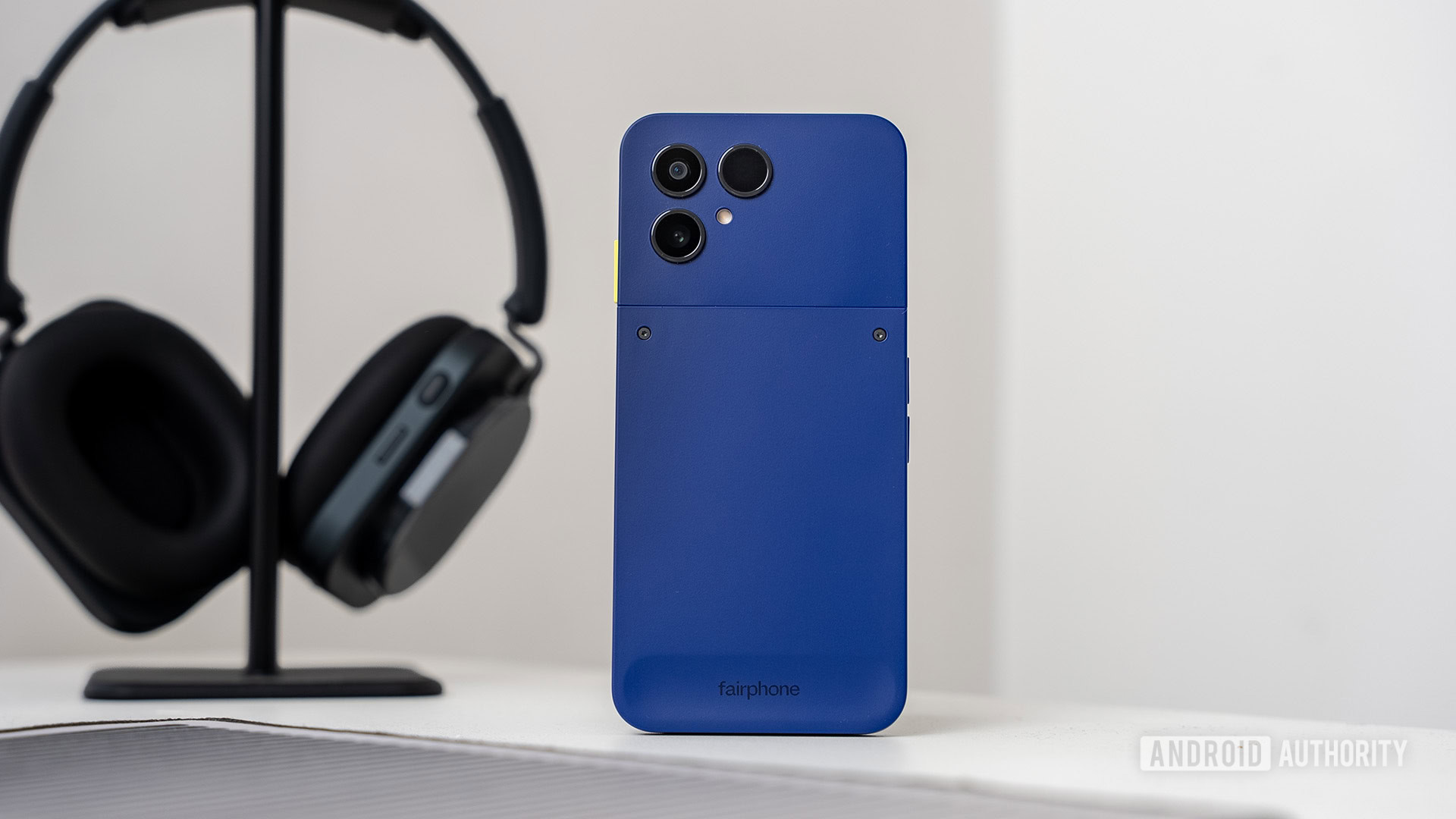
Nevertheless, a critical examination of the device reveals legitimate trade-offs that temper the universal praise. Discerning tech enthusiasts in community comment sections frequently point out missing legacy features. The absence of a 3.5mm headphone jack remains a persistent deal-breaker for traditionalists who prefer wired audio fidelity without dongles. Similarly, the lack of an integrated FM radio tuner leaves a subset of power users yearning for the analog utilities of yesteryear.
Furthermore, industry critics raise a valid counterargument regarding the necessity of modularity in modern tech. Mainstream flagship smartphones have achieved unprecedented levels of durability and software support. Modern processors, robust battery health management algorithms, and extended five-to-seven-year update policies mean that standard unibody phones naturally last longer than their predecessors. From this perspective, some seasoned commentators argue that modularity solves a hardware degradation problem that most average consumers no longer encounter before they are ready to upgrade for entirely separate reasons. Others who have lived with earlier Fairphone generations note that while the concept is noble, successive iterations must dramatically improve baseline hardware performance to justify continuing a premium price point for what is fundamentally mid-range silicon.
Despite these nuances, the broader industry implications of the Gen 6 Plus success signal a changing tide. Regulatory bodies across the globe, particularly within the European Union, are aggressively pushing right-to-repair legislation, mandating accessible spare parts, and requiring easier battery replacements for portable electronics. Manufacturers that have long resisted user-serviceable designs are slowly being forced to rethink their supply chains and internal layouts. Fairphone’s ability to capture over ninety percent approval in a public sentiment poll demonstrates that a vocal and growing demographic of buyers actively desires alternatives to the sealed-device status quo.
Looking ahead, the long-term impact of the Gen 6 Plus will likely be measured less by its immediate sales volume and more by its influence on major original equipment manufacturers. As consumers become more environmentally conscious and financially pragmatic, the demand for devices that can be easily maintained over a multi-year lifecycle will only intensify. By proving that a modular, easily serviceable Android phone can successfully navigate major market expansions like the United States without sacrificing mainstream software compatibility, Fairphone is setting a new benchmark. Whether competing giants will adopt modular internal architectures or simply improve their repair service frameworks remains to be seen, but the consumer mandate is clear: longevity and fixability are no longer fringe concerns—they are becoming central pillars of modern device evaluation.
