

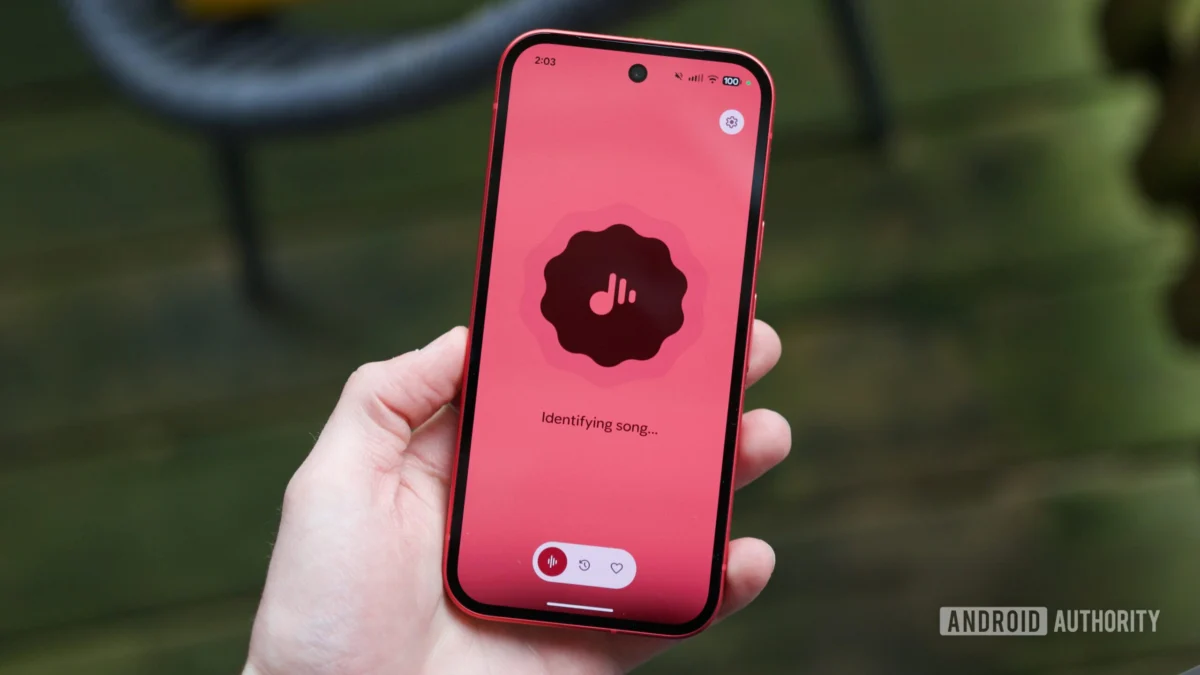
It is difficult to overstate how quickly time passes in the fast-paced ecosystem of mobile technology. Nearly a year has elapsed since the Google Pixel 10 Pro first became my daily driver on August 28th. Throughout this extended period of real-world utilization, my relationship with the device has been characterized by a profound paradox. When operating precisely as engineered, the hardware and software coalesce to deliver an extraordinary user experience. Yet, mirroring a persistent narrative that has long shadowed Google’s hardware division, the handset frequently diverges from intended performance baselines. Looking back across a tumultuous annum filled with unexpected software patches, thermal irregularities, and breathtaking photographic triumphs, the Pixel 10 Pro remains my personal device of choice—despite its undeniable and deeply frustrating shortcomings.
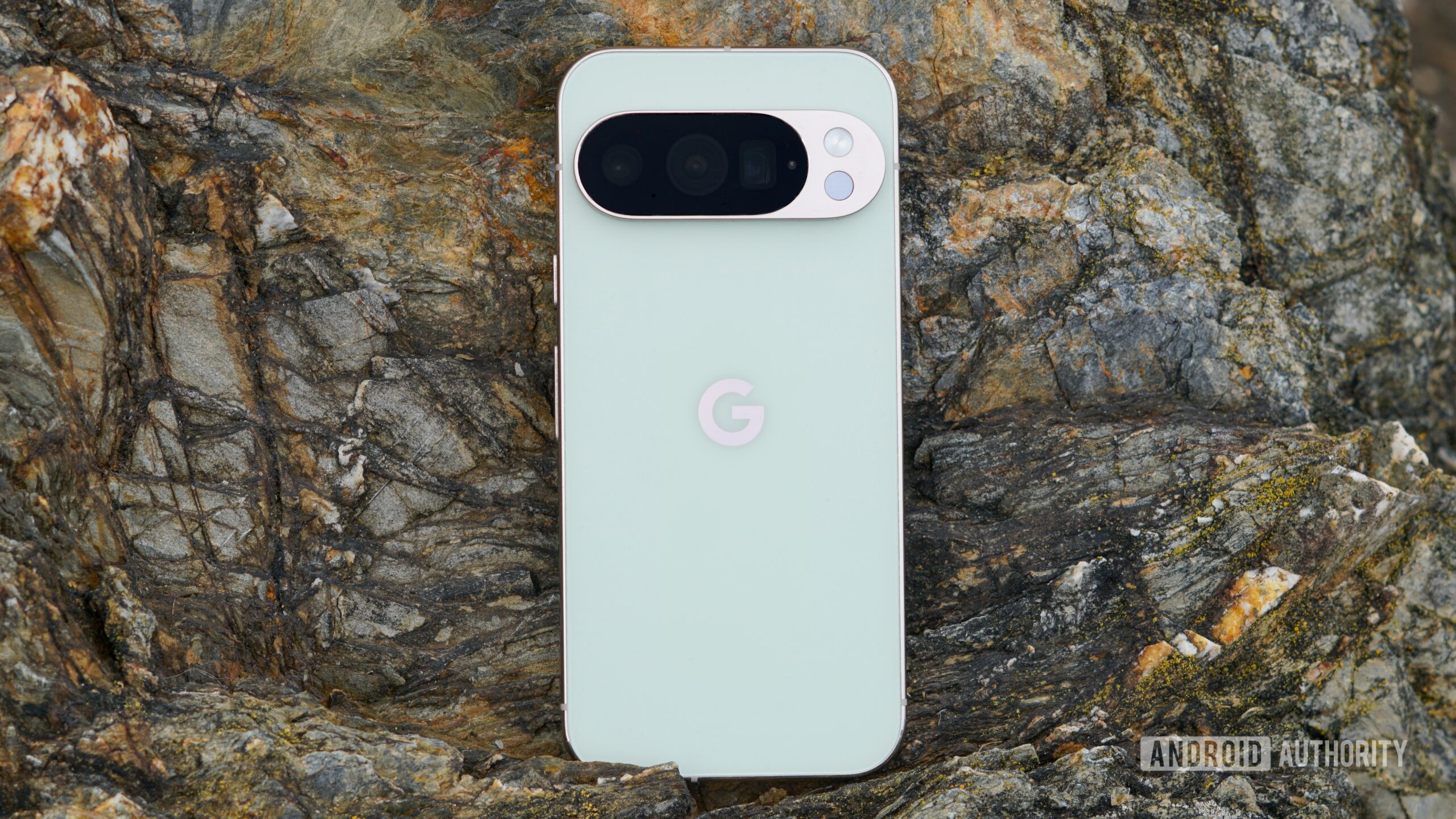
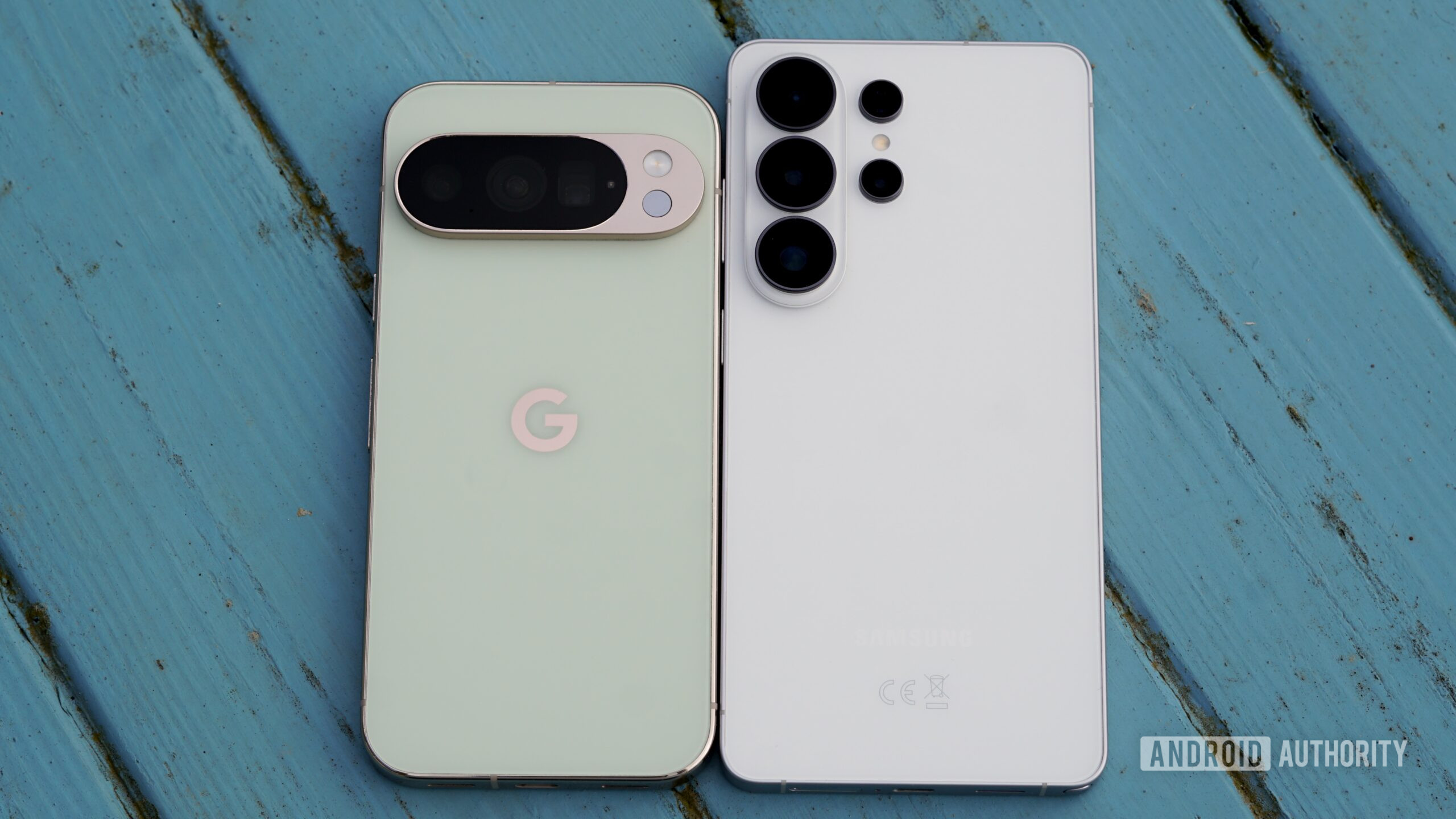
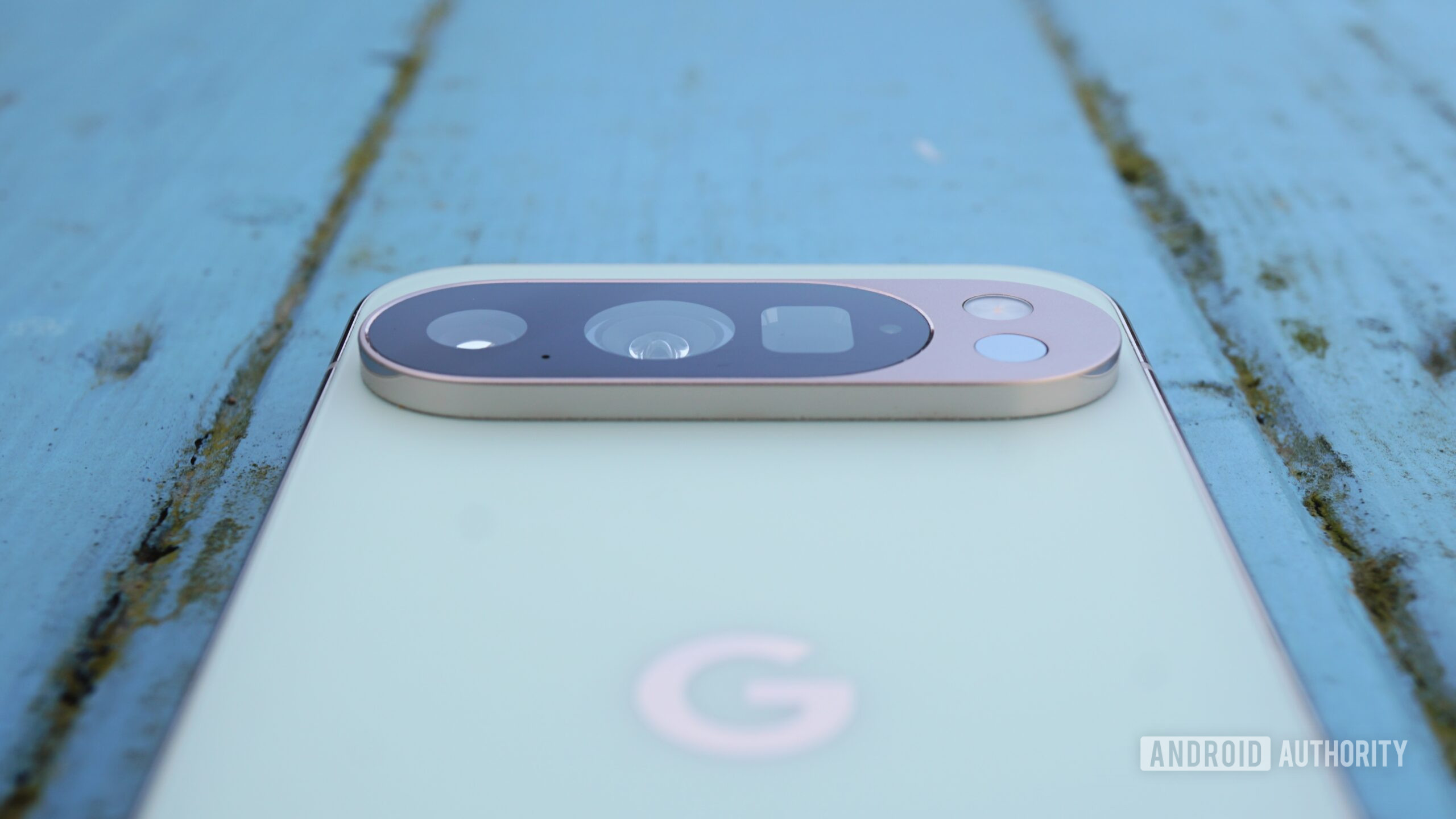
To contextualize this enduring loyalty, one must examine the broader industry trend toward gargantuan display sizes. For roughly half a decade, the market was dominated by massive "Ultra" tier phablets that pushed ergonomics to the absolute breaking point. Transitioning away from these heavy, pocket-stretching slabs felt liberating after spending weeks testing compact alternatives like the iPhone 16 Pro. The primary impetus for pre-ordering the Pixel 10 Pro was its clever hardware strategy: Google packed the complete flagship capability of the larger XL variant into a considerably more manageable footprint without compromising optical hardware or processing potential. Compared directly against legacy devices like the Galaxy S24 Ultra, and even modern heavyweights such as the Galaxy S26 Ultra, the Pixel consistently delivers a superior, more natural photographic output.
The ergonomics occupy a rare sweet spot in contemporary mobile design. While labeling the Pixel 10 Pro a "small" phone would be misleading—it carries a noticeable heft and outpaces the baseline Galaxy S26 in sheer physical footprint—it achieves a functional balance that avoids structural hand fatigue. Consuming multimedia, reviewing high-resolution images, and navigating complex productivity suites never once induces the ergonomic strain associated with oversized ultra-flagships. For everyday usability, the form factor represents a masterclass in engineering compromise, proving that consumers no longer need to sacrifice premium specifications to achieve single-handed comfort.
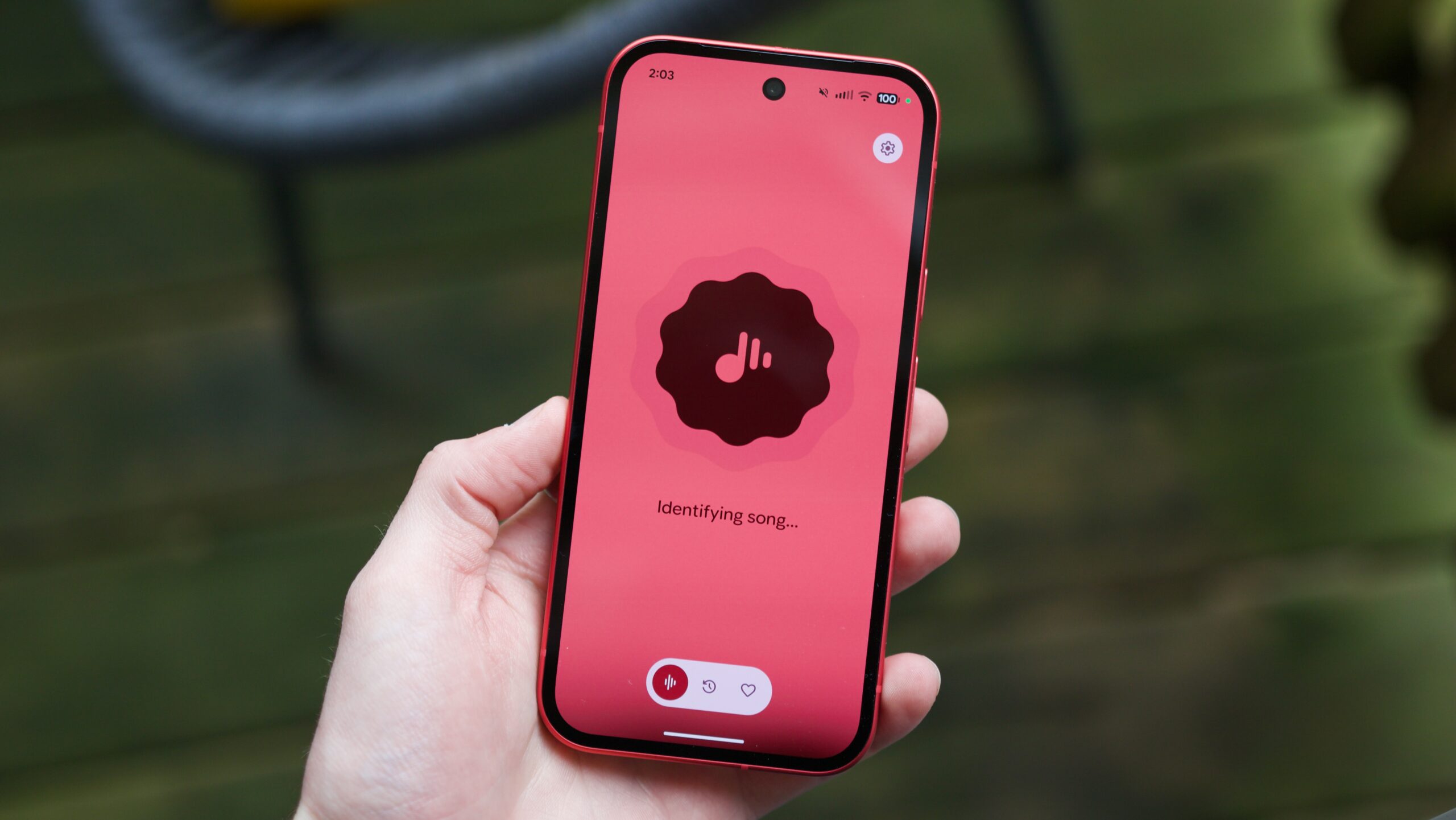
Beyond the physical chassis, the primary anchor keeping me tethered to the Pixel ecosystem involves Google’s proprietary software architecture. Features such as "Now Playing" remain unrivaled in the broader Android landscape. The ability to passively identify ambient music playing in a crowded coffee shop or retail venue simply by glancing at the lock screen instills a persistent sense of utility that is acutely missed the moment one switches to competing hardware. While manufacturers like Samsung have attempted to replicate certain ecosystem advantages, implementations of spam detection and automated call screening consistently fall short of Google’s machine-learning prowess.
Utilities like "Hold for Me" and "Direct My Call" transcend mere gimmickry, establishing themselves as indispensable productivity tools. Navigating telecommunication trees during routine administrative tasks—such as establishing a new internet service provider—highlights the profound disparity between standard smartphones and Google’s intelligent interface. By translating audio menus into interactive visual prompts and managing monotonous hold queues autonomously, the Pixel reinforces its identity not just as a connected device, but as a genuinely smart companion.
Imaging performance further solidifies the device’s standing, even if its physical aesthetic lacks the aggressive industrial flair found in foldable alternatives like the Motorola Razr Fold. Where competing brands sometimes prioritize oversaturated color science for immediate visual impact, the Pixel 10 Pro champions unwavering consistency and natural color reproduction. Over twelve months of intensive documentation—ranging from coastal landscapes in Cornwall to spontaneous snapshots—the camera app has never failed to capture a viable frame. The inclusion of an intuitive, easily accessible white balance slider directly within the viewfinder bypasses the multi-layered sub-menus plaguing rival camera interfaces, saving critical seconds when chasing fleeting moments.
This photographic reliability proved invaluable on a deeply personal level following the adoption of Bandit, a rescue cat introduced into our household late last year. Capturing high-contrast subjects—such as dark fur under erratic indoor lighting—frequently exposes the shutter lag and autofocus deficiencies of competing hardware ecosystems. The Pixel 10 Pro, by contrast, executed thousands of faultless exposures, preserving memories with an emotional resonance that completely justifies the financial investment, rendering technical criticisms secondary to sentimental value.
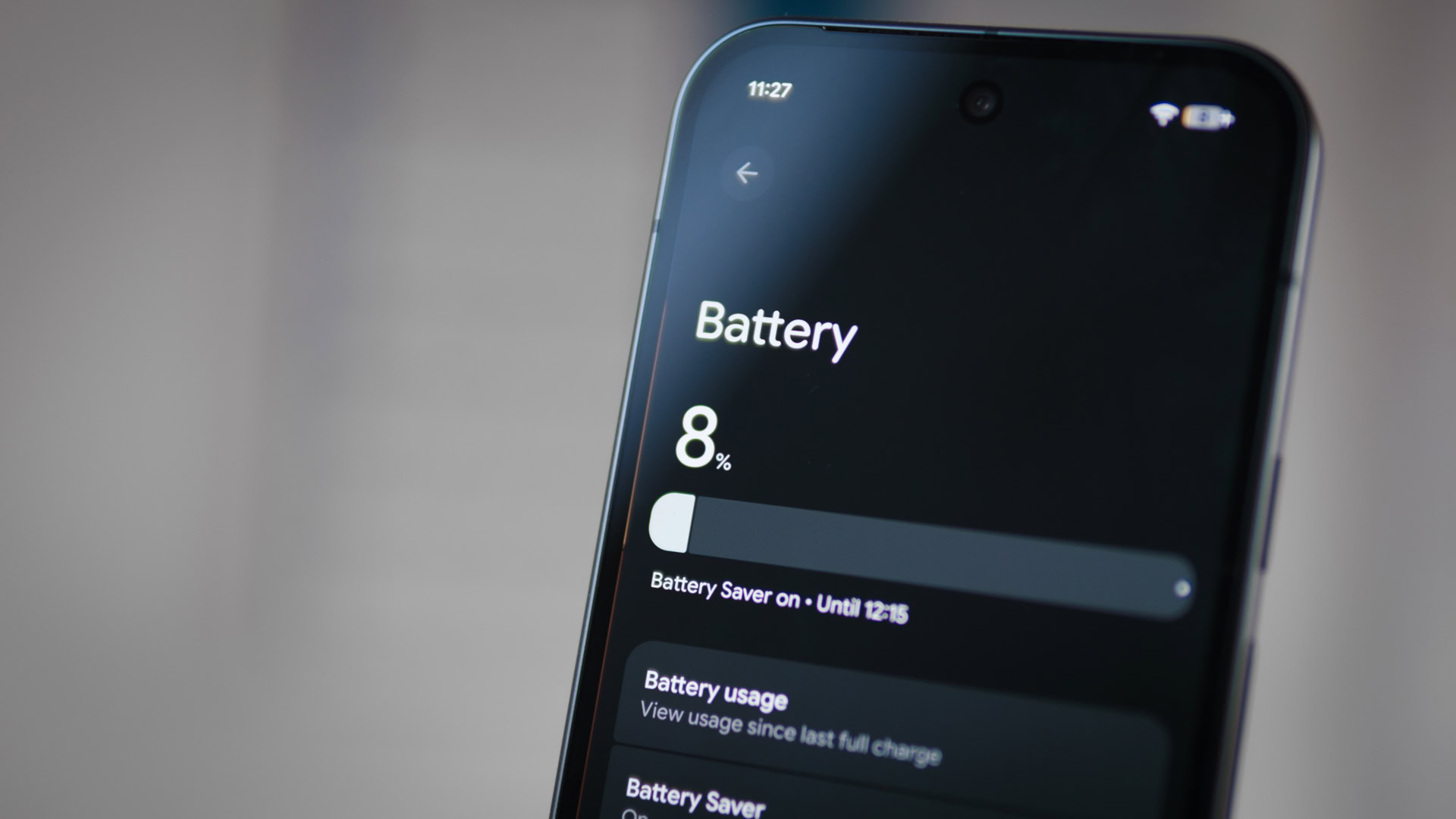
Nevertheless, an objective technological assessment cannot overlook the persistent gremlins that continue to plague Google’s hardware pipeline. No smartphone is flawless, but the Pixel 10 Pro spent nearly a quarter of the year relegated to Wi-Fi-only camera duty due to debilitating battery degradation issues. While Google eventually rolled out patches addressing widespread idle drain, the initial months were plagued by truncated endurance that forced multiple daily recharges—a painful ordeal when paired with Google’s notoriously conservative charging speeds. For the average consumer lacking a secondary testing device, such systemic instability is exceedingly difficult to excuse.
Compounding these power-management grievances is the erratic thermal behavior of the Tensor architecture. While thermal throttling under heavy 5G gaming or extended video recording is a predictable industry hurdle, the Pixel 10 Pro exhibits thermal spikes during utterly mundane operations. Scrolling through social media feeds in a quiet room or managing an email inbox over stable Wi-Fi should not induce the kind of localized overheating historically associated with defective hardware. These unpredictable temperature fluctuations underscore the overarching theme of the device: sheer inconsistency.
Ultimately, the market implications of the Pixel 10 Pro point to an ongoing identity crisis within Google’s hardware division. The company possesses an unmatched vision for software intelligence and computational photography, yet hardware reliability continues to lag behind competitors like Apple and Samsung. Despite these friction points, the device occupies a uniquely personal space in my daily routine. As the industry creeps toward incremental year-over-year upgrades, the incentive to migrate to the impending Pixel 11 series remains low until concrete improvements in thermal efficiency and battery consistency are demonstrated. Until then, the Pixel 10 Pro remains an imperfect masterpiece—flawed, brilliant, and entirely indispensable.
