

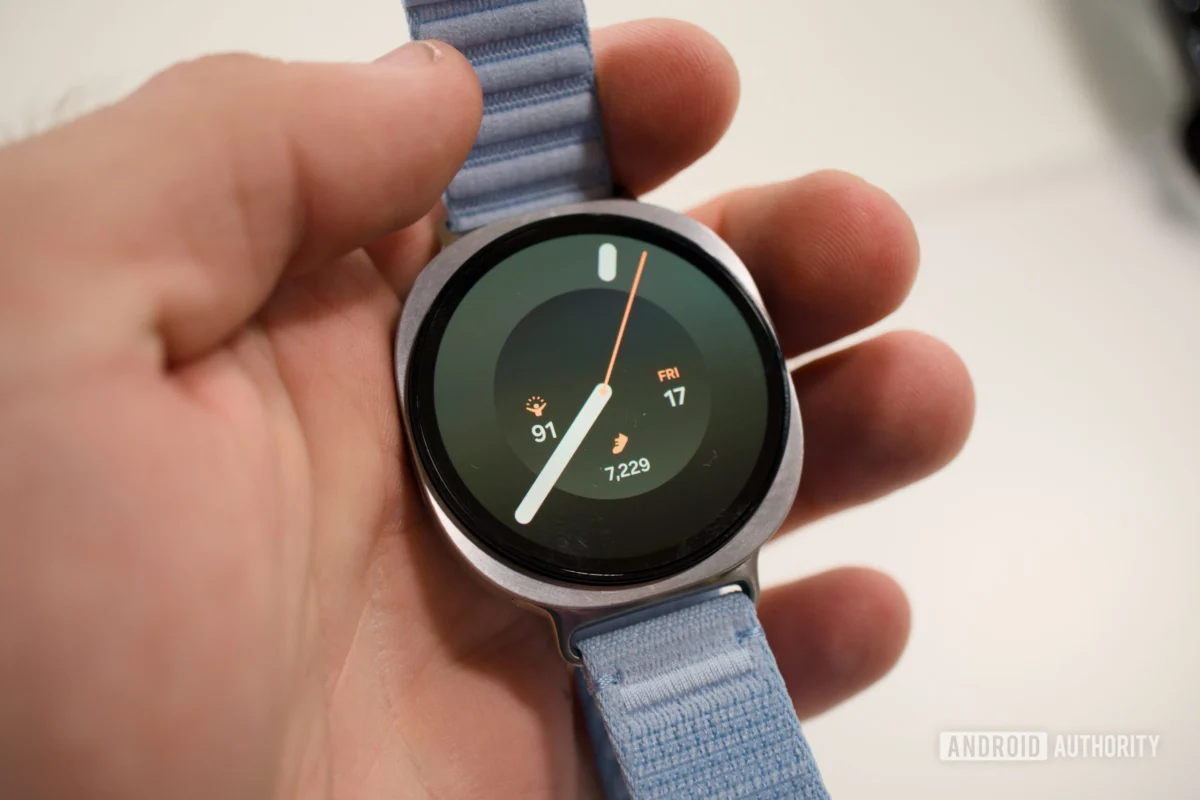
When consumers invest in modern personal technology, an unspoken contract is established. Hardware purchases should inherently grant access to all advertised utilities. If an individual buys a motor vehicle, they rightly expect to utilize every seatbelt and control panel without requiring proprietary brand accessories just to activate fundamental functions. Yet, navigating the wearable hardware ecosystem—particularly regarding Samsung’s flagship wrist-worn devices—resembles purchasing a fully equipped automobile only to find the air conditioning disabled unless paired with the manufacturer’s specialized floor mats. For years, this has been the reality for consumers integrating Samsung smartwatches into a diverse Android environment.
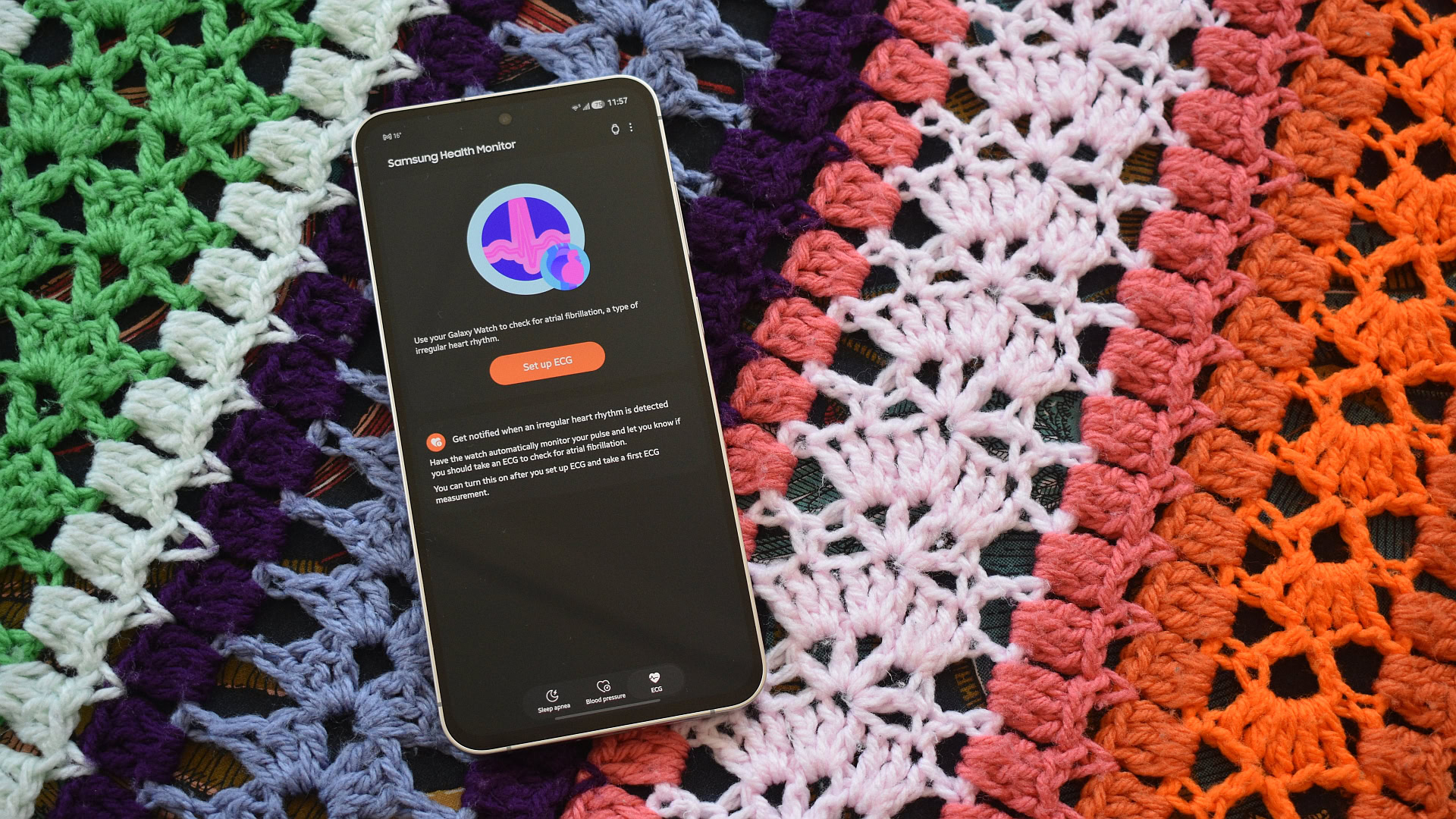
At the center of this contentious user-experience barrier sits a deceptively minor utility known as the Samsung Health Monitor application. This specialized software acts as a strict digital gatekeeper, locking away sophisticated biometric and wellness evaluation metrics behind an artificial wall. While regulatory hurdles, medical certifications, and regional deployment approvals remain entirely outside the manufacturer’s operational control, the enforcement of hardware compatibility conditions is a deliberate choice. To extract the full value from a contemporary Samsung timepiece, users are persistently funneled into pairing the wearable exclusively with a Samsung-branded smartphone, even if they operate a completely modern, highly capable handset running standard Android from a competing manufacturer.
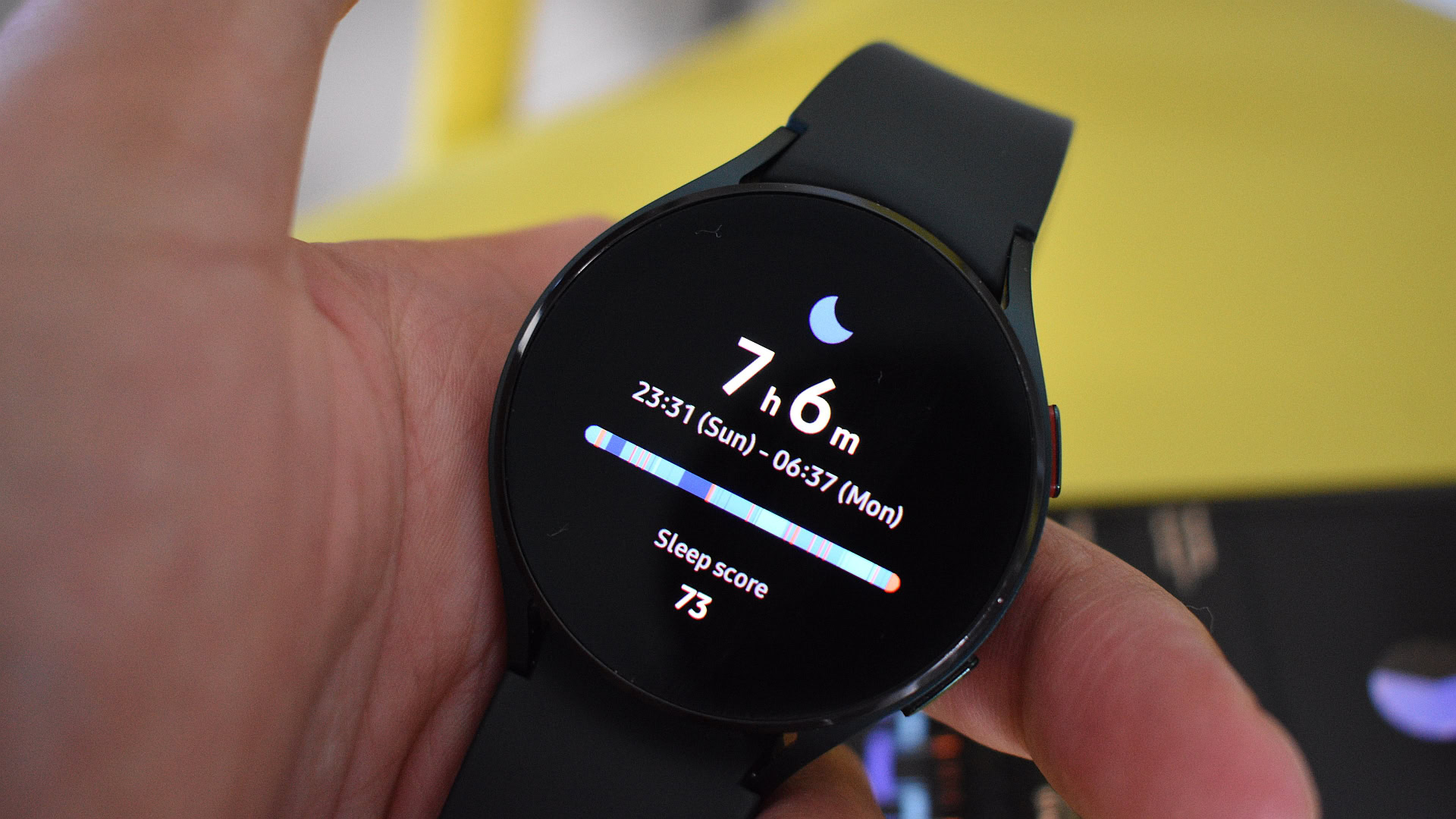
To understand the weight of this restriction, one must differentiate between overarching wellness logging software and targeted biometric screening utilities. Samsung Health functions broadly as an inclusive platform compatible with a wide array of Android devices, managing general activity, step counts, and routine workout logs. Conversely, the Health Monitor software—introduced initially in regional markets half a decade ago alongside earlier generations of connected timepieces—operates under strict exclusivity. Over the years, its repertoire has expanded beyond foundational blood pressure estimation and electrocardiogram readings to encompass advanced screening for irregular heart rhythms indicative of atrial fibrillation, alongside persistent sleep apnea detection.

These sophisticated capabilities are far from superficial data points or gamified wellness scores designed simply to encourage daily movement. They represent clinically relevant indicators concerning cardiovascular health and systemic physiological well-being, touching the lives of billions globally. According to international health organizations, conditions such as hypertension affect an estimated 1.4 billion adults worldwide, serving as a primary driver of preventable cardiovascular events and premature mortality. Similarly, electrocardiographic tracking provides vital insight into the electrical impulses governing cardiac rhythm, alerting individuals to potentially dangerous irregularities. Meanwhile, obstructive sleep apnea—frequently left undiagnosed—remains closely intertwined with elevated systemic blood pressure, cognitive fatigue, and severe long-term cardiovascular complications.
While consumer technology manufacturers frequently insert disclaimers noting that wrist-worn biometrics serve strictly as screening tools rather than definitive medical diagnoses, this caveat does little to justify deliberate feature segmentation. For many individuals, an automated alert regarding erratic nocturnal breathing or irregular heart rhythm serves as the vital catalyst needed to schedule a clinical evaluation. Restricting access to these insights solely because a consumer prefers a handset manufactured by a rival original equipment manufacturer creates an unnecessary barrier to proactive health management. On supported wrist hardware, these vital monitoring mechanisms simply remain inert without the companion software installed, regardless of geographic approval status or the financial investment made by the buyer.
Evaluating the underlying motivations behind this exclusivity reveals a primarily strategic, commercial architecture rather than a technical limitation. The software relies on distribution through a proprietary application storefront tied exclusively to the manufacturer’s mobile ecosystem. Within the broader context of consumer electronics, this approach creates an artificial gravitational pull designed to compel smartphone upgrades alongside wearable purchases. Industry analysts frequently observe that hardware ecosystems thrive on vertical integration, yet this specific strategy stands in stark contrast to broader industry norms. Competing original equipment manufacturers in the Android space—including developers of prominent rival smartwatches—routinely ensure that their comprehensive suite of health-monitoring features functions harmoniously across any compatible smartphone, regardless of the brand.
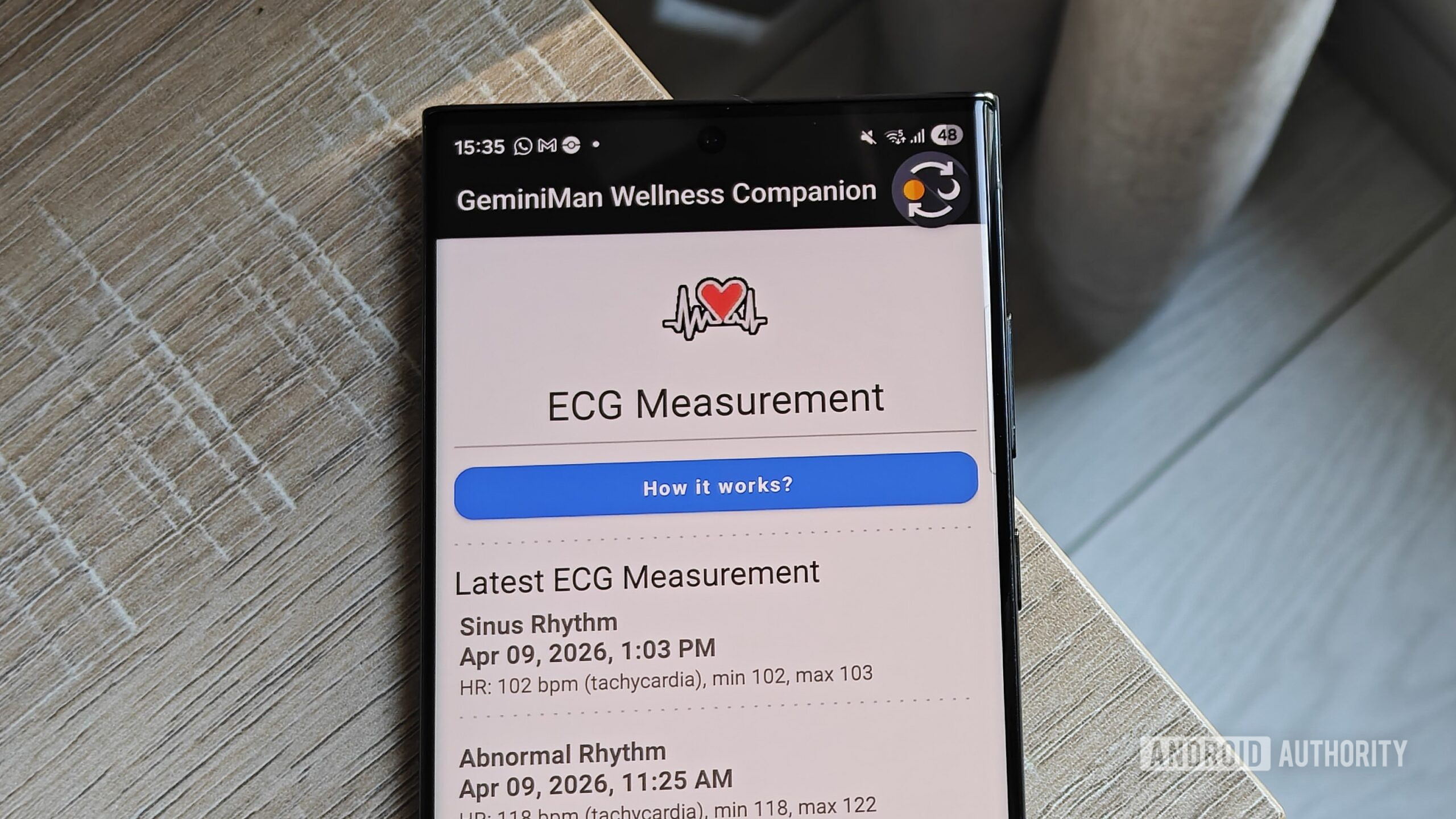
For technically adept consumers navigating this segmented landscape, the open nature of the Android operating system has historically provided workarounds. Independent developers and enthusiast communities have engineered modified application packages and companion utility tools designed to bypass these restrictions, allowing non-Samsung phone owners to access restricted biometrics. However, relying on third-party modifications introduces distinct security vulnerabilities, exposing users to potential malware risks when sourcing unverified software builds. Tests conducted across alternative handset brands frequently demonstrate that the restricted biometrics function seamlessly once the artificial block is bypassed, further underscoring that the limitation is administrative rather than functional.
Resolving this persistent friction point rests entirely within the manufacturer’s strategic roadmap. The most seamless remediation would involve consolidating the specialized biometric utilities directly into the mainline wellness application. Such an integration would immediately democratize access for all wearable owners operating in approved regions, eliminating the friction of secondary software repositories. Alternatively, distributing the monitoring utility through open application catalogs—much like the company has done with other previously restricted software tools—would bridge the ecosystem divide without compromising device integrity. Short of these adjustments, greater transparency at the point of sale remains essential so that consumers navigating the market are fully aware of ecosystem dependencies before committing their capital.
Ultimately, prospective buyers seeking comprehensive biometric surveillance—including blood pressure tracking, advanced cardiac rhythm analysis, and nocturnal breathing assessments—must weigh these platform restrictions carefully. While modern wearables continue to introduce innovative fitness indices and recovery metrics, the refusal to open fundamental health screening tools to the broader Android community remains a significant drawback. In an interconnected digital ecosystem, consumers rightfully expect the hardware they purchase to deliver its complete suite of capabilities, free from arbitrary platform discrimination.
